When people talk about gear forging, they’re usually trying to solve one of two problems: either the gear must survive heavy load and long duty cycles, or the project needs a blank that machines consistently without unpleasant surprises halfway through production. Forging can be an excellent route for gears—but it’s not automatically the best route for every gear.
A useful way to think about forging is this: forging doesn’t just “shape metal,” it changes how the metal’s internal structure aligns with the final part geometry. That’s a big reason engineers reach for forgings in fatigue- and impact-sensitive components. At Fabrication HDC, we make custom gears and gear blanks using multiple routes (forging, casting, CNC machining, and EDM), so the process can match the gear’s job rather than forcing every design into one method. If forging is the right foundation for your gear, check out our forging capabilities at HDC manufacturing.
What “forging a gear” usually means in real production
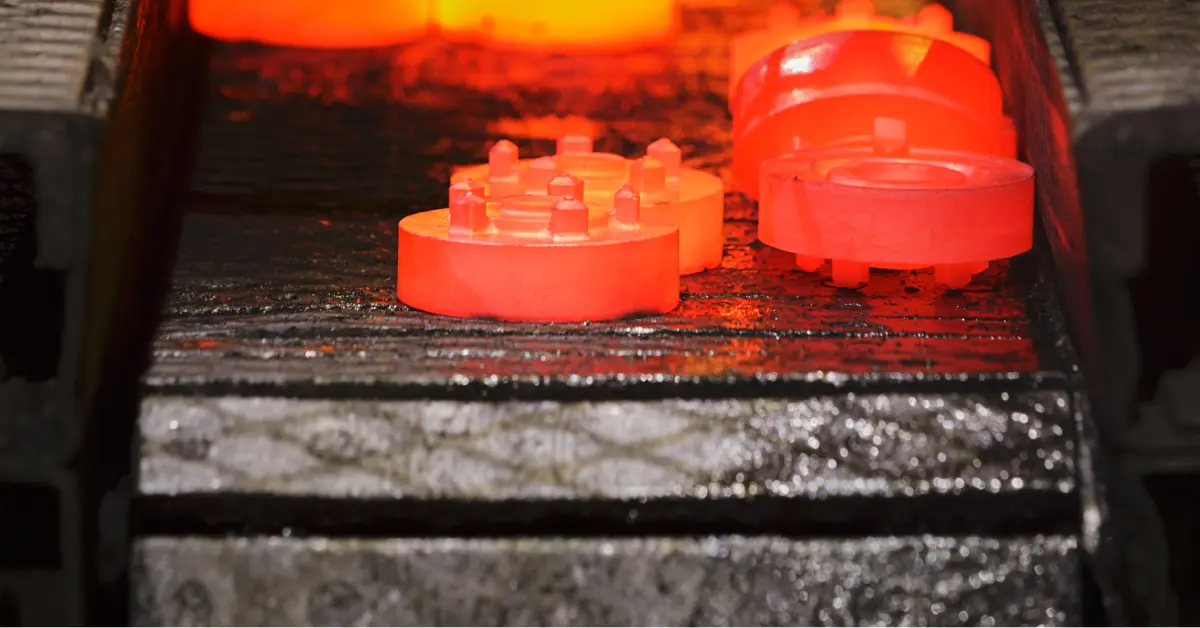
Most gears are not forged with finished teeth ready to run. The most common setup is that you forge the gear blank close to net shape (hub, web, rim, bore allowance, and general mass distribution), then you machine and cut the teeth to the required accuracy, then you heat treat and finish as needed. This is why gear forging is often discussed as a way to improve the starting material and reduce waste, while still relying on CNC and gear cutting for the precision geometry.
So the decision is not “forging vs machining.” It’s usually “forger + usinage vs “machining from bar” (or vs casting), with the goal of improving reliability and total cost.
The biggest advantages of gear forging
Better fatigue and impact performance where it matters
The most valuable benefit of forging is performance under cyclic load. In many cases, forging produces a grain structure oriented to the part shape, which tends to improve resistance to impact and fatigue compared with machining from bar/plate where machining can cut across grain flow.
For gears, this matters because tooth roots and hubs see repeated stress cycles. If your gear is in a gearbox that runs daily, or sees torque reversals, or occasional shock loads, starting from a sound forging blank can reduce risk that’s hard to “inspect away” later.
A stronger blank can reduce downstream surprises
In practice, many late-stage gear problems are not tooth-cutting problems—they’re blank problems that show up during machining or heat treat. A good forging route often delivers a more consistent blank, which helps with stable machining results. This doesn’t mean forgings are magically defect-free, but the route is widely used for critical parts because the material integrity and directional structure can support demanding service better than many alternatives.
Less waste, less CNC time on the “big metal removal” steps
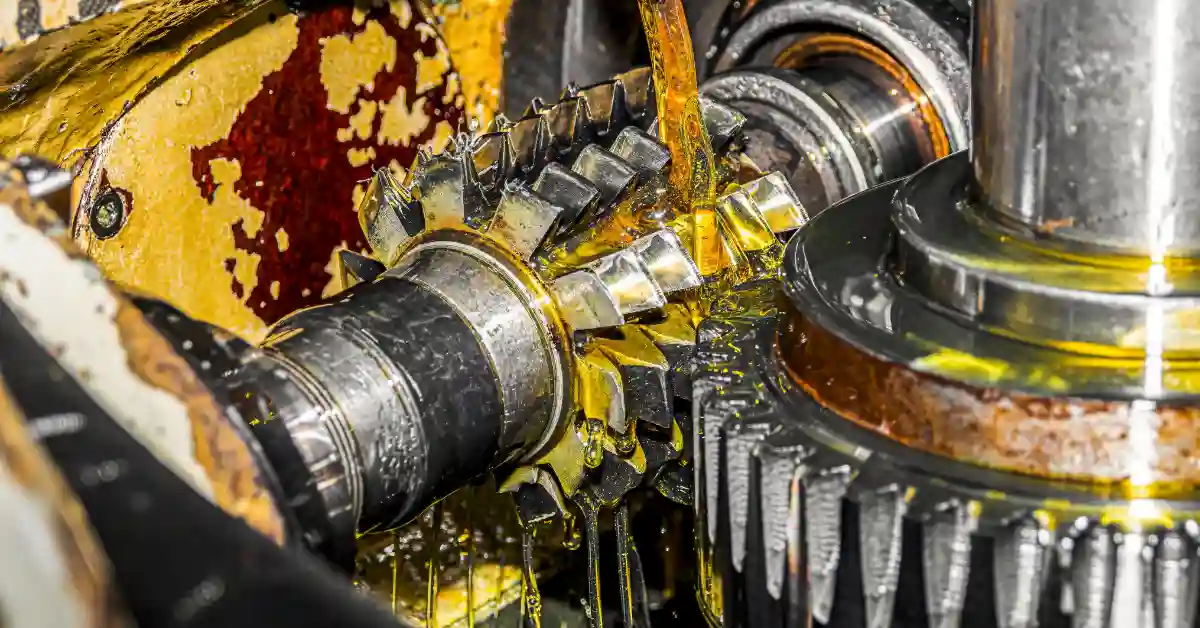
When a forging is close to net shape, you’re not paying to turn a large bar into chips. That can reduce cycle time, tool consumption, and material waste—especially on larger gears or thick hubs. This is one of the most practical reasons buyers choose forged gear blanks: even if the forging tooling has a cost, the project may win on total delivered cost because machining is lighter and more repeatable.
More control over “where the metal is”
Forging is also a design tool. You can put mass where it’s needed (rim/hub) and avoid excess mass where it isn’t, which can help weight, balance, and stiffness. For rotating parts, getting the mass distribution right early can save headaches later.
The real disadvantages and tradeoffs of gear forging
Upfront tooling cost and a more “committed” design
Forging usually requires dies and process development. That means higher upfront cost than machining from bar, and it’s less forgiving if you expect frequent design changes. If you’re still iterating tooth counts, hub geometry, or assembly interfaces, forging may be better as a second step after prototypes are proven.
Lead time can be longer at the beginning
Even when per-part production is fast, the initial setup (die manufacturing, sampling, process tuning) can add lead time. For urgent prototypes, machining-from-solid or alternative blank routes can be faster.
Geometric constraints (you design pour forging)
Forging is not “print-and-go.” Draft angles, parting lines, fillet radii, and how metal flows into features all matter. If the design fights the process, you’ll pay for it in die complexity, scrap risk, and inconsistent blanks that increase machining effort.
You still need precision machining for the teeth
Even in near-net or precision forging, gear teeth typically require cutting/finishing to meet real gear accuracy and noise targets. Forging is usually a blank strategy, not a substitute for gear cutting and finishing.
Quality control still matters (forging has its own defect modes)
Forgings can have issues like laps/folds, mismatch, or surface scale effects if the process isn’t controlled. The point isn’t that forging is risky—it’s that forging needs a supplier who understands gear blanks specifically, not just “general forging.”
When gear forging is usually the right call
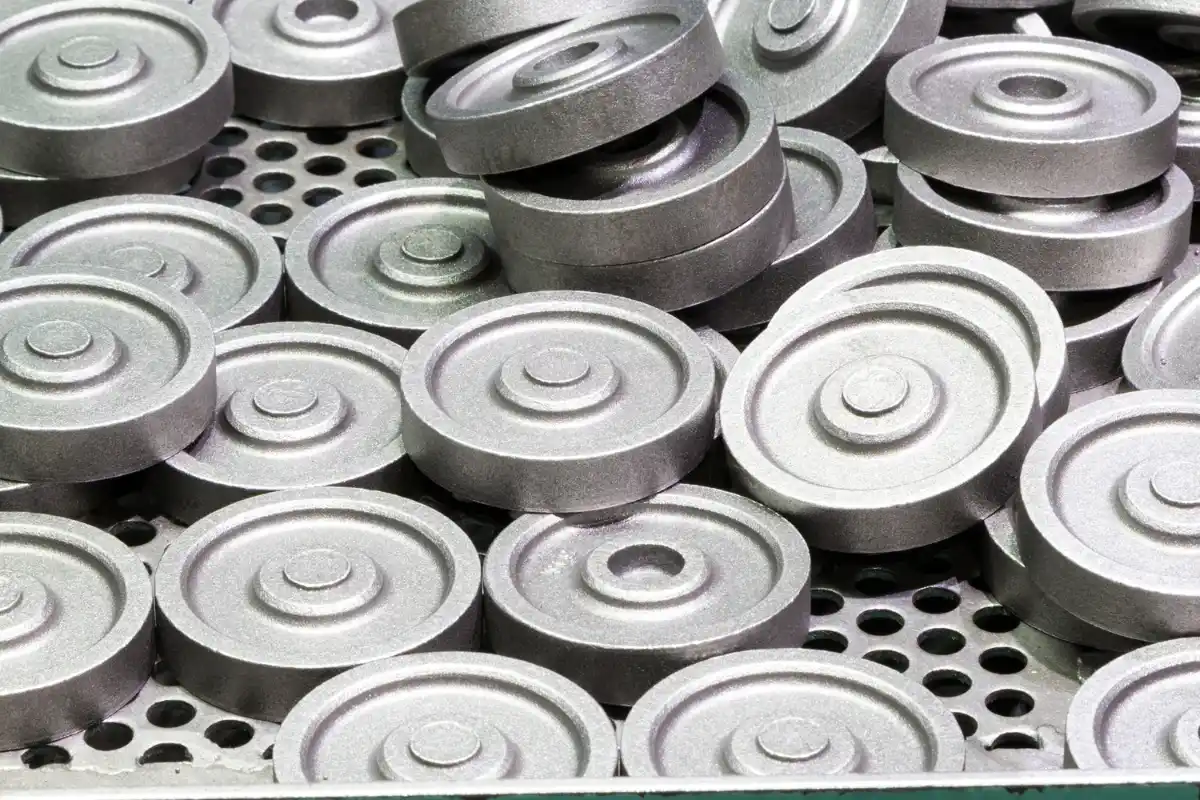
Gear forging tends to make sense when the gear is load-bearing, duty-cycle heavy, and expensive to fail. That includes industrial gearboxes, mining/construction equipment, heavy rotating assemblies, and applications where downtime costs dwarf the part cost. It also makes sense when the blank is large enough that machining from bar would be wasteful, or when you need consistent blanks to stabilize machining and heat treat outcomes.
If your gear is small, lightly loaded, highly cosmetic, or you’re ordering a handful of parts with uncertain revisions, forging may not be the most practical starting point.
How to place a better RFQ for forged gears
The fastest way to get a meaningful forging recommendation is to communicate the gear’s “job,” not just its drawing. In a short message, include the gear type (spur/helical/internal/bevel), material preference (or performance requirement), and your approximate load and duty cycle. Mention whether the gear is noise-sensitive or precision-critical, because that often decides whether finishing steps like grinding are required. Also specify what surfaces are critical after machining—bore, faces, keyway/spline, mounting datums—because that influences how the forging blank should be designed and how much machining allowance is needed.
This is where a multi-process supplier helps. For example, at HDC Manufacturing, we commonly align the route end-to-end: forge gear blanks, CNC machine critical interfaces, cut/finish teeth as required, and use EDM when a design has access constraints or hardened-geometry needs.
FAQ: Gear forging (questions people actually ask)
Are forged gears “stronger” than machined gears?
Often, the vide performance under fatigue and impact can be better when the forging route aligns grain flow with the part geometry. But the final gear’s performance still depends heavily on tooth geometry, heat treatment, and finishing quality.
Does forging eliminate the need for gear cutting?
Usually no. Forging is commonly used to make the blank close to net shape, while the teeth are cut and finished to meet accuracy and noise requirements.
When is forging not worth it?
When quantities are very low, designs are changing frequently, the gear is lightly loaded, or the gear is small enough that machining-from-bar is already efficient.
Why do forged gear blanks sometimes still machine inconsistently?
Inconsistency usually comes from process variation (temperature, die wear, trimming, heat treat), local hard spots, or surface conditions. A stable forging process paired with an aligned machining plan is what produces repeatable results.
What’s the biggest cost mistake buyers make with forged gears?
Comparing only the forging unit price instead of total delivered cost. A forging that reduces CNC time and scrap risk can be cheaper overall even if the blank price is higher.
Conclusion
Gear forging is most valuable when you’re trying to buy reliability—especially under cyclic load, shock, and heavy duty cycles—and when you want a gear blank that supports consistent machining and heat treatment outcomes. The tradeoff is that forging asks for upfront commitment (tooling, design-for-forging rules, and process setup), and it rarely replaces precision tooth cutting and finishing. If you share your duty cycle, load expectations, and what features are function-critical, it becomes straightforward to decide whether a forged blank is the smart foundation—or whether another route will deliver the same result at lower total cost.