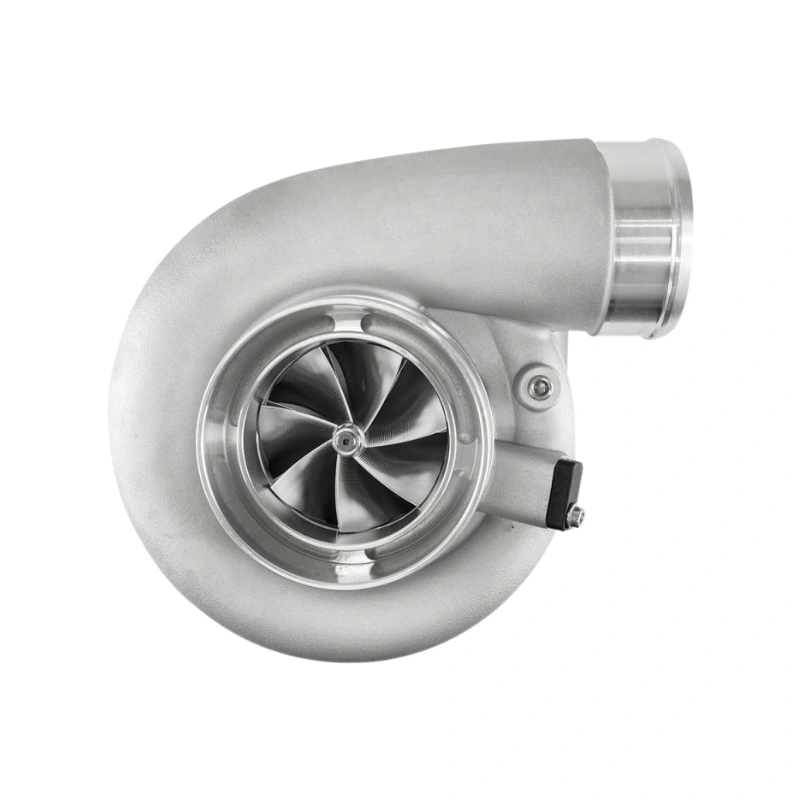
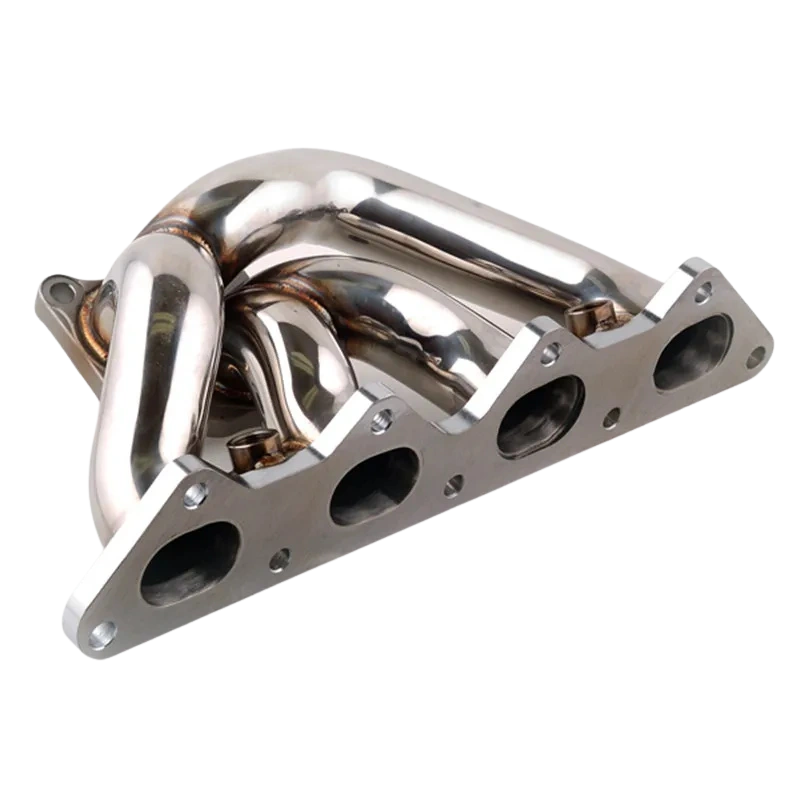
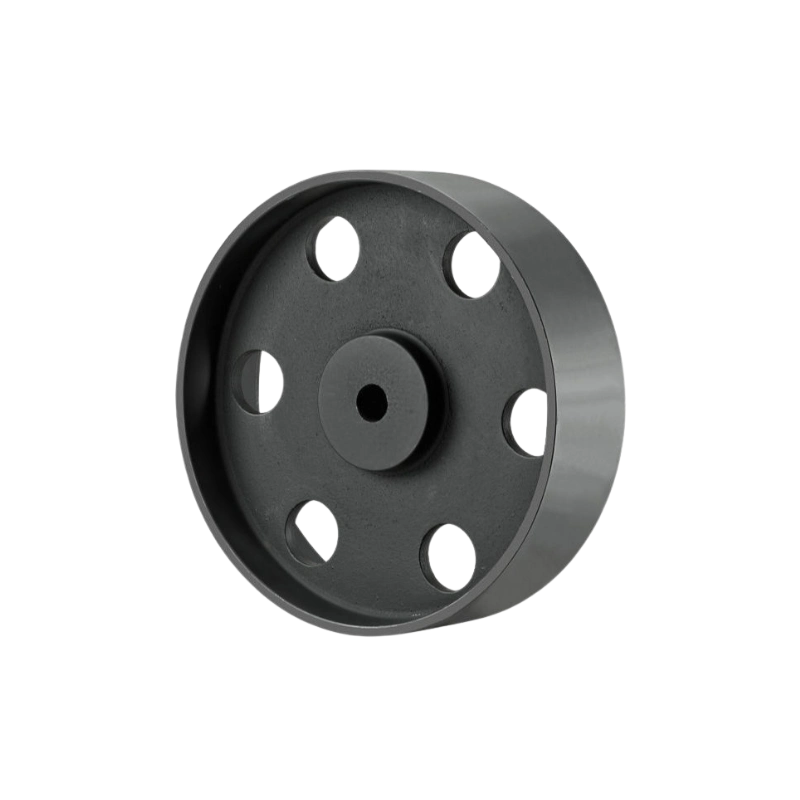
Look around you; you see that casting is used in the manufacture of many of your daily products, car engines, metal pipes and machine parts, to name just a few. In contemporary manufacturing casting is important due to its ability to easily produce powerful and complex shapes.
But what is casting?
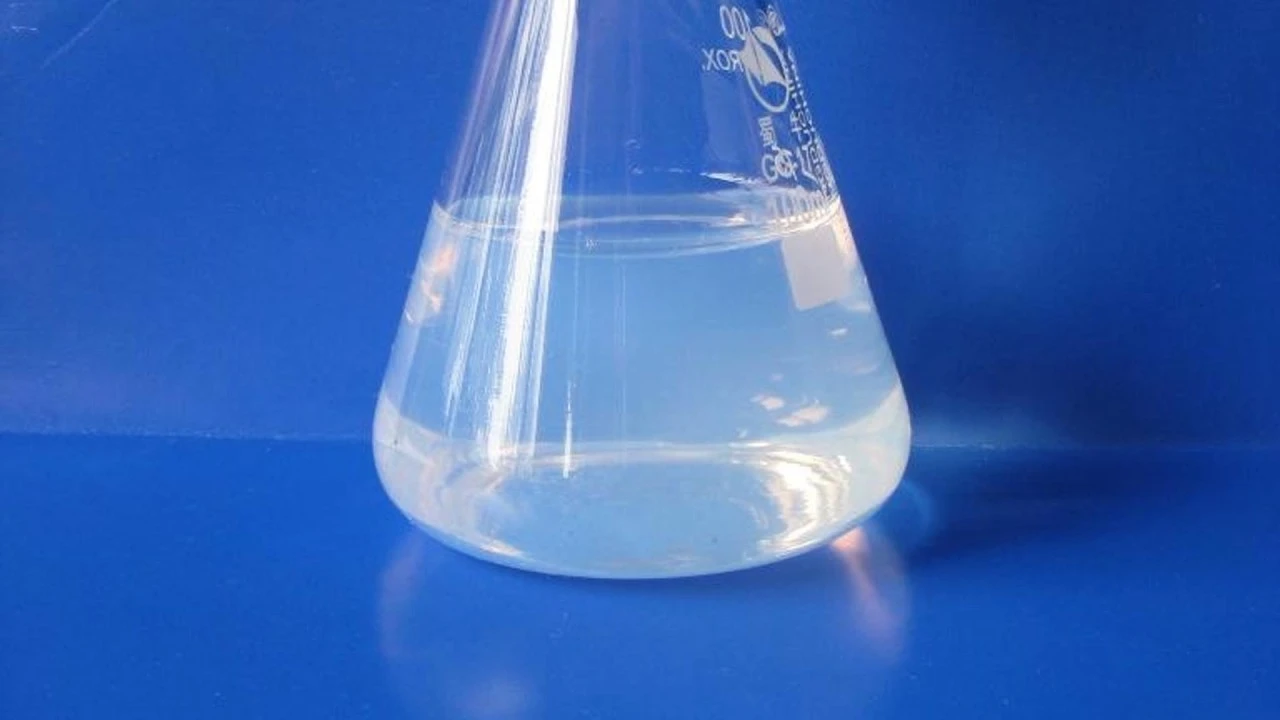
It is a process whereby liquid content, in most cases metal, is injected into a mold and allowed to cool down until it solidifies. This is a long-standing method that will be crucial in 2026. Casting is essential in industries to create high quality, cost effective and durable components.
In this guide, you will get to know all about casting, its mechanism, its forms, its applications and why it is necessary in the modern world.
Qu'est-ce que le casting ?
Fonderie is a manufacturing process in which molten material is poured into a mold cavity. It solidifies and assumes the shape of the mold when it cools down.
How Casting Works
The concept of casting is easy:
- Heat a substance until it melts.
- Pour it into a mold.
- Allow it to cool and harden.
- Take out the completed component.
This enables you to make intricate forms that can hardly be made with other techniques.
Key Components in Casting
There are the basic parts that you should know in order to have an idea of casting.
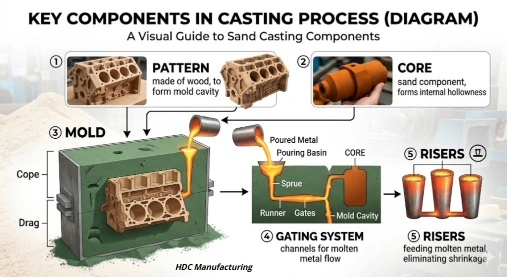
- Mold: The hollow that is filled with liquid metal.
- Pattern: A pattern that is used to make the mold.
- Core: A hollow casting is made by using a core.
- Gating System: Channels through which molten metal flows.
- Risers: Help eliminate shrinkage through feeding of additional metal.
History and Evolution of Casting
Casting is not new. It is thousands of years old.
- During the Bronze Age, the ancient people cast their tools and weapons.
- Techniques became better over time in terms of materials and tools.
- Casting developed during the industrial revolution.
- Casting today is automated, robotized and computerized.
Nowadays casting is quicker, more accurate and efficient than ever.
Complete Casting Process (Step-by-Step Guide)
You should be able to see how casting works step by step to know it properly. All these steps are significant and directly influence the quality of the end product.
Product Design and Planning
It all begins with a definite design. Engineers decide:
- The form and dimension of the product.
- The nature of the material to be used.
- The most effective casting technique.
They also put into consideration aspects such as strength, weight and cost. Designing it in a well organized manner helps to minimize defects and minimizes time and cost of production
Création de modèles
Pattern is a duplication of the final product. It is applied to make the mold cavity.
Patterns may be out of:
- Wood (in simple designs)
- Metal (long term use)
- Plastic (to be precise and durable)
Patterns incorporate additional allowances for shrinkage, machining and finishing. This makes the end product be of the right size.
Core Making
When the casting requires hollow spaces or internal shapes, cores are used.
For example:
- Pipes
- Blocs moteurs
- Hollow machine parts
Sand is normally used to make cores and pouring takes place in the mold. They assist in the formation of an internal cavity that cannot be formed by the mold itself.
Fabrication de moules
One of the most significant components of casting is the mold. It contains the molten metal and provides the final shape.
Les types courants comprennent :
- Sand Molds: Common and inexpensive.
- Permanent Molds: Reusable and more true.
The mold should be robust and heat resistant and should be well designed to prevent flaws.
Melting of Metal
Metal is heated in this step until it becomes liquid.
Common furnaces used:
- Induction furnace
- Electric finance
The temperature should be monitored. When the metal is too hot or too cold, it may influence the quality of the casting.
Pouring of Molten Material
The molten metal is introduced into the mold by a gating system.
This measure is delicate and must be safe since:
- The metal is very hot.
- Defects may be brought about by improper pouring.
Employees should make sure to pour steadily and without interruptions so as to fill the mold.
Refroidissement et solidification
The metal starts cooling and solidifying in the mold after pouring.
The rate of cooling is significant in:
- Strength of the part.
- Internal structure
- Overall quality
Cooling is controlled to avoid cracks and defects.
Shakeout Process
After the metal is completely solid, the mold is taken off.
Under sand casting, the mold is fractured to remove the casting. This is referred to as a shakeout.
Cleaning and Finishing
The raw casting is normally rough and contains additional material.
To enhance it, such processes as
- Affûtage
- Coupe
- Polissage
Are used. This process guarantees the end product to be of the required standards.
Inspection et contrôle qualité
Lastly, the casting is inspected against defects.
Some of the most common inspection methods are the following:
- Visual inspection
- Dimensional checks
- Non-destructive testing (NDT)
This measure will provide a safe, accurate and usable product.
Types of Casting Processes
Modern manufacturing has numerous casting techniques. The process, the level of accuracy and the industrial application of each method are different. Each type is clearly broken down below.
Moulage en sable
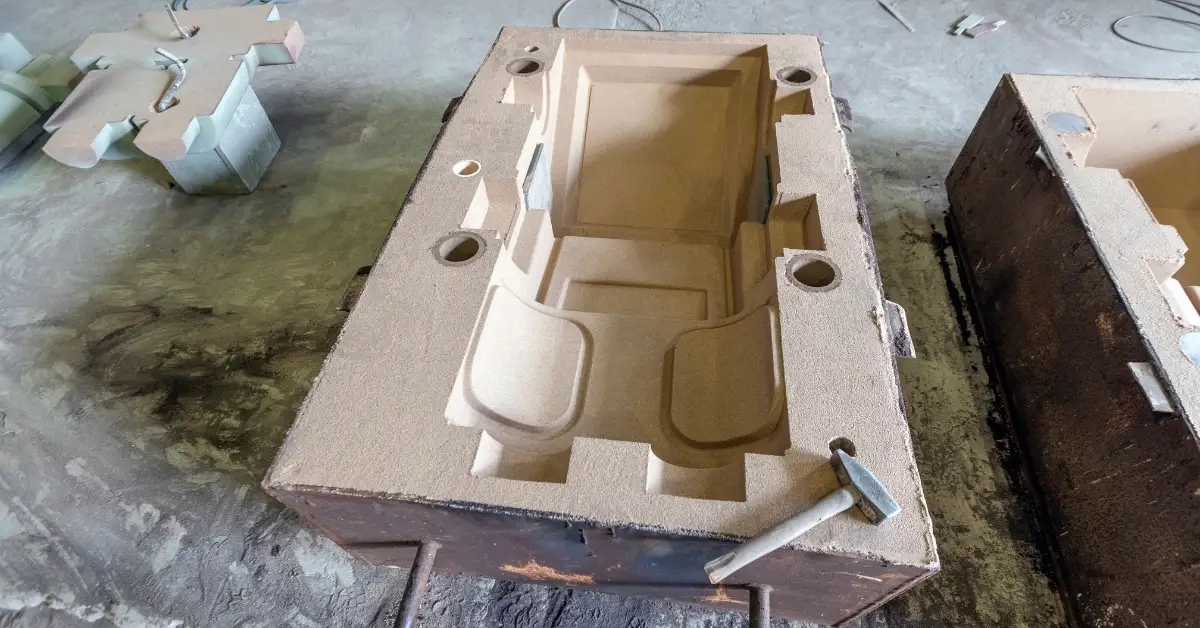
Sand casting is a type of manufacturing where molten metal is cast into a sand mold. The sand mold is cracked after cooling in order to extract the end product.
Utilisations
- Blocs moteurs
- Machine bases
- Grandes pièces industrielles
- Pump housings
Comment ça marche
The most common and popular method of casting is sand casting, which is easy and economical. The first step is to place a pattern in sand to form a mold cavity.
Moulage d'investissement (Lost Wax Casting)
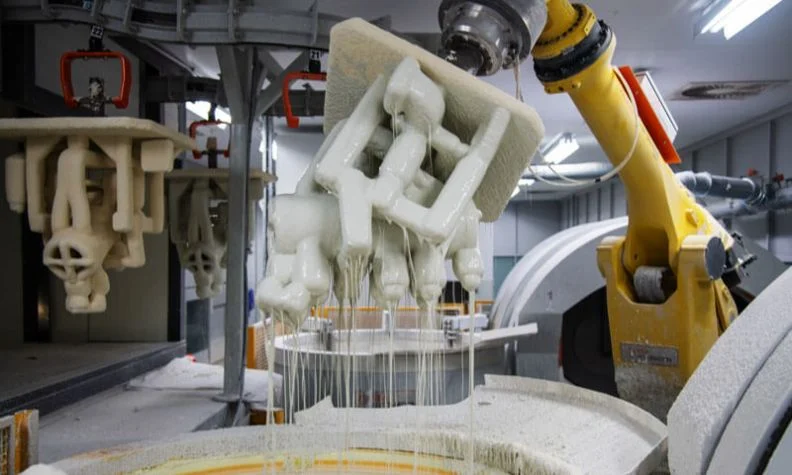
Investment casting is an accurate casting method in which a wax pattern is covered with a ceramic shell. The wax is melted off and molten metal is cast into the shell.
Utilisations
- Composants aérospatiaux
- Medical instruments
- Bijoux
- High precision industrial parts
Comment ça marche
This process has been known to produce very precise and detailed components. Wax model of the product is first made and then coated with ceramic material. Upon hardening the wax is eliminated, leaving behind a hollow mold. The final shape is achieved by pouring molten metal into it. It is ideal in complicated designs that need to be smooth and have tight tolerances.
Moulage sous pression
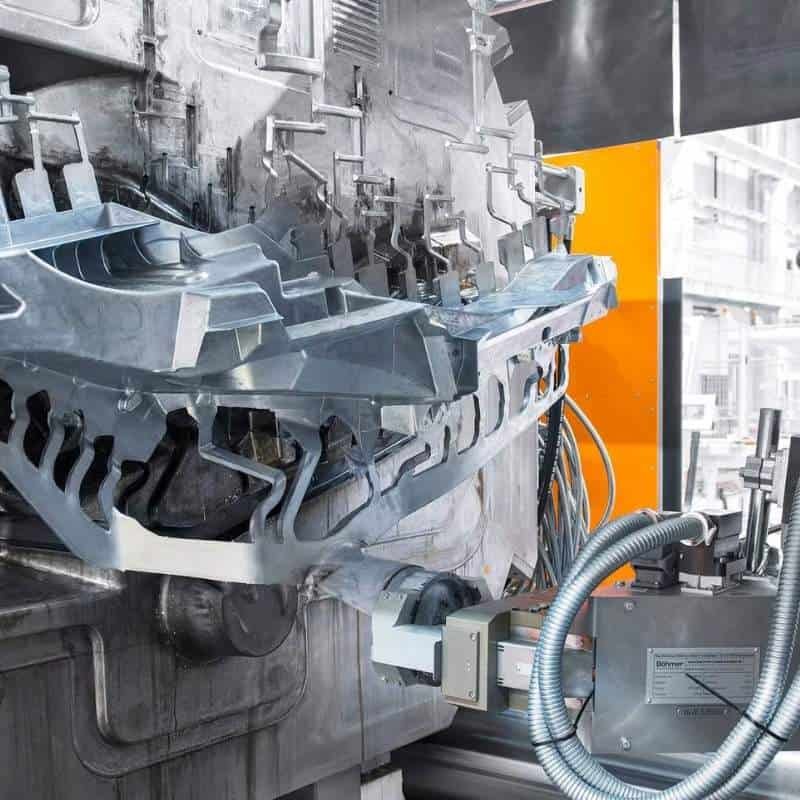
Die casting is the technique in which high pressure is put on molten metal and it is injected into a steel mold (die).
Utilisations
- Automotive parts
- Electronics housings
- Appliance components
- Aluminum and zinc components
Comment ça marche
Mass production of metal parts is done by die casting. High pressure and high-speed molten metal are pushed into a metal mold. This leads to correct, smooth and powerful parts. The initial price of molds is quite expensive but it is highly economical when it is used in large scale production.
Coulée centrifuge
Coulée centrifuge is a technique in which molten metal is cast into a rotating shape, the centrifugal force shapes the shape.
Utilisations
- Pipes
- Tubes
- Douilles
- Cylindrical machine parts.
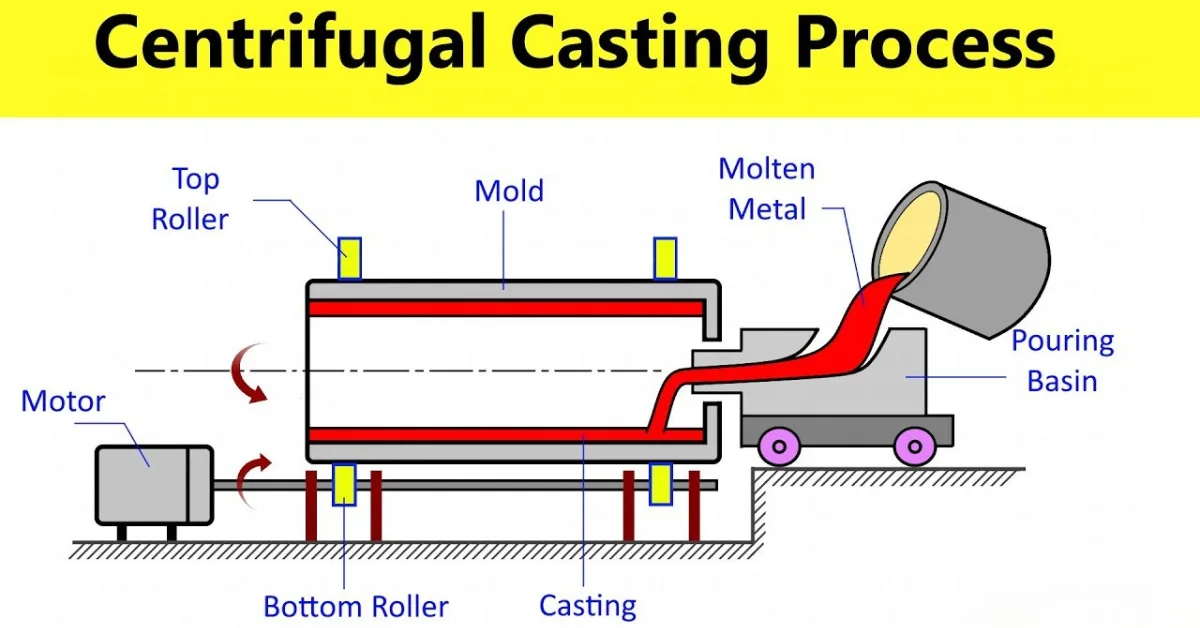
Comment ça marche
The mold is rapidly rotated in this technique with molten metal being poured into it. The force causes the metal to be pressed against the walls of the mold uniformly. This produces thick, hard and flawless components. It is particularly helpful with hollow cylindrical components.
Coulée continue
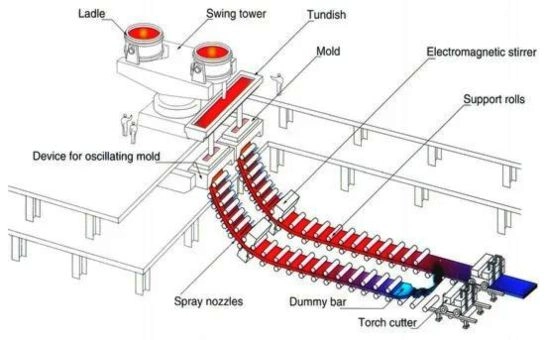
The concept of coulée continue involves molten metal being cast continuously in the form of long pieces such as slabs and rods.
Utilisations
- Steel production
- Metal rods
- Poutres de structure
- Industrial raw materials
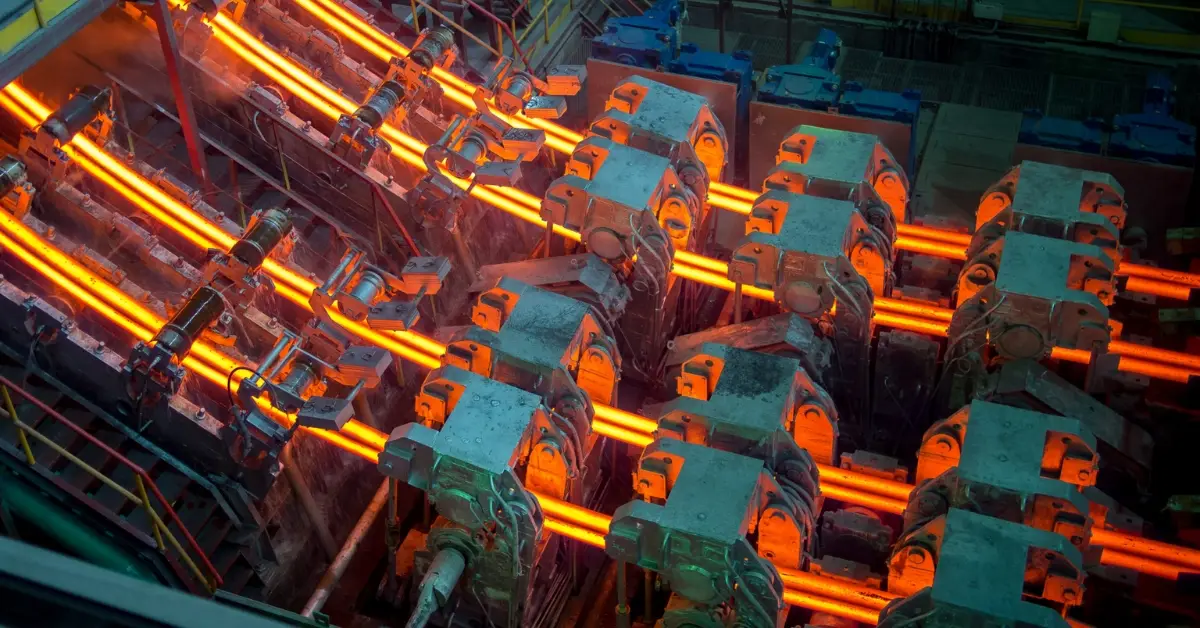
Comment ça marche
Molten metal is cast into a cooled mold and it starts to solidify. It is then constantly pulled out as it hardens. The process is very efficient and is commonly used in steel industries since it yields uniform quality and minimizes wastes.
Shell Molding Casting
Shell molding casting is a technique in which a mold is created by means of a thin shell of sand and resin.
Utilisations
- Gear parts
- Valve bodies
- Composants automobiles
- Medium sized precision parts
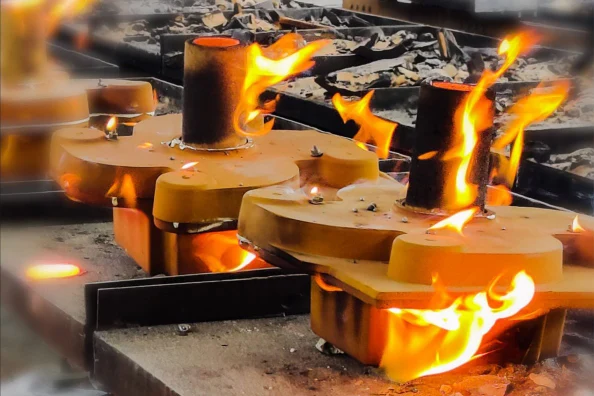
Comment ça marche
In this procedure, a pattern is heated and covered with sand that has been resin coated to create a hard shell. The cavity of the mold is formed by attaching two shells. Molten metal is then added. It is more accurate and smoother than the additional sand casting.
Moulage en moule permanent
Permanent mold casting is a casting process that involves reusable metal molds that are used to make cast parts.
Utilisations
- Aluminum parts
- Automotive equipment
- Medium volume production
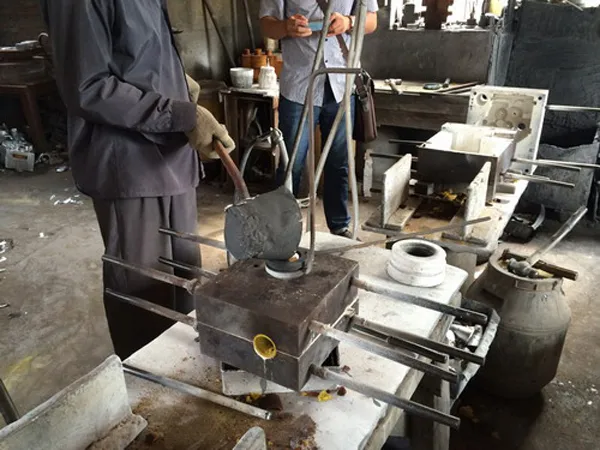
Comment ça marche
The molten metal is cast in a metal mold, which can be recycled. The heat conductivity of the mold is high and makes the metal cool rapidly, thus producing stronger and more consistent parts. It is a higher-quality process compared to sand casting and it can be used in repeated production.
Coulée sous vide
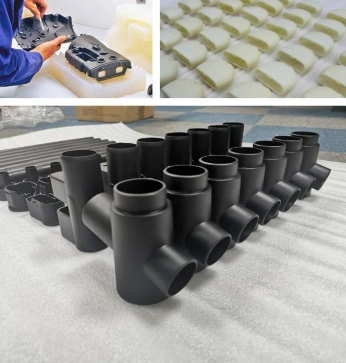
Vacuum casting is a technique in which the molten metal is cast into a mold and the air and gases are eliminated by pouring in molten metal under vacuum conditions.
Utilisations
- Prototype parts
- High quality industrial components
- Precision engineering parts
- Small production runs
Comment ça marche
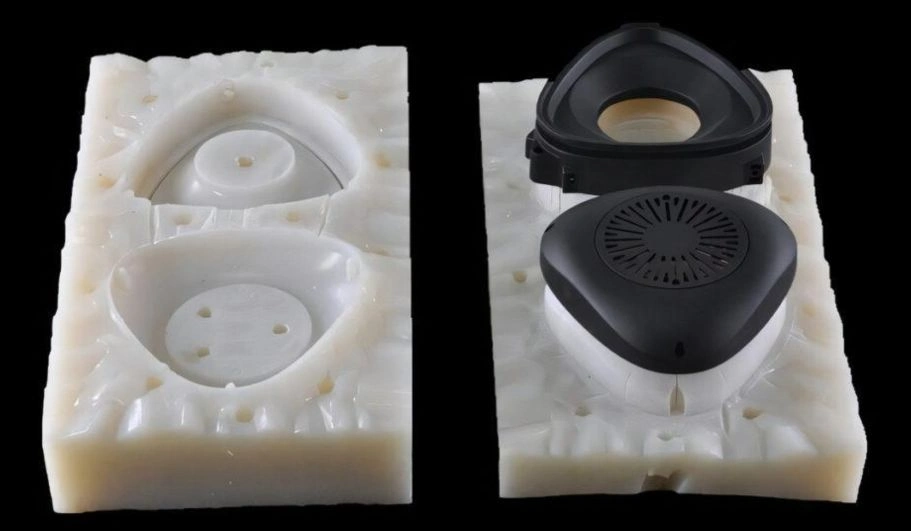
In this process, a vacuum system is used to force air out of the mold cavity and then the metal is poured. This minimizes flaws such as air bubbles and porosity. This leads to improved strength, accuracy and surface finish of the end product.
Moulage de mousse perdue
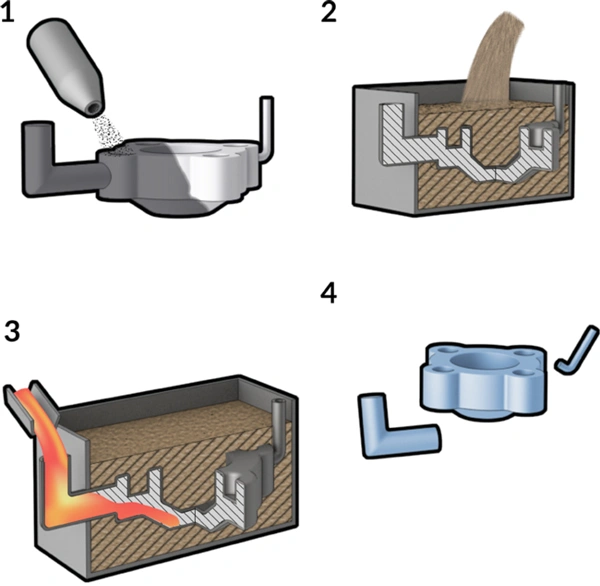
Lost foam casting is a process that involves the use of a foam pattern and molten metal during pouring.
Utilisations
- Engine components
- Complex industrial parts
- Automotive manufacturing
- Custom shaped metal parts
Comment ça marche
A ceramic coated foam model of the product is produced. When the molten metal is poured the foam is evaporated and the space is filled by the metal. This enables very elaborate forms to be created without eliminating patterns and the process is efficient and flexible.
Materials Used in Casting
The materials are differentiated according to the product requirements, strength requirements and operating conditions.
Métaux ferreux
- Fonte : It is commonly used in engine blocks, machine bases, and pipes due to its strong properties, wear resistance and castability.
- Acier: Applied in the case of high strength and durability. Applications of steel castings include heavy machinery, construction and industrial components.
These are very strong, durable materials that are ideal in demanding tasks.
Nonferrous Metals
- Aluminium: Very light, noncorrosive, and used in automotive and aerospace components.
- Cuivre: Excellent conductor, commonly used in electrical and plumbing parts.
- Zinc: Usable in die casting due to its ability to make fine shapes and finishes.
- Magnésium: Extremely light and handy in sectors where weight is of essence.
These materials are less corrosive and lighter than most of the ferrous materials.
Nonmetal Materials
- Plastiques : Applications in the casting of lightweight components, prototypes and consumer products.
- Ceramics: Picked to be used in heat resistant and specialized industrial use.
These are materials commonly employed in special or high performance applications.
Advanced Materials in 2026
- Lightweight Alloys: Contemporary alloys enhance strength and reduce the weight of products.
- Matériaux composites: Applied where good performance, lifespan and less weight are vital.
These are high tech materials that enhance efficiency and performance of products.
Material Selection Criteria
In selecting material, take into account:
- Strength requirements
- Product weight
- Production cost
- Working environment
- Resistance to heat and corrosion.
- Machinability and durability
The appropriate choice of material has an impact on the quality, cost and product life.
Fonderie Considérations de conception
Successful casting is based on good design. A quality product helps in minimizing the defects, enhancing quality and reducing production costs.
Important Factors
- Uniform Wall Thickness: Provides even cooling and eliminates cracks.
- Proper Draft Angles: Assists in simple lifting of castings out of molds.
- Smooth Corners (Fillets): Lessons stress concentration and cracking.
- Allowness for Shrinkage: Compensates the shrinkage during cooling.
Failure to adhere to these design rules may result in defects like cracks, warping and incomplete filling. Correct design will guarantee efficient production and quality output.
Advantages and Disadvantages of Casting
Avantages
Casting has numerous advantages in production:
- You are able to draw complicated figures.
The casting process allows detailed designs to be easily created, which would otherwise be hard to create using alternative methods.
- It is effective in big portions.
Casting can be more effective in producing large and heavy parts.
- It minimizes waste of materials.
Waste is frequently reduced since material is poured into a mold and not so high as with machining processes.
- It is economical in the production of large quantities.
Molds can be made in large numbers at reduced cost once they are prepared.
- It is complicated with a variety of materials.
Depending on the use, metals and certain nonmetals can be utilized.
Désavantages
These are also some disadvantages of casting:
- Surface finish might not be ideal.
Certain castings might require polishing or machining to achieve smooth surfaces.
- There are some defects possible.
Quality can be compromised by issues such as porosity, cracks or shrinkage.
- Further finishing is required.
Most castings must be trimmed, ground or machined.
- Tooling is expensive.
Certain casting processes require costly molds or patterns.
- Quality control is significant.
Lack of process control may result in inconsistent outcomes.
Common Casting Defects (With Solutions)
Gas Porosity
Little holes created by entrained gas in molten metal.
Solution: Before pouring, enhance ventilation, moisture and gas removal.
Shrinkage Defects
Due to shrinkage of metal as it cools down, it creates holes.
Solution: Use Proper risers and control cooling rates.
Fermetures froides
Metal does not melt together, forming weak lines.
Solution: Pour a higher and better mold design.
Misruns
Occur when molten metal is not completely poured into the mold.
Solution: Better gating design and appropriate pouring speed.
Cracks and Hot Tears
Due to stress in the cooling and solidification.
Solution: Improve the design of molds and regulate cooling conditions.
How to Prevent Casting Defects
- Proper mold designs.
- Control pouring and cooling temperature.
- Utilize quality raw materials.
- Check molds prior to production.
- Have proper process control and testing.
Defect prevention enhances product quality and minimizes the losses in production.
Casting vs Other Manufacturing Processes
| Processus | Définition | Avantages | Désavantages | Utilisation optimale |
| Fonderie | Molten material is injected into a mold. | Waste minimized, low cost, complex shapes. | Problems with the surface finish and potential defects. | Big and bulky components. |
| Forgeage | Compressive force is used to shape metal. | Extremely high quality components and high durability. | Expensive, limited shapes. | Heavy duty components. |
| Usinage | Shape is obtained by removing material. | Very high accuracy and precision. | Large production is slow and wasteful of material. | Precision parts. |
| Moulage par injection | Plastic is molten and injected into mold. | Quick production, cheap mass production. | High cost of molds only with plastics. | Plastic products |
| impression en 3D | Layer by layer material building. | Very flexible design, requires no mold. | Slow, costly, large production. | Prototyping and custom parts. |
Applications of Casting in Industries
The reason why casting is employed in numerous industries is that it is capable of making robust and intricate components.
Industrie automobile
- Engine parts
- Composants d'engrenage
- Brake housings
- Transmission cases
Casting assists in creating tough and accurate vehicle components.
Industrie de construction
- Pipes
- Structural parts
- Valves
- Heavy equipment components
It aids robust components in buildings and infrastructure.
Industrie aérospaciale
Precision Components:
Aircraft and aerospace systems use lightweight and high strength cast parts.
Industrie médicale
- Implants
- Surgical tools
- Composants de dispositifs médicaux
Casting enhances accuracy and dependability in medical practice.
Secteur énergétique
- Turbines
- Power equipment
- Pump housings
- Valve bodies
Cast components are employed in many energy systems.
Industrie maritime
Ship Parts
Casting is used to make propellers, pumps and marine engine parts.
Industrie agricole
Pièces de machines
Tractor parts, plow parts and other heavy forming equipment are cast.
Tools and Equipment Used in Casting
There are a number of tools and machines that are important in casting to be accurate and safe.
- Furnaces: Furnaces are used to melt metals.
- Moules : Forms that provide molten metal with its shape.
- Ladles: These are used to pour molten metal in a safe manner.
- Cooling Systems: Assist in regulating the hardening of metal.
- Testing Tools: Testing is done to verify quality and identify defects.
Safety Measures in Casting Industry
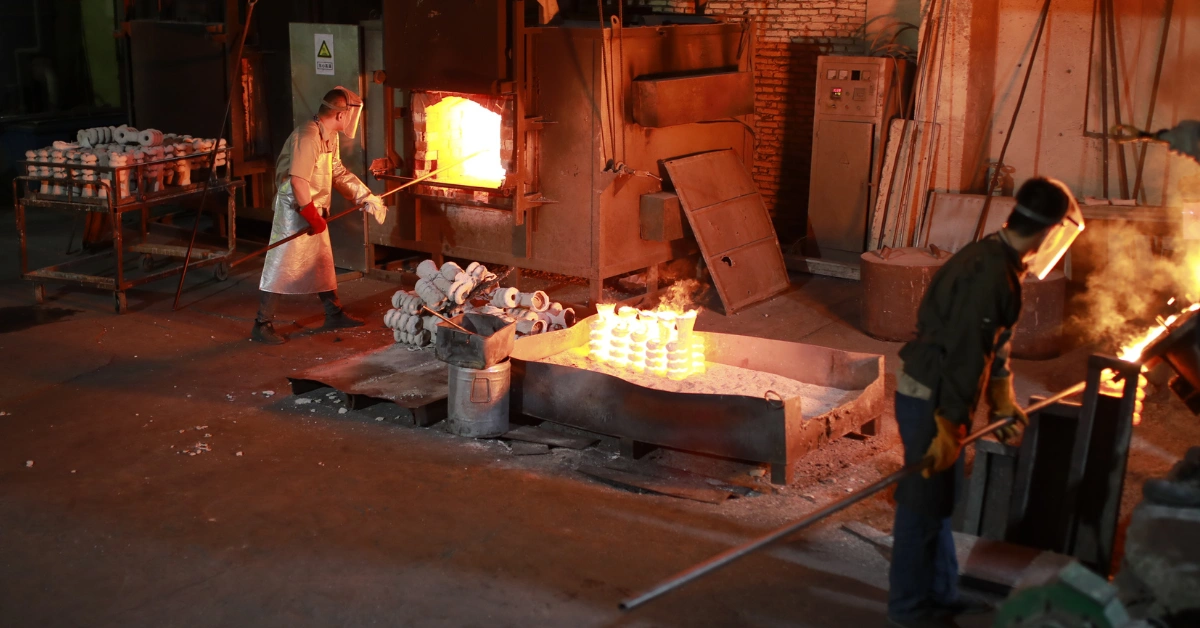
In casting, safety is also a major concern since it is a process that involves high temperatures and molten metals.
- Use protective clothing and helmets and gloves and heat resistant cloths.
- Cautions should be taken when working with hot metal to prevent burns and accidents.
- Use correct safety guidelines and standard operating procedures.
- Keep a safe distance between furnaces and pouring areas.
Cost Factors in Casting
The overall casting cost is determined by a number of factors:
- Coût matériel: The metal used and its type and quality.
- Labor Cost: Proficient laborers are needed for the production.
- Equipment Cost: Furnaces, molds and machinery costs.
- Volume de production: The amount of parts being produced.
Mass production typically lowers the unit cost, and therefore casting is cheaper when mass producing.
Future of Casting Industry (Beyond 2026)
The casting industry is ever evolving and getting more technologically advanced.
- More automation with robots and intelligent machines.
- Invention of superior and more powerful materials.
- Increasing electric vehicle (EV) and renewable energy industries.
- AI and digital simulation to achieve increased accuracy and fewer defects.
Conclusion
One of the most significant manufacturing processes in the world is casting. It enables you to make robust, complicated and dependable components utilized in day to day existence. Casting has provided efficiency and flexibility to the modern industries, from simple tools to sophisticated machine tools.
À Fabrication HDC, nous nous spécialisons dans la fourniture high quality casting solutions that are in line with the current industry standards. We know what you need and deliver quality, affordable services. We can assist you in case you need professional casting. Call us now and talk about your project and make the next step to precision manufacture.
FAQ
What is casting in simple words?
Casting can be defined as a process in which liquid material is poured into a mold and hardened into a shape.
What are the main types of casting?
The main types are sand casting, die casting, moulage de précision, and centrifugal casting.
Where is casting used?
Castings are applied in the automotive sector, construction sector, aerospace and numerous others.
What materials are used in casting?
Some of the common materials are iron, steel, aluminum and copper.
What are the advantages of casting?
The casting is good for giving complex shapes, has less wastage, and is cheap to produce in large quantities.