Aluminum casting is popular for one simple reason: it’s a fast, cost-effective way to make complex metal parts without machining everything from solid. You can get internal shapes, ribs, bosses, and near-net geometry that would otherwise take a lot of CNC time. But “aluminum casting” is a broad label, and the results can vary widely depending on the casting method, the alloy, and how the part is designed.
If you’re sourcing aluminum parts, the goal is usually not to become a casting expert. The goal is to pick a process that gives you the right balance of strength, surface finish, tolerances, and total cost—especially once machining and finishing are included. This article keeps it practical: the main aluminum casting processes, when each one makes sense, what defects to watch for, and what information makes quoting and production smoother.
What Aluminum Casting Is (In Real Terms)

Aluminum casting means pouring molten aluminum into a mold so it solidifies into a part shape. The reason buyers use it is to reduce total manufacturing effort. Instead of machining a thick block into a thin-walled housing, you cast most of the shape and machine only the critical surfaces—like sealing faces, bearing bores, threads, and datums.
Think of casting as your geometry shortcut, and machining as your precision finishing tool.
The Main Aluminum Casting Processes (And How They Differ)
Sand Casting
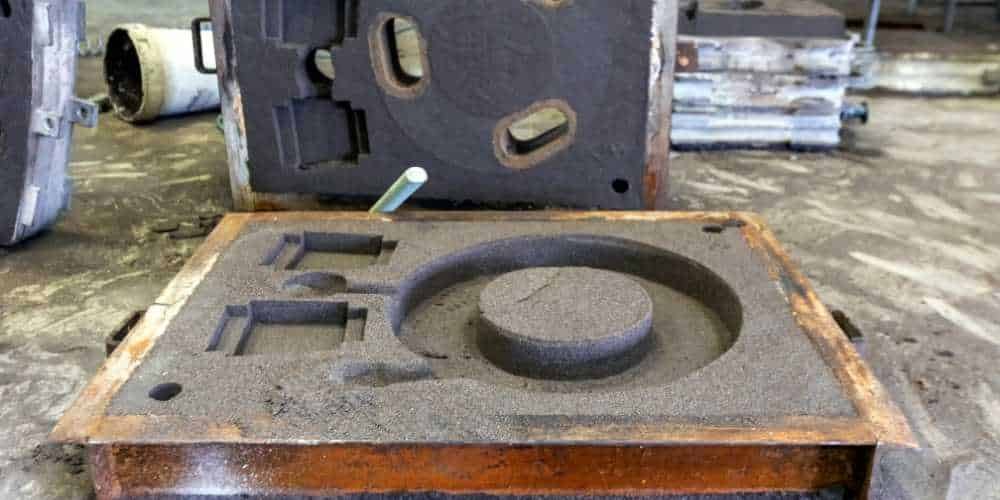
Sand casting is often the most flexible and forgiving option for larger parts or lower volumes. Tooling is generally simpler, design changes are easier, and you can cast relatively large components. The tradeoff is usually rougher surface finish and broader dimensional variation compared to more “precision” casting methods. Many sand cast aluminum parts still machine very well, but you should expect to plan machining allowance and cleanup.
Sand casting is often a good fit for pump housings, brackets, machinery components, covers, and parts where size and flexibility matter more than perfect cosmetics straight out of the mold.
Die Casting
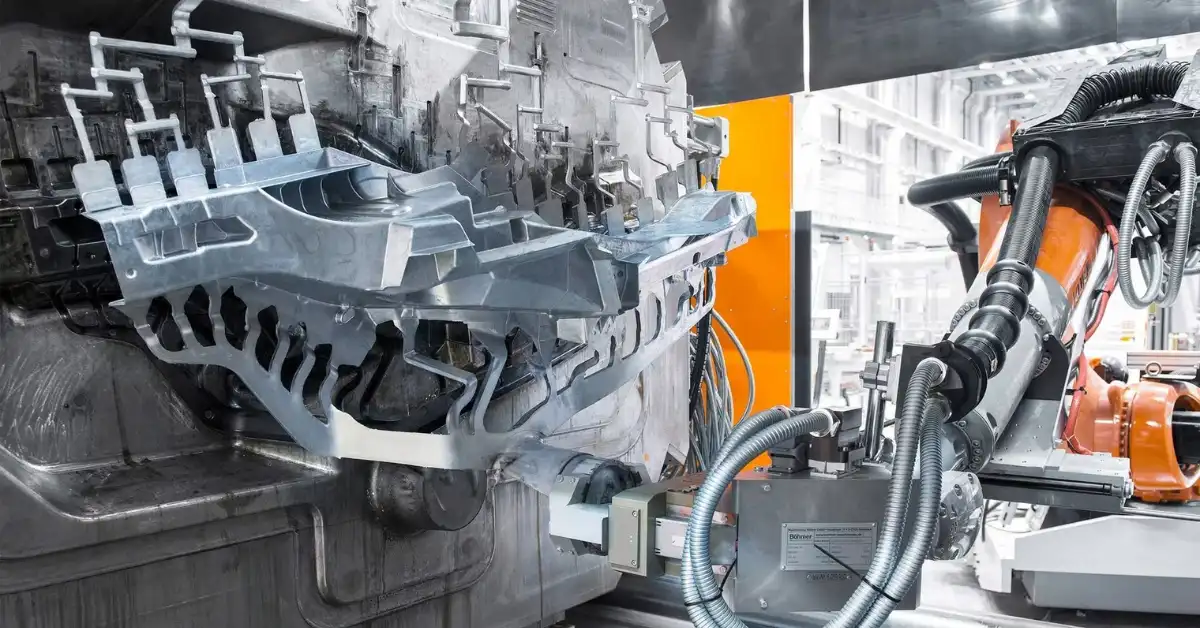
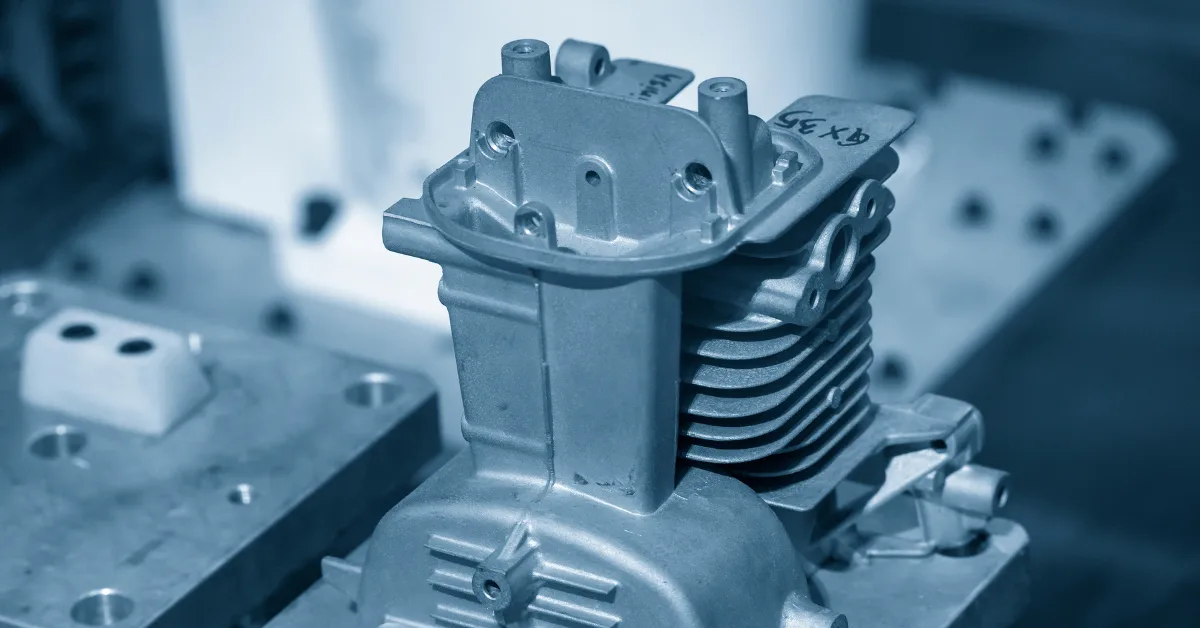
Die casting injects molten aluminum into a hardened steel die at high speed. If your part suits the process, die casting produces excellent repeatability and very fast cycle times, which can drive low unit cost at high volume. It’s often used for consumer products, automotive components, enclosures, and high-volume hardware where you want consistency and fast production.
The practical catch is that die casting is not “one-size-fits-all.” Tooling cost is higher, design must be compatible with the die, and some die cast alloys and conditions can be less friendly for certain welding or high-temperature service needs. Also, although die casting can produce near-finished shapes, most functional parts still require machining on critical interfaces.
Investment Casting
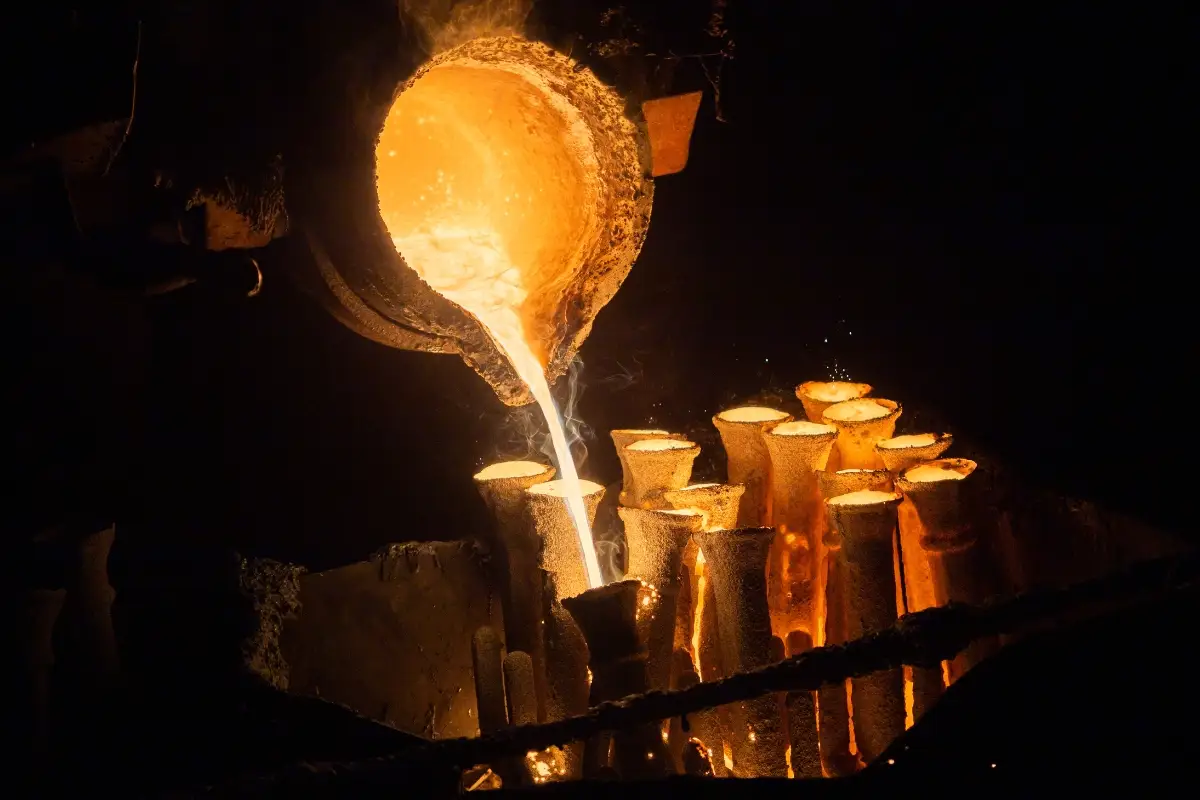
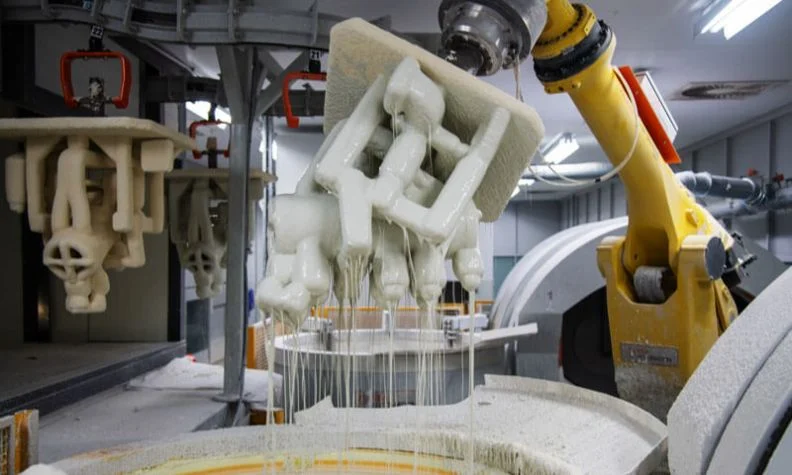
Investment casting (lost wax casting) is typically chosen when you need better detail, smoother as-cast surfaces, or more complex geometry that would be difficult with sand molds. It often provides a good blend of precision and shape complexity, which can reduce the amount of post-processing required.
Investment casting is often used when the part has intricate features, tighter geometry expectations, or when you want a cleaner surface before finishing. As with other methods, machining is still common for critical fits and sealing faces, but the starting shape can be very close to final.
Permanent Mold and Gravity Die Casting
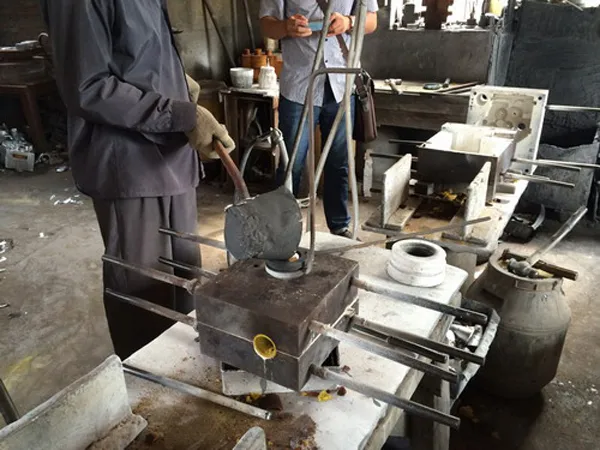
These processes use reusable metal molds (rather than single-use sand molds) and rely on gravity or controlled filling. They often sit between sand and die casting in terms of surface finish, repeatability, and tooling effort. They can be a strong choice when you want better consistency than sand but don’t need the high-speed economics of die casting.
How to Choose the Right Aluminum Casting Method
The quickest way to choose is to start with three questions: how many parts you need, how complex the geometry is, and what the finished requirements are for surfaces and tolerances.
If volume is low and the part is large or likely to change, sand casting is usually the easiest path. If volume is high and the design is stable, die casting becomes attractive because it wins on repeatability and speed. If detail and surface quality matter more, or geometry is complex in a way that benefits from precision molding, investment casting or permanent mold routes are often worth considering.
In practice, many sourcing decisions also come down to total landed cost: the casting method that minimizes machining hours, scrap risk, and finishing effort is often the best choice—even if its raw casting unit price isn’t the lowest.
Aluminum Casting Tolerances, Surface Finish, and Machining Reality
Most aluminum castings are not “final tolerance” parts. The casting process gives you shape; machining gives you accuracy. If your drawing has datums, sealing surfaces, bearing bores, threaded ports, or tight positional relationships, you should assume machining is part of the plan.
Surface finish varies by process. Sand cast surfaces are generally rougher and may require more cleanup. Die casting and investment casting can start smoother and more consistent, but you may still need machining for functional surfaces. The key is to be clear about what must be machined versus what can remain as-cast. That one decision shapes cost, lead time, and inspection expectations.
A practical tip: if a surface must seal, mate, or locate another component, assume it will be machined—even if it looks “pretty good” as-cast.
Common Aluminum Casting Defects Buyers Actually Run Into
Aluminum castings can be excellent, but aluminum is also sensitive to process control. Most real-world problems fall into a few buckets.
Porosity is the big one. Sometimes it shows up as pinholes or pitting; other times it hides until machining opens a surface and exposes voids. Porosity can cause leaks in pressure-retaining parts and can ruin sealing faces. Shrinkage-related voids are another common issue, especially near thick sections and junctions where metal solidifies last.
Inclusions and dirt-related issues can show up during machining as hard spots, tearing, or unexpected tool wear. Warpage can create headaches because it shifts datums and makes machining inconsistent across batches. And surface issues—burn-on, roughness, cold shuts, or flow marks—can increase grinding and finishing time.
The practical point is not to fear defects; it’s to anticipate them. If your part is pressure-retaining, fatigue-sensitive, or tolerance-critical, the inspection plan and process selection matter more than the cheapest quote.
Cost Drivers in Aluminum Casting (What Really Moves the Price)
The biggest cost drivers are usually tooling, volume, alloy choice, complexity, and how much machining is required afterward. High-volume processes like die casting can produce low unit costs but require higher tooling investment. Sand casting often has lower initial tooling and more flexibility but can require more cleanup and machining allowance. Investment casting can reduce finishing work for complex shapes but may not be the cheapest for large, simple parts.
Machining often becomes the hidden cost lever. A casting that saves two CNC setups or reduces material removal can win on total cost even if the casting price looks higher on paper. So if you’re comparing quotes, compare total delivered part cost, not casting cost alone.
What to Share for an Accurate Quote (And Fewer Surprises)
If you want faster, cleaner quoting and fewer surprises in production, provide the information that helps the supplier choose the right method and protect critical areas. Your drawing is the foundation, but what really helps is clarity on which surfaces are functional. If there’s pressure testing, sealing requirements, or leak-tight zones, say it early. If certain areas must be free of porosity or must machine cleanly, highlight them.
Also share expected annual volume, target lead time, finishing requirements (anodizing, coating, painting), and any assembly interfaces that drive tolerances. When suppliers understand what truly matters, they can propose the right casting + machining strategy instead of guessing and padding cost.
FAQ: Aluminum Casting
Which aluminum casting method is best for my part: sand, die, or investment?
It depends on volume, size, and finished requirements. Sand casting is usually best for lower volume and larger parts. Die casting is usually best for stable, high-volume designs needing repeatability. Investment casting often fits complex shapes where detail and cleaner surfaces matter.
Why do aluminum cast parts sometimes leak after machining?
Leaks are often linked to porosity or shrinkage voids that weren’t visible on the raw casting. Machining can open those voids on sealing faces or threaded ports, creating leak paths.
Can aluminum castings hold tight tolerances without machining?
Usually not on functional interfaces. Casting gives you near-net geometry, but tight datums, bores, threads, and sealing faces typically need machining to meet drawing requirements reliably.
How do I reduce porosity risk in aluminum castings?
Start by identifying which zones must be sound—especially sealing faces, ports, and pressure areas—so the supplier can plan the process and inspection accordingly. Process selection, gating, solidification control, and quality checks are all part of the solution.
Is die casting always the cheapest option?
Not always. Die casting can be very cost-effective at high volumes, but tooling cost is higher and the design must suit the process. For lower volumes or large parts, sand or other methods may win on total cost.
What’s the best way to lower machining cost on cast aluminum parts?
The best approach is choosing a casting method that gets geometry close to final and then machining only the critical surfaces. Clear machining allowance planning and stable casting quality reduce setups, cycle time, and scrap risk.
What should I call out on a drawing to avoid casting issues?
Highlight sealing faces, pressure-retaining zones, critical bores, threaded ports, and any surfaces that must be free of porosity after machining. Also clarify which surfaces can remain as-cast.
How can I compare two aluminum casting quotes fairly?
Compare total delivered cost, not just casting price. Include tooling, machining time, finishing, inspection requirements, scrap assumptions, and lead time. The cheapest casting often becomes the most expensive finished part.
Conclusion
Aluminum casting is a powerful way to reduce total manufacturing effort, but the best results come from choosing the right casting process for your volume and geometry—and planning machining where precision truly matters. If you align early on critical surfaces, porosity-sensitive zones, and realistic tolerance expectations, you’ll get cleaner quotes, fewer surprises, and more predictable finished parts.
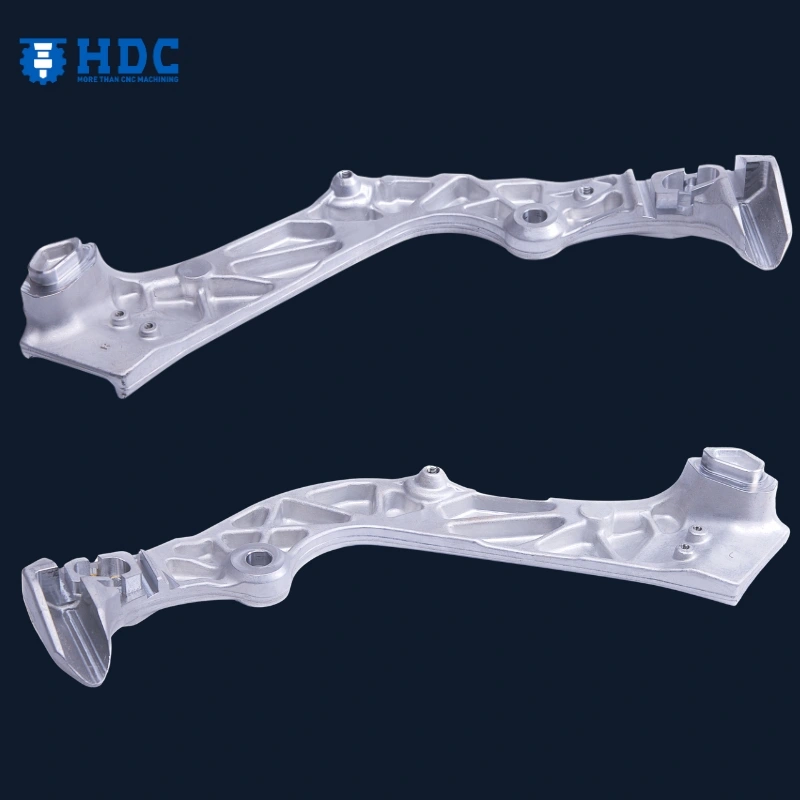
At HDC Manufacturing, we can cast products for you through multiple processes, including investment casting, sand casting, and close die casting. By working closely with China Top casting factory and integrating our own quality control and CNC capability, we offer a one-stop custom casting service from design, development, finishing, to shipping.