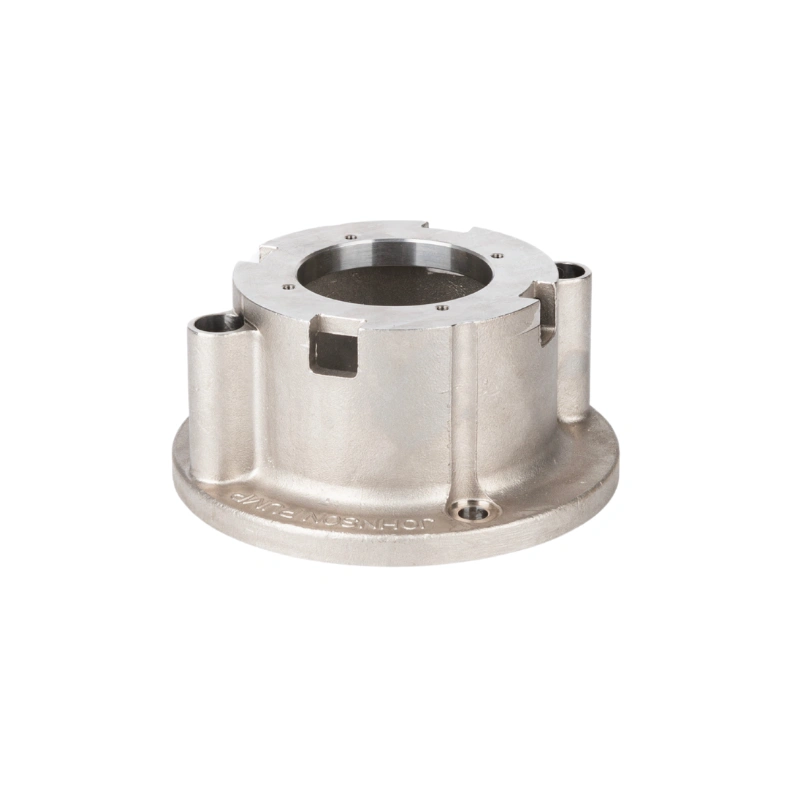
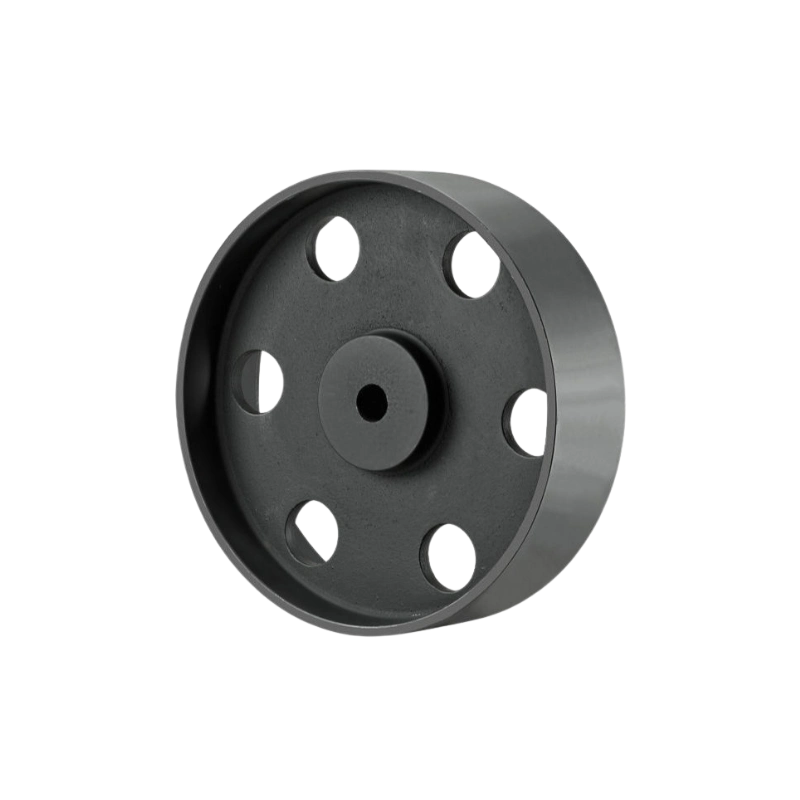
Gravity die casting is a metal casting method in which the molten metal is directed to fill a reusable metal mold, using the force of gravity alone and no external pressure. The process yields powerful, precise and finely finished metal components and this is the reason why automotive, aerospace, and machinery industries are using it to maintain production consistency.
In this guide, you will learn everything in a simple and practical way. You will know how to do it step by step, why industries believe in it and when you prefer it to another method of casting.
This guide will assist you in making better choices, whether you are a student, a buyer or an engineer.
What is Gravity Die Casting?
Gravity die casting is a production technique in which molten metal is gravity fed into a reusable metal mold (die) and is left to solidify. As opposed to pressure die casting, no external force is used to press the metal into the mold. The mold is typically fabricated using steel or cast iron, thus enabling it to be reused thousands of times. This renders it efficient and cost effective in the repeated production.
Example:
Imagine that you pour juice in a glass. You need not press; the fluid will run down and fill the fissure. Similarly, the molten metal is introduced into the mold cavity under the influence of gravity and assumes shape.
Why Industries Use Gravity Die Casting
The manufacturers like this process due to the fact that it offers a good balance on quality, cost and efficiency.
Key Benefits:
- Better than sand casting because of controlled cooling.
- Improved finish, lessening additional machining.
- High dimensional accuracy, which guarantees the parts fit.
- Reusable molds, which reduce the long term costs.
- Uniformity, suitable for mass production.
Real Example:
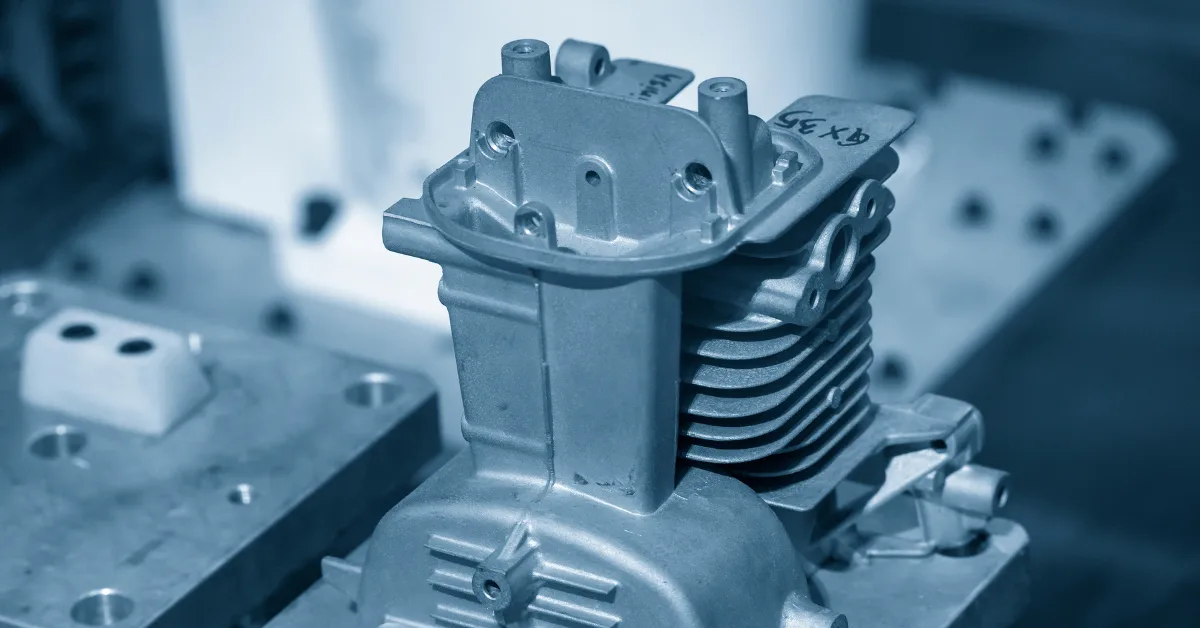
Gravity die casting is applied in auto companies to manufacture aluminum engine parts since they require strength and accuracy.
How Does the Gravity Die Casting Process Work? (Step-by-Step Guide)
I will divide the process into easy steps to make you clearly understand how manufacturers can transform molten metal into finished parts.
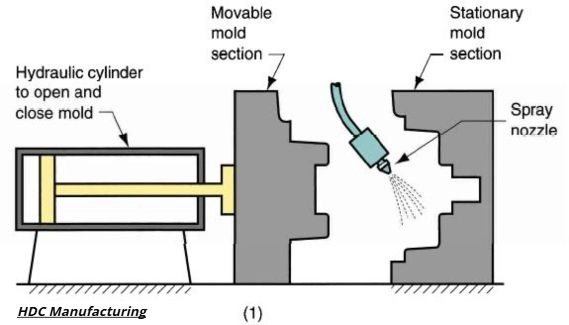
Step 1: Mold Preparation
First, the metal mold (die) is thoroughly washed in order to eliminate any residual material of the previous cycles. Once cleaned, a heat resistant coating is sprayed on the inside of the mold.
Why This Step Matters:
- Stops the molten metal from adhering to the mold.
- Enhances finish on the final product.
- Guarantees the shield of the mold and prolongs its life.
- Assistance in the heat control of casting.
Expert Tip:
A proper coating thickness enhances the quality of the products and the strength of the molds.
Step 2: Preheating the Die
Mold manufacturers preheat the mold before pouring molten metal.
Why Preheating is Important:
- Avoids thermal shock (this could cause cracking)
- Ensures smooth and uniform metal flow
- Minimize issues such as cold shuts and voids.
Real Insight:
A cold mold could cause the metal to solidify too fast and form a bad part.
Step 3: Pouring Molten Metal Using Gravity
The big step now follows. The molten metal is added to the cavity of the mold.
Common Metals Used
- Aluminum alloys (most commonly used)
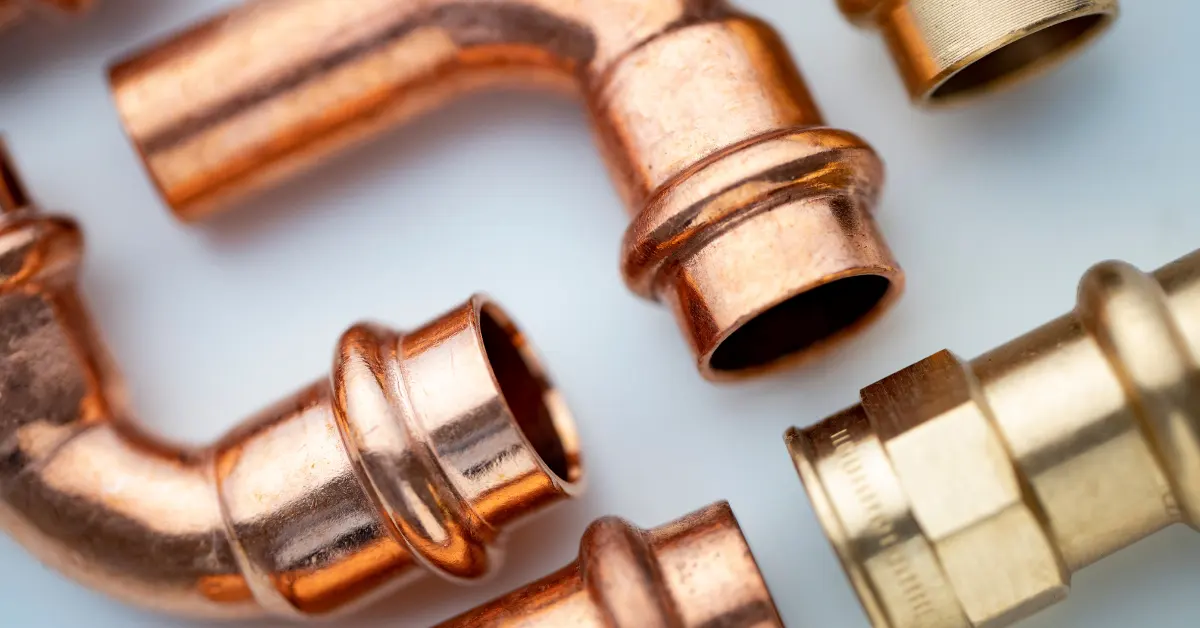
- Copper alloys
- Magnesium alloys
Why Aluminum is Popular:
It is light, corrosion free and powerful ideal in automotive and industrial components.
Step 4: Cooling and Solidification
After the mold is filled the molten metal starts to cool down and solidify.
Important Factors That Affect Quality
- Cooling speed
- Mold temperature
- Material type
Why Controlled Cooling Matters
- Improves mechanical strength
- Reduces shrinkage defects
- Ensures uniform structure
Expert Tip:
Slow cooling prevents internal defects that are not apparent.
Step 5: Casting Removal and Finishing
Once solidified the mold is opened and the casting is taken out. Then finishing processes occur.
Common Finishing Operations:
- Cutting off excess metal (removal of flash)
- Surface polishing
- Machining for precision
- Heat Treatment (where necessary)
Real Example:
Machining may be done after casting to get the precise dimensions of the automotive parts.
Key Components Used in Gravity Die Casting
The tools and elements of the process are as follows:
| Component | Function |
| Metal Mold (Die) | Forms the final product and makes it accurate |
| Furnace | Melts metal to the desired temperature |
| Coating Material | Sticks are prevented and the surface finish is enhanced |
| Cooling System | Temperature and cooling rate are shaped by controls. |
| Handling Equipment | Moves molds and cast pieces safely. |
Additional Insight on Components
- Mold Material: Typically steel or cast iron to make it durable.
- Type of Furnace: Electric or gas furnace based on the scale of production.
- Cooling Systems: Air or water channels to cool it better.
Why This Matters:
The quality of these parts directly influences the quality of the final product the rate of production and the cost.
Types of Gravity Die Casting Methods
Not all gravity die casting works in the same way. Different methods are applied by the manufacturers based on the design of the parts, quality specifications and production quantity. The five main types of gravity die casting procedures that you must be familiar with are listed here:
Permanent Mold Casting (Standard Gravity Die Casting)
It is the simplest and most common type of gravity die casting. In this process, molten metal is filled into a reusable metal mold by gravity and the process is repeated several times until the metal is used up.
Key Features
- Works with hard metal molds (steel or cast iron)
- Makes standardized and reproducible components.
- Stronger than sand casting
Best For
- Medium to high production runs
- Car parts such as engine housings.
Real Example:
Permanent mold casting is commonly used to manufacture aluminum wheels and engine components since they require reliability and accuracy.
Tilt Pour Gravity Casting
In this technique, the mold is tilted gradually as the molten metal is poured in rather than being poured at the top. This is a controlled pouring that enhances the filling of the metal in the mold.
Benefits
- Fluid metal flow
- Minimizes entrapment of air (fewer bubbles)
- Reduces flaws such as turbulence
- Enhances the quality of casting in general
Best For
- Complex shapes
- High quality components
Expert Tip
Tilt pouring is effective when you require fewer internal defects and the structure is required to be of high integrity.
Vacuum Assisted Gravity Casting
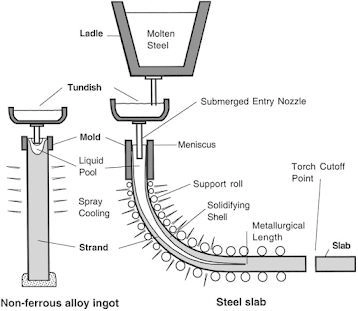
It is a more sophisticated form of gravity casting in which a vacuum system is used to vacuum the mold cavity prior to pouring. This aids in filling the mold with the molten metal.
Key Advantages
- Minimizes porosity (air holes in metal)
- Improves internal strength
- Enhances surface finish
Best For
- Precision components
- Aerospace and high performance parts.
Why it matters
A part can be weakened by even small air pockets. Vacuum casting assists in removing this problem.
Semi Permanent Mold Casting
This technique is a mixture of metal molds and sand or disposable cores. The outer mold can be reused whereas internal cores can be swapped out after every casting.
Key Features
- Permits more complicated internal shapes
- Strength of metal mold maintained
- Flexible design options
Real Example
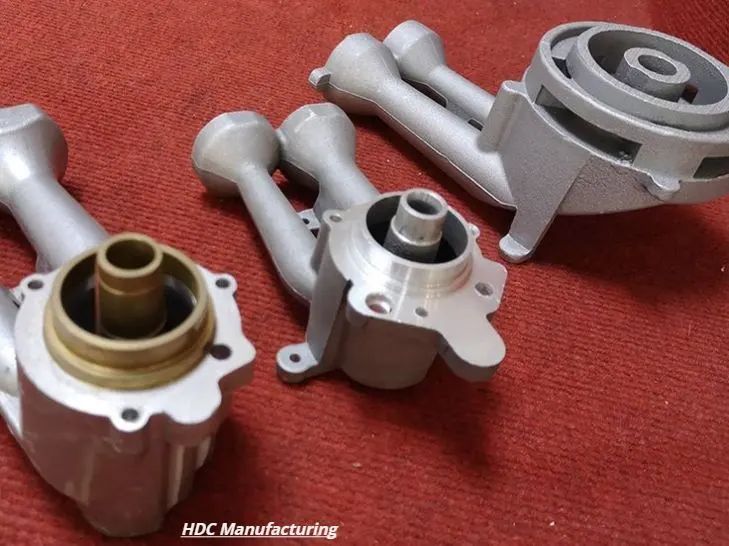
This method is commonly used in pump housings or engine parts, which have internal passages.
Low Pressure Gravity Casting (Hybrid Method)
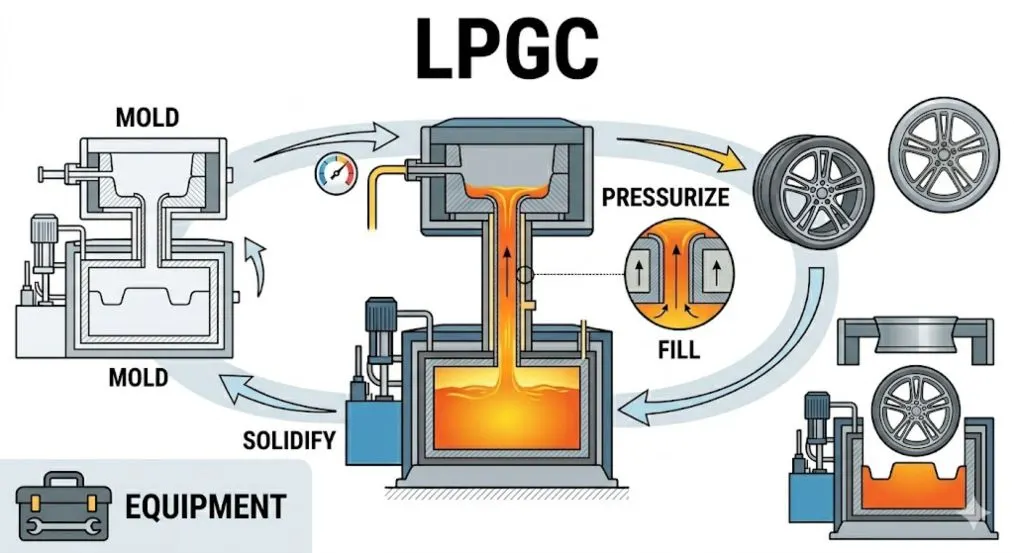
This is a somewhat different approach. It applies low pressure to aid gravity, forcing molten metal into the mold in a gentle manner at the bottom of the mold. It is not pure gravity casting although it is frequently compared or combined with gravity methods by industries.
Key Features
- Regulated and consistent fill
- Better material distribution
- High production efficiency
Best For
- High quality automotive parts
- Applications with a low number of defects
Materials Used in Gravity Die Casting
The various metals are more effective in different applications
| Material | Strength | Weight | Castability | Cost | Best Use |
| Allominum Alloys | High | Light | Easy | Medium | Automotive and aerospace parts |
| Copper Alloys | Very high | Medium | Moderate | High | Electrical and industrial parts |
| Magnesium Alloys | Medium | Very Light | Easy | Medium | Aerospace and electronics |
| Zinc Alloys | Medium | Medium | Very easy | Low | Small precision parts |
| Cast Iron | Very High | Heavy | Moderate | Low | Heavy machinery |
Advantages and Disadvantages of Gravity Die Casting
Advantages
- High Strength: The strength of parts is superior to sand casting due to controlled cooling.
- Better Surface Finish: You have clean and smooth surfaces and this saves you the additional labor.
- Long Term Cast Effectiveness: Molds are most expensive but have a longer lifespan.
- Consistent Quality: Each section is almost the same.
- Suited to Medium to High Production: Ideal in industries where repetitive production is required.
Disadvantages
There is nothing like a perfect process. These are some of the limitations.
- Expensive initial tooling
- Restricted to some metals
- Not applicable to very complicated designs
- Less rapid than pressure die casting
Gravity Die Casting vs Other Casting Methods (Complete Comparison)
Knowing comparisons will make you select the correct approach.
| Feature | Gravity Die Casting | Sand Casting | Pressure Die Casting | Investment Casting |
| Mold Type | Metal (reuseable) | Sand (single use) | Metal (reuseable) | Wax + Ceramic mold |
| Surface Finish | Smooth | Rough | Very smooth | Excellent |
| Strength | High | Lower | Moderate | High |
| Accuracy | High | Low | Very high | Very high |
| Production Speed | Moderate | Slow | Very fast | Slow |
| Cost (Initial) | Medium | Low | High | High |
| Cost (Long Term) | Low | Higher | Medium | High |
| Complexity Handling | Moderate | High | High | Very High |
| Best For | Strong precise parts | Large/Simple parts | Mass Production | Complex, detailed parts |
Quick Understanding
- Use gravity die casting when you require strength, a good finish and cost balance.
- Select sand casting with large or low cost simple parts.
- Select high speed mass production with pressure die casting.
- Select investment casting when the design is very intricate and detailed.
Industrial Applications of Gravity Die Casting
The process is very common in industries.
Automotive Industry
- Engine blocks
- Cylinder heads
- Gear housings
Example: Aluminum engine parts in cars.
Aerospace Industry
- Structural components
- Lightweight parts
Electrical Industry
- Motor housings
- Connectors
Industrial Machinery
- Pumps
- Valves
- Equipment parts
Construction Sector
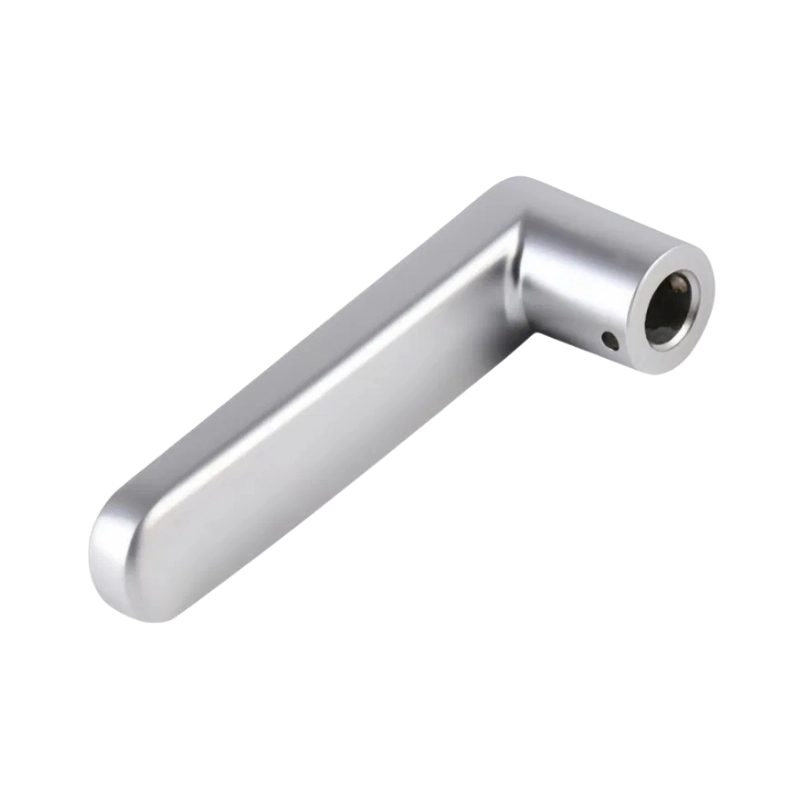
- Hardware components
- Structural fittings
Cost Factors in Gravity Die Casting
Understanding cost helps you plan better.
| Factor | Impact |
| Tooling | High initial cost |
| Material | Depends on metal |
| Volume | Higher volume reduces cost |
| Finishing | Adds extra cost |
Future Trends in Gravity Die Casting (2026 and Beyond)
It is a fast changing industry.
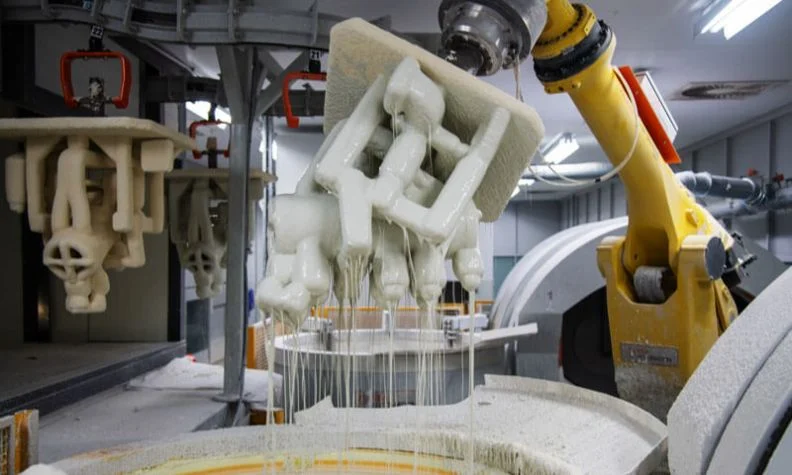
- Automation: Pouring and removal are done by robots.
- Smart Manufacturing: Temperature and quality are monitored by sensors.
- Sustainable Casting: Metal recycling minimizes waste.
- Advanced Alloys: New materials enhance performance and strength.
Expert Tips for Better Gravity Die Casting Results
The following are some of the practical tips employed by professionals:
- Always preheat molds well.
- Use high quality coatings.
- Control pouring speed.
- Maintain consistent temperature.
- Inspect molds regularly.
Last Words
Gravity die casting is a dependable and common manufacturing technique that provides you with powerful, strong and quality metal components. It is most effective when you require a constant output, a good surface finish, and cost effectiveness over the long run. Knowing its process, benefits and constraints, you can select the appropriate solution to your project.
At DC Manufacturing, we specialize in providing high quality gravity die casting solutions to meet your requirements. Our high technology, high quality control and industry experience guarantee that each part will satisfy you. You want to know the best casting solution for your business or you have a project that you are planning, then contact us today and we will assist you to get the best casting solution for your business.
FAQs About Gravity Die Casting (Expert Answers)
What is gravity die casting used for?
It is employed to make powerful and accurate metal components in automotive, aerospace and industrial settings.
Which metal is best for gravity die casting?
The most common is aluminum because of its strength, light weight and resistance to corrosion.
Is gravity die casting expensive?
Initial cost of tooling is expensive, but long term production is economical.
How is gravity die casting different from pressure die casting?
In gravity casting there is no external pressure and in pressure die casting the metal is forced into molds at high speed.
Can gravity die casting produce complex shapes?
It is able to make moderately complex shapes and not as complex as investment casting.
What industries use gravity die casting the most?
It is used in automotive, aerospace, electrical and machinery industries.
Is gravity die casting environmentally friendly?
Yes, as mold can be reused and metal can be recycled.