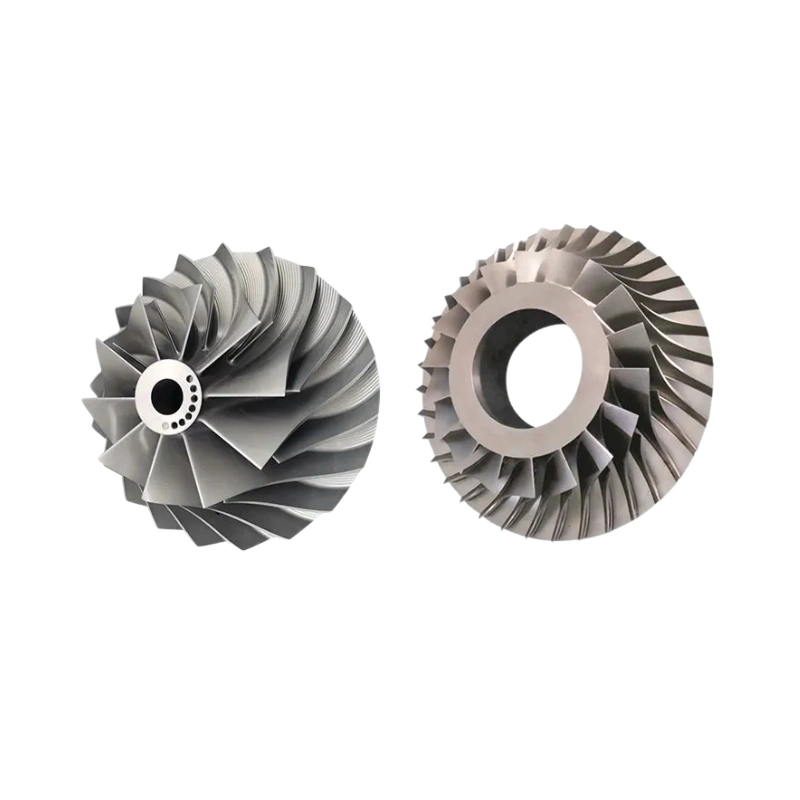
Advanced Custom Solutions for the Aerospace Industry
At HDC Manufacturing, we offer tailored components that meet the highest standards of quality and innovation. Explore our comprehensive services from design to production, and discover the benefits of custom parts made with premium materials. Our FAQ section is also available to answer your queries. Partner with HDC to elevate your aerospace projects to new heights!
Why Choose HDC Manufacturing
Maximizing Efficiency and Innovation in Aerospace Industries.
Precision Manufacturing
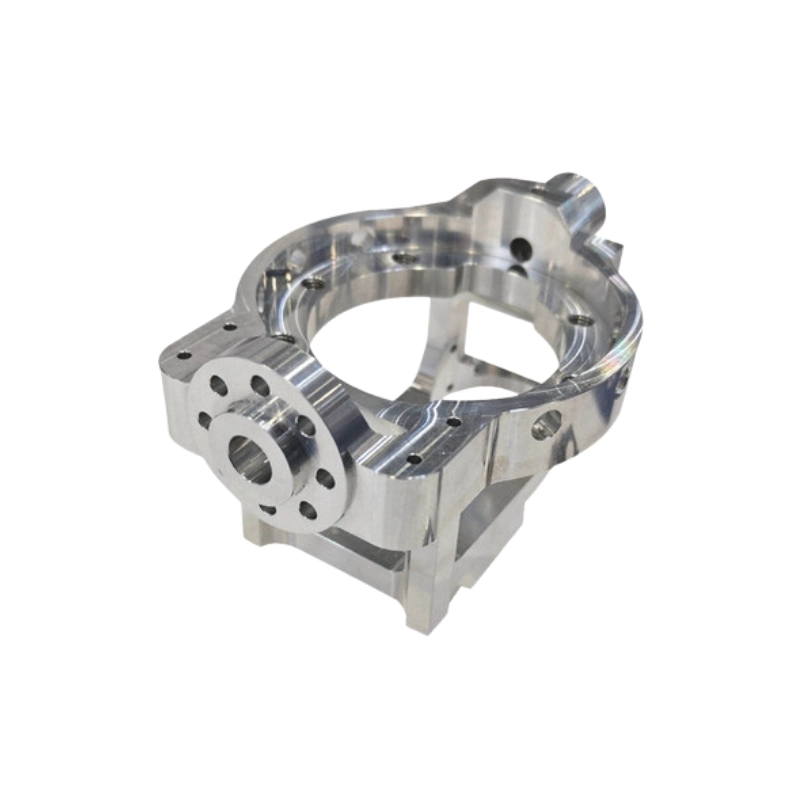
Utilizing advanced manufacturing techniques such as five-axis CNC machining and forging, HDC achieves high precision and quality, ensuring each part meets exact aerospace specifications.
Strict Quality Control
HDC maintains rigorous quality control measures throughout the manufacturing process to ensure each component adheres to the highest standards of reliability and performance, crucial for aerospace applications.
Innovative Design Support
HDC collaborates closely with clients to develop innovative solutions, utilizing the latest in CAD technology and engineering insights to meet complex design challenges.
Regulatory Compliance
We ensure that all custom parts comply with international aerospace standards and regulations, providing documentation and support for certification processes.
Advanced Material Selection
HDC offers a range of high-performance materials, including aerospace-grade metals and composites, which ensure superior durability and weight optimization for enhanced flight efficiency.
Rapid Prototyping and Testing
HDC's rapid prototyping services enable quick iteration and testing of parts, reducing development time and allowing for immediate feedback and adjustments.

Navigating the Aerospace Industry
The aerospace industry has been a cornerstone of technological advancement and transportation since the Wright brothers achieved the first powered flight in 1903. This vast field encompasses several key segments: commercial aviation, which includes major airlines and cargo transporters connecting global destinations; defense aerospace focused on enhancing national security with fighters, drones, and helicopters; space exploration led by both government agencies and private entities pushing the limits of outer space; and general aviation, which comprises personal and small propeller aircraft used for leisure, business, and training purposes.
Significant technological breakthroughs, such as the development of jet propulsion and the integration of advanced composite materials, have revolutionized the industry. These innovations have led to the creation of faster, more efficient, and safer aircraft and spacecraft, drastically transforming how we explore and connect the world. Additionally, the expansion of general aviation has introduced a variety of aerosports activities, including gliding, paragliding, and aerobatic flying, catering to enthusiasts and professionals alike, and highlighting the recreational aspect of aviation.
The continuous evolution of the aerospace industry reflects a trajectory of human ingenuity and curiosity. By delving into its historical milestones and understanding its current segments, we gain a deeper appreciation for the industry’s impact on global connectivity, defense strategies, and the pursuit of new frontiers in space exploration.
Technological Innovations in Aerospace Industry
The aerospace industry has been at the forefront of technological innovation, continually pushing the boundaries of what is possible in both aviation and space exploration. This dynamic sector has seen dramatic transformations thanks to advancements in materials science, propulsion systems, and digital technology.
Materials Science: The development of lightweight, high-strength materials such as carbon fiber composites and advanced alloys has revolutionized aircraft design. These materials not only enhance the performance and fuel efficiency of aircraft but also increase their durability and lifespan.
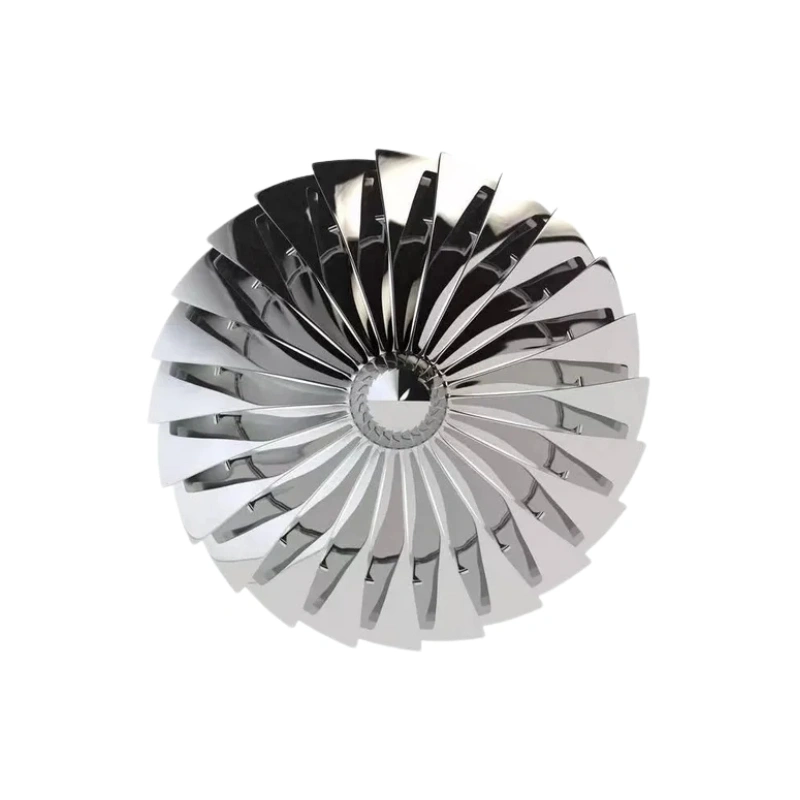
Propulsion Systems: Innovations in propulsion technology have led to more powerful and efficient engines. The advent of turbofan engines, which are quieter and more fuel-efficient than their predecessors, and the exploration of electric propulsion systems, are shaping the future of flight. Additionally, in the realm of space travel, advancements in rocket technology and reusable launch systems have significantly reduced the cost and increased the feasibility of space missions.
Digital Technology: The integration of sophisticated digital systems has transformed aerospace operations and safety. From avionics to simulation training, digital advancements have improved navigation, communication, and operational efficiency. The use of AI and machine learning in monitoring and maintenance operations is setting new standards in predictive maintenance, enhancing safety and reliability.
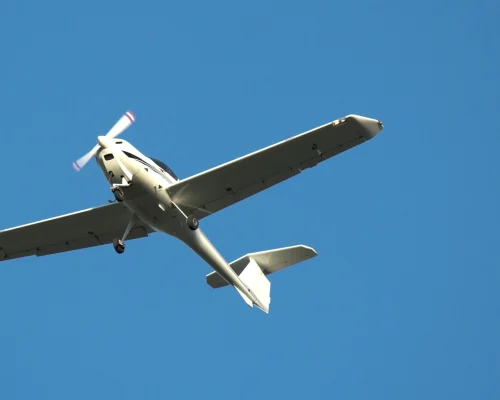
Advancing Personal and Recreational Aviation with Custom Parts
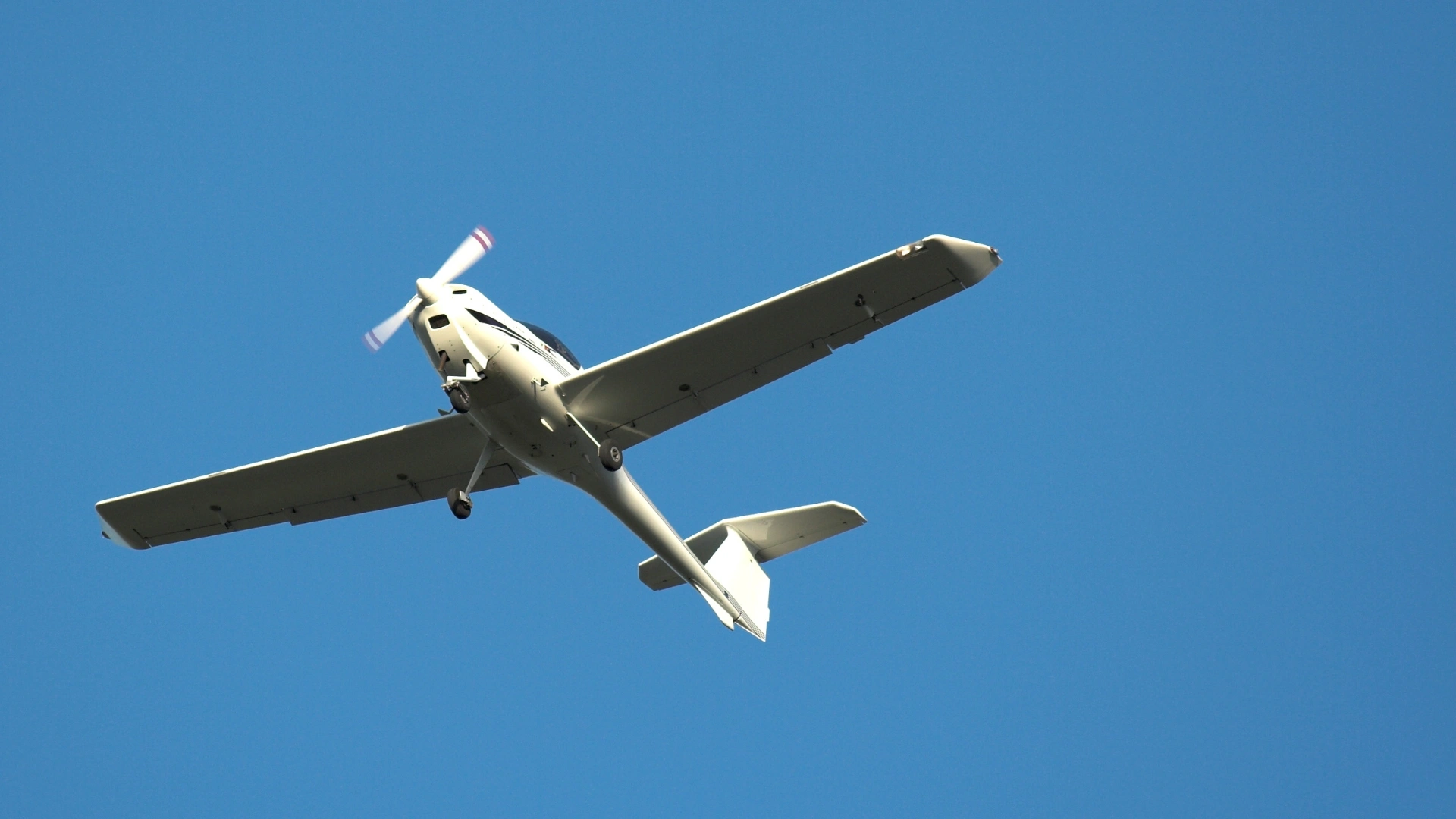
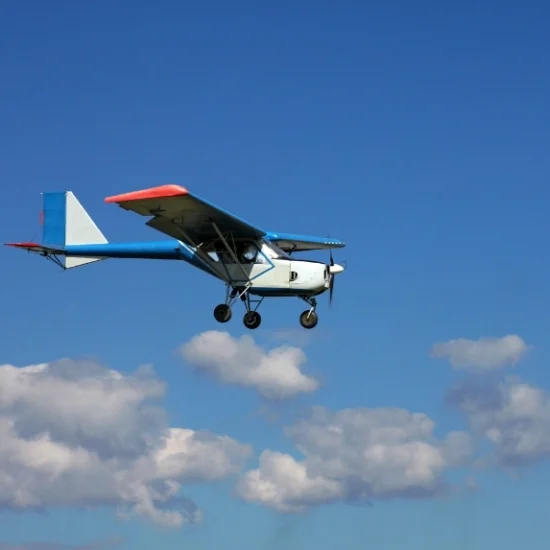
Custom parts services significantly enhance the performance and safety of private small propeller aircraft, providing bespoke solutions that optimize engine efficiency and aerodynamics. These improvements not only result in better fuel economy and a smoother flight experience for personal aircraft owners but also offer enhanced control and reliability, crucial for those engaged in recreational flying and aerosports like gliding and paragliding.
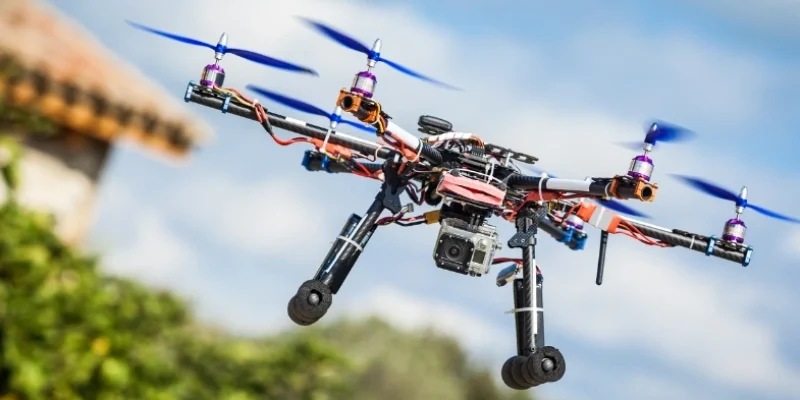
Moreover, in the rapidly growing sector of multirotor civilian UAVs, custom parts are indispensable. These modifications allow drones to fulfill specialized roles, such as advanced aerial photography, environmental monitoring, and recreational pursuits, by improving payload capacity, extending flight duration, and enhancing navigation systems. This degree of customization supports technological innovation and expands the practical applications of UAV technology, meeting the diverse needs and challenges of modern aviation enthusiasts.
Material Excellence for Custom Aviation Parts
HDC Manufacturing is committed to providing a diverse array of top-quality materials for custom aviation parts, ensuring durability, performance, and safety.
Stainless Steel
Ideal for components that require high strength and durability under stress, such as fasteners, control cables, and engine parts. Stainless steel’s resistance to heat and wear makes it essential for safety-critical applications in personal aviation.
Titanium
This material is highly valued for its strength-to-weight ratio and corrosion resistance. Titanium is perfect for critical load-bearing components in aircraft, including landing gear and engine parts. Its lightweight nature contributes to fuel efficiency, making it suitable for performance-focused aviation enthusiasts.
Aluminum Alloys
Known for their lightweight and strong properties, aluminum alloys are ideal for aircraft frames and skin. They offer excellent corrosion resistance and are easy to work with, making them a popular choice for small aircraft and gliders.
Thermoplastics
Used in interiors and less critical structural parts, thermoplastics offer versatility and resistance to impact. They are used for cabin components, such as seat frames and wall panels, offering customization in design and color for personal aircraft aesthetics.
Carbon fiber
These materials are renowned for their stiffness and strength without the weight penalty of metal alloys. Carbon fiber is extensively used in the construction of modern UAVs and high-performance gliders, providing significant improvements in aerodynamics and structural integrity.
FAQs
What types of custom parts can HDC manufacture for small aircraft?
HDC specializes in producing a wide range of custom parts including engine components, airframe parts, control systems, and specialized fittings for small aircraft, gliders, and UAVs, utilizing advanced manufacturing techniques like five-axis CNC machining and forging.
How does HDC ensure the quality of custom parts?
HDC adheres to rigorous quality control standards throughout the manufacturing process. We employ advanced testing and inspection techniques to ensure that all parts meet the precise specifications and performance expectations necessary for aviation applications.
What materials does HDC use for custom aviation parts?
We offer various high-performance materials suited for aviation, including aluminum alloys, titanium, carbon fiber composites, stainless steel, and thermoplastics, each chosen for its specific properties like lightweight, strength, corrosion resistance, and durability.
What is the lead time for custom aviation parts from HDC?
Lead times vary depending on the complexity and quantity of the parts ordered. However, we strive to optimize our production schedules to meet client deadlines effectively, and we provide estimated timelines during the initial consultation phase.
Request a Instant Quote!
Get a quick quote for your project with just a click! Request an instant quote now!
Contact Us