Is 400 series stainless steel good? Are they a good grade you can look at for our parts and components? Do they perform well as cookware or kitchenware? These are among the most common questions you’ll find online about 400 series stainless steel, and we’ll be addressing all of that.
For this blog, we’ll be going over what you need to know about the 400 stainless steel family, what they’re used for, why they’re used for that, and more!
What is 400 Series Steel?
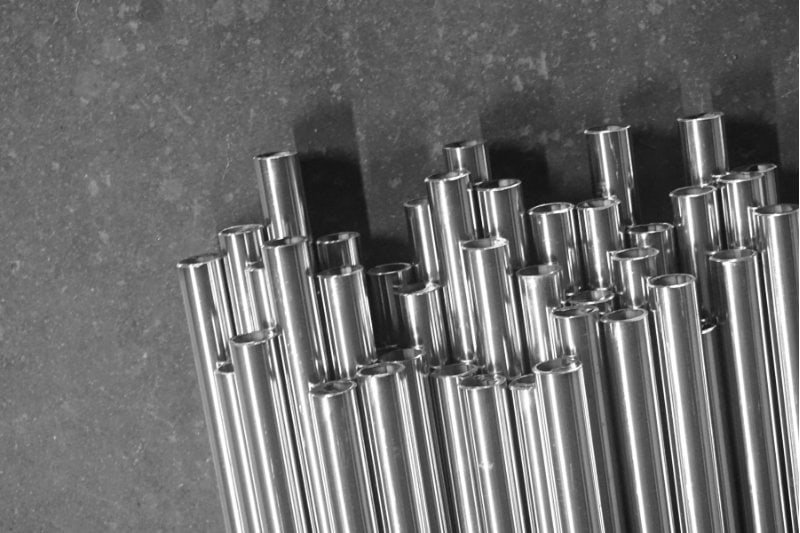
Source: Pennsylvania Steel Company Inc.
The 400 series stainless steel is a group or a family of stainless steels that are categorized by distinctive factors. These stainless steels have chromium content of about 11 to 27 percent, carbon of about 1 percent, and nickel of 2.5 percent.
What these elements mean and what they do for the steel? We’ll discuss below!
NOTE: This family includes both Ferritic and Martensitic steels.
400 Series Stainless Steel Composition, Properties, and Applications
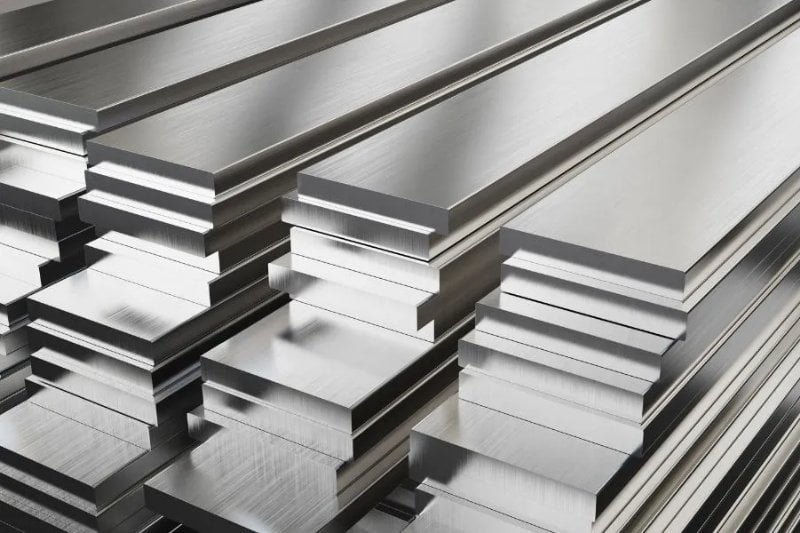
Since the 400 series is a family, it’s going to be challenging to give a specific set of properties. But, the 400 series stainless steel grades are iron-based alloys known for strength, wear resistance, and magnetic behavior.
They usually contain about 11 to 27 percent chromium with higher carbon and little-to-no nickel. That chemistry makes them tougher and more abrasion-resistant than many other stainless types. But, they’re slightly less resistant to rust in harsh environments.
Because of their structure, these steels can be hardened, which boosts strength and durability for mechanical parts. Many grades also handle heat well and resist scaling during high-temperature use. In short, they’re chosen when toughness, hardness, and cost efficiency matter more than maximum corrosion protection.
For you to have a better and more specific understanding of it, here are the different grades of 400 series stainless steels.
Also Read: 303 vs. 304 Stainless Steel: Are They the Same?
400 Series Stainless Steel Grades
The 400 series stainless steels are known for strength, wear resistance, and magnetic properties. So, if you’re interested to learn more about the different grades of the 400 stainless steel family, here they are!
409 Stainless Steel
409 is commonly used where heat resistance matters more than appearance. It handles high temperatures well and resists oxidation, meaning, it’s often found in exhaust systems and automotive components. It’s not the most corrosion-resistant grade, but it performs reliably in mild environments.
Typical uses:
- Exhaust systems and mufflers
- Furnace components
- Heat exchanger tubing
- Structural supports
410 Stainless Steel
Strength is what draws people to 410. Once heat-treated, it becomes hard and wear resistant, yet still machinable enough for production work. It resists mild chemicals and steam, so it fits applications where stress matters more than appearance.
Typical uses:
- Bolts and fasteners
- Pump and valve parts
- Cutlery and tools
- Turbine components
410S Stainless Steel
Yes, 410 and 410S are separate. When you want a grade that has good weldability, 410S is the answer. Its lower carbon content keeps it softer and less prone to cracking during fabrication or heat exposure. So it’s commonly selected for parts that must stay stable during thermal cycling.
Typical uses:
- Heat processing equipment
- Distillation trays
- Petrochemical components
- Structural panels
416 Stainless Steel
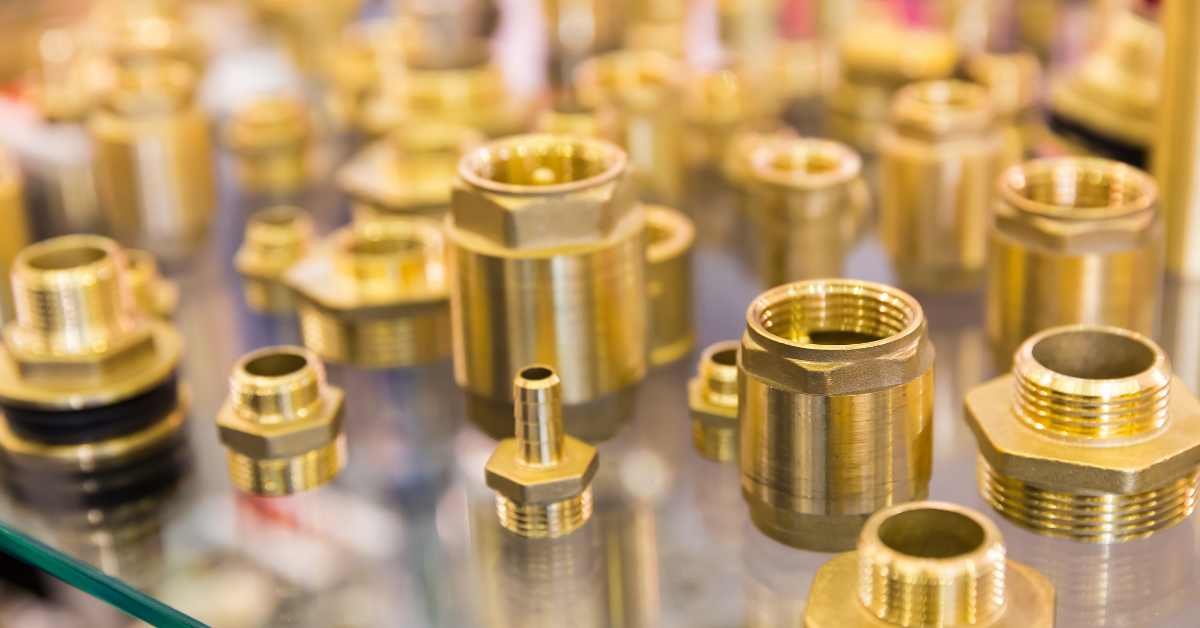
416 stands out for machinability. Sulfur is added to the mix to make it easier to cut and shape, helpinh in high-volume production. Because of that, it’s often used for precision parts like gears, shafts, and fittings where clean machining is critical.
Typical uses:
- Gears and shafts
- Valve components
- Fasteners and studs
- Motor parts
420 Stainless Steel
Need hardness? That’s where 420 stands out. Thanks to its higher carbon content, you can heat-treat it to achieve excellent edge retention and wear resistance. Corrosion resistance is lower than some grades, but its strength makes it valuable for cutting tools.
Typical uses:
- Knife blades
- Surgical instruments
- Shear blades
- Hand tools
430 Stainless Steel
430 is one of the most widely used ferritic stainless steels in the market. It offers good corrosion resistance, decent formability, and a smooth surface finish. You’ll often see it in kitchen equipment, appliances, and decorative trim where appearance matters.
Typical uses:
- Appliance panels
- Automotive trim
- Kitchen equipment
- Decorative hardware
431 Stainless Steel
431 stands out for strength and toughness. It handles high torque and stress better than many stainless grades, especially after heat treatment. Because of that, it’s often used for shafts, aerospace hardware, and structural components.
Typical uses:
- Aircraft fasteners
- Shafts and spindles
- Marine fittings
- Pump components
440 Series Stainless Steel
Moving into higher carbon territory, the 440 grades focus on hardness and wear resistance. Variants like 440A, 440B, and 440C increase in strength as carbon rises. And yes, 440C is especially valued where durability and edge life are critical.
Typical uses:
- Precision bearings
- Knife blades
- Cutting tools
- Measuring instruments
Also Read: Guide to 5 Stainless Steel Types: Properties, Grades & Applications
300 Series vs. 400 Series Stainless Steel
Source: LinkedIn
Both 300 and 400 series stainless steels are almost the same in terms of usage. However, they’re built for different priorities. One focuses on corrosion resistance and flexibility, while the other leans toward strength and hardness.
| Feature | 300 Series Stainless Steel | 400 Series Stainless Steel |
| Structure | Austenitic | Ferritic / Martensitic |
| Main Alloying Elements | Chromium, nickel, molybdenum | Chromium, carbon |
| Magnetism | Usually non-magnetic | Magnetic |
| Corrosion Resistance | Higher overall | Moderate |
| Hardness | Lower, more ductile | Higher, more wear resistant |
| Heat Treatment | Cannot be hardened | Can be hardened |
| Cost | Higher | Lower |
| Strength/Focus | Corrosion resistance | Strength and durability |
In simple terms, 300 series stainless steel works best where corrosion resistance and formability matter most. The 400 series is better suited for applications that need strength, hardness, and wear resistance. The right choice depends less on which is “better” and more on what the job actually demands.
Get the Best 400 Series Stainless Steel From HDC Manufacturing
Knowing about the 400 series stainless steel family is one thing, but getting it is another. There’s no better option to get it from us here at HDC Manufacturing. Our expertise in both the materials and fabrication made us the best choice for all stainless steels.
We can go and help you with CNC milling and turning to investment casting, metal forging, too! If you’re interested to get the best and highest quality of 400 stainless steel without going over budget, we got you! Contact us today and get your free estimate within a few hours!