If you’ve ever asked, what is stainless steel? What’s it made of? Where are they used? Are they different from metal, and many more after that, you’re in the right guide.
For this blog, we’ll be laser-focused in really digging deep into what stainless steel is. After this 3-minute read, you’ll know stainless steel better than anyone else! You’ll understand what’s it made of, its properties, what makes it different, and many more!
What is Stainless Steel?
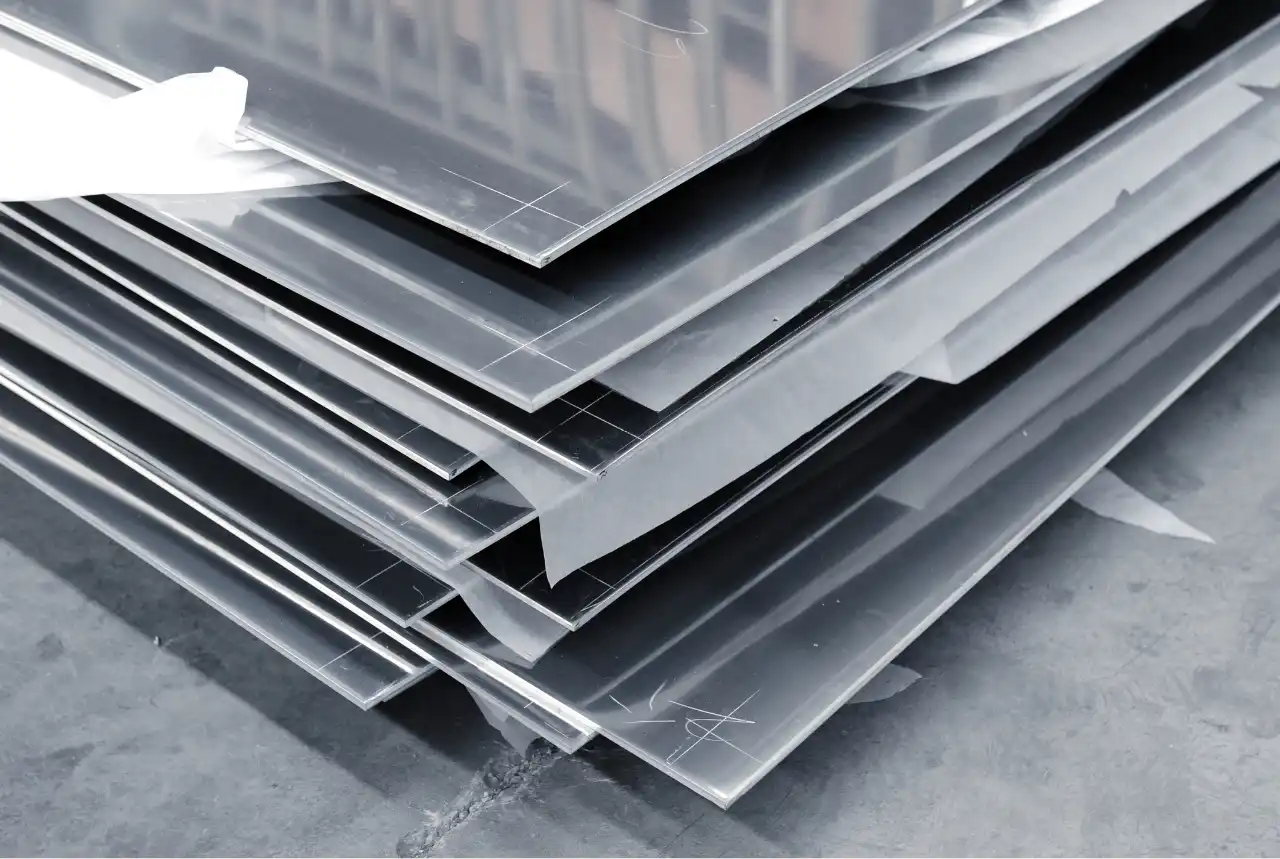
Source: Wiley Metal
Is it a steel? Is it really stainless? I know there are many questions going through your mind right now, and we’re here to finally have answers to them. Stainless steel is an iron-based alloy that contains at least 10.5% chromium; meaning, stainless steel is ferrous.
That chromium is the key. When it’s exposed to air, it forms a thin protective layer on the surface that helps prevent rust and corrosion. And if that layer gets scratched, it naturally repairs itself.
What is Stainless Steel Made Of?
Now, the most common misconception the typical person has about stainless steel is that it’s a single metal. It’s not; it’s actually a carefully and thoroughly balanced combination of elements, playing different roles.
So, here’s a table to help you further understand the inner workings of stainless steel:
| Element | What It Does | Typical Range |
| Iron (Fe) | Forms the base structure of stainless steel | Balance |
| Chromium (Cr) | Creates the protective layer that prevents rust | 10.5% and up |
| Nickel (Ni) | Improves toughness, flexibility, and corrosion resistance | 0–35% |
| Carbon (C) | Adds strength but must stay controlled | ≤ 1.2% |
| Molybdenum (Mo) | Boosts resistance to chlorides and acids | 0–7% |
| Manganese (Mn) | Improves strength and hot workability | 0–11% |
| Nitrogen (N) | Enhances strength and corrosion resistance | Little Amounts |
Also Read: Tin vs. Aluminum: A Fully-Detailed Comparison
Does This Matter?
Yes, absolutely. Try and think of stainless steel like a recipe. Too much of one ingredient changes the result. Chromium helps protect the surface from the chemical changes, Nickel keeps it durable, strong, and tough. Molybdenum, on the other hand, steps in when corrosion gets aggressive, and so on.
This is what makes stainless steel an effective material across many different environments.
Stainless Steel Properties and Characteristics
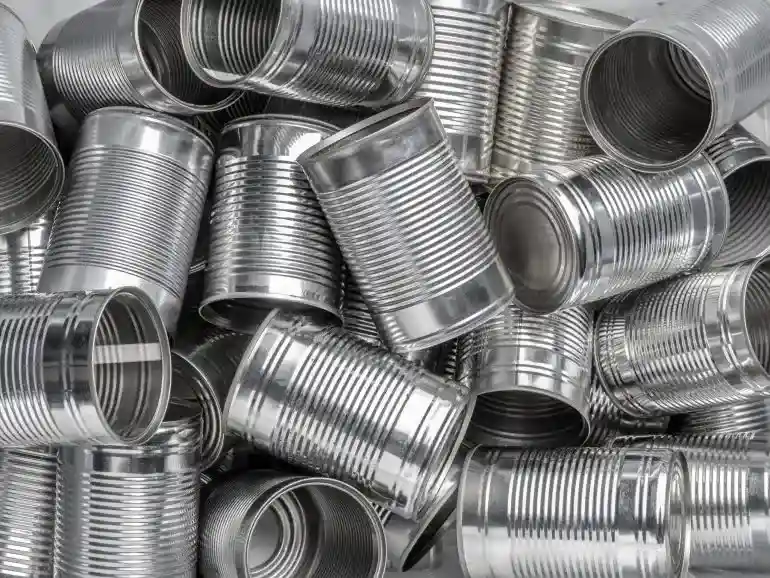
Source: Discovery UK
Stainless steel isn’t popular by accident; its properties make it reliable across many uses in various industries. When you see how these factors work together, why people are using them will start to make a lot more sense.
Strength and Durability
Strength is one of the best and biggest reasons people trust stainless steel. It handles stress well, even over long times. Some grades gain strength when shaped or formed, while others respond to heat treatment. Either way, stainless steel doesn’t fail easily, especially under pressure.
Corrosion Resistance
Next is because of its extremely efficient corrosion resistance. Stainless steel protects itself through chromium as it forms a thin surface layer when exposed to air or moisture. That layer blocks rust and repairs itself if scratched. So even in wet or harsh environments, stainless steel keeps doing its job.
Temperature Resistance
And then there’s temperature. Stainless steel performs well in heat and cold. Certain grades hold their strength at high temperatures, while others stay tough in freezing conditions. This is why it shows up in exhaust systems, heat exchangers, and cold-storage equipment.
Machinability
Here’s where things balance out. Stainless steel is strong, but it’s also flexible. Stainless steel bends, rolls, and forms without cracking. That makes it easier to turn into complex parts, especially in manufacturing and fabrication work.
Read More: 303 vs. 304 Stainless Steel
Weldability
From a shop standpoint, stainless steel is practical. Most grades can be cut, welded, and machined using standard equipment. Welding is predictable when done correctly, which helps keep production moving without surprises.
Conductivity
Now, let’s talk about conductivity. Is stainless steel conductive? Well, stainless steel isn’t known for high electrical/thermal conductivity, especially when compared to materials like aluminum. Low conductivity helps stainless steel handle heat more evenly and reduces energy loss,
So when people ask what is stainless steel, the better question might be why does it work so well? Its properties aren’t flashy, but together, they make stainless steel one of the most dependable materials around.
Are All Stainless Steels Magnetic?
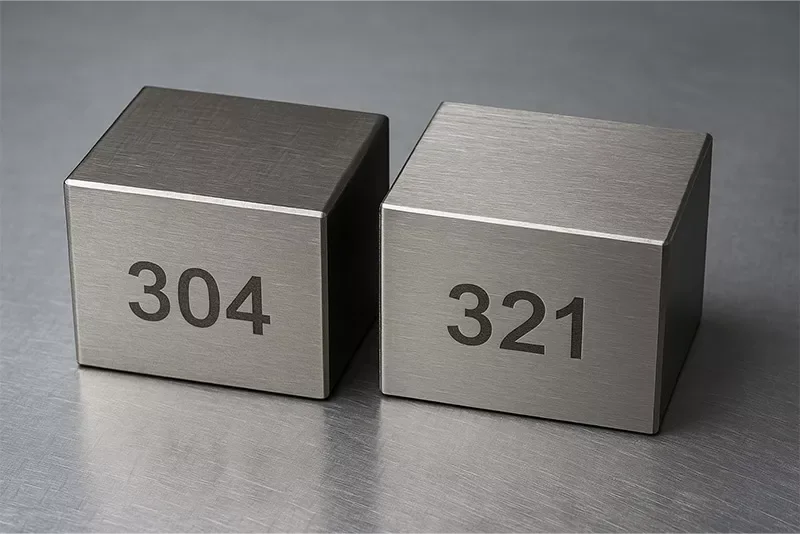
To answer this question, we need to look at the fact that there are quite a few different families of stainless steels. So, not all stainless steels are magnetic. There’s what we call ferritic and martensitic stainless steels. They’re typically magnetic, and duplex grades also attract a magnet.
Austenitic grades, like 304 and 316 grades, on the other hand, are usually non-magnetic in the annealed state. They can, however, become slightly magnetic after being cold worked as it shifts some of the structure into the magnetic phase.
Altering Stainless Steel: Can You Anodize Stainless Steel?
Generally speaking, no, stainless steel can’t be anodized. The reason is because the process, the chemicals, and the overall scenarios in which anodizing is involved can either corrode or dissolve stainless steel.
But can stainless steel be painted? The short answer is yes. You can change stainless steel’s color by painting them. This, however, needs to be done professionally and must be carefully prepared or
What are the Applications of Stainless Steel?
Stainless steel is used across many industries because it’s durable, corrosion-resistant, and easy to maintain. It performs well in both everyday settings and demanding environments, which is why it continues to be a go-to material for manufacturers and builders.
You’ll commonly see stainless steel used in:
- Cookware and kitchen equipment
- Food and beverage processing
- Medical and healthcare equipment
- Construction and architectural applications
- Marine and offshore systems
- Automotive components
- Industrial and chemical processing equipment
Stainless Steel vs. Steel: Are They the Same?
Source: Lead RP
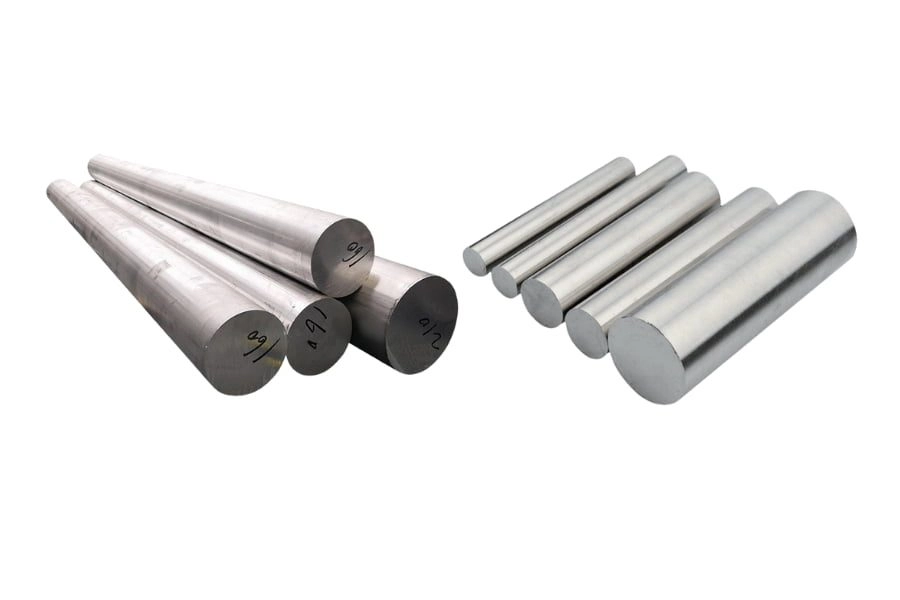
The quick answer to it is no, they’re not the same. Steel, which is often carbon steel or mild steel (depending on where you are), is an iron-based alloy that’s usually just made up of iron and carbon, nothing else. That said, it’s like a foundational material where other alloys can be made from.
Stainless steel, on the other hand, is an alloy that has a minimum of 10.5% chromium, making it more resistant to rust compared to regular steel. You can think of it as steel being the fundamental material for stainless steel.
FAQs About Stainless Steel
Other than the usual questions about stainless steel, there are some frequently asked questions about it, and knowing them can help a lot!
Does Stainless Steel Rust?
Like many other alloys, stainless steel can rust if they are exposed long enough to seawater or damaging chemicals. Although they’re highly resistant to corrosion, they’re not indestructible.
Do Magnets Stick to Stainless Steel?
Another common question is, will a magnet stick to stainless steel? Are stainless steels magnetic? The short and is easy answer is it depends.
Some stainless steels are magnetic, take ferritic stainless steels, for instance, are ferromagnetic. Meaning, magnets can stick to it. On the other hand, most classifications of stainless steels have weak magnetism, while some are completely not magnetic.
How is Stainless Steel Made?
Stainless steel is made by melting iron together with chromium and other elements like nickel or molybdenum. The molten mixture is refined to remove impurities, then cast into solid shapes such as slabs or billets.
Those solid pieces are rolled, shaped, and heat treated to improve strength and structure. Finally, the surface is cleaned and finished so the protective layer can form, giving stainless steel its corrosion resistance.
Get the Best Stainless Steel in the Market Today!
If you’re wondering what stainless steel is and you’re looking for the best version of it, you won’t be disappointed in working with us here at HDC Manufacturing! Our business has been all over metal over the decades!
Whether you need stainless steels, aluminums, or even copper, we got just what you need! Contact us today and get a free quote!