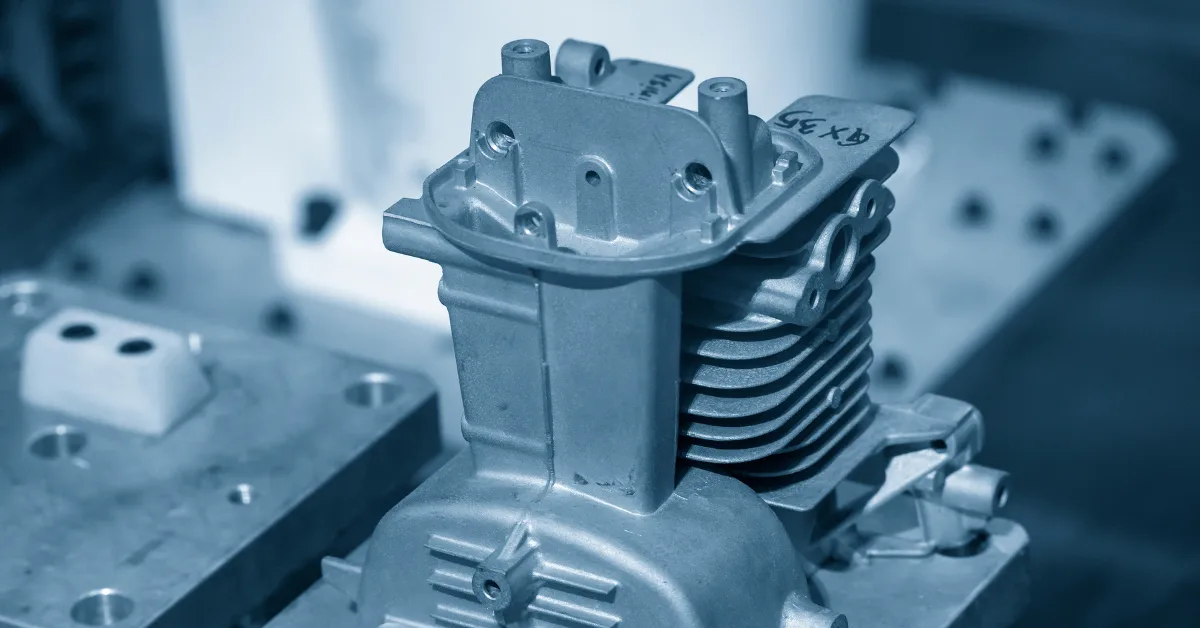
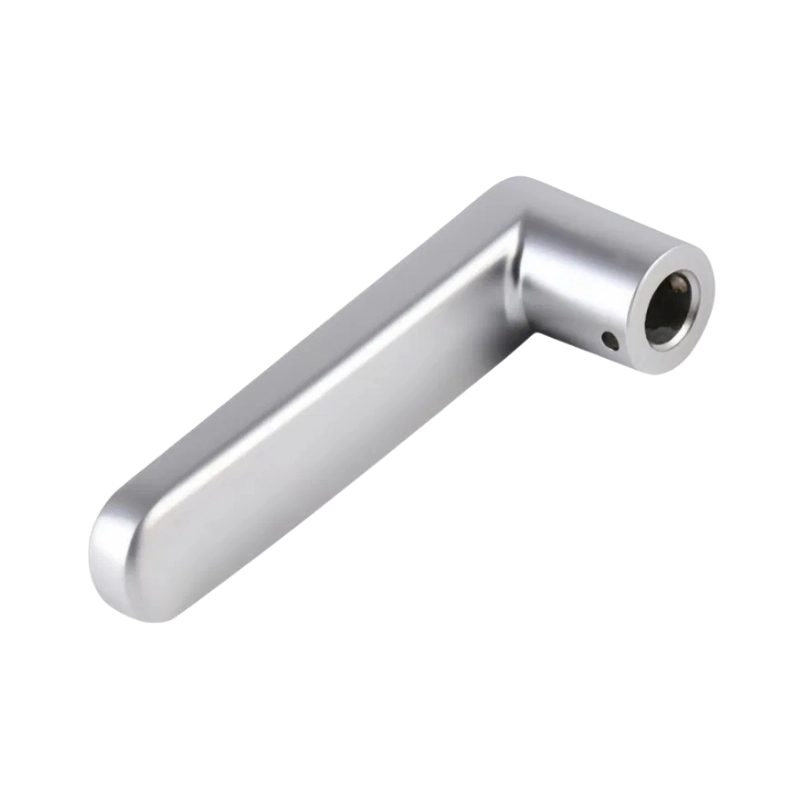
При изучении современных производственных процессов чаще всего встречается метод вакуумного литья. Это один из самых надежных способов изготовления качественных прототипов и деталей малого масштаба без чрезмерных затрат.
Проще говоря, вакуумное литье используется для изготовления детализированных изделий из пластика или резины под воздействием вакуумного давления с помощью пресс-формы. Это позволяет добиться гладкой поверхности, точных форм и быстрых результатов. Именно поэтому большинство отраслей промышленности будут применять этот метод в разработке и тестировании продукции в 2026 году.
В этом руководстве вы все узнаете шаг за шагом. Вы изучите механизмы процесса, возможные его типы, области применения и случаи, когда его необходимо использовать.
Что представляет собой процесс вакуумного литья?
Технология вакуумного литья — это производственный процесс, при котором жидкий материал (обычно смола) заливается в форму. силиконовая форма в условиях вакуума.
Пузырьки воздуха удаляются с помощью вакуума. Это помогает получить:
- Гладкие поверхности
- Высокая точность
- Мощные и целостные разделы
Вакуумное литье В отличие от традиционного литья, этот метод больше ориентирован на мелкосерийное производство. Он идеально подходит, когда требуется изготовить от 10 до 100 деталей в короткие сроки.
Он используется во многих отраслях промышленности, в частности, в следующих:
- Автомобильный
- Медицинский
- Электроника
- Аэрокосмическая промышленность
Это можно рассматривать как нечто среднее между 3D-печатью и массовым производством.
Как работает процесс вакуумного литья? (Пошаговое руководство)
Шаг 1: Создание мастер-модели
Для начала вам потребуется эталонная модель, и это должна быть оригинальная модель вашего продукта.
Оно может состоять из:
- 3D-печать (прототипирование — это быстро и недорого)
- ЧПУ обработка (более точный и износостойкий)
Это решающий шаг, поскольку он
- Все литые детали будут воспроизводить этот дизайн.
- Любые незначительные ошибки повторятся повсюду.
Передовая практика:
Убедитесь, что поверхность мастер-модели гладкая и отполированная. Чем больше у вас мастер-моделей, тем лучше будет конечный результат.
Шаг 2: Изготовление силиконовой формы
Затем вы помещаете мастер-модель в литейный ящик и заливаете на нее жидкий силиконовый каучук.
Затем:
- Силикон покроет все детали модели.
- Для затвердевания (твердения) требуется несколько часов.
После отвердевания:
- В результате получается гибкая и прочная форма.
- Форма позволяет создавать тонкие текстуры и острые края, которые также сохраняются.
Почему именно силикон?
Благодаря своей гибкости, термостойкости и легкости удаления без повреждения детали.
Шаг 3: Резка и подготовка формы
После полного затвердевания силиконовой формы:
- Вы осторожно открыли его лезвием.
- Удалите основную модель.
Теперь у вас есть:
- Пустое отверстие, имеющее именно ту форму, которую вы хотите.
- Готовая к отливке многоразовая форма.
Важный совет:
Линия резки должна быть выполнена качественно, чтобы обеспечить чистоту и возможность удаления конечных частей.
Шаг 4: Смешивание смолы
Теперь настало время подготовить литейный материал.
Жидкую смолу смешивают с:
- Красители (для соответствия цвету изделия)
- Добавка (для повышения прочности, гибкости или термостойкости)
Вы также можете внести изменения:
- Прозрачность
- Уровень твердости
- Чистота поверхности
Пример:
Вы можете изготовить деталь так, чтобы она выглядела как АБС-пластик или ощущалась как резина.
Шаг 5: Вакуумное литье
Это основная часть процесса.
- Силиконовая форма помещается в вакуумную камеру.
- В камере полностью удаляется кислород.
- В форму заливается жидкая смола.
Из-за вакуума:
- Пузырьки воздуха исчезают.
- Каждая деталь заполнена смолой.
- Последний раздел более точный и связный.
Результат:
Вы получаете высококачественные детали без дефектов.
Шаг 6: Процесс отверждения
После заполнения формы:
- Его помещают в печь при регулируемой температуре.
- Смола равномерно затвердевает под воздействием тепла.
Время, необходимое для полного излечения, зависит от следующих факторов:
- Тип материала
- Толщина детали
- Желаемая сила
Почему лечение важно:
Процесс отвердевания повышает прочность, стабильность формы и качество поверхности.
Шаг 7: Извлечение из формы и отделка.
Окончательно:
- Вы открываете форму и извлекаете деталь.
- Удалите ненужный материал (так называемый «обрезок»).
Используйте следующие методы отделки:
- Полировка
- Рисование
- Шлифовка
Ваш продукт готов к использованию или тестированию.
Виды вакуумного литья
Существует несколько разновидностей вакуумного литья, и каждая из них отвечает различным требованиям.
Вакуумное литье полиуретана
Это наиболее распространенный метод.
Он изготовлен из полиуретановой смолы и может имитировать такие свойства, как...
- Твердый пластик
- Мягкая резина
Лучше всего подходит для:
- Функциональные прототипы
- Тестирование продукта
- Мелкосерийное производство
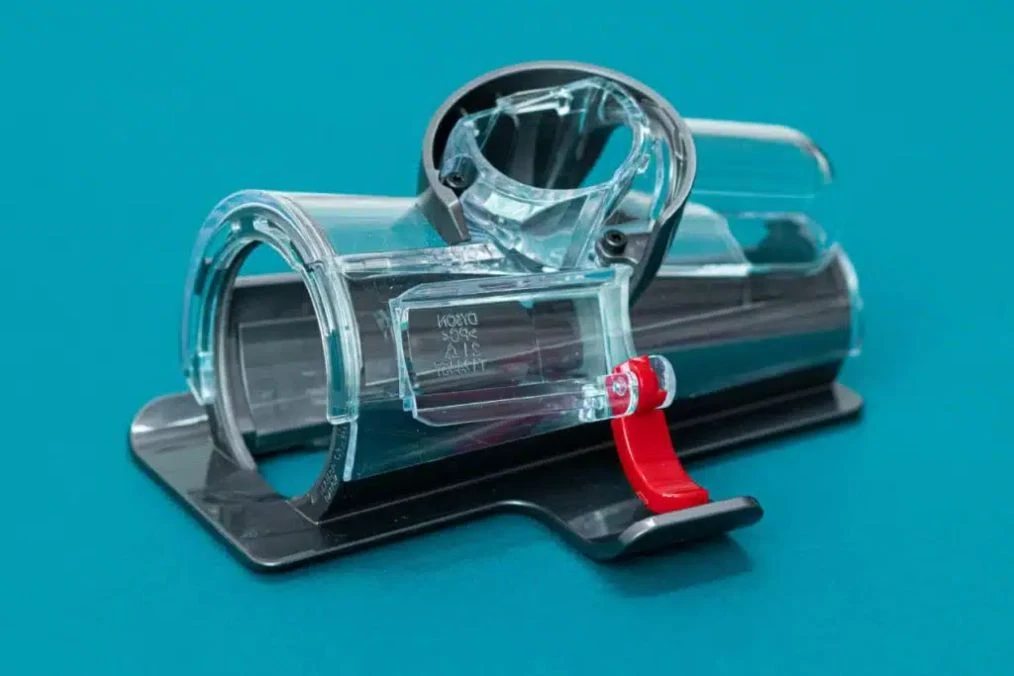
Вакуумное литье в силиконовые формы
Данный подход касается многократного изготовления изделий с использованием силиконовых форм.
Основные преимущества:
- Легко изготавливаемые формы.
- Гибкий и прочный.
- Можно использовать повторно 15-25 раз.
Лучше всего подходит для:
- Небольшие производственные циклы.
- Проверка проектных решений.
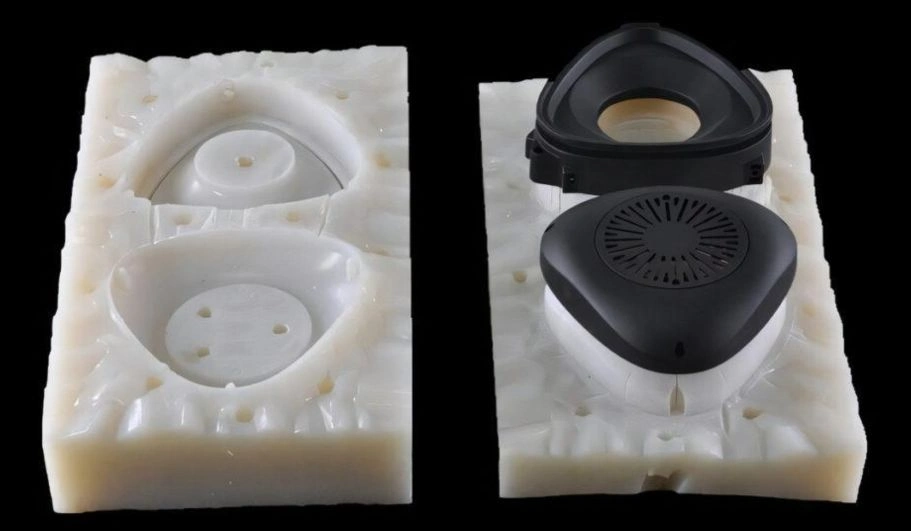
Вакуумное литье металла
Это технология литья, при которой используются вакуумные условия.
Используется для:
- Прочные промышленные детали.
- Механические компоненты
- Высокопроизводительные приложения.
Примечание:
Это более сложный и дорогостоящий процесс, чем литье из смолы.
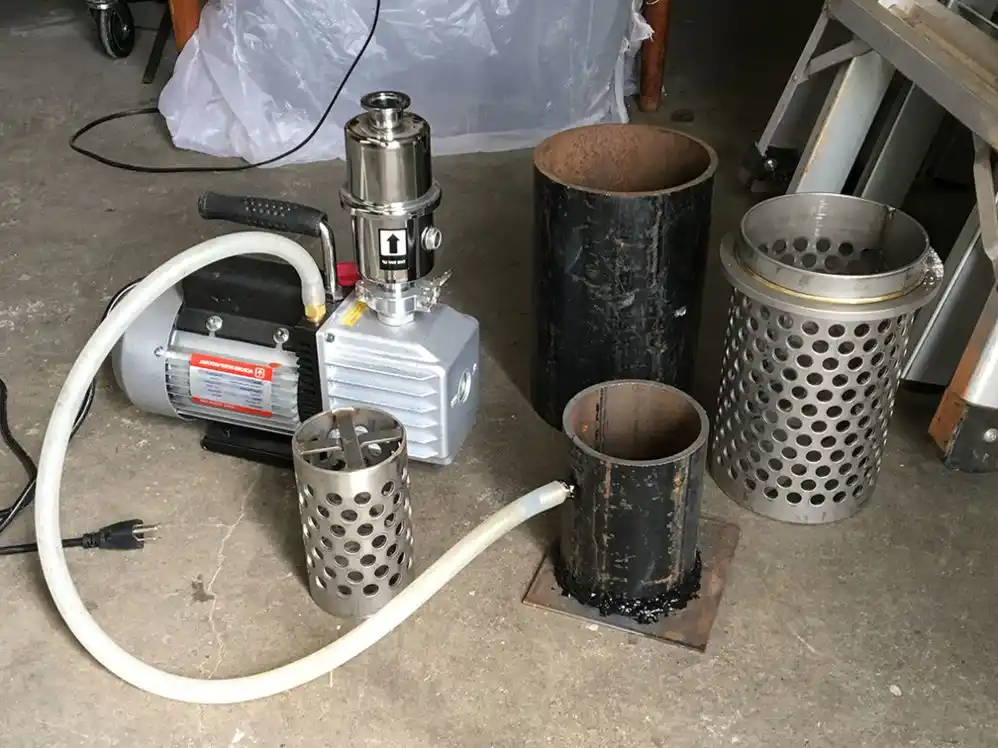
Прозрачное вакуумное литье
В результате получаются прозрачные или полупрозрачные компоненты.
Распространенные области применения:
- Линзы
- Светодиодные крышки
- Дисплейные панели.
Преимущество:
Пластиковые материалы обладают прозрачностью, сравнимой со стеклом.
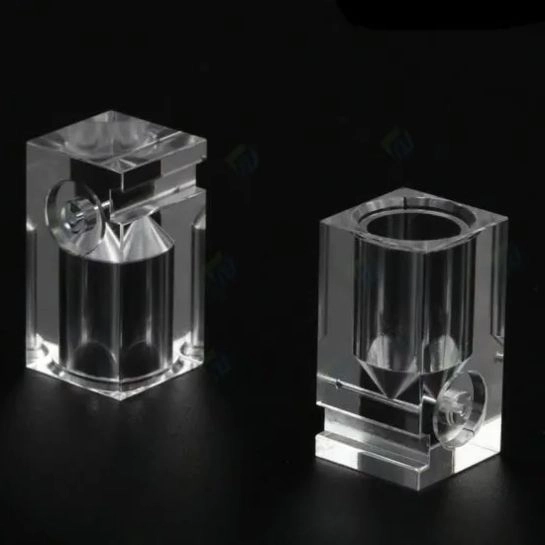
Применение вакуумного литья в различных отраслях промышленности
Вакуумное литье Эта технология находит широкое применение, поскольку помогает предприятиям изготавливать точные, экономически эффективные и функциональные детали в сжатые сроки, а также тестировать и проверять конструкции и осуществлять мелкосерийное производство.
Автомобильная промышленность
Вакуумное литье также является популярным методом в автомобильной промышленности для разработки и тестирования деталей автомобилей перед массовым производством.
- Детально проработанные формы и реалистичная отделка элементов приборной панели.
- Внутренние элементы, такие как отделка, панели, ручки и крышки.
- Протестируйте прототип для проверки соответствия размерам, прочности и общей функциональности конструкции.
Медицинская промышленность
Вакуумное литье используется в медицине для разработки точных и безопасных прототипов оборудования и учебных материалов.
- Кейсы для медицинского оборудования.
- Хирургические модели для обучения и планирования процедур.
- Проверяйте компоненты оборудования, чтобы убедиться в их точности и безопасности.
Бытовая электроника
В электронике этот метод широко применяется для создания реалистичных моделей изделий и последующего производства готовой продукции.
- Литье и изготовление чехлов для телефонов с гладкой поверхностью.
- Примеры использования интеллектуальных устройств и электроники.
- Разработка прототипов и пользовательских прототипов продукции.
Аэрокосмическая промышленность
Вакуумное литье применяется в аэрокосмической промышленности для разработки высокоточных и легких компонентов.
- Первые испытания конструктивных элементов, отличающихся малым весом.
- Точные компоненты при проверке конструкции и оценке производительности.
Промышленное оборудование
Вакуумное литье также играет важную роль в обрабатывающей промышленности при проектировании, создании прототипов и мелкосерийном производстве.
- Протестируйте прототипы машин, чтобы проверить их функциональность.
- Детали машин для мелкосерийного производства и проверки качества.
Материалы, используемые в вакуумном литье
На эксплуатационные характеристики, прочность и внешний вид напрямую влияет выбранный вами материал.
- АБС: Как и смолы
Мощный, ударопрочный и популярный.
- Резина: материалы, похожие на резину.
В качестве уплотнений или захватов можно использовать гибкие и эластичные материалы.
- Прозрачные смолы
Четкие и гладкие визуальные элементы.
- Термостойкие материалы
Подходит для использования в условиях высоких температур.
Важный совет:
Вы можете выбрать материалы, аналогичные тем, которые используются в реальном производстве пластмасс, что помогает проводить соответствующее тестирование продукции.
Вакуумное литье против других методов производства
Ниже приведена базовая сравнительная таблица, которая позволит вам определить, когда следует использовать технологию вакуумного литья, и сравнить ее с другими технологиями производства, такими как литье по выплавляемым моделям с вакуумным литьем.
| Особенность | Вакуумное литье (из смолы) | Вакуумное литье по выплавляемым моделям | Литье под давлением | 3D-печать | Обработка с ЧПУ |
| Лучше всего подходит для | Небольшие партии пластика | Высокоточные металлические детали | Массовое производство | Отдельные прототипы | Прецизионные металлические детали |
| Тип материала | Пластик / Смола | Металл (сталь, алюминий, сплавы) | Пластик | Пластиковая смола | Металл / Пластик |
| Расходы | Низкие затраты на настройку | От среднего до высокого | Высокая стоимость оснастки | Низкий | От среднего до высокого |
| Скорость | Пост (дни) | Занимает больше времени (из-за нескольких этапов). | Очень низкие затраты на настройку, очень быстрое производство. | Очень быстро | Умеренный |
| Чистота поверхности | Плавный и детальный | Превосходно и очень хорошо | Отличный | От умеренного до грубого | Отличный |
| Точность | Высокая | Чрезвычайно высокие (жесткие допуски) | Очень высокий | Умеренный | Очень высокий |
| Объем производства | Низкий (10-100) | От низкого до среднего | Очень высокий | Очень низкий | От низкого до среднего |
| Требования к инструментарию | Силиконовые формы | Восковые модели + керамические отливки | Стальные формы | Без инструментов | Никакие формы (режущие инструменты не использовались) |
| Сложные формы | Хороший | Очень сложные металлические детали (отлично) | Ограниченный | Хороший | Умеренный |
| Типичный сценарий использования | Прототипы и тестирование | Металлические детали автомобилей, аэрокосмической отрасли | Массовое производство потребительских товаров | Концептуальные модели | Инженерные компоненты |
Преимущества и недостатки процесса вакуумного литья
Для упрощения вопроса, в следующей таблице приведено наглядное сравнение.
| Преимущества | Недостатки |
| Исключительная точность и изящество. | Срок службы плесени короткий (15-25 использований). |
| Профессиональная отделка поверхностей. | Не подходит для крупномасштабного производства. |
| Экономичен при использовании в небольших количествах. | Выбор материалов минимален. |
| Быстрое производство по сравнению с использованием оснастки. | Ограничения по размерам очень крупных деталей. |
| Идеально подходит для прототипирования и тестирования. | Ручные операции могут нарушить согласованность результатов. |
Процесс вакуумного литья в разработке продукции
Вакуумное литье — важный шаг на пути к воплощению идеи в реальный продукт. Для понимания процесса можно использовать следующий простой алгоритм:
Идея → 3D-проектирование → 3D-печать → Вакуумное литье → Тестирование → Серийное производство
- Идея: Вы начинаете с идеи для концепции или продукта.
- 3D-проектирование: форма и характеристики определяются инженерами в цифровой модели с помощью программного обеспечения CAD.
- 3D-печать: Для начала необходимо оценить мастер-модель.
- Вакуумное литье: силиконовые формы используются для изготовления множества копий, их тестирования и проверки.
- Тестирование: Вы подвергаете изделие испытаниям на соответствие размерам, функциональность, долговечность и внешний вид.
- Серийное производство: После прохождения всех необходимых согласований вы переходите к крупномасштабному производству, например, к литью под давлением.
Применение вакуумного литья в 2026 году
Применение вакуумного литья продолжает расширяться.
Вы можете использовать его для:
- Быстрое прототипирование
- Тестирование продукта
- Концептуальные модели
- Мелкосерийное производство
- Детали для функционального тестирования
Это поможет вам опробовать свою концепцию, не вкладывая средства в крупномасштабное производство.
Сколько времени занимает процесс вакуумного литья?
Считается, что вакуумное литье — это более быстрый процесс по сравнению с традиционными технологиями производства.
Тем не менее, общее время выполнения зависит от сложности конструкции, выбора материалов и их количества.
Изготовление формы: от 1 до 3 дней
Это включает в себя изготовление мастер-модели и создание силиконовой формы. В случае сложного дизайна для достижения точности может потребоваться немного больше времени.
Кастинг: Несколько часов
После подготовки формы сам процесс литья проходит очень быстро. Смола заливается в вакууме, и несколько компонентов могут быть изготовлены за один день.
Завершение: 1-2 дня
Детали отливаются, а затем обрабатываются, полируются или окрашиваются. Время изготовления зависит от требуемого качества поверхности.
Общий:
Вакуумное литье — это быстрое решение, которое можно выполнить за 3–7 дней, и большинство проектов по вакуумному литью подходят для прототипирования и мелкосерийного производства.
Стоимость вакуумного литья
Цена будет определяться на основе:
- Сложность конструкции.
- Используемый материал
- Количество деталей.
Общая идея
- Стоимость пресс-формы: низкая.
- По себестоимости единицы продукции: умеренная.
Это гораздо дешевле, чем литье под давлением небольших партий.
Советы для достижения наилучших результатов
Для достижения высоких результатов рекомендуется следовать этим советам:
- Сделайте свой дизайн минималистичным.
- Избегайте острых углов.
- Выберите подходящие материалы.
- Сотрудничайте с опытными производителями.
- Предварительные испытания перед полномасштабным производством.
Тенденции развития вакуумного литья в будущем (с 2026 года)
Технология вакуумного литья совершенствуется с каждым годом.
Ключевые тенденции:
- Сочетание с 3D-печатью.
- Передовые материалы.
- Более быстрые производственные системы
- Улучшенная автоматизация
В будущем это станет более доступным и эффективным.
Вывод
Это четкое понимание процесса вакуумного литья, его типов, этапов, применения и областей использования. Это одно из наиболее подходящих решений в ситуациях, когда требуются высококачественные прототипы или даже мелкосерийное производство с низкими затратами. Вакуумное литье — разумный выбор, когда необходимы точность, скорость и универсальность.
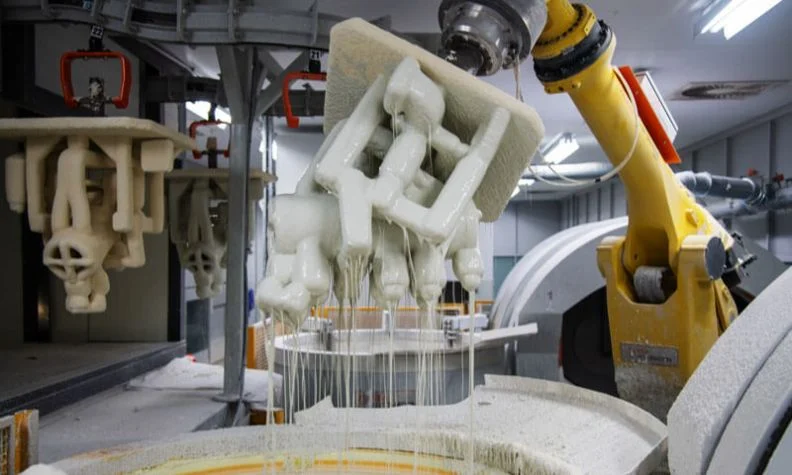
В компании HDC Manufacturing мы предлагаем высококачественные вакуумные системы. услуги по подбору актеров В рамках нашей передовой технологии литья, включающей литье по выплавляемым моделям, мы специализируемся на качестве, точности и скорости выполнения ваших проектов. Если вам нужна профессиональная помощь, вы можете ознакомиться с нашей продукцией здесь: https://hdcmfg.com/product/casting/ Свяжитесь с нами сегодня. Мы поможем вам воплотить ваши идеи в реальность в виде готовой продукции.
Часто задаваемые вопросы
Для чего в основном используется вакуумное литье?
В основном он используется для прототипирования и мелкосерийного производства деталей из пластика или резины.
Дорого ли будет вакуумное литье в 2026 году?
Нет, при мелкосерийном производстве это дешевле, чем литье под давлением.
Сколько времени занимает вакуумное литье?
На выполнение большинства проектов требуется от нескольких дней до пары недель, в зависимости от сложности.
Какие материалы можно использовать при вакуумном литье?
Для этих целей могут использоваться полиуретановые смолы, резиноподобные материалы и прозрачные пластмассы.
Подходит ли вакуумное литье для массового производства?
Нет, он не подходит для крупномасштабного производства, а только для небольших партий.