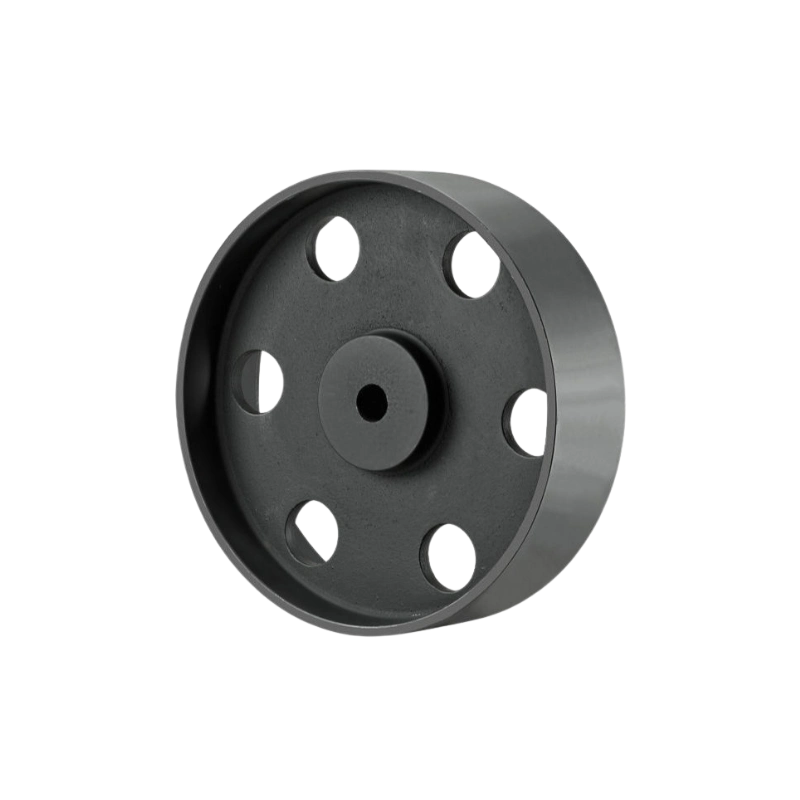
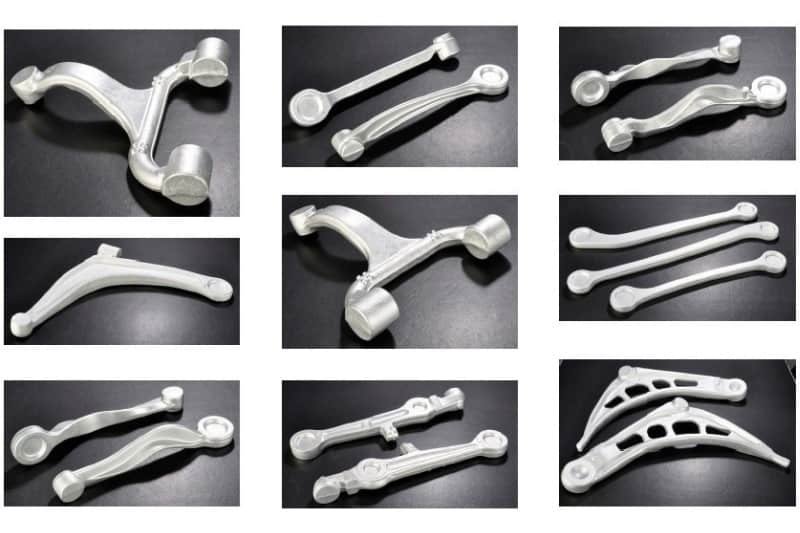
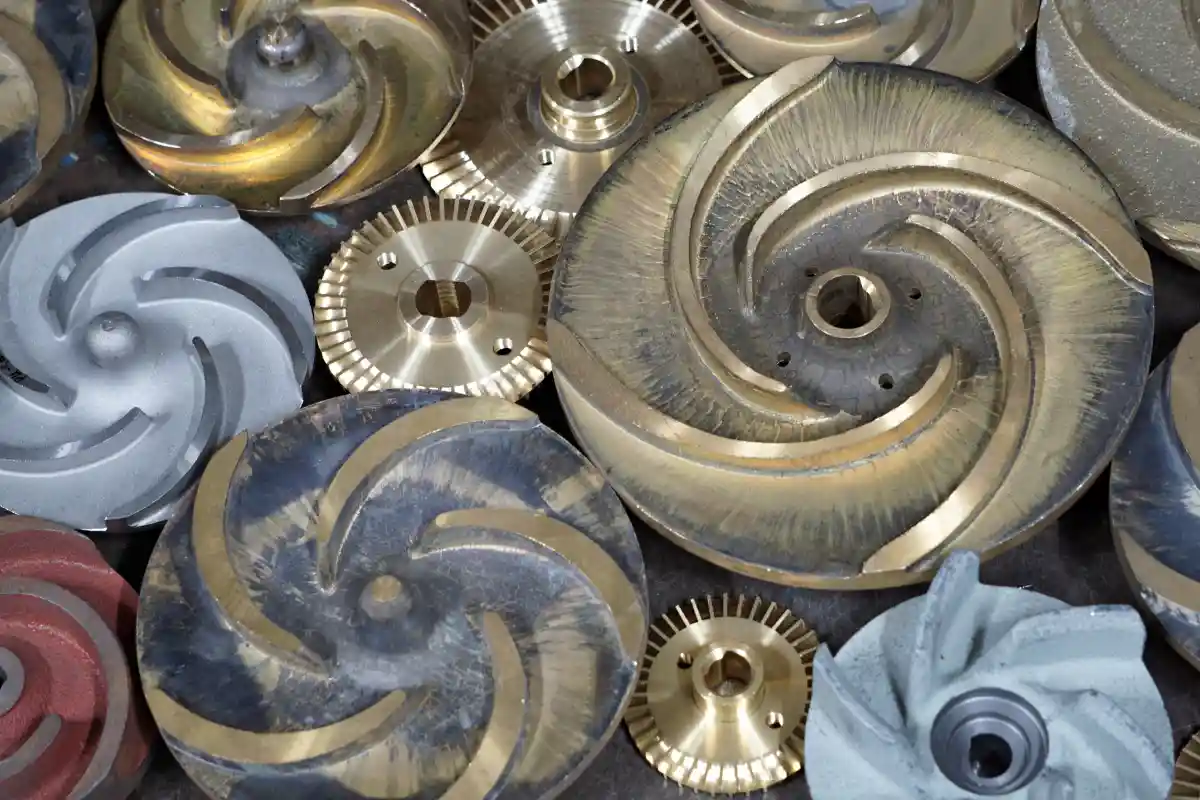
Bei der Recherche zu modernen Fertigungsverfahren stößt man am häufigsten auf das Vakuumgießverfahren. Es zählt zu den zuverlässigsten Methoden, um qualitativ hochwertige Prototypen und Kleinteile kostengünstig herzustellen.
Vereinfacht ausgedrückt, dient das Vakuumgießen der Herstellung detaillierter Kunststoff- oder Gummiteile mithilfe einer Form unter Vakuumdruck. Man erzielt glatte Oberflächen, präzise Formen und schnelle Ergebnisse. Aus diesem Grund wird es in den meisten Branchen ab 2026 für Produktentwicklung und -prüfung eingesetzt.
In diesem Leitfaden erfahren Sie alles Schritt für Schritt. Sie lernen die Mechanismen des Prozesses, die verschiedenen Arten, seine Anwendungsbereiche und wann er eingesetzt werden muss.
Was ist das Vakuumgießverfahren?
Das Vakuumgießverfahren ist ein Produktionsverfahren, bei dem flüssiges Material (typischerweise Harz) in eine Form gegossen wird. Silikonform unter Vakuumbedingungen.
Luftblasen werden durch das Vakuum entfernt. Dadurch erhalten Sie Folgendes:
- Glatte Oberflächen
- Hohe Präzision
- Kraftvolle und zusammenhängende Abschnitte
Vakuumgießen Im Gegensatz zum traditionellen Gießen eignet es sich eher für die Kleinserienfertigung. Es ist ideal, wenn Sie innerhalb kurzer Zeit 10 bis 100 Teile benötigen.
Es findet in vielen Branchen Verwendung und wird unter anderem in folgenden Bereichen eingesetzt:
- Automobil
- Medizinisch
- Elektronik
- Luft- und Raumfahrt
Man kann es als Mittelweg zwischen 3D-Druck und Massenproduktion betrachten.
Wie funktioniert das Vakuumgießverfahren? (Schritt-für-Schritt-Anleitung)
Schritt 1: Erstellung des Mastermodells
Zunächst benötigen Sie ein Mastermodell, und zwar das Originalmodell Ihres Produkts.
Es kann sich zusammensetzen aus:
- 3D-Druck (Prototypenerstellung ist schnell und kostengünstig)
- CNC-Bearbeitung (präziser und strapazierfähiger)
Dies ist ein entscheidender Schritt, denn
- Alle Formteile werden diesem Design entsprechen.
- Auch kleinste Fehler werden überall wiederholt.
Bewährte Vorgehensweise:
Achten Sie darauf, dass die Oberfläche des Urmodells glatt und poliert ist. Je mehr Urmodelle Sie haben, desto besser wird das Endprodukt.
Schritt 2: Herstellung der Silikonform
Anschließend wird das Urmodell in eine Gießform eingesetzt und flüssiges Silikonkautschuk auf das Modell gegossen.
Dann:
- Das Silikon wird sich über alle Details des Modells erstrecken.
- Das Aushärten benötigt mehrere Stunden.
Nach dem Aushärten:
- Man erhält eine flexible und robuste Form.
- Die Form erzeugt feine Texturen und scharfe Kanten, die ebenfalls erfasst werden.
Warum Silikon?
Aufgrund seiner Flexibilität, seiner Hitzebeständigkeit und der einfachen Entfernbarkeit ohne Beschädigung des Bauteils.
Schritt 3: Formenschneiden & Vorbereiten
Nachdem die Silikonform vollständig ausgehärtet ist:
- Du hast es vorsichtig mit einer Klinge geöffnet.
- Das Mastermodell löschen.
Nun haben Sie:
- Ein leeres Loch, das genau die gewünschte Form hat.
- Eine sofort einsatzbereite, wiederverwendbare Gussform.
Wichtiger Tipp:
Der Schnitt sollte sauber ausgeführt werden, damit die Endteile sauber sind und entfernt werden können.
Schritt 4: Harz mischen
Nun ist es an der Zeit, das Gießmaterial vorzubereiten.
Man mischt flüssiges Harz mit:
- Farbstoffe (um die Produktfarbe anzupassen)
- Zusatzstoffe (Festigkeit, Flexibilität oder Hitzebeständigkeit)
Sie können auch Änderungen vornehmen:
- Transparenz
- Härtegrad
- Oberflächenveredlung
Beispiel:
Man kann ein Bauteil so gestalten, dass es wie ABS-Kunststoff aussieht oder sich wie Gummi anfühlt.
Schritt 5: Vakuumgießen
Dies ist der Hauptteil des Prozesses.
- Die Silikonform wird in eine Vakuumkammer gegeben.
- Sauerstoff wird in der Kammer vollständig entfernt.
- Flüssiges Harz wird in die Form gegossen.
Aufgrund des Vakuums:
- Die Luftblasen verschwinden.
- Jedes Detail ist mit Harz ausgefüllt.
- Der letzte Abschnitt ist präziser und flüssiger.
Ergebnis:
Sie erhalten fehlerfreie Teile von hoher Qualität.
Schritt 6: Aushärtungsprozess
Sobald die Form gefüllt ist:
- Es wird in einen Ofen bei regulierter Temperatur gestellt.
- Das Harz verfestigt sich mithilfe von Wärme gleichmäßig.
Die Heilungsdauer richtet sich nach folgenden Faktoren:
- Materialart
- Bauteildicke
- Gewünschte Stärke
Warum Heilung wichtig ist:
Durch die Aushärtung werden Haltbarkeit, Formstabilität und Oberflächenqualität verbessert.
Schritt 7: Entformen & Endbearbeitung
Endlich:
- Man öffnet die Form und nimmt das Teil heraus.
- Überflüssiges Material (sogenannter Überschuss) entfernen.
Verwenden Sie Oberflächenbehandlungstechniken wie die folgenden:
- Polieren
- Malerei
- Schleifen
Ihr Produkt ist nun für die Verwendung oder zum Testen bereit.
Arten des Vakuumgießens
Vakuumgießen gibt es in verschiedenen Ausführungen, die jeweils unterschiedlichen Anforderungen gerecht werden.
Polyurethan-Vakuumguss
Dies ist die gebräuchlichste Methode.
Es besteht aus Polyurethanharz und kann Eigenschaften wie diese imitieren
- Hartplastik
- Weichgummi
Ideal für:
- Funktionale Prototypen
- Produkttests
- Kleinserienproduktion
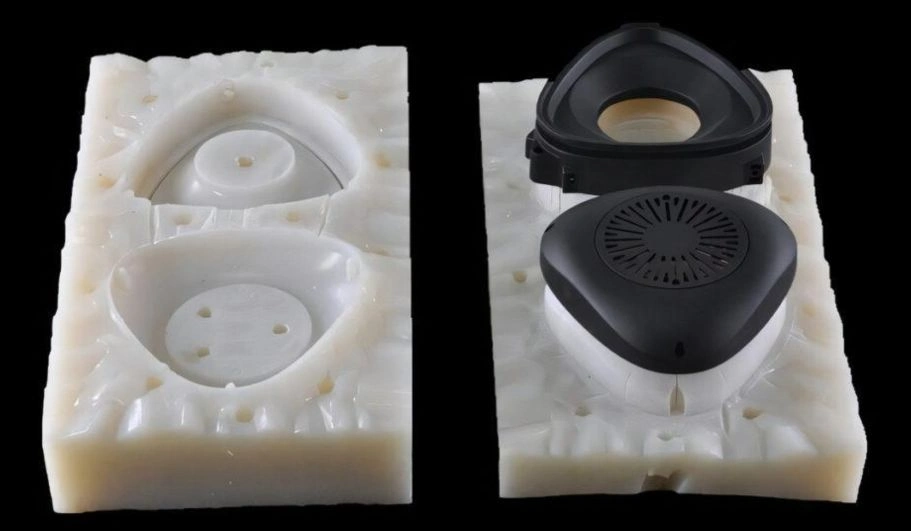
Silikonform-Vakuumguss
Dieser Ansatz befasst sich mit der Serienfertigung mittels Silikonformen.
Hauptvorteile:
- Einfach herzustellende Formen.
- Flexibel und langlebig.
- Kann 15-25 Mal wiederverwendet werden.
Ideal für:
- Kleine Produktionsserien.
- Designvalidierung.
Metall-Vakuumguss
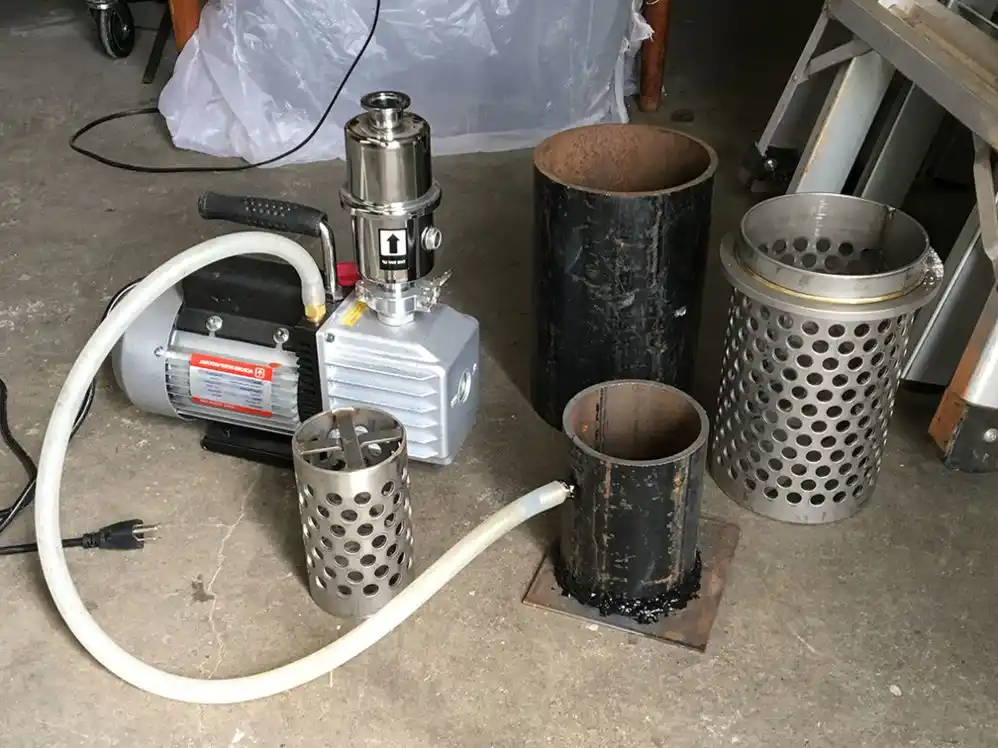
Dies ist ein Gießverfahren, bei dem Vakuumbedingungen angewendet werden.
Verwendungszweck:
- Robuste Industrieteile.
- Mechanische Komponenten
- Hochleistungsanwendungen.
Notiz:
Es ist komplizierter und kostspieliger als Harzguss.
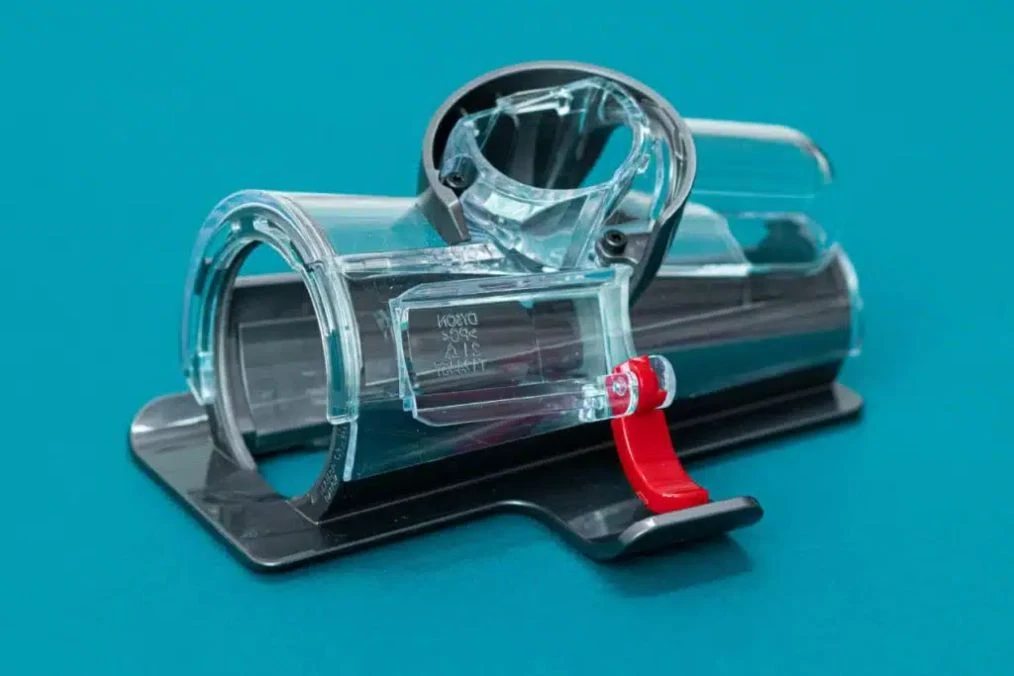
Transparente Vakuumgießerei
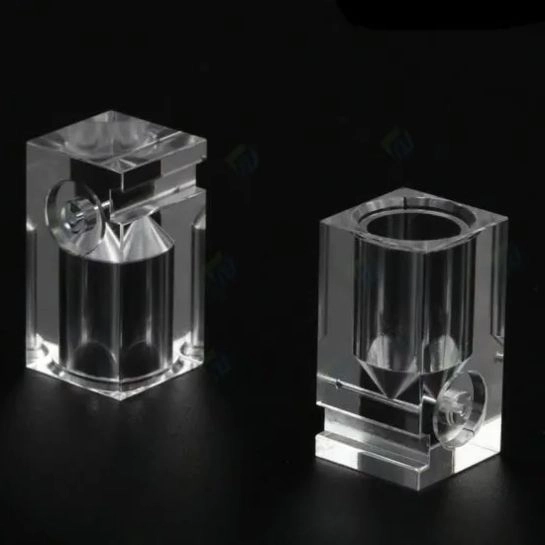
Dieses Verfahren führt zu transparenten oder halbtransparenten Bauteilen.
Übliche Anwendungsgebiete:
- Linsen
- LED-Abdeckungen
- Anzeigetafeln.
Vorteil:
Mit Kunststoffen erzielt man eine glasähnliche Klarheit.
Anwendungsbereiche des Vakuumgießens in verschiedenen Branchen
Vakuumgießen hat zahlreiche Anwendungsgebiete, da es der Industrie hilft, innerhalb eines begrenzten Zeitraums präzise, kostengünstige und funktionale Teile herzustellen, Konstruktionen zu testen und zu validieren sowie Kleinserien zu fertigen.
Automobilindustrie
Auch im Automobilsektor ist das Vakuumgießen eine beliebte Methode, um Fahrzeugteile vor der Serienproduktion zu entwickeln und zu testen.
- Detaillierte Formen und realistische Oberflächen der Armaturenbrettkomponenten.
- Innenausstattungsteile wie Zierleisten, Verkleidungen, Knöpfe und Abdeckungen.
- Den Prototyp testen, um Passform, Haltbarkeit und allgemeine Funktionalität des Designs zu überprüfen.
Medizinische Industrie
Das Vakuumgießen wird im medizinischen Bereich zur Entwicklung präziser und sicherer Geräte- und Trainingsprototypen eingesetzt.
- Koffer für medizinische Geräte.
- Chirurgische Modelle zur Ausbildung und Planung von Eingriffen.
- Prüfen Sie die Komponenten der Geräte, um sicherzustellen, dass sie genau und sicher sind.
Unterhaltungselektronik
In der Elektronik wird es häufig verwendet, um realistische Produktmodelle zu erstellen und anschließend die Produkte herzustellen.
- Guss und Hüllen für Handys mit glatter Oberfläche.
- Gehäuse für intelligente Geräte und Elektronik.
- Entwurf von Prototypen und Benutzerprototypen für Produkte.
Luft-und Raumfahrtindustrie
Das Vakuumgießen wird in der Luft- und Raumfahrtindustrie zur Entwicklung hochpräziser und leichter Bauteile eingesetzt.
- Frühe Tests von leichten Strukturbauteilen.
- Präzise Komponenten bei der Designvalidierung und Leistungsprüfung.
Industrielle Ausrüstung
Das Vakuumgießen spielt auch in der Fertigungsindustrie eine wichtige Rolle bei der Entwicklung von Designprototypen und der Kleinserienfertigung.
- Testen Sie Prototypen der Maschine, um die Funktionalität zu überprüfen.
- Maschinenteile für die Kleinserienfertigung und -validierung.
Materialien, die beim Vakuumgießen verwendet werden
Leistung, Festigkeit und Aussehen werden direkt von dem gewählten Material beeinflusst.
- ABS: Ähnlich wie Harze
Leistungsstark, stoßfest und beliebt.
- Gummi: Ähnliche Materialien
Biegsame und gummiartige Materialien können als Dichtungen oder Griffe verwendet werden.
- Transparente Harze
Klare und glatte, visuelle Elemente.
- Hitzebeständige Materialien
Geeignet für hohe Temperaturen.
Wichtiger Tipp:
Sie können Materialien auswählen, die den tatsächlich in der Produktion verwendeten Kunststoffen ähneln, und können so die Produkte entsprechend testen.
Vakuumgießen im Vergleich zu anderen Fertigungsmethoden
Nachfolgend finden Sie eine einfache Vergleichstabelle, die Ihnen zeigt, wann Sie das Vakuumgussverfahren anwenden sollten und wie es sich mit anderen Fertigungstechniken wie dem Feinguss mit Vakuumguss vergleichen lässt.
| Besonderheit | Vakuumgießen (Harz) | Vakuumgießen im Feingussverfahren | Spritzguss | 3d Drucken | CNC-Bearbeitung |
| Am besten geeignet für | Kleine Kunststoffchargen | Hochpräzise Metallteile | Massenproduktion | Einzelne Prototypen | Präzisionsmetallteile |
| Materialtyp | Kunststoff / Harz | Metall (Stahl, Aluminium, Legierungen) | Kunststoff | Kunststoffharz | Metall / Kunststoff |
| Kosten | Geringe Einrichtungskosten | Mittel bis hoch | Hohe Werkzeugkosten | Niedrig | Mittel bis hoch |
| Geschwindigkeit | Fasten (Tage) | Dauert länger (wegen mehrerer Schritte) | Sehr geringer Einrichtungsaufwand, sehr schnelle Produktion. | Sehr schnell | Mäßig |
| Oberflächenveredlung | Glatt und detailliert | Ausgezeichnet und sehr gut | Exzellent | Mäßig bis rau | Exzellent |
| Genauigkeit | Hoch | Extrem hoch (enge Toleranzen) | Sehr hoch | Mäßig | Sehr hoch |
| Produktionsvolumen | Niedrig (10-100) | Niedrig bis mittel | Sehr hoch | Sehr niedrig | Niedrig bis mittel |
| Werkzeugbedarf | Silikonformen | Wachsmodelle + Keramikguss | Stahlformen | Keine Werkzeuge | Keine der Formen (verwendete Schneidwerkzeuge) |
| Komplexe Formen | Gut | Sehr komplexe Metallteile (ausgezeichnet) | Beschränkt | Gut | Mäßig |
| Typischer Anwendungsfall | Prototypen & Tests | Metallteile von Automobilen, Luft- und Raumfahrt | Massenproduktion von Konsumgütern | Konzeptmodelle | Technische Komponenten |
Vorteile und Nachteile des Vakuumgießverfahrens
Um die Sache zu vereinfachen, bietet die folgende Tabelle einen klaren Vergleich.
| Vorteile | Nachteile |
| Ausgezeichnete Präzision und Finesse. | Kurze Lebensdauer (15-25 Verwendungen) der Formen. |
| Professionelle Oberflächenbearbeitung. | Nicht geeignet für die Massenproduktion |
| Wirtschaftlich bei Verwendung kleiner Mengen. | Die Materialauswahl ist minimal. |
| Schnelle Produktion im Vergleich zu Werkzeugen | Die Größenbeschränkungen sehr großer Bauteile. |
| Ideal für Prototyping und Tests. | Die Konsistenz kann durch manuelle Schritte beeinträchtigt werden. |
Arbeitsablauf für das Vakuumgießen in der Produktentwicklung
Vakuumgießen ist ein wichtiger Schritt auf dem Weg von der Idee zum realen Produkt. Ein einfacher Arbeitsablauf, um ein Gefühl für den Prozess zu bekommen, ist folgender:
Idee → 3D-Design → 3D-Druck → Vakuumgießen → Testen → Serienproduktion
- Idee: Man beginnt mit einer Idee für ein Konzept oder ein Produkt.
- 3D-Design: Form und Merkmale werden von Ingenieuren in einem digitalen Modell mithilfe von CAD-Software definiert.
- 3D-Druck: Zunächst muss umgehend ein Mastermodell begutachtet werden.
- Vakuumgießen: Silikonformen werden verwendet, um mehrere Kopien herzustellen und diese zu testen und zu validieren.
- Test: Das Produkt wird auf Passform, Funktionalität, Haltbarkeit und Aussehen geprüft.
- Serienproduktion: Nachdem alle Genehmigungen erteilt wurden, geht es an die Massenproduktion, beispielsweise an das Spritzgießen.
Einsatzmöglichkeiten des Vakuumgießens im Jahr 2026
Die Einsatzmöglichkeiten des Vakuumgießens nehmen stetig zu.
Sie können es verwenden für:
- Schnelles Prototyping
- Produkttests
- Konzeptmodelle
- Kleinserienproduktion
- Funktionsprüfungsteile
Es hilft Ihnen dabei, Ihr Konzept auszuprobieren, ohne in eine riesige Produktion investieren zu müssen.
Wie lange dauert der Vakuumgießprozess?
Das Vakuumgießen gilt im Vergleich zu herkömmlichen Fertigungstechniken als schnell.
Die Gesamtzeit hängt jedoch von der Komplexität des Entwurfs, der Materialauswahl und der Materialmenge ab.
Formherstellung: 1 bis 3 Tage
Dazu gehört die Anfertigung des Urmodells und die Herstellung der Silikonform. Bei komplexen Designs kann die Präzision etwas mehr Zeit in Anspruch nehmen.
Casting: Wenige Stunden
Nachdem die Form hergestellt ist, geht der eigentliche Gießvorgang sehr schnell vonstatten. Das Harz wird im Vakuum gegossen, und so können mehrere Bauteile an einem Tag gefertigt werden.
Fertigstellung: 1 bis 2 Tage
Die Teile werden gegossen und anschließend beschnitten, poliert oder lackiert. Die Bearbeitungszeit hängt von der gewünschten Oberflächenqualität ab.
Gesamt:
Vakuumgießen ist eine schnelle Lösung, die in 3 bis 7 Tagen realisiert werden kann, und die meisten Vakuumgießprojekte eignen sich für die Prototypenfertigung und die Kleinserienproduktion.
Kosten des Vakuumgießens
Der Preis richtet sich nach folgenden Kriterien:
- Komplexität des Designs.
- Verwendetes Material
- Anzahl der Teile.
Allgemeine Idee
- Formkosten: Niedrig
- Gemessen an den Stückkosten: Mittel.
Es ist weitaus günstiger als das Spritzgießen kleiner Mengen.
Tipps für optimale Ergebnisse
Um optimale Ergebnisse zu erzielen, empfiehlt es sich, folgende Tipps zu befolgen:
- Gestalten Sie Ihr Design minimalistisch.
- Vermeiden Sie scharfe Ecken.
- Wählen Sie die richtigen Materialien.
- Arbeiten Sie mit erfahrenen Herstellern zusammen.
- Pilotversuche vor der Serienproduktion.
Zukunftstrends beim Vakuumgießen (ab 2026)
Das Vakuumgussverfahren wird jedes Jahr verbessert.
Wichtigste Trends:
- Kombination mit 3D-Druck.
- Hochleistungsmaterialien.
- Schnellere Produktionssysteme
- Bessere Automatisierung
Es wird in Zukunft zugänglicher und effizienter sein.
Fazit
Dies ist ein klares Verständnis des Vakuumgießverfahrens, seiner Arten, Schritte, Einsatzmöglichkeiten und Anwendungsbereiche. Es zählt zu den geeignetsten Lösungen, wenn Sie hochwertige Prototypen oder auch Kleinserien zu geringen Kosten benötigen. Vakuumgießen ist eine sinnvolle Option, wenn Präzision, Schnelligkeit und Flexibilität gefragt sind.
Bei HDC Manufacturing bieten wir hochwertige Vakuumanlagen an. Casting-Dienstleistungen Als Teil unserer fortschrittlichen Gussverfahren, zu denen auch Feinguss gehört, legen wir Wert auf Qualität, Präzision und schnelle Projektabwicklung. Benötigen Sie professionelle Unterstützung? Dann informieren Sie sich hier über unsere Produkte: https://hdcmfg.com/product/casting/ Nehmen Sie noch heute Kontakt mit uns auf. Wir unterstützen Sie dabei, Ihre Ideen in die Realität umzusetzen und Produkte zu entwickeln.
Häufig gestellte Fragen
Wofür wird Vakuumgießen hauptsächlich eingesetzt?
Es wird hauptsächlich für die Prototypenherstellung und die Kleinserienproduktion von Kunststoff- oder Gummiteilen verwendet.
Ist Vakuumgießen im Jahr 2026 teuer?
Nein, es ist kostengünstig bei der Kleinserienfertigung im Vergleich zum Spritzgussverfahren.
Wie lange dauert das Vakuumgießen?
Die Bearbeitungszeit für die meisten Projekte beträgt je nach Komplexität einige Tage bis zu ein paar Wochen.
Welche Materialien können beim Vakuumgießen verwendet werden?
Es können Polyurethanharze, gummiartige Materialien und transparente Kunststoffe verwendet werden.
Ist Vakuumgießen für die Massenproduktion geeignet?
Nein, es eignet sich nicht für die Massenproduktion, sondern nur für kleine Mengen.