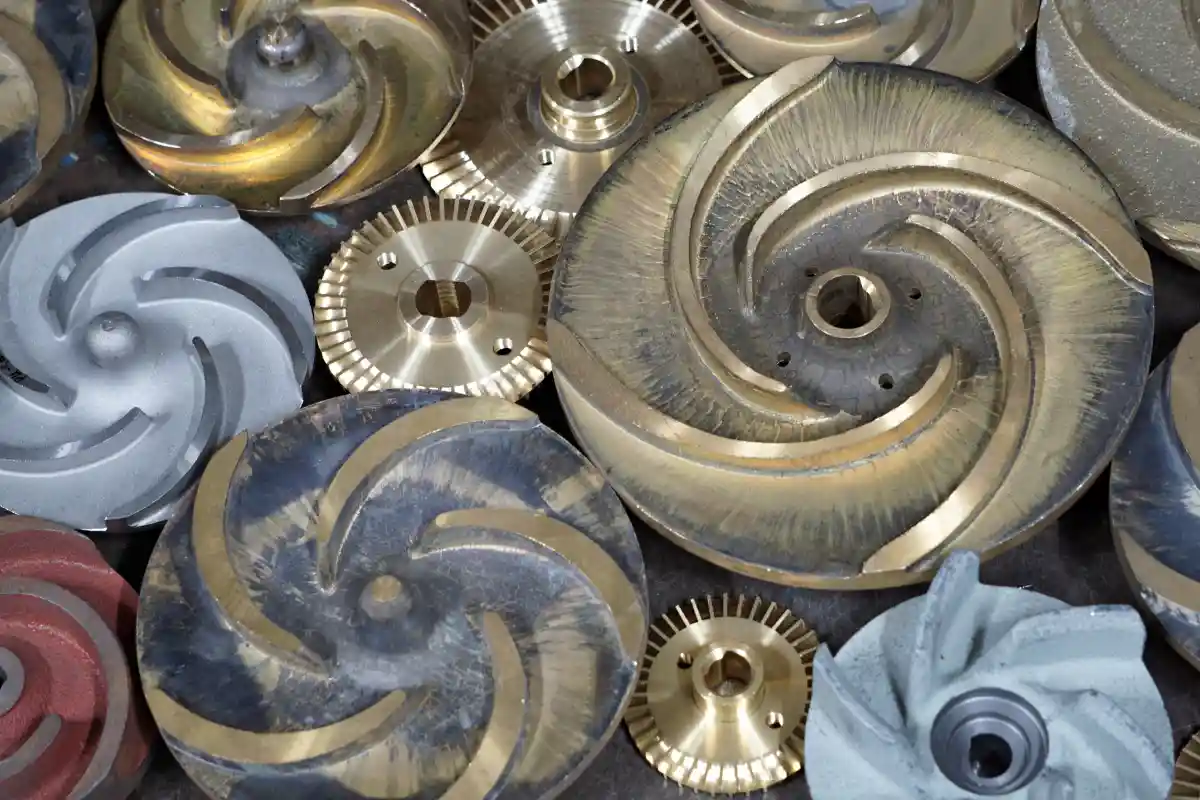
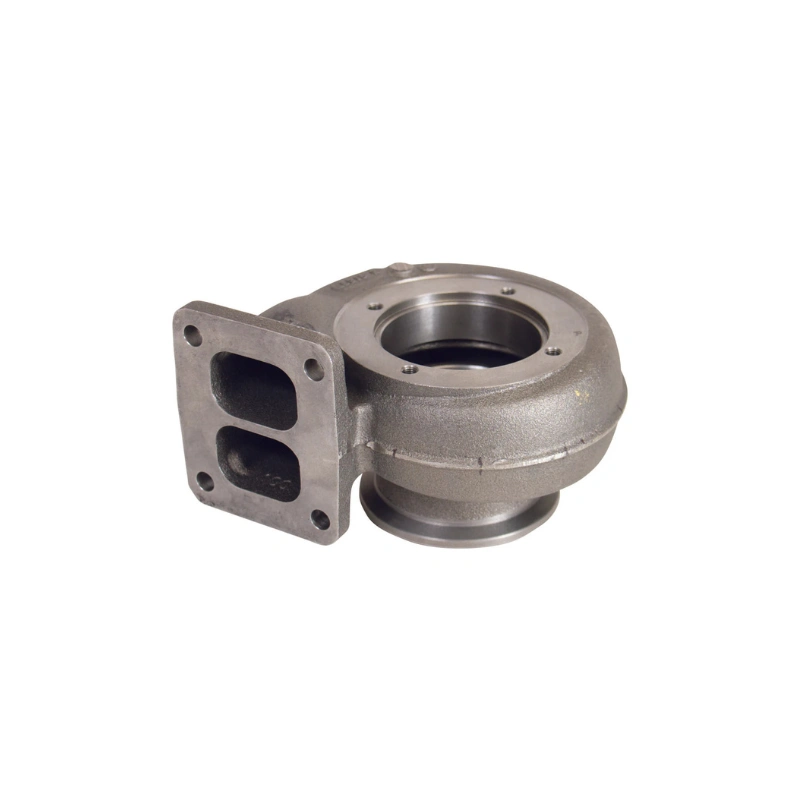
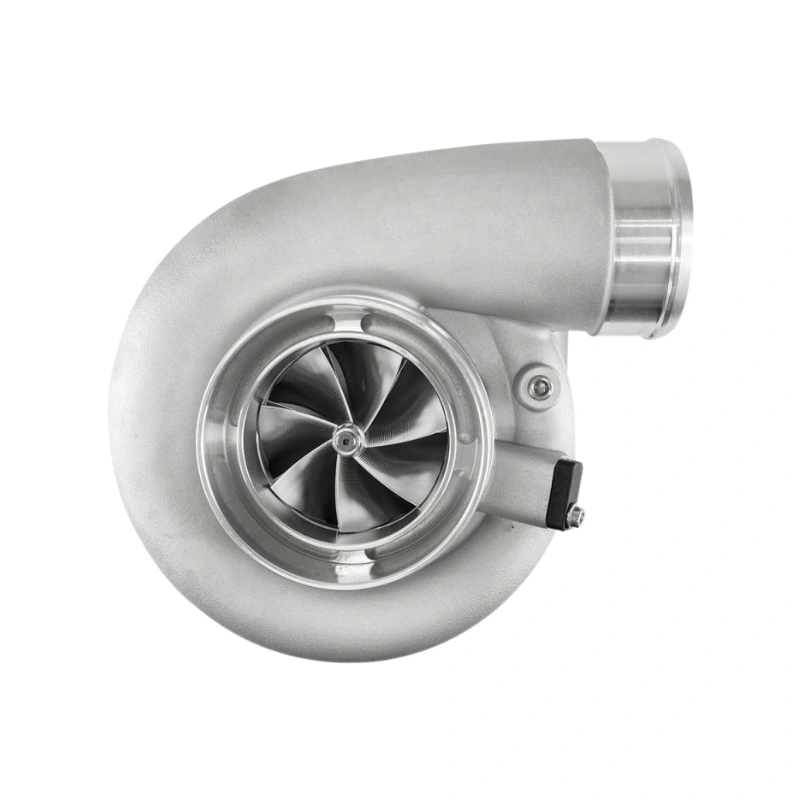
When you begin to investigate metal manufacturing, you soon come across two typical processes: die casting and sand casting. Initially, they may seem to be the same. After all, the two are similar in the sense that they both involve pouring molten metal into a mold. But when you begin to study more closely, the differences become apparent—and significant.
When you are attempting to determine which approach to use in your project, you do not need to go through complex engineering terms. All you require is a simple, clear explanation that will guide you in making a choice with confidence. You will find that this is precisely what you will get here.
At the conclusion of this guide you will know:
- How each process works
- What is the difference between them?
- Which of these fits best into your project?
We shall divide it down in the most simple manner that we can.
Что Литье под давлением?
Consider die casting as a fast, highly accurate manufacturing process.
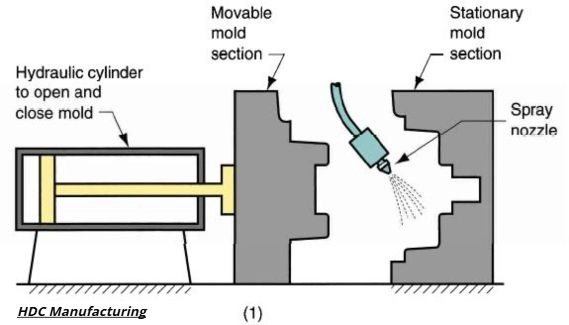
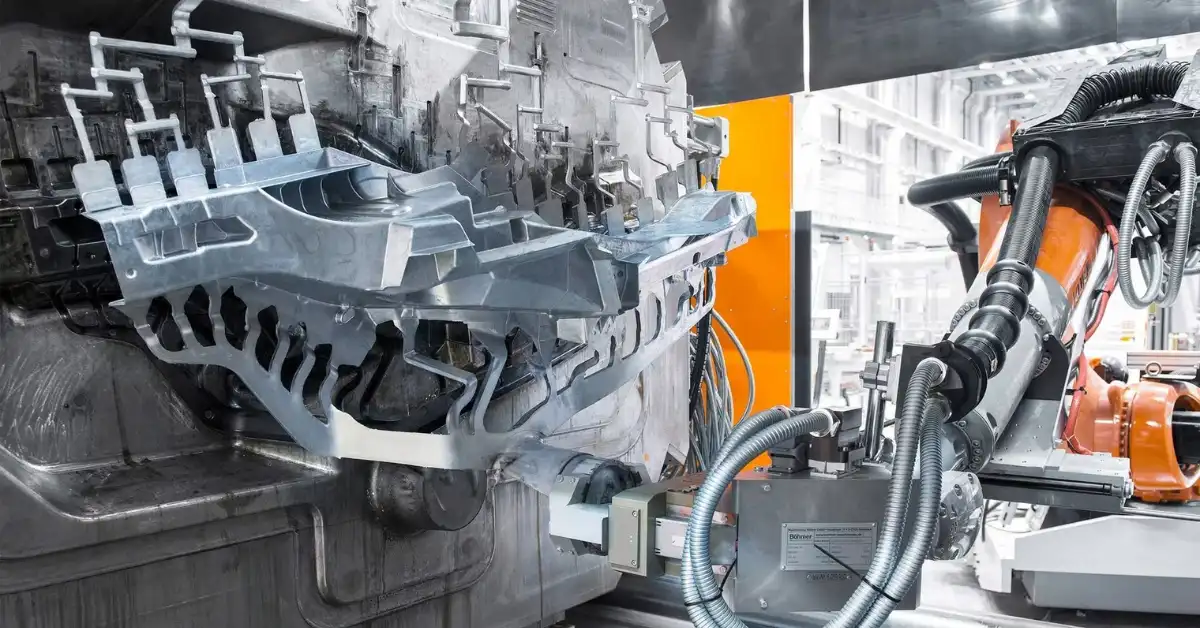
During this process, molten metal is injected into a very high-pressure strong steel mold (called a die). The mold remains solid and reusable and this makes it ideal for producing the same part over and over again.
How Die Casting Works (Step-by-Step)
It works in the following way:
- You make a steel mold (die) in the precise shape of your part.
- The machine heats metal (usually aluminum, zinc, or magnesium)
- It injects molten metal into the mold under high pressure
- The metal is cooled rapidly in the mold.
- The machine opens and the part that is finished is released.
And this process is repeated thousands–even millions–of times.
What Makes Die Casting Special?
- Extremely smooth finish of the surface.
- Close tolerances and high accuracy.
- Fast production speed
- Ideal in mass production.
In Simple Words: Die casting is most appropriate when you require a large number of the same high quality parts. Learn more here: https://www.diecasting.org
Что Литье в песчаные формы?
Next we will discuss sand casting. This technique involves sand to make the mold and thus is far more flexible and economical for some projects.
How Sand Casting Works (Step-by-Step)
Here is the process:
- You make a pattern (a model of your part)
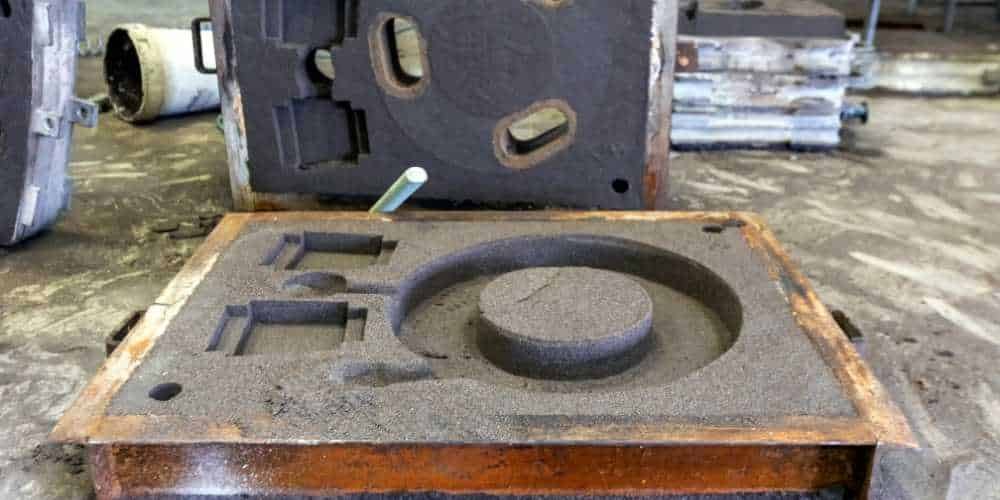
- The pattern is filled with sand around the workers to create a mold.
- They strip the pattern and a hollow shape is left.
- They fill the sand mold with molten metal.
- The metal cools and solidifies
- They dislodge the sand mold to get the part.
In contrast to die casting, the mold is destroyed after every use.
What Makes Sand Casting Special?
- Низкие затраты на настройку
- Works on most kinds of metals (iron, steel, aluminum)
- Appropriate with heavy and large components.
- Гибкие варианты дизайна
To put it simply, Sand casting is best used in large parts or small production runs.
Die Casting vs Sand Casting: Quick Comparison Table
To bring things still further to the point, we may well compare and contrast:
| Особенность | Литье под давлением | Литье в песчаные формы |
| Тип пресс-формы | Permanent steel mold | Disposable sand mold |
| Стоимость установки | Высокая | Низкий |
| Объем производства | High (mass production) | От низкого до среднего |
| Чистота поверхности | Гладкий | Грубый |
| Точность | Очень высокий | Умеренный |
| Варианты материалов | Limited (non-ferrous) | Wide (ferrous + non-ferrous) |
| Размер детали | Small to medium | Small to very large |
| Скорость | Очень быстро | Помедленнее |
If you want a more engineering focused comparison, this resource from Engineering Toolbox explains casting properties in detail: https://www.engineeringtoolbox.com
Key Differences Between Die Casting and Sand Casting
Now we shall proceed a little further into what actually divides these two approaches.
1. Cost and Tooling
It is usually the initial thing you are concerned about.
- Литье под давлением: You require costly steel molds. That is very expensive initially.
- Литье в песок: You employ sand molds, which are inexpensive and simple to create.
Simple Takeaway:
Sand casting is cost effective in case you make a few parts. When you make thousands of them, die casting becomes less expensive per part. You can also review cost comparisons from Thomasnet: https://www.thomasnet.com/articles/custom-manufacturing-fabricating/die-casting-vs-sand-casting/
2. Production Volume
- Литье под давлением: Ideal when production is on a large scale.
- Литье в песок: Ideal when a small quantity is required or when a prototype is needed.
Пример:
When you require 100,000 parts of a phone to be manufactured → use die casting.
When you require 50 machine parts → sand casting is better.
3. Surface Finish and Accuracy
- Литье под давлением: Smooth, nearly ready to use.
- Литье в песок: Coarse, frequently must be machined.
This is relevant when it is important to be appealing and precise.
4. Material Compatibility
- Литье под давлением: Works with non-ferrous metals (aluminum, zinc)
- Литье в песок: Can be done with nearly all metals, such as iron and steel.
When you require steel in your part, you have the choice of sand casting.
5. Part Size and Complexity
- Die Casting: Ideal when it comes to small to medium, complex parts.
- Литье в песок: Ideal when dealing with big and heavy parts.
Пример:
Engine blocks → sand casting
Electronic housings that are small in size, die casting.
6. Lead Time
- Die casting: Slow to install, yet production is quick.
- Sand casting: Fast installation, but slower manufacturing.
You can think of it in the following way:
Литье под давлением = slow start, fast finish.
Литье в песчаные формы = slow start, fast finish.
Преимущества литья под давлением
We will examine the reasons why most industries are inclined to die-cast.
1. High Precision
You get parts with tight tolerances. That translates to reduced error.
2. Smooth Surface
Majority of the parts require minimal or no finishing.
3. Fast Production
When the mold is prepared, you can manufacture parts at a very rapid pace.
4. Consistency
All the parts appear nearly similar.
Disadvantages of Die Casting
It’s not perfect. The following are the drawbacks:
- Large initial tooling expense.
- Limited material options
- Not suitable for very large parts
Advantages of Sand Casting
And now we will consider sand casting.
1. Low Cost
You do not have to use costly molds.
2. Large Part Capability
You are able to make very large components.
3. Material Flexibility
You may use iron, steel, aluminum and so on.
4. Design Freedom
It is effective in custom designs.
Disadvantages of Sand Casting
- Rough surface finish
- Lower precision
- Needs additional finishing.
When Should You Choose Die Casting vs Sand Casting?
This is the most significant section.
Choose Die Casting When:
- You need large production volume
- You desire smooth and precise parts.
- Your parts are small to medium in size
- You are using aluminum or zinc.
Choose Sand Casting When:
- You require big or heavy components.
- You have a limited budget
- You produce small quantities
- You need steel or iron parts
Real World Examples
We can go still further and give some real life examples.
Die Casting Examples
- Car components (gear boxes, brackets)
- Laptop and phone frames
- LED light housings
These products require accuracy and congruency.
Sand Casting Examples
- Блоки двигателя
- Industrial machine parts
- Компоненты тяжелой техники
These are big products and do not require smooth surfaces.
Expert Tips to Choose the Right Casting Method
The following are some of the practical tips that can assist you in making a decision quicker:
1. Think About Quantity First
Always question, How many parts do I require?
- Large Volume → die casting.
- Low Volume → sand casting
2. Check Your Budget
When you have a tight budget, you should not spend a lot of money on tooling.
3. Look at Part Size
Big components typically cannot be die cast.
4. Consider Finishing Costs
At times inexpensive casting turns out to be costly once completed.
5. Plan for Future Scaling
Die casting may be a clever long-term decision in case your product scales in the future. For design guidelines, you can also explore this helpful engineering guide from NASA: https://ntrs.nasa.gov
Die Casting vs Sand Casting: Which One Is Better?
There is no winner here.
It is based on your requirements:
- Need to be fast and accurate? → Die Casting
- Need low cost and flexibility? → Sand Casting
The most appropriate option is based on your project, rather than the technique itself.
Common Mistakes to Avoid
You want to be spared the usual problems.
1. Ignoring Volume
The decision to use die casting in small batches is a waste of money.
2. Ignoring Surface Finish
Sand casting might need additional machining.
3. Not Planning LongTerm
Late switching processes are more expensive.
Final Thoughts: Choosing Between Die Casting and Sand Casting
Now you have a clear understanding of die casting vs sand casting.
You are well informed on how each process works, what makes each process different and when each process should be used. This information will allow you to make expensive mistakes and select the appropriate approach at the beginning.
В Производство HDC, we assist companies in selecting the appropriate casting solution by taking into consideration the actual project requirements. We do not force one approach over another—we simply steer you to the most suitable approach to your product, budget and timeline. If you are planning a project and want expert support, reach out to our team today. Let’s build something efficient, cost-effective and scalable together.
FAQs: Die Casting vs Sand Casting
These are some of the most frequent and popular questions.
1. What is the main difference between die casting and sand casting?
Die casting is a permanent steel mold that is used under high pressure, whereas sand casting is a temporary sand mold that is used under gravity pouring.
2. Which is cheaper: die casting or sand casting?
Small quantities are cheaper with sand casting. Large production makes die casting less expensive per unit.
3. Which method gives better surface finish?
Die casting is used to create more polished and smooth surfaces.
4. Can sand casting produce high-precision parts?
It is capable but normally involves additional machining to obtain a high level of precision.
5. Why is die casting faster than sand casting?
Due to the reusability of the mold and the automation of the process.
6. Which method is better for large parts?
Sand casting is more effective with heavy and large parts.
7. What materials are used in die casting?
Mostly aluminum, zinc, and magnesium.
8. What materials are used in sand casting?
Virtually all metals, such as iron and steel.
9. Is die casting suitable for prototypes?
Not typically, since the cost of the tooling is high.
10. Which method is more widely used?
The two are popular applications but for different industries and purposes.