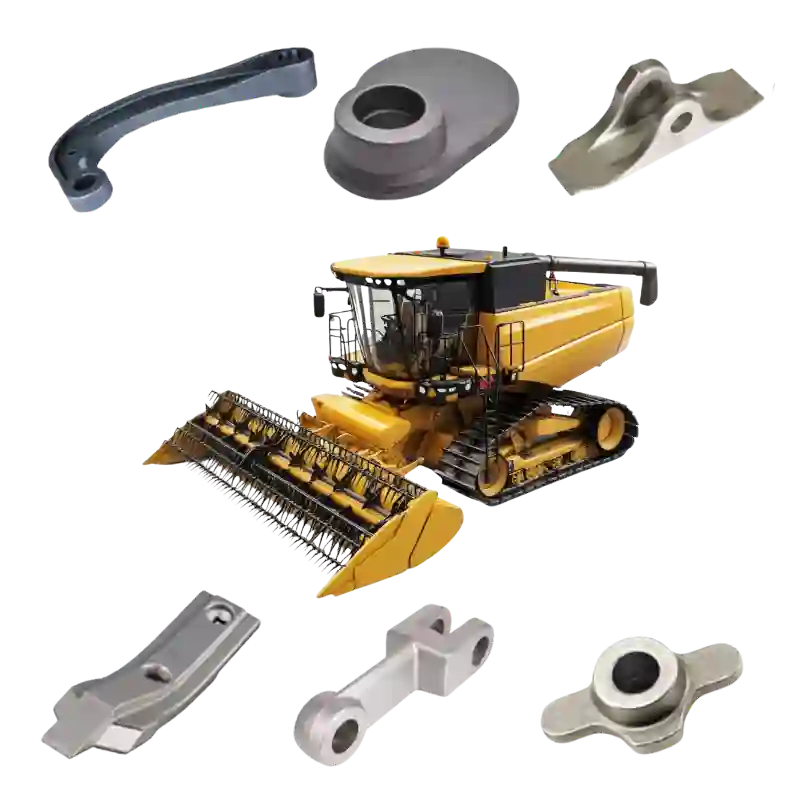
Когда люди ищут “производство шестерен”, они обычно пытаются избежать двух неприятных последствий: (1) заказа шестерни, которая подходит но не беги вправо, или (2) получить предложение, которое выглядит отлично, пока термообработка, отделка и контроль качества не превратят его в неожиданное увеличение стоимости и сроков поставки. Полезный способ понять производство зубчатых передач — это не запоминание каждого метода резки, а понимание точки принятия решений которые влияют на качество, уровень шума, долговечность и общую стоимость поставки.
Шестерня обычно изготавливается в предсказуемой последовательности: вы создаете пустой (базовую форму и состояние материала), вы генерируете зубы, вы подаете заявку термическая обработка при необходимости, вы финиш зубы, если этого требует применение, и вы проверить Геометрия, которая фактически определяет производительность. Это важно для упорядочивания, потому что каждый шаг меняет то, что должен делать следующий шаг, — и небольшие изменения в требованиях могут радикально изменить маршрут.
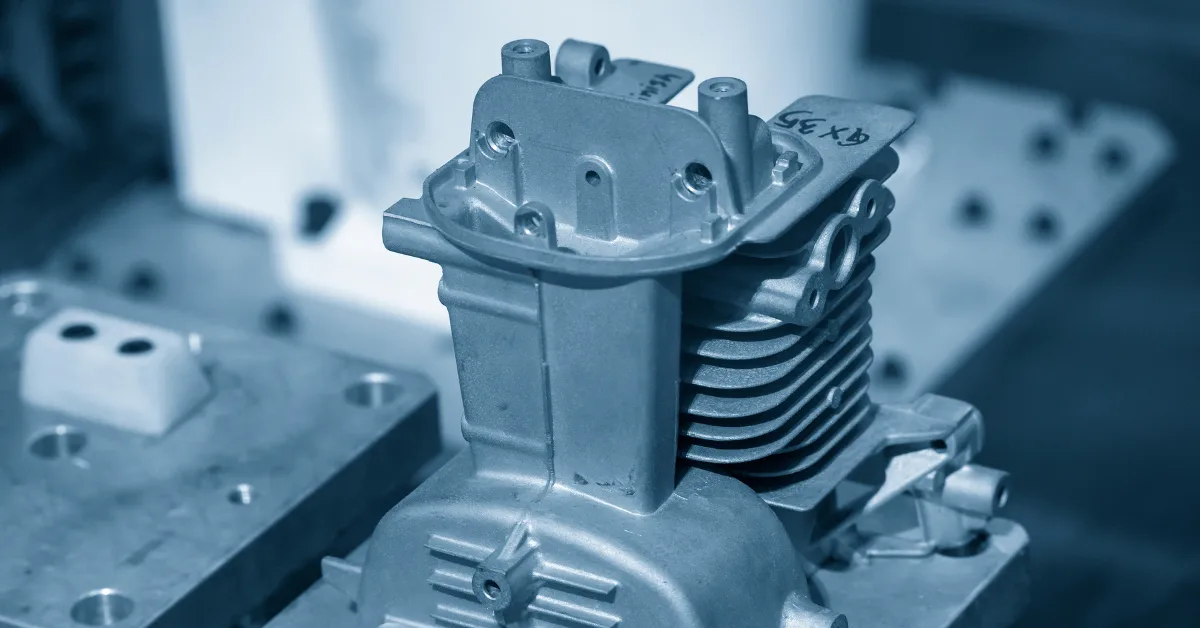
В Производство HDC, Мы поддерживаем проекты по созданию снаряжения, используя различные подходы.литье, ковка, обработка на станках с ЧПУ и электроэрозионная обработка.— Таким образом, мы можем согласовать производственный процесс с реальной задачей шестерни, вместо того чтобы пытаться использовать один метод для каждой шестерни. Например, если для проекта необходима прочная и однородная заготовка, мы предлагаем кованые шестерни и заготовки для кованых шестерен в рамках комплексного процесса.
Самый быстрый способ оформить заказ на качественное снаряжение.“
Если вы хотите, чтобы поставщик порекомендовал правильный процесс (а не просто предложил свой любимый вариант), то самое полезное, что вы можете сделать, это сообщить ему об этом. предназначение снаряжения. Не “сделайте этот чертеж”, а “эта шестерня должна выдерживать нагрузку X, скорость Y, ожидаемый уровень шума Z, в течение N циклов”.”
Вот что обычно отличает беспроблемный заказ от сложного:
| Что вы предоставляете | Почему это важно для производственного процесса |
| Тип шестерни (прямозубая/косозубая/коническая/червячная/внутренняя) | Определяет, какие методы лечения зубов являются целесообразными и экономически эффективными. |
| Модуль/DP, количество зубьев, угол зацепления, угол наклона спирали, ширина рабочей поверхности. | Определяет выбор инструмента и достижимую точность без необходимости финишной обработки. |
| Нагрузка + скорость + рабочий цикл (даже приблизительно) | Указывает, необходима ли ковка/термообработка/финишная обработка. |
| Ожидаемый уровень шума (тихий редуктор по сравнению с обычным механизмом) | Часто именно это определяет, требуется ли финишная обработка (шлифовка/хонингование). |
| Количество + прогноз | Определяет, окупаются ли специализированные инструменты/процессы. |
| Предпочтения в отношении материалов или целевые показатели производительности | Подключается к процессам термообработки и планирования деформации. |
| Какие поверхности являются критически важными для обработки (отверстия, торцевые поверхности, шпоночный паз, шлицы, базовая поверхность)? | Стратегия выбора заготовки и припуска на обработку контролируется. |
| Ожидаемые результаты проверки (первый образец, проверка геометрии, отбор проб) | Предотвращает неприятные сюрпризы на поздних этапах внедрения, повышающих ценность продукта. |
Не нужно писать инженерную диссертацию. Даже короткая заметка вроде “промышленный редуктор, умеренный уровень шума, высокая интенсивность работы, объем производства 200 шт. в год, необходимо цементировать и шлифовать” сразу же указывает на более перспективный вариант, чем простой чертеж без контекста.
Как изготавливаются шестерни: Типичный процесс производства шестерен
Шаг 1: Изготовление заготовки шестерни (с этого обычно начинаются вопросы надежности и стоимости).
Заготовка шестерни — это корпус шестерни до нарезки зубьев. Этот этап часто недооценивают, поскольку заготовка выглядит “простой”, но он существенно влияет на усталостную долговечность, стабильность обработки, деформацию и риск брака.
Кованые заготовки (когда важны производительность и стабильность)
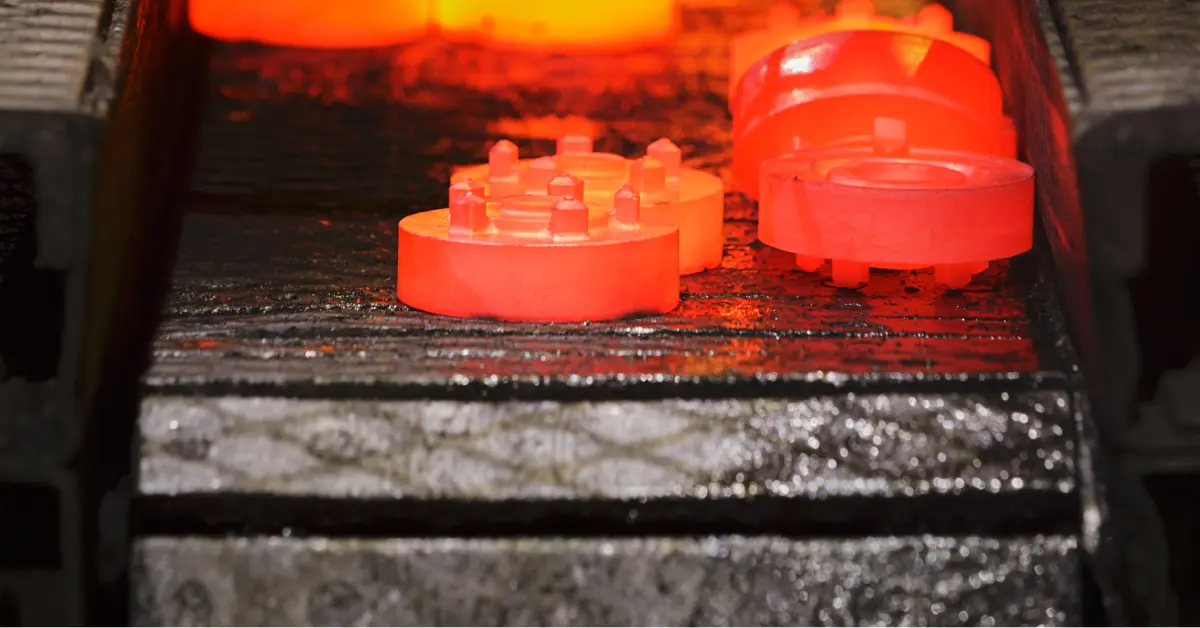
Ковка часто выбирается в тех случаях, когда шестерня подвержена нагрузкам и чувствительна к усталости, или когда приоритетом является долговечность. На практике качественная кованая заготовка, как правило, представляет собой стабильную основу: она предсказуемо обрабатывается, выдерживает сложные процедуры термообработки и снижает риск появления скрытых проблем на поздних стадиях. Она также может сократить общее время обработки, если кованая деталь ближе к окончательной форме, чем пруток.
Если ваша сфера применения включает в себя интенсивную эксплуатацию, высокий крутящий момент, ударные нагрузки или вам просто нужна более надежная отправная точка, то ковку, как правило, стоит рассмотреть на раннем этапе. Именно поэтому многие клиенты обращаются в HDC именно за этим. кованые заготовки шестерен а также готовые кованые шестерни в рамках интегрированной технологической цепочки.
Литые заготовки (когда выбор зависит от геометрии или размера)
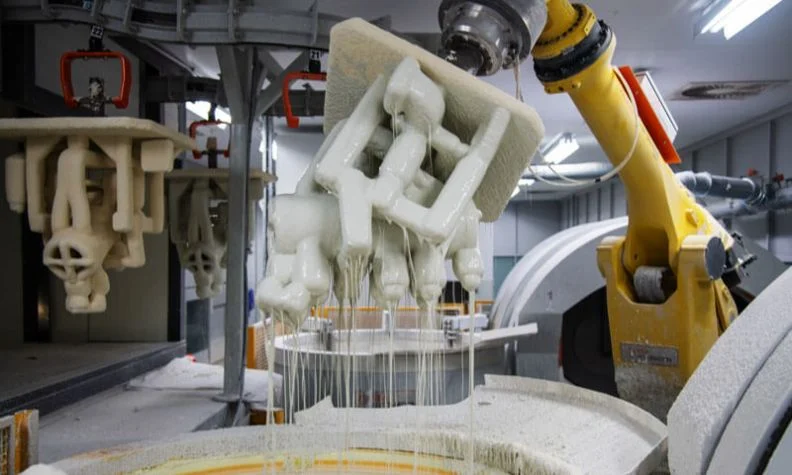
Литье становится привлекательным, когда деталь громоздкая, сложная или когда необходимо избежать механической обработки большого объема из цельного куска материала. Литые заготовки могут быть разумным выбором в подходящих случаях, но “качество заказа” значительно улучшается, если допуски на механическую обработку и требования к контролю качества согласованы с самого начала, поскольку определенные риски литья (такие как усадочные пустоты или включения) часто проявляются только тогда, когда механическая обработка раскрывает материал.
Правильно спланированная технология литья может быть экономически выгодной; плохо спланированная технология литья может превратиться в вопрос: “Зачем мы от нее отказались после двух переналадок станков с ЧПУ?”. Разница обычно заключается в четком определении критических зон и реалистичном выборе технологического процесса.
Изготовлено из заготовок из прутка (когда гибкость имеет первостепенное значение)
Обработка заготовки из прутка или листового металла часто является самым простым способом для прототипов, небольших партий и быстрых итераций. Это предсказуемый и быстрый способ на начальном этапе, но для более крупных шестерен он может стать дорогостоящим из-за отходов и времени цикла. Однако для небольших объемов эта простота все еще может быть лучшим коммерческим решением.
Практическое правило: Если вы заказываете шестерню, где стоимость заготовки невелика по сравнению с риском отказа (или по сравнению с простоем редуктора), выбирайте вариант заготовки, который в первую очередь обеспечивает надежность. Если же вы заказываете шестерню, где преобладают стоимость и скорость, а нагрузки невелики, может быть достаточно более простого варианта заготовки.
Шаг 2: Изготовление зубов (как на практике создается геометрия зубов)
После того, как заготовка готова, изготавливаются зубы. Существует множество методов, но покупателям обычно достаточно лишь разобраться в них. почему Один метод выбирается вместо другого.
Зубофрезерование (основной инструмент для зубчатых передач с внешним креплением)
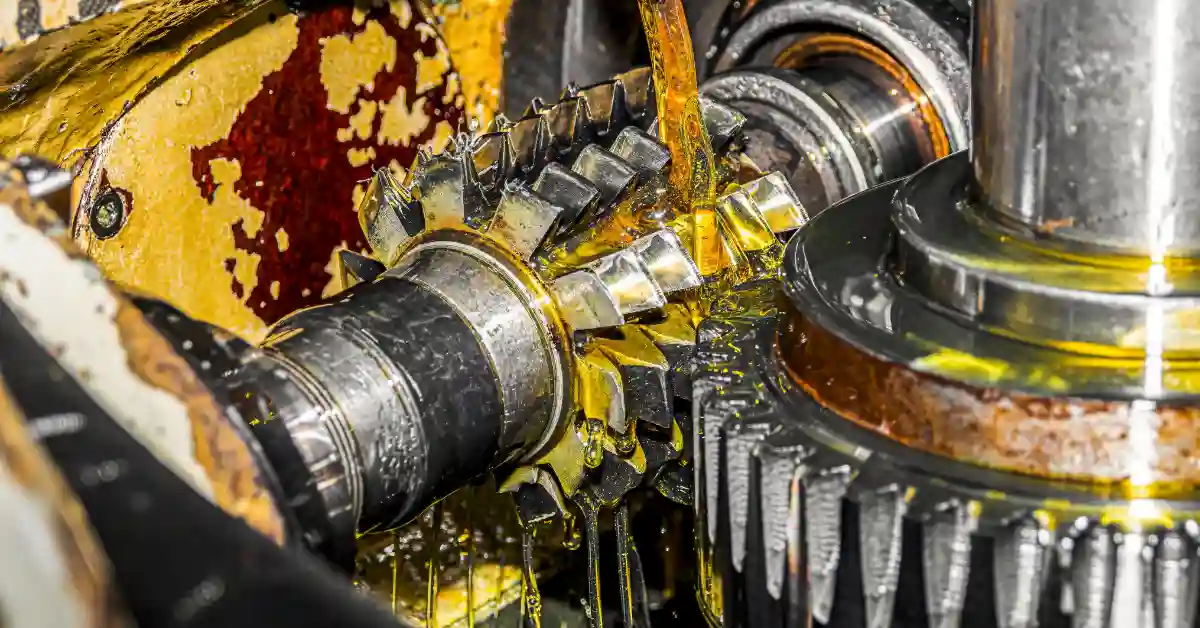
Для многих прямозубых и косозубых шестерен зубофрезерование является распространенным методом производства, поскольку оно эффективно и обеспечивает повторяемость результатов. Этот метод особенно эффективен при изготовлении внешних шестерен, когда требуется масштабируемость. Во многих технологических процессах зубья зубофрезеруются в “мягком” состоянии, затем шестерня подвергается термообработке, а при необходимости – окончательной обработке.
Формирование и снятие фаски (особенно актуально для внутренних зубчатых передач и в условиях ограниченного доступа)
Когда зубчатое колесо находится внутри заготовки или когда доступ к инструменту затрудняет зубофрезерование, практичным решением часто становится строгание или фрезерование с помощью зубила. Эти методы часто обсуждаются в качестве альтернативных вариантов в зависимости от геометрии, производительности и целевых показателей точности. Если ваше зубчатое колесо находится внутри заготовки, укажите это на раннем этапе запроса коммерческого предложения — внутренние зубчатые колеса часто сразу сужают круг возможных вариантов обработки.
Фрезерование на станках с ЧПУ (приоритет — гибкость)
Фрезерование на станках с ЧПУ может быть эффективным решением при небольших объемах производства, нестандартных размерах зубчатых колес или необходимости интеграции формы зубьев в деталь, которая уже требует сложной механической обработки. Это гибкий метод, но, как правило, не самый экономичный вариант при массовом производстве.
Что это значит для оформления заказа: Если объемы производства невелики, а вам нужны скорость и гибкость, то фрезерные станки с ЧПУ часто оказываются привлекательными. Если же объемы производства выше, а конструкция стабильна, то специализированные станки для формирования зубьев, как правило, выигрывают по стоимости и повторяемости.
Шаг 3: Электроэрозионная обработка в производстве зубчатых передач (когда это наиболее целесообразный вариант)
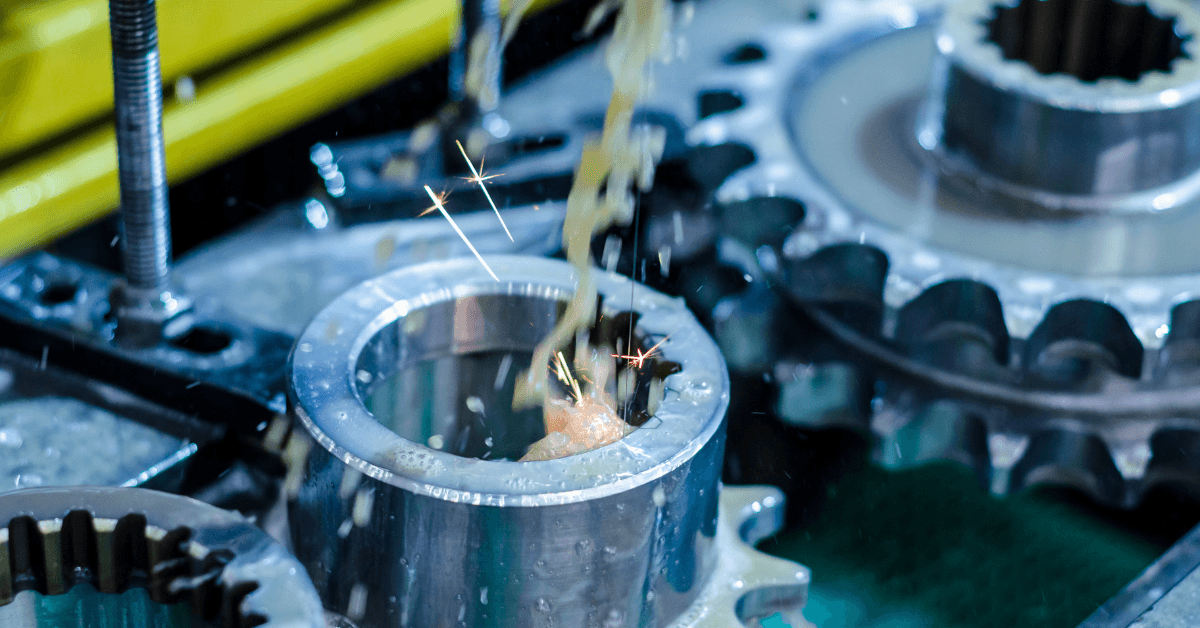
Электроэрозионная обработка редко является “стандартным” методом для массового производства стандартных зубчатых передач, но она становится чрезвычайно ценной, когда зубчатая передача имеет ограничения, которые делают традиционную резку трудновыполнимой.
Электроэрозионная обработка (ЭЭО) часто выбирается, когда шестерня уже закалена (и вы хотите избежать обработки твердыми материалами), когда вам нужна специальная форма зуба или прототип, который необходимо изготовить быстро без использования специального инструмента, или когда внутренний доступ/геометрия затрудняют применение других методов. Она также полезна, когда требуется очень высокая точность при минимальном усилии резания на деликатных элементах.
Поскольку HDC поддерживает электроэрозионную обработку наряду с ЧПУ, мы можем стратегически использовать электроэрозионную обработку в тех случаях, когда это экономит время, позволяет избежать переделок или делает конструкцию пригодной для производства без компромиссов, а не рассматривать ее как “крайнюю меру” после того, как другие методы оказались неэффективными.
Шаг 4: Термообработка (именно на этом этапе решается судьба многих проектов по изготовлению шестерен).
Термообработка превращает шестерню в долговечную, но она также вносит свой вклад в выполнение вашего заказа: искажение. Многие шестерни намеренно обтачиваются перед закалкой, затем подвергаются термообработке, а после этого — окончательной обработке для коррекции люфта и достижения конечной точности.
Если вашей шестерне необходимы износостойкие зубья с более прочным сердечником, это часто определяет стратегии поверхностного упрочнения. Если вашей шестерне необходима точная геометрия после упрочнения, это часто означает, что следует предусмотреть определенный уровень финишной обработки после термообработки. Ключевой момент заключается не в деталях металлургии, а в планировании: термообработку и финишную обработку следует решать одновременно, а не по отдельности.
Шаг 5: Завершение (почему одни шестерни работают тихо, а другие нет)
Финишная обработка позволяет “приобрести” более низкий уровень шума, лучший контакт и более высокую точность — особенно после термообработки. Не каждая шестерня нуждается в шлифовке или хонинговании. Многие шестерни прекрасно работают и без этого, если допуски умеренные, а уровень шума не является критическим.
Но когда в процессе работы важен уровень шума или точность, финишная обработка становится практической необходимостью. Проще говоря: чем больше в вашем приложении важна плавность хода и повторяемость геометрии, тем важнее финишная обработка и контроль качества.
Если вы хотите понять, как выглядят операции финишной обработки в современном производстве зубчатых передач (и почему существуют те или иные методы), то обзор услуг по производству зубчатых передач, подготовленный Глисоном, станет полезным и не перегруженным маркетинговой информацией материалом. справочник, в котором перечислены распространенные операции..
Шаг 6: Осмотр (как вы докажете, что шестерня будет работать правильно)

Проверка зубчатых передач важна, потому что их работа зависит от геометрии. Зубья — это не просто “зубья”, это специфическая эвольвентная форма и связанная с ней геометрия, которая контролирует движение и распределение нагрузки. Если вам нужна стабильная работа, проверка должна соответствовать тому, что важно для конкретного применения.
Для читателей, желающих получить более глубокое (но все же авторитетное) объяснение того, почему точность эвольвентного профиля важна в метрологии зубчатых передач, NIST предлагает давний технический справочник по характеристике эвольвентных профилей (для лучшего понимания). высококачественное измерение зубчатых передач)
Подводя итог: “Какой маршрут мне следует выбрать для доставки моего снаряжения?”
Вместо того чтобы перечислять методы, вот практическая логика упорядочивания, которой следует большинство проектов:
Если ваше снаряжение высокая нагрузка / высокий рабочий цикл, Как правило, используется более прочная заготовка (часто кованая), метод изготовления зубьев, план термообработки, соответствующий требованиям по износу и усталости, а затем финишная обработка, если этого требуют точность/шум. Этот подход распространен, поскольку он минимизирует риск брака на поздних этапах и повышает долгосрочную надежность, часто снижая общую стоимость, даже если цена за единицу продукции изначально кажется выше.
Если ваше снаряжение большие, сложные с точки зрения геометрии или ориентированные на стоимость, Литье в песчаные формы или другие методы литья могут быть очень практичными, особенно если правильно спланировать припуски на механическую обработку и сосредоточить контроль на зонах, которые станут функциональными после обработки.
Если ваше снаряжение прототип, изготовленный на заказ или часто меняющийся, Маршруты, основанные на механической обработке, часто оказываются самыми быстрыми, поскольку позволяют проводить итерации без необходимости использования специализированного инструмента.
Если ваше снаряжение имеет особая геометрия, проблемы с внутренним доступом или жесткие ограничения, Маршруты, поддерживаемые EDM, могут снизить риски и повысить осуществимость.
Это подход, основанный на принципе “наилучшего порядка”: вы заказываете не метод изготовления шестерен, а шестерню, которая соответствует целевым показателям производительности, а метод вытекает из этих целевых показателей.
Как HDC вписывается в вашу систему, не усложняя процесс закупок.
Большинство клиентов не хотят координировать работу четырех поставщиков (производителя заготовок, зуборезчика, термообработчика, инспектора). Им нужна готовая шестерня, которая собирается и работает исправно. Компания HDC может производить шестерни с помощью... Кастинг, ковка, ЧПУ обработка, и EDM, Мы можем порекомендовать и выполнить маршрут, который наилучшим образом соответствует вашим потребностям, а затем обработать критически важные соединения (отверстия, торцы, шпоночные пазы, шлицы, базовые точки) на станке с ЧПУ, чтобы шестерня точно подходила и работала должным образом.
Часто задаваемые вопросы: Производство зубчатых передач (полезные вопросы, которые действительно задают покупатели)
“Мой чертеж механизма прост — почему же цена по-прежнему высока?”
Поскольку стоимость часто определяется тем, что происходит после резки: термообработка, коррекция деформаций, финишная обработка и контроль качества. Для “простой” шестерни в условиях повышенной чувствительности к шуму или высокой нагрузки могут потребоваться дорогостоящие этапы для гарантирования производительности.
“Действительно ли мне нужна шлифовка?”
Только если для вашего применения требуется более высокая точность, меньший уровень шума или более жесткий контроль геометрии после термообработки. Многие шестерни работают нормально и без шлифовки, если требования умеренные.
“Почему шестерни иногда выходят из строя, даже если материал кажется подходящим?”
Часто причиной поломок является геометрия зубьев, условия термообработки или качество обработки поверхности/характер контакта, а не только марка материала. Именно поэтому планирование маршрута и контроль качества имеют такое важное значение.
“Что я могу сделать в первую очередь, чтобы получить более качественную рекомендацию от поставщика?”
Сообщите ожидаемые параметры нагрузки/скорости/режим работы, а также информацию о том, чувствительно ли оборудование к шуму. Этот контекст влияет на весь маршрут гораздо сильнее, чем многие думают.
Вывод
Производство зубчатых передач становится простым, если рассматривать его как последовательность решений: выбор подходящей заготовки, изготовление зубьев методом, соответствующим геометрии и объему, контроль твердости и деформации с помощью термообработки, финишная обработка только в той степени, в которой это необходимо для применения, и проверка того, что действительно определяет производительность. Наиболее экономически выгодный заказ зубчатых передач обычно тот, который позволяет избежать последующих корректировок — меньше доработок, меньше неожиданностей после термообработки и предсказуемая обработка критически важных поверхностей. Если вы поделитесь своими ожиданиями по рабочему циклу, количеству и точности/шуму, то рекомендуемый способ производства становится намного проще, а готовая зубчатая передача с гораздо большей вероятностью будет работать правильно с первого раза.