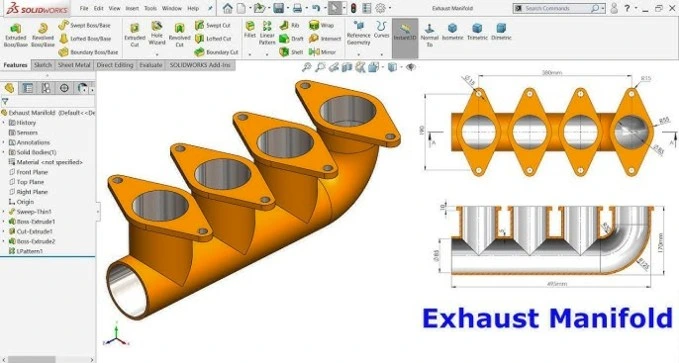
Взглянув на двигатель, вы увидите, что он состоит из нескольких сложных деталей, работающих вместе. Выпускной коллектор — один из наиболее важных компонентов, хотя ему часто не уделяется должного внимания. Он может показаться очень простым, но оказывает большое влияние на производительность двигателя, расход топлива и уровень выбросов.
Будучи инженером-автомобилестроителем, закупщиком оригинального оборудования или представителем компании, занимающейся производством запчастей для вторичного рынка, вы должны знать принцип работы выпускных коллекторов. Конструкция, материалы и система производства — все это влияет на производительность, долговечность и стоимость.
В этом руководстве вы узнаете обо всех этапах, шаг за шагом, в простой и понятной форме.
Что такое выпускной коллектор?
Выпускной коллектор — одна из металлических частей двигателя. Его основная задача — принимать отработавшие газы из каждого цилиндра и объединять их в одну трубу.
Представьте, что это транспортная система. Все цилиндры производят выхлопные газы, а выпускной коллектор функционирует как магистраль, которая собирает все газы и плавно выводит их наружу.
Выпускной коллектор обычно крепится к головке цилиндров с помощью болта. Он напрямую соединен с выхлопной системой, которая состоит из таких компонентов, как каталитический нейтрализатор и глушитель.
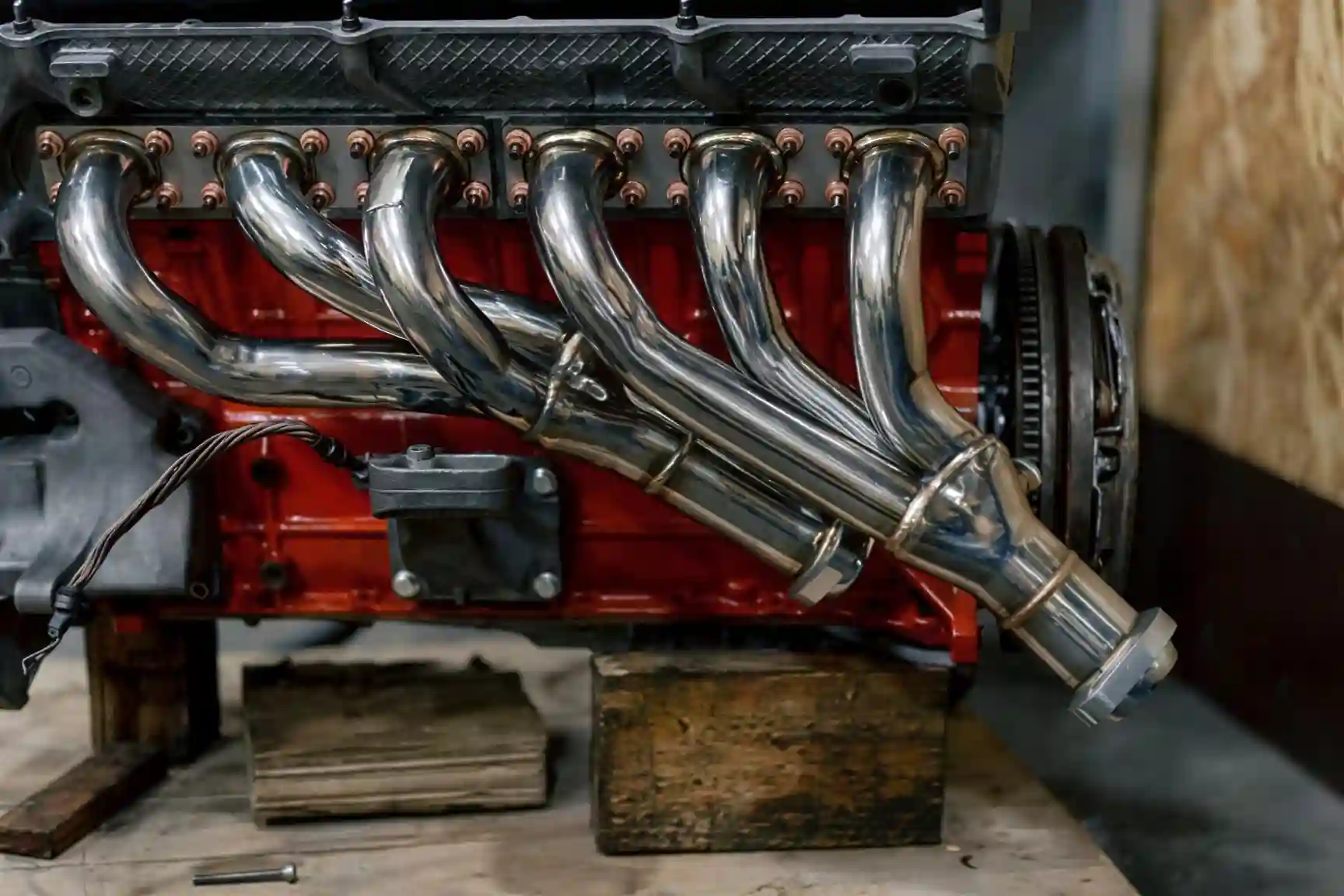
Выпускной коллектор против выпускного патрубка
Вы можете услышать термин “коллекторные трубы”. Это разновидность выпускного коллектора, обеспечивающая лучшие характеристики.
- Стандартные коллекторы: Мы уделяем особое внимание экономической эффективности и долгосрочной надежности.
- Заголовки: Добейтесь максимального расхода воздуха и мощности двигателя.
Для чего нужен выпускной коллектор?
The Выпускной коллектор — это многопроцессорный. Оно выполняет ряд важных функций:
- Сбор выхлопных газов: Собирает газы из нескольких баллонов вместе.
- Направляет поток газа: Это безопасный путь, по которому газы направляются от каталитического нейтрализатора.
- Повышает эффективность двигателя: Сопротивление (противодавление) снижается, что позволяет двигателю лучше «дышать».
- Помогает контролировать выбросы: Это обеспечит максимально быструю доставку газов к каталитическому нейтрализатору.
- Поддерживает турбонаддув: IВ турбодвигателях он используется для вращения турбины турбокомпрессора.
Тип выпускного коллектора
Конструкция выпускных коллекторов различается. Выбор типа коллектора зависит от назначения транспортного средства, компоновки двигателя и требований производителя к его характеристикам.
Бросать Выпускные коллекторы
Это отраслевая норма для большинства легковых автомобилей. Они имеют меньше точек отказа (таких как трещины в сварных швах) благодаря тому, что изготовлены из цельного куска металла.
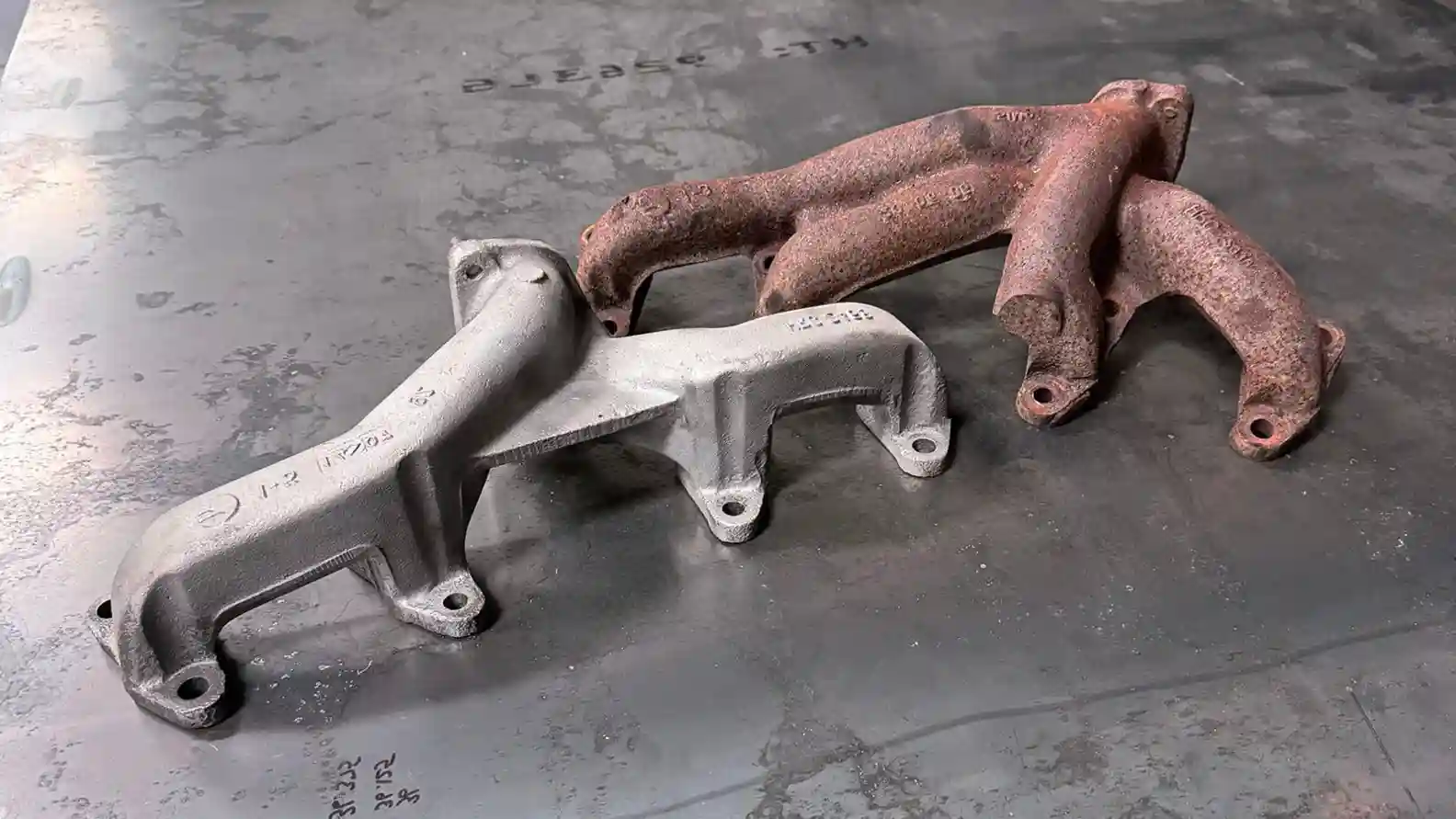
- Материал: В основном это чугун, который относится к высокопрочным или ковким чугунам.
- Плюсы: Очень прочный, может производиться в больших количествах и отлично улавливает шум двигателя.
- Лучше всего подходит для: Серийные легковые автомобили, внедорожники и автомобили для повседневной езды, в категории которых главным приоритетом является надежность.
Трубчатые (коллекторные) коллекторы
В них используются отдельные трубы на каждый цилиндр, чтобы избежать помех от газов. Выпускные коллекторы предотвращают засорение импульсами на выходе, изолируя выхлопные импульсы.
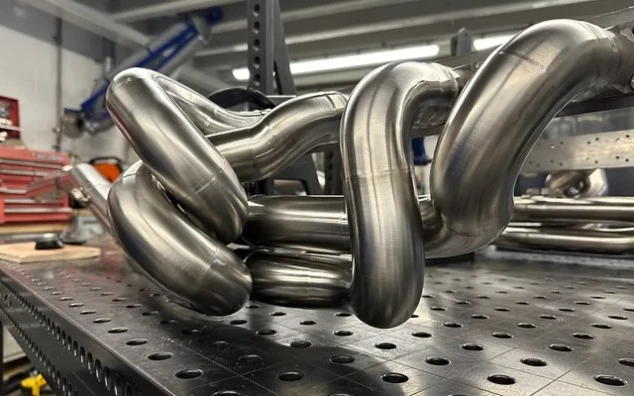
- Материал: Как правило, используется нержавеющая сталь (марки 304 или 409) или низкоуглеродистая сталь.
- Плюсы: Снижение веса колоссальное, расширение дыхательных путей также огромно, что высвобождает скрытую мощность.
- Лучше всего подходит для: Спортивные автомобили, использование в гонках и модернизация с помощью высококачественных тюнинговых решений.
Короткая трубка против длинной трубки
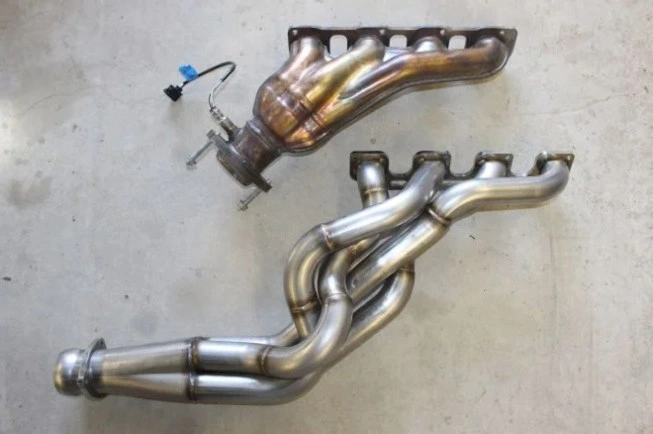
- Короткие трубки (шорты): Это небольшой элемент, который устанавливается на место штатного впускного коллектора. Он обеспечивает среднее увеличение мощности и гораздо проще устанавливается в тесном моторном отсеке.
- Длинная трубка: У них значительно более длинные основные трубы, которые в конечном итоге соединяются еще ниже на выпускном канале. Их главное преимущество заключается в том, что они обеспечивают наибольший прирост мощности за счет создания эффекта продувки, который отводит отработавшие газы из цилиндров, хотя для этого им требуется гораздо больше места.
Принципы проектирования выпускного коллектора
Для проектирования впускного коллектора, соответствующего физическим ограничениям моторного отсека, а также законам физики, требуется значительный объем инженерных работ.
- Оптимизация потока газа: Инженеры используют гладкие внутренние поверхности и изгибы труб на оправке для устранения турбулентности. Это необходимо для того, чтобы газ оставался на высокой скорости и не сталкивался с острыми стенками.
- Снизьте противодавление: Высокое противодавление в двигателе затрудняет вытеснение воздуха, в результате чего он потребляет больше энергии. Хорошая конструкция снижает это сопротивление, позволяя двигателю развивать большую полезную мощность.
- Регулирование температуры: Температура выхлопных газов может превышать 800 °C. Коллектор должен быть спроектирован таким образом, чтобы он мог расширяться и сжиматься в условиях таких экстремальных температур без изгиба или растрескивания монтажных фланцев.
- Обеспечение долговечности: Помимо воздействия тепла, выпускной коллектор должен выдерживать постоянные вибрации двигателя и давление выхлопных газов, оставаясь при этом герметичным.
Ключевые факторы проектирования
- Длина бегуна: Настроенная длина помогает синхронизировать выхлопные импульсы для повышения производительности в определенном диапазоне оборотов.
- Диаметр: Труба большого диаметра способна вместить больший объем, в то время как труба меньшего диаметра поддерживает высокую скорость газа — баланс важен для крутящего момента.
- Форма: Плавные, изящные изгибы — единственный способ добиться непрерывного потока.
Материалы, используемые в выпускных коллекторах
Выбор материала определяет срок службы детали и ее способность защитить остальную часть двигателя от перегрева.
| Материал | Плюсы | Минусы |
| Чугун | Чрезвычайно прочный, экономичный и выдерживающий циклы нагрева. | Неуклюжесть имеет тенденцию к перегреву (длительному нагреванию). |
| Нержавеющая сталь | Обладает высокой антикоррозийной активностью, лёгкий вес и выглядит премиально. | Более дорогостоящие материалы могут потрескаться в случае некачественной сварки. |
| Инконель (сплав) | Высокая термостойкость не снижается при высоких температурах. | Очень дорого, обычно столько же, сколько стоят болиды Формулы-1 или суперкары. |
Покрытия: Керамические покрытия широко используются инженерами для удержания тепла внутри труб. Это позволяет поддерживать низкую температуру в моторном отсеке и сохранять высокую температуру выхлопных газов, что, в свою очередь, ускоряет их поток.
Различия между автомобилями
Легковые автомобили
Эти автомобили предназначены для компактных размеров, чтобы занимать место в небольших моторных отсеках. Для поддержания тишины в салоне инженеры уделяют особое внимание снижению шума, вибрации и жесткости (NVH), и для достижения этой цели часто используются толстые литые стенки, чтобы заглушить звук двигателя внутреннего сгорания.
Коммерческие транспортные средства
Эти детали используются в грузовиках и автобусах, работающих круглосуточно. Они изготовлены из толстостенного железа, способного выдерживать интенсивный и постоянный нагрев при транспортировке тяжелых грузов без деформации и потери структурной целостности на протяжении сотен тысяч километров.
Высокопроизводительные автомобили
В таких системах предпочтение отдается вариантам длины выхлопных труб, где все патрубки имеют одинаковую длину. Это гарантирует отсутствие столкновений выхлопных импульсов, чего можно достичь, используя легкую нержавеющую сталь, что улучшает соотношение мощности к весу автомобиля и отклик дроссельной заслонки.
Двигатели с турбонаддувом
Поскольку фактический вес турбокомпрессора будет поддерживаться коллектором, они имеют усиленные монтажные фланцы. Они рассчитаны на давление наддува, чтобы высокоскоростной поток газа мог вращать турбину турбокомпрессора.
Промышленные двигатели
Они устанавливаются в огромных генераторах или водяных насосах и отличаются стационарной устойчивостью. Они имеют упрощенную конструкцию, удобную для обслуживания на месте, и рассчитаны на работу на одной и той же частоте вращения в течение нескольких тысяч часов без перегрузок.
Процесс изготовления выпускного коллектора
Выбор технологического процесса определяется приоритетом: обеспечением значительной экономии объемов производства или созданием высокоэффективной системы воздухоотвода.
Процесс литья (производство OEM)
Это наиболее эффективный способ производства тысяч деталей одинаковой конструкции, отличающихся долговечностью.
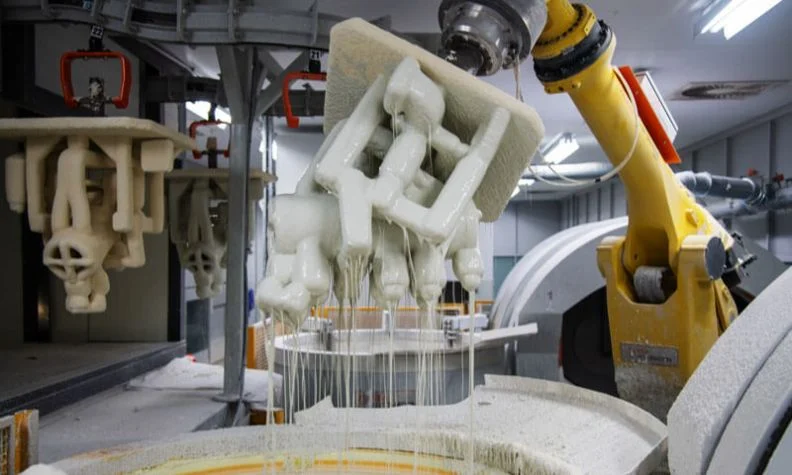
- Создание формы: Точная модель изготавливается, а негативное пространство создается в специальном грунте из зеленого песка или песка, скрепленного смолой, который способен выдержать вес расплавленного металла.
- Заливка: Раскаленный расплавленный чугун или специальные сплавы заливаются в формы при температурах выше 1500 °C. Это позволяет создавать сложные внутренние полые формы, которые трудно сваривать.
- Охлаждение и встряхивание: Как только металл затвердеет, его стряхивают (встряхивают), а с отливки удаляют любые облой или излишки металла.
- Прецизионная обработка: Точная обработка достигается с помощью высокоскоростные станки с ЧПУ Для выравнивания монтажных фланцев. Это обеспечивает герметичное соединение между блоком двигателя и предотвращает вредные утечки выхлопных газов.
Процесс изготовления (послепродажное обслуживание)
Ещё более трудоёмкий метод производства высокопроизводительных трубчатых коллекторов.
- Изгиб оправки: Для гибки труб из нержавеющей стали используются ручные трубогибочные станки с ЧПУ. Гибка осуществляется путем вставки в трубу цельного дорна, чтобы обеспечить сохранение ее круглой формы по всей длине и предотвратить перегибы или защемления.
- Сварка и сборка: Техники используют TIG-сварку (сварку вольфрамовым электродом в инертном газе) для получения чистого и прочного сварного шва. Они также обычно продувают трубы аргоном, чтобы внутренняя поверхность сварного шва была такой же гладкой, как и внешняя.
- Отделка: Для удаления внутренних заусенцев с коллектора производится зачистка. Затем он подвергается эстетической полировке или покрывается керамическим покрытием, обеспечивающим высокую теплозащиту и защиту других деталей двигателя от перегрева.
Факторы, влияющие на производительность, и инженерные проблемы
Термодинамика и гидродинамика — это очень тонкое искусство, позволяющее довести до совершенства конструкцию коллектора.
- Тепловое расширение и напряжение: Металлы расширяются при нагревании. Когда коллектор завинчен, возникающие внутри него напряжения могут привести к его поломке. Инженеры используют скользящие соединения или специальные компенсаторы, чтобы металл мог безопасно перемещаться.
- Баланс противодавления: Чрезмерно низкий уровень противодавления приводит к тому, что двигатель лишается необходимого крутящего момента на низких оборотах из-за недостаточной скорости потока. При слишком высоком уровне противодавления двигатель будет «дыхаться» на высоких оборотах. Оптимизация диаметра трубы важна для определения оптимального диапазона работы.
- Экологические нормы (при выключенном свете): Каталитический нейтрализатор должен быстро достигать рабочей температуры, чтобы соответствовать стандартам Евро-6 или EPA. Современные выпускные коллекторы обычно имеют теплоизоляцию или устроены таким образом, чтобы удерживать тепло внутри выхлопных газов до тех пор, пока оно не достигнет устройств контроля выбросов.
OEM против вторичного рынка
- OEM (оригинальное оборудование): Эти характеристики разработаны автопроизводителями. Приоритетами являются 10-летняя надежность, строгие государственные нормы по контролю выбросов и тишина в салоне.
- Запчасти и аксессуары: Они созданы, чтобы произвести впечатление на поклонников. Акцент смещается на тюнинг, что означает уделение большего внимания звучанию двигателя (рычанию), снижению веса и достижению максимально возможной мощности.
Как выбрать правильный выпускной коллектор
Это контрольный список, который должен использовать покупатель или инженер:
- Определить приложение: Это двигатель для повседневной езды или для гонок?
- Выберите материал: Выбирайте чугун для экономии средств и увеличения срока службы или нержавеющую сталь для обеспечения высоких эксплуатационных характеристик.
- Оцените дизайн: Оцените КПД потока как равный выходной мощности двигателя.
- Проверка поставщика: Проверьте наличие таких сертификатов, как ISO или IATF 16949.
Тенденции будущего до 2026 года
В 2026 году отрасль претерпит изменения:
- Облегчение веса: Для экономии топлива используются более тонкие и прочные сплавы.
- Интегрированные системы: Объединение впускного коллектора и турбокомпрессора в единый блок.
- Гибридное воздействие: Разработка коллекторов, сохраняющих свою эффективность в случаях, когда двигатель включается и выключается лишь периодически.
Вывод
Теперь у вас есть четкое представление о том, как работают выпускные коллекторы, о принципах их проектирования, об используемых материалах и о процессе их изготовления. Зная это, вы сможете принимать более взвешенные решения, будь то разработка двигателей, поиск качественных компонентов или создание продукции для вторичного рынка. Понимание различий между чугуном, нержавеющей сталью и высокоэффективными сплавами, а также требований OEM-производителей и производителей запчастей позволит вам выбрать правильное решение для вашего конкретного проекта.
Мы — компания HDC Manufacturing, производитель продукции. литье выпускных коллекторов по индивидуальному заказу, Мы предлагаем эффективные решения для производителей оригинального оборудования (OEM), компаний, занимающихся послепродажным обслуживанием, и промышленных покупателей. Мы разрабатываем... лучшие методы литья В сочетании с высокоточной обработкой и контролируемым качеством мы можем предоставить вам детали, которые точно соответствуют вашим потребностям.
Позвоните нам Расскажите нам о своих потребностях и наладьте сотрудничество с надежным производителем, который гарантирует производительность, долговечность и эффективность ваших автомобильных проектов.
Часто задаваемые вопросы
В чём основное различие между выпускным коллектором и выпускными патрубками?
Стандартный выпускной коллектор представляет собой тяжелую цельную чугунную деталь, собранную для длительной эксплуатации при низких затратах, тогда как выпускные коллекторы состоят из тонкостенных трубок, сконструированных таким образом, чтобы обеспечить максимально возможный поток воздуха и максимальную мощность двигателя.
Может ли треснувший выпускной коллектор повлиять на расход топлива?
Да, поскольку при утечке наружный воздух будет попадать на кислородный датчик, он будет ошибочно считать, что смесь обеднена, и будет впрыскивать больше топлива, что приведет к очень низкому расходу топлива.
Почему некоторые выпускные коллекторы издают характерный "щелчок" при холодном двигателе?
Когда металл холодный, в нем образуется трещина или деформируется фланец, через который с характерным щелчком выходит газ под высоким давлением, а по мере прогрева двигателя металл сжимается, возвращаясь к своей первоначальной форме и временно закрывая утечку.
Какой материал лучше всего подходит для выпускного коллектора с турбонаддувом?
В высокопроизводительных гонках, где возможны экстремальные температуры, лучшим выбором будет инконель или нержавеющая сталь 321, тогда как высокопрочный чугун SiMo предпочтительнее для обеспечения надежности и низкой стоимости в условиях тяжелых промышленных нагрузок.
Что лучше: ремонтировать или заменять протекающий коллектор?
Единственным надежным способом ремонта часто является замена, поскольку чугун очень трудно эффективно сваривать, а температурные циклы двигателя неизбежно приведут к растрескиванию ремонтного шва.