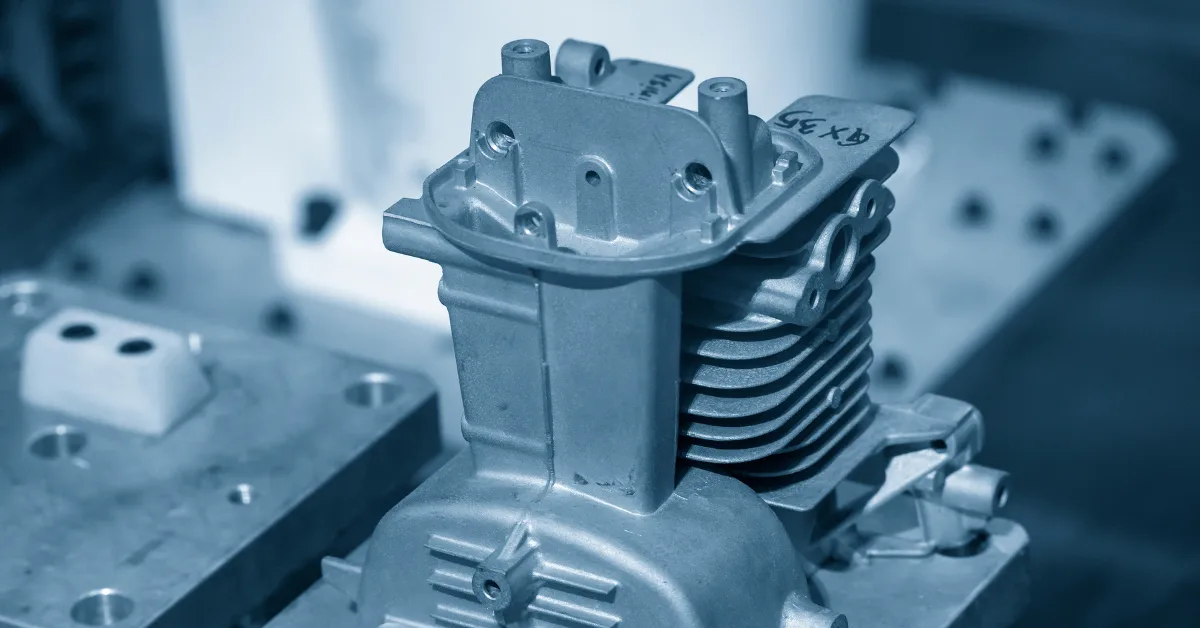
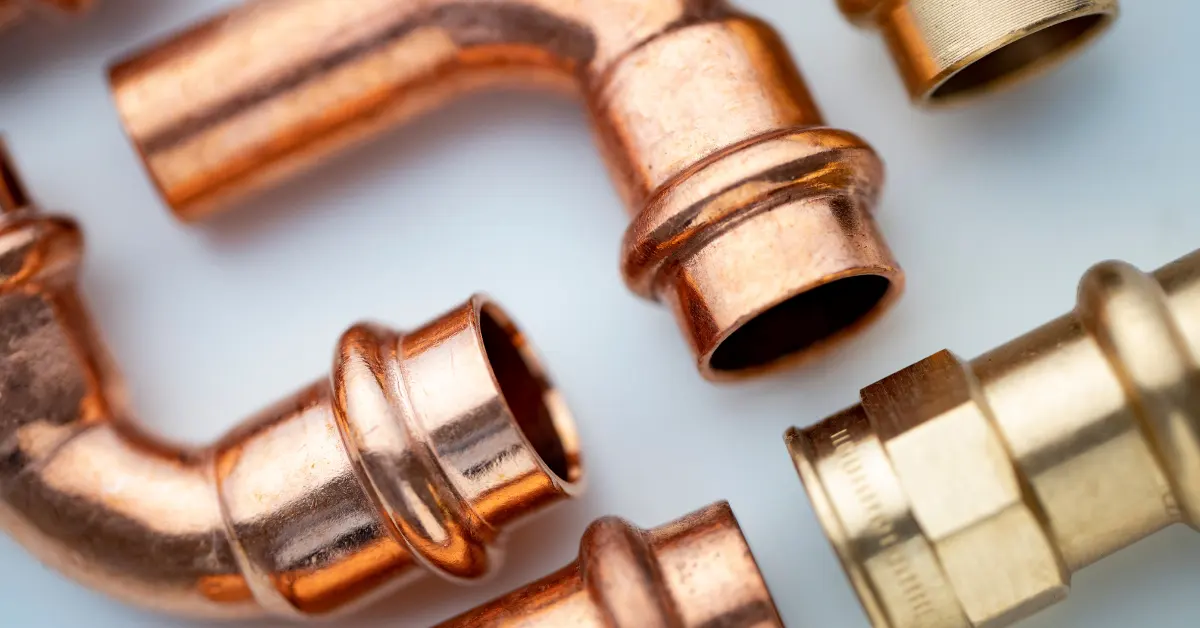
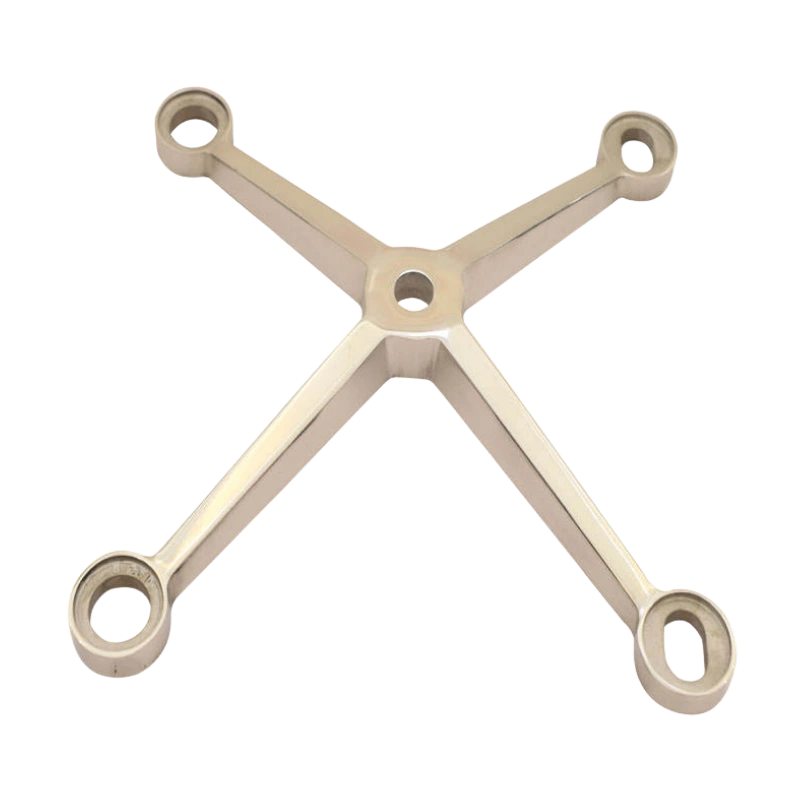
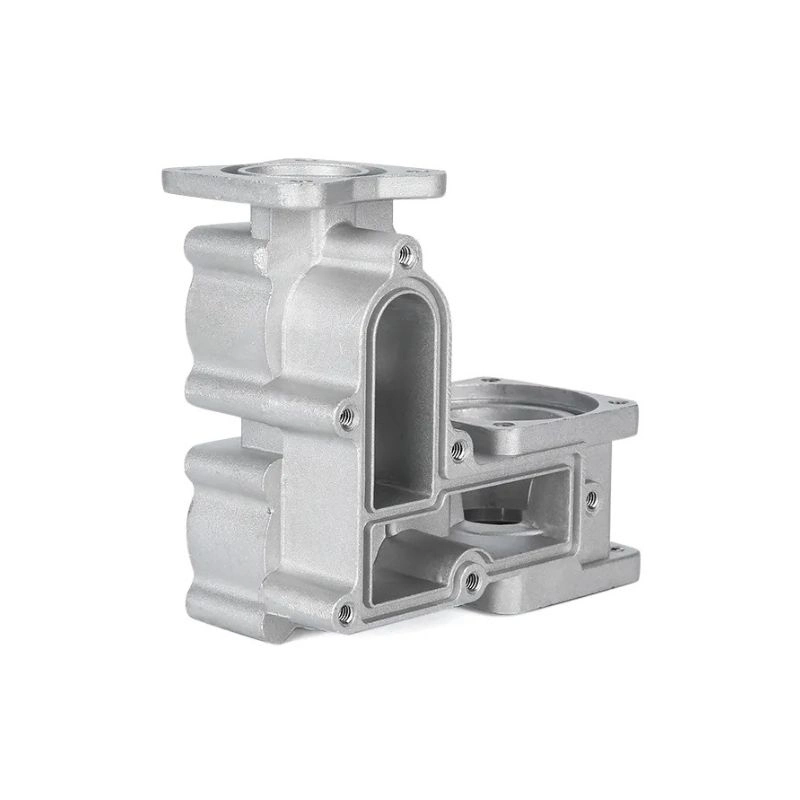
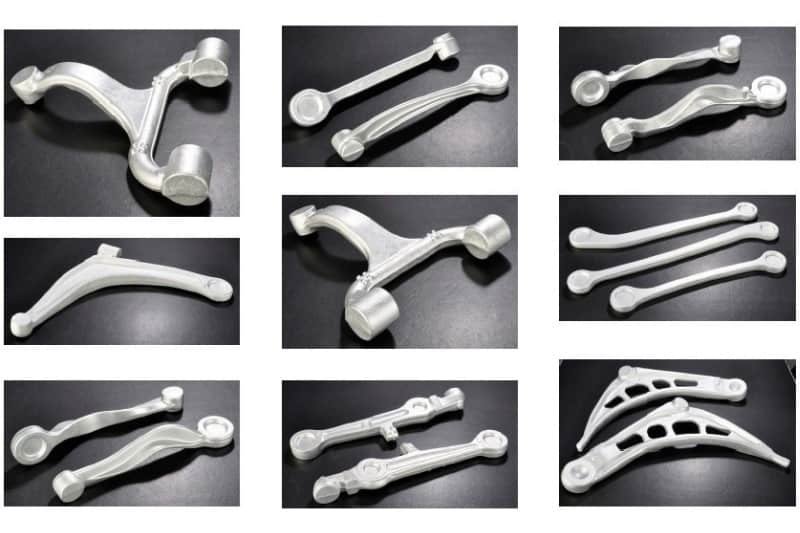
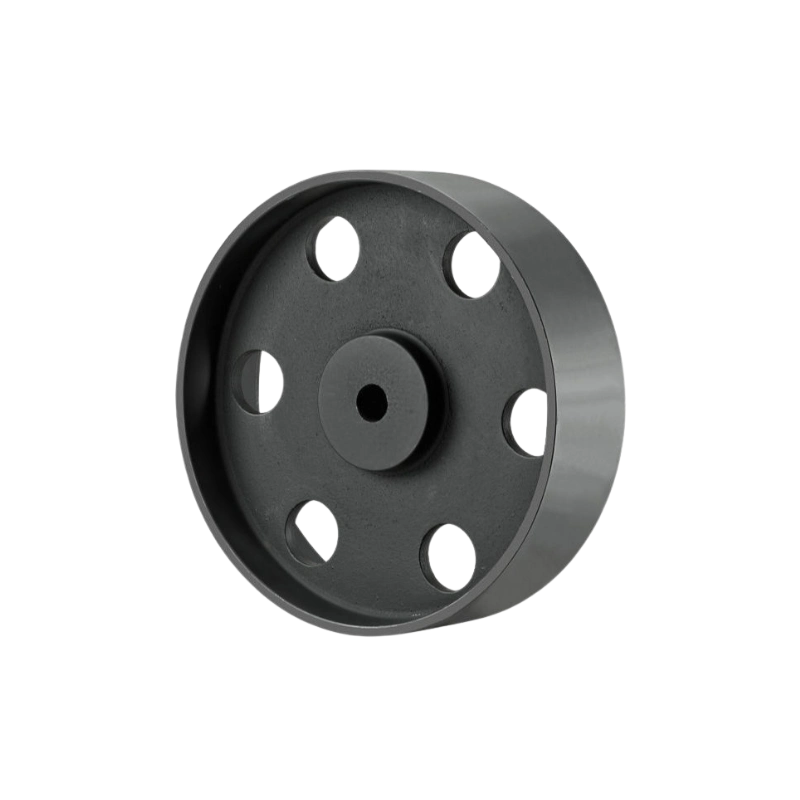
Оглянитесь вокруг; вы увидите, что литье используется в производстве многих товаров повседневного спроса: автомобильных двигателей, металлических труб и деталей машин, и это лишь некоторые примеры. В современном производстве литье имеет важное значение благодаря своей способности легко создавать прочные и сложные формы.
Но что же такое кастинг?
Это процесс, при котором жидкое содержимое, в большинстве случаев металл, впрыскивается в форму и охлаждается до затвердевания. Это давно используемый метод, который будет иметь решающее значение в 2026 году. Литье необходимо в промышленности для создания высококачественных, экономически эффективных и долговечных компонентов.
В этом руководстве вы узнаете все о литье, его механизме, формах, областях применения и о том, почему оно необходимо в современном мире.
Что такое кастинг?
Кастинг Это производственный процесс, при котором расплавленный материал заливается в полость формы. Он затвердевает и принимает форму формы при охлаждении.
Как работает кастинг
Концепция литья проста:
- Нагрейте вещество до тех пор, пока оно не расплавится.
- Вылейте в форму.
- Дайте ему остыть и затвердеть.
- Извлеките готовую деталь.
Это позволяет создавать сложные формы, которые практически невозможно получить с помощью других техник.
Ключевые компоненты в литье
Это основные моменты, которые вам следует знать, чтобы иметь представление о процессе отливки.
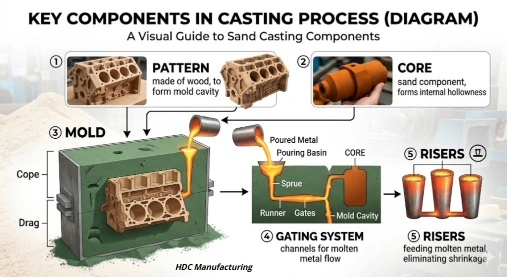
- Форма: полость, заполненная жидким металлом.
- Шаблон: Шаблон, используемый для изготовления формы.
- Ствол: Полая отливка изготавливается с использованием стержня.
- Система литников: каналы, по которым течет расплавленный металл.
- Подставки: Помогают устранить усадку за счет подачи дополнительного металла.
История и эволюция литья
Литье — не новое явление. Ему тысячи лет.
- В бронзовом веке древние люди отливали свои орудия труда и оружие.
- Со временем методы работы совершенствовались как в плане материалов, так и инструментов.
- Технология литья получила развитие в период промышленной революции.
- Сегодня литье автоматизировано, роботизировано и компьютеризировано.
В наши дни литье стало быстрее, точнее и эффективнее, чем когда-либо.
Полный процесс литья (пошаговое руководство)
Чтобы правильно понять процесс литья, вы должны иметь возможность наблюдать за ним шаг за шагом. Все эти этапы важны и напрямую влияют на качество конечного продукта.
Проектирование и планирование продукции
Всё начинается с чёткого плана. Решение принимают инженеры:
- Форма и размеры изделия.
- Характер используемого материала.
- Наиболее эффективная техника литья.
Они также учитывают такие аспекты, как прочность, вес и стоимость. Грамотно спланированное проектирование помогает минимизировать дефекты, а также сократить время и затраты на производство.
Изготовление выкройки
Шаблон представляет собой копию конечного изделия. Он используется для создания полости пресс-формы.
Возможны следующие варианты:
- Дерево (в простых конструкциях)
- Металл (для длительного использования)
- Пластик (точнее, прочный)
В выкройки заложены дополнительные припуски на усадку, обработку на станке и отделку. Это позволяет получить изделие нужного размера.
Создание ядра
Когда для литья требуются пустотелые пространства или внутренние формы, используются стержни.
Например:
- Трубы
- Блоки двигателя
- Полые детали машин
Для изготовления стержней обычно используется песок, а заливка происходит в форму. Песок способствует формированию внутренней полости, которую сама форма не может сформировать.
Изготовление пресс-форм
Одним из наиболее важных компонентов литья является форма. Она содержит расплавленный металл и придает изделию окончательную форму.
К распространенным типам относятся:
- Песчаные формы: Обычный и недорогой.
- Постоянные слепки: Многоразовое использование и более правдивое утверждение.
Пресс-форма должна быть прочной, термостойкой и иметь продуманную конструкцию, предотвращающую появление дефектов.
Плавление металла
На этом этапе металл нагревают до тех пор, пока он не перейдет в жидкое состояние.
Наиболее часто используемые печи:
- Индукционная печь
- Электрофинансирование
Температуру следует контролировать. Слишком высокая или слишком низкая температура металла может повлиять на качество отливки.
Заливка расплавленного материала
Расплавленный металл подается в форму с помощью литниковой системы.
Эта мера является деликатной и должна быть безопасной, поскольку:
- Металл очень горячий.
- Дефекты могут быть вызваны неправильным наливанием.
Сотрудники должны следить за тем, чтобы заливка производилась непрерывно и плавно, чтобы заполнить форму.
Охлаждение и затвердевание
После заливки металл начинает остывать и затвердевать в форме.
Скорость охлаждения имеет важное значение в следующих случаях:
- Прочность детали.
- Внутренняя структура
- Общее качество
Процесс охлаждения контролируется во избежание трещин и дефектов.
Процесс встряхивания
После полного затвердевания металла форму снимают.
При литье в песчаные формы для извлечения отливки происходит ее разрушение. Этот процесс называется выбиванием отливки.
Очистка и отделка
Обычно отливка имеет грубую структуру и содержит примеси.
Для его улучшения используются такие процессы, как...
- Шлифование
- Резка
- Полировка
Используются. Этот процесс гарантирует соответствие конечного продукта требуемым стандартам.
Инспекция и контроль качества
Наконец, отливка проверяется на наличие дефектов.
К числу наиболее распространенных методов проверки относятся следующие:
- Визуальный осмотр
- Контроль размеров
- Неразрушающий контроль (НК)
Эта мера обеспечит безопасный, точный и пригодный для использования продукт.
Виды процессов литья
В современном производстве используется множество технологий литья. Процесс, уровень точности и промышленное применение каждого метода различны. Каждый тип подробно описан ниже.
Литье в песчаные формы
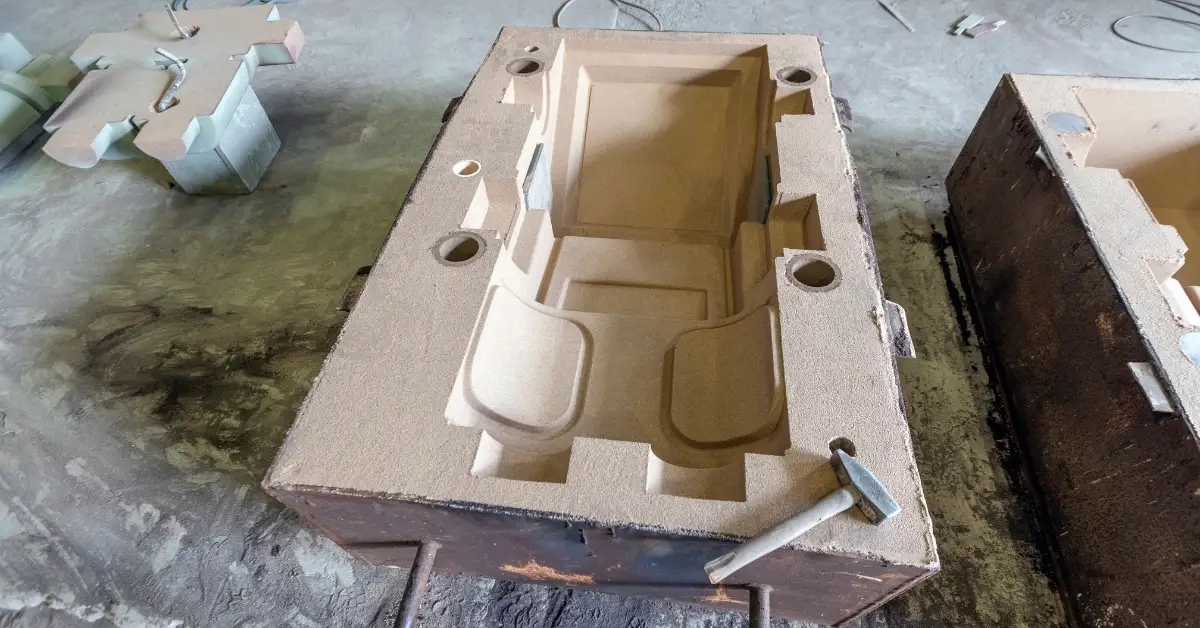
Литье в песчаные формы — это вид производства, при котором расплавленный металл заливается в песчаную форму. После охлаждения песчаная форма раскалывается для извлечения готового изделия.
Применение
- Блоки двигателя
- Основания машин
- Крупные промышленные детали
- Корпуса насосов
Как это работает
Наиболее распространенным и популярным методом литья является литье в песчаные формы, которое является простым и экономичным. Первый шаг — это размещение модели в песке для формирования полости формы.
Инвестиционное литье (Литье по выплавляемым моделям)
Литье по выплавляемым моделям — это точный метод литья, при котором восковая модель покрывается керамической оболочкой. Затем воск расплавляется, и расплавленный металл заливается в оболочку.
Применение
- Аэрокосмические компоненты
- Медицинские инструменты
- Ювелирные изделия
- Высокоточные промышленные детали
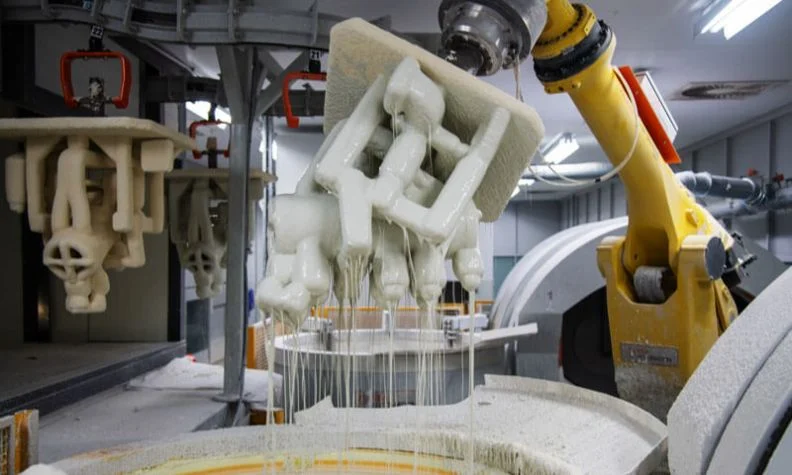
Как это работает
Этот процесс позволяет получать очень точные и детализированные компоненты. Сначала изготавливается восковая модель изделия, которая затем покрывается керамическим материалом. После затвердевания воск удаляется, оставляя полую форму. Окончательная форма достигается путем заливки в нее расплавленного металла. Этот метод идеально подходит для сложных конструкций, требующих гладкости и высокой точности.
Литье под давлением
Литье под давлением — это технология, при которой расплавленный металл подвергается высокому давлению и впрыскивается в стальную форму (пресс-форму).
Применение
- Автомобильные запчасти
- Корпуса для электроники
- Компоненты бытовой техники
- компоненты из алюминия и цинка
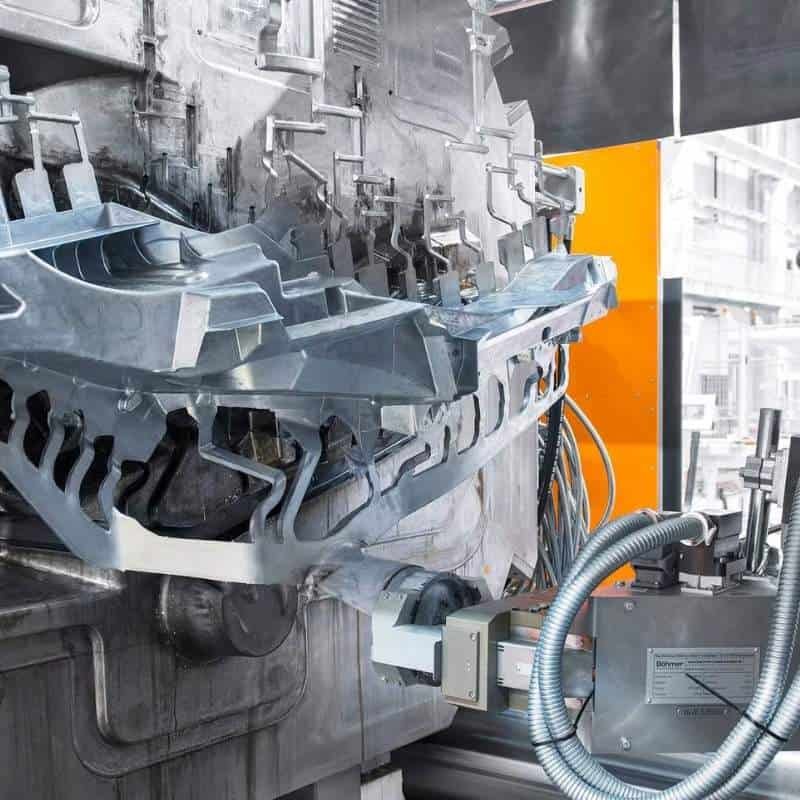
Как это работает
Массовое производство металлических деталей осуществляется методом литья под давлением. Расплавленный металл под высоким давлением и с высокой скоростью подается в металлическую форму. Это позволяет получать точные, гладкие и прочные детали. Начальная стоимость форм довольно высока, но при использовании в крупномасштабном производстве они оказываются весьма экономичными.
Центробежное литье
Центробежное литье Это технология, при которой расплавленный металл отливается во вращающуюся форму, а центробежная сила формирует эту форму.
Применение
- Трубы
- трубы
- Втулки
- Цилиндрические детали машин.
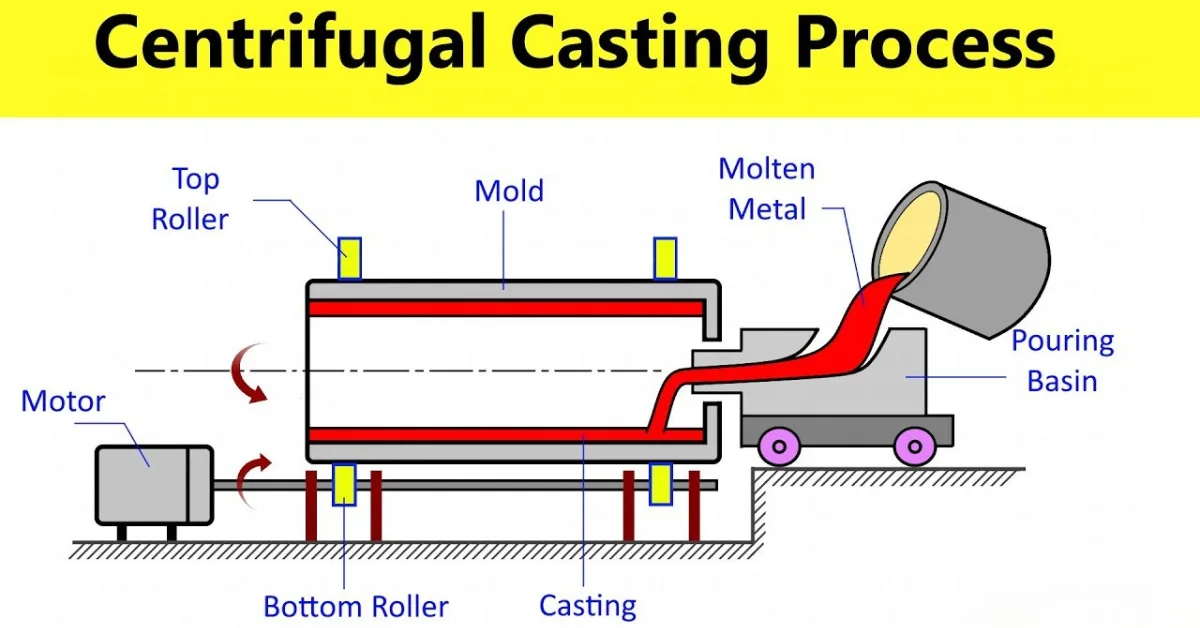
Как это работает
В этой технологии форма быстро вращается, а расплавленный металл заливается в нее. Сила воздействия заставляет металл равномерно прижиматься к стенкам формы. Это позволяет получать толстые, твердые и безупречные детали. Этот метод особенно эффективен для изготовления полых цилиндрических деталей.
Непрерывное литье
Концепция непрерывное литье Процесс включает в себя непрерывную литье расплавленного металла в виде длинных заготовок, таких как слитки и прутки.
Применение
- производство стали
- Металлические стержни
- Конструкционные балки
- Промышленное сырье
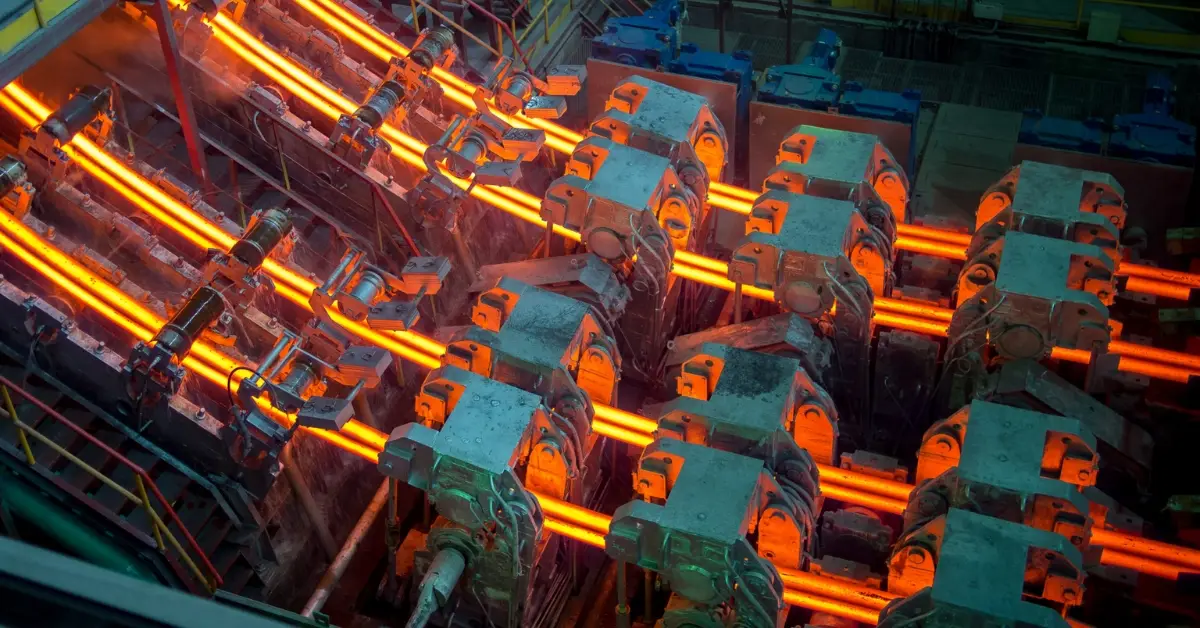
Как это работает
Расплавленный металл заливается в охлажденную форму и начинает затвердевать. Затем его постоянно извлекают по мере затвердевания. Этот процесс очень эффективен и широко используется в сталелитейной промышленности, поскольку обеспечивает однородное качество и минимизирует отходы.
Литье в оболочковидные формы
Литье в оболочковидные формы — это технология, при которой форма создается с помощью тонкой оболочки из песка и смолы.
Применение
- Шестерни
- корпуса клапанов
- Автомобильные компоненты
- Детали средней точности
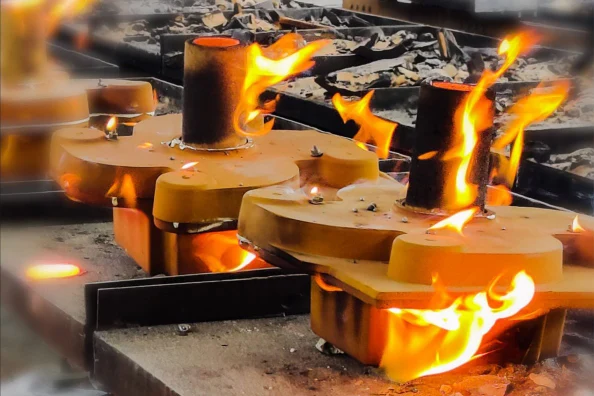
Как это работает
В этой процедуре модель нагревается и покрывается песком, покрытым смолой, для создания твердой оболочки. Полость формы формируется путем соединения двух оболочек. Затем добавляется расплавленный металл. Это обеспечивает более точную и гладкую поверхность, чем дополнительное литье в песчаные формы.
Постоянное литье в форму
Литье в постоянные формы — это процесс литья, при котором используются многоразовые металлические формы для изготовления литых деталей.
Применение
- Алюминиевые детали
- Автомобильное оборудование
- Производство средних объемов
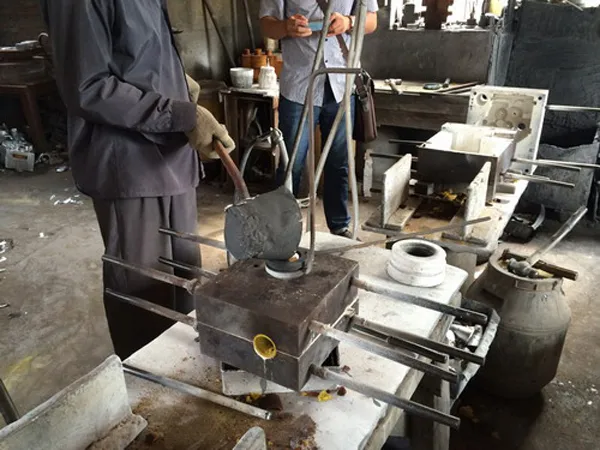
Как это работает
Расплавленный металл заливается в металлическую форму, которая подлежит переработке. Высокая теплопроводность формы обеспечивает быстрое охлаждение металла, что позволяет получать более прочные и однородные детали. Это более качественный процесс по сравнению с литьем в песчаные формы, и его можно использовать в многократных производственных циклах.
Вакуумное литье
Вакуумное литье — это технология, при которой расплавленный металл заливается в форму, а воздух и газы удаляются путем заливки расплавленного металла в вакуумных условиях.
Применение
- Детали прототипа
- Высококачественные промышленные компоненты
- Детали точного машиностроения
- Небольшие производственные партии
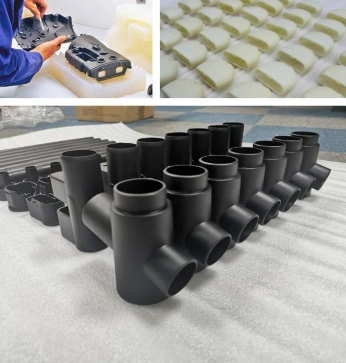
Как это работает
В этом процессе используется вакуумная система для вытеснения воздуха из полости формы, после чего происходит заливка металла. Это сводит к минимуму дефекты, такие как пузырьки воздуха и пористость. В результате повышается прочность, точность и качество поверхности конечного изделия.
Литье по выплавляемым моделям
Литье по выплавляемым моделям — это процесс, в котором используется пенопластовая модель и расплавленный металл в процессе заливки.
Применение
- компоненты двигателя
- Сложные промышленные детали
- Автомобильное производство
- Металлические детали нестандартной формы
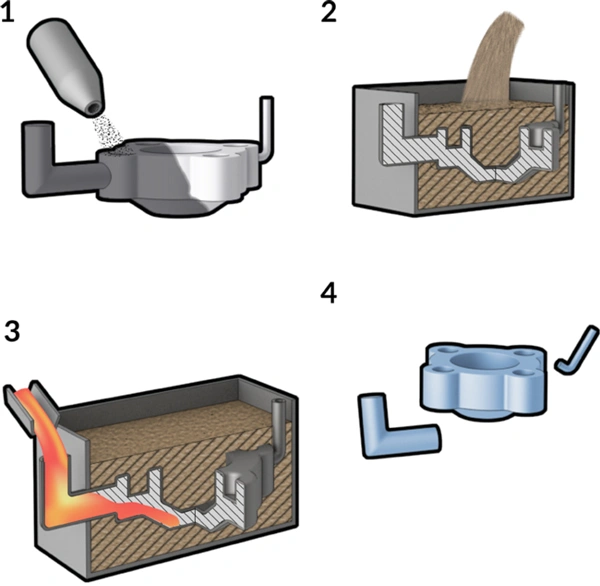
Как это работает
Изготавливается модель изделия из пенопласта с керамическим покрытием. При заливке расплавленного металла пена испаряется, и пространство заполняется металлом. Это позволяет создавать очень сложные формы без удаления шаблонов, а сам процесс является эффективным и гибким.
Материалы, используемые при литье
Материалы различаются в зависимости от требований к изделию, требований к прочности и условий эксплуатации.
Черные металлы
- Чугун: Благодаря своим прочным свойствам, износостойкости и литейным характеристикам, он широко используется в блоках цилиндров двигателей, основаниях машин и трубах.
- Сталь: Применяется в случаях, когда требуется высокая прочность и долговечность. Области применения: стальные отливки Включая тяжелую технику, строительные и промышленные компоненты.
Это очень прочные и долговечные материалы, идеально подходящие для выполнения сложных задач.
Цветные металлы
- Алюминий: Очень лёгкий, некоррозионный, используется в автомобильной и аэрокосмической промышленности.
- МедьОтличный проводник, широко используется в электротехнических и сантехнических изделиях.
- Цинк: Применяется в литье под давлением благодаря способности создавать тонкие формы и гладкую поверхность.
- Магний: Чрезвычайно легкий и удобный в тех областях, где вес имеет решающее значение.
Эти материалы менее коррозионно-активны и легче большинства черных металлов.
Неметаллические материалы
- Пластмассы: Применение в литье легких компонентов, прототипов и потребительских товаров.
- Керамика: Выбран для использования в термостойких и специализированных промышленных целях.
Это материалы, обычно используемые в специальных или высокоэффективных областях применения.
Передовые материалы в 2026 году
- Легкие сплавы: Современные сплавы повышают прочность и снижают вес изделий.
- Композитные материалы: Применяется там, где крайне важны высокая производительность, длительный срок службы и меньший вес.
Это высокотехнологичные материалы, повышающие эффективность и производительность продукции.
Критерии отбора материалов
При выборе материала следует учитывать следующее:
- Требования к прочности
- вес продукта
- себестоимость производства
- Рабочая среда
- Устойчивость к высоким температурам и коррозии.
- Обрабатываемость и долговечность
Правильный выбор материала влияет на качество, стоимость и срок службы изделия.
Кастинг Проектные соображения
Успешное литье основано на грамотном проектировании. Качественный продукт помогает минимизировать дефекты, повысить качество и снизить производственные затраты.
Важные факторы
- Равномерная толщина стенки: Обеспечивает равномерное охлаждение и предотвращает образование трещин.
- Правильные углы тяги: Облегчает извлечение отливок из форм.
- Сглаженные углы (филе): На уроках уделяется особое внимание концентрации внимания и отработке навыков.
- Прибавка на усадку: Компенсирует усадку при охлаждении.
Несоблюдение этих правил проектирования может привести к таким дефектам, как трещины, деформация и неполное заполнение. Правильное проектирование гарантирует эффективное производство и высокое качество продукции.
Преимущества и недостатки литья
Преимущества
Литье имеет множество преимуществ в производстве:
- Вы умеете рисовать сложные фигуры.
Процесс литья позволяет легко создавать детализированные конструкции, которые было бы сложно реализовать с помощью альтернативных методов.
- Эффективен в больших дозах.
Литье может быть более эффективным методом производства крупных и тяжелых деталей.
- Это сводит к минимуму отходы материалов.
Количество отходов часто сокращается, поскольку материал заливается в форму, и не так велико, как при механической обработке.
- Это экономически выгодно при производстве больших объемов.
После подготовки пресс-форм их можно изготавливать в больших количествах и с меньшими затратами.
- Это сложный процесс, требующий использования разнообразных материалов.
В зависимости от области применения могут использоваться металлы и некоторые неметаллы.
Недостатки
К недостаткам литья относятся также следующие:
- Качество обработки поверхности может быть не идеальным.
Для получения гладких поверхностей некоторых отливок может потребоваться полировка или механическая обработка.
- Возможны некоторые дефекты.
Качество может ухудшиться из-за таких проблем, как пористость, трещины или усадка.
- Требуется дальнейшая доработка.
Большинство отливок необходимо обрезать, отшлифовать или обработать механическим способом.
- Инструменты стоят дорого.
Для некоторых процессов литья требуются дорогостоящие формы или модели.
- Контроль качества имеет важное значение.
Отсутствие контроля над процессом может привести к непоследовательным результатам.
Распространенные дефекты литья (с решениями)
Газовая пористость
Небольшие отверстия, образованные захваченным газом в расплавленном металле.
Решение: Перед заливкой необходимо улучшить вентиляцию, а также удалить влагу и газы.
Дефекты усадки
Из-за усадки металла при охлаждении образуются отверстия.
Решение: Используйте соответствующие стояки и контролируйте скорость охлаждения.
Холодные затворы
Металл не плавится, образуя слабые линии.
Решение: Для заливки используйте более высокую и качественную форму.
Мисрунс
Это происходит, когда расплавленный металл не полностью заливается в форму.
Решение: Улучшенная конструкция задвижки и оптимальная скорость наливания.
Трещины и горячие слезы
Из-за напряжений, возникающих при охлаждении и затвердевании.
Решение: Улучшить конструкцию пресс-форм и отрегулировать условия охлаждения.
Как предотвратить дефекты литья
- Правильный дизайн пресс-форм.
- Контролируйте температуру разлива и охлаждения.
- Используйте качественное сырье.
- Перед началом производства проверьте пресс-формы.
- Обеспечьте надлежащий контроль и тестирование производственных процессов.
Предотвращение дефектов повышает качество продукции и минимизирует производственные потери.
Литье против других производственных процессов
| Процесс | Определение | Преимущества | Недостатки | Наилучшее применение |
| Кастинг | Расплавленный материал впрыскивается в форму. | Минимизация отходов, низкая стоимость, сложные формы. | Проблемы с качеством обработки поверхности и потенциальные дефекты. | Крупные и громоздкие компоненты. |
| Ковка | Для придания металлу формы используется сила сжатия. | Исключительно высококачественные компоненты и высокая долговечность. | Дорогие, ограниченный выбор форм. | Компоненты повышенной прочности. |
| Обработка | Форма получается путем удаления материала. | Очень высокая точность и прецизионность. | Крупномасштабное производство — медленный и расточительный процесс, требующий большого количества материалов. | Детали высокой точности. |
| Литье под давлением | Пластик расплавляется и впрыскивается в форму. | Быстрое производство, дешевое массовое производство. | Высокая стоимость пресс-форм, изготовленных только из пластика. | Пластиковые изделия |
| 3D-печать | Послойное материальное строительство. | Очень гибкая конструкция, не требует литья. | Медленное, дорогостоящее, крупномасштабное производство. | Прототипирование и изготовление деталей на заказ. |
Применение литья в промышленности
Литье используется во многих отраслях промышленности, потому что оно позволяет изготавливать прочные и сложные детали.
Автомобильная промышленность
- Детали двигателя
- Компоненты шестерни
- Корпуса тормозов
- Корпуса трансмиссии
Литье помогает создавать прочные и точные автомобильные компоненты.
Строительная промышленность
- Трубы
- Конструктивные части
- Клапаны
- Компоненты тяжелой техники
Это способствует повышению надежности компонентов зданий и инфраструктуры.
Аэрокосмическая промышленность
Прецизионные компоненты:
В авиационных и аэрокосмических системах используются легкие и высокопрочные литые детали.
Медицинская промышленность
- Имплантаты
- Хирургические инструменты
- Компоненты медицинского оборудования
Наложение гипсовых повязок повышает точность и надежность в медицинской практике.
Энергетический сектор
- Турбины
- Силовое оборудование
- Корпуса насосов
- корпуса клапанов
Литые компоненты используются во многих энергетических системах.
Морская промышленность
Корабельные запчасти
Литье используется для изготовления гребных винтов, насосов и деталей судовых двигателей.
Сельскохозяйственная промышленность
Детали машин
Детали тракторов, детали плугов и другое тяжелое формовочное оборудование отливаются методом литья.
Инструменты и оборудование, используемые при литье.
В процессе литья для обеспечения точности и безопасности используется ряд инструментов и станков.
- Печи: Печи используются для плавки металлов.
- Формы: Формы, придающие расплавленному металлу нужную форму.
- Половники: Они используются для безопасной разливки расплавленного металла.
- Системы охлаждения: Способствует регулированию процесса закалки металла.
- Инструменты тестирования: Проведение испытаний позволяет проверить качество и выявить дефекты.
Меры безопасности в литейной промышленности
В литье безопасность также является важным аспектом, поскольку это процесс, связанный с высокими температурами и расплавленными металлами.
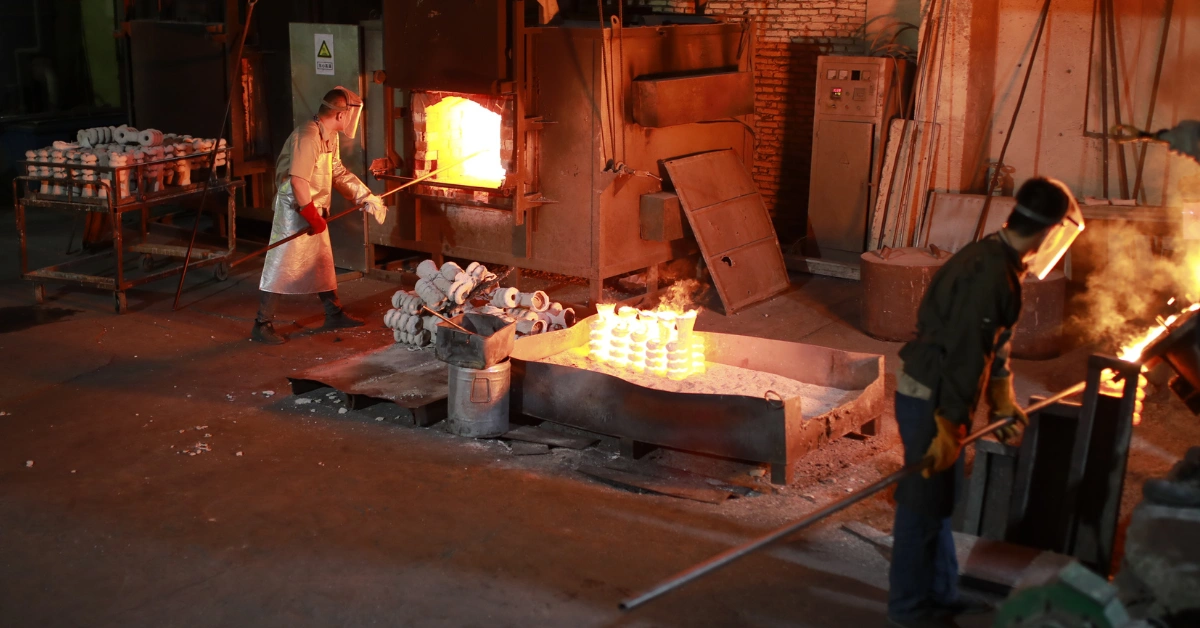
- Используйте защитную одежду, шлемы, перчатки и термостойкую одежду.
- При работе с горячим металлом следует соблюдать осторожность, чтобы предотвратить ожоги и несчастные случаи.
- Соблюдайте правила техники безопасности и стандартные рабочие процедуры.
- Соблюдайте безопасное расстояние между печами и зонами заливки.
Факторы стоимости в литье
Общая стоимость литья определяется рядом факторов:
- Стоимость материала: Используемый металл, его тип и качество.
- Затраты на рабочую силу: Для производства требуются квалифицированные рабочие.
- Стоимость оборудования: Стоимость печей, форм и оборудования.
- Объем производства: Количество производимых деталей.
Массовое производство, как правило, снижает себестоимость единицы продукции, поэтому литье обходится дешевле при массовом производстве.
Будущее литейной промышленности (после 2026 года)
Литейная промышленность постоянно развивается и становится все более технологически совершенной.
- Больше автоматизации с помощью роботов и интеллектуальных машин.
- Изобретение превосходных и более мощных материалов.
- Рост индустрии электромобилей (EV) и возобновляемых источников энергии.
- Искусственный интеллект и цифровое моделирование позволяют добиться повышения точности и уменьшения количества дефектов.
Вывод
Одним из наиболее значимых производственных процессов в мире является литье. Оно позволяет изготавливать прочные, сложные и надежные компоненты, используемые в повседневной жизни. Литье обеспечило эффективность и гибкость современной промышленности, от простых инструментов до сложных станков.
В Производство HDC, Мы специализируемся на предоставлении высококачественные литейные решения Мы соответствуем современным отраслевым стандартам. Мы знаем ваши потребности и предоставляем качественные и доступные услуги. Мы можем помочь вам, если вам требуется профессиональное литье. Позвоните нам прямо сейчас, обсудите ваш проект и сделайте следующий шаг к высокоточному производству.
Часто задаваемые вопросы
Что такое кастинг простыми словами?
Литье можно определить как процесс, при котором жидкий материал заливается в форму и затвердевает, принимая заданную форму.
Какие существуют основные виды литья?
Основные виды литья: литье в песчаные формы, литье под давлением., литье по выплавляемым моделям, и центробежное литье.
Где используется литье?
Литье находит применение в автомобильной, строительной, аэрокосмической и многих других отраслях.
Какие материалы используются при литье?
К числу распространенных материалов относятся железо, сталь, алюминий и медь.
В чём преимущества литья?
Литье хорошо подходит для придания сложных форм, сопряжено с меньшим количеством отходов и обходится дешево при производстве в больших количествах.