Custom Sheet Metal Stamping Solutions
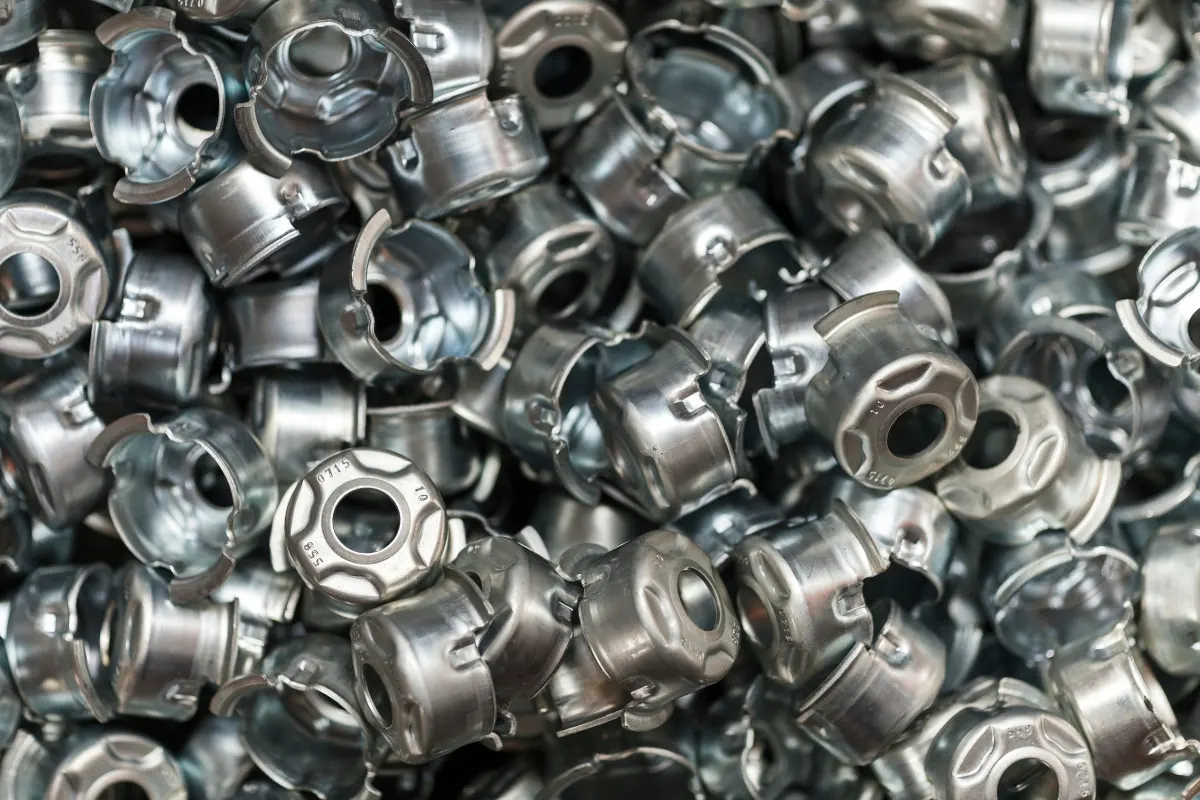
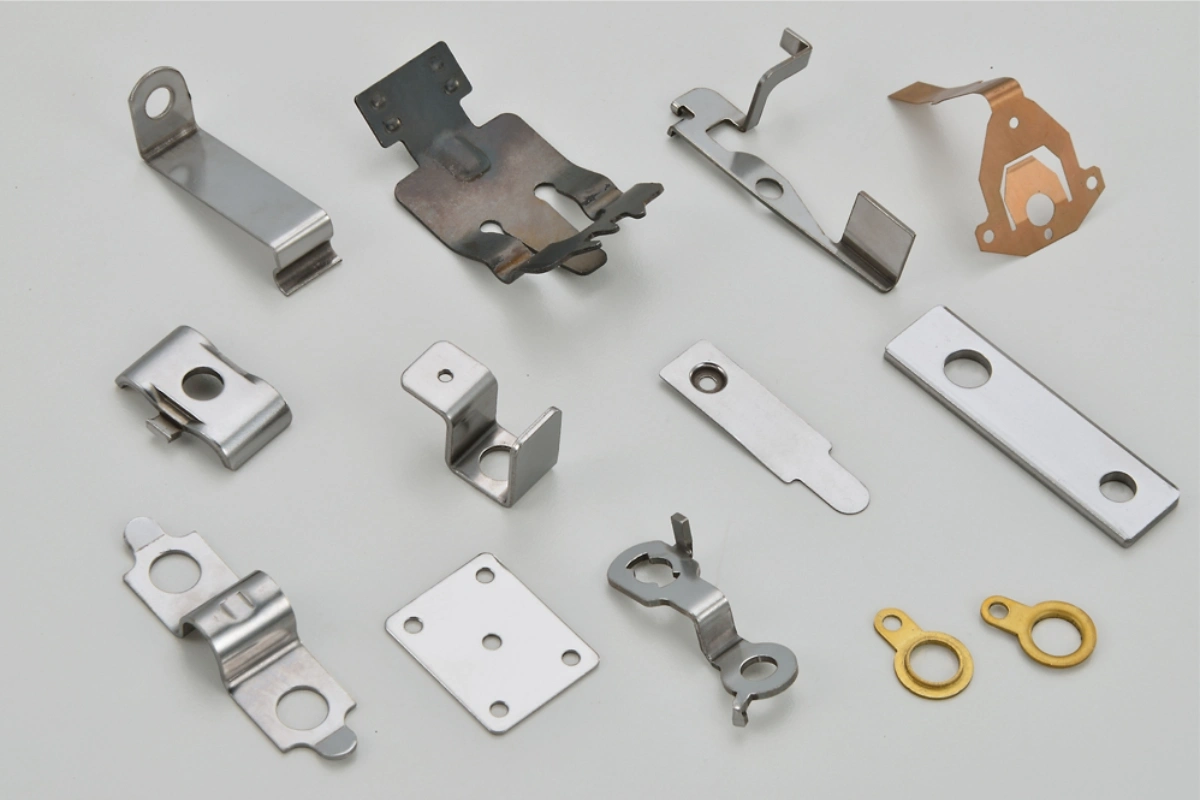
HDC Manufacturing is dedicated to providing efficient and precise metal stamping services across various industries. Our expert team and advanced equipment ensure that every project meets the strictest standards. From small-batch prototyping to large-scale production, HDC is your trusted partner for reliable and high-quality metal stamping solutions.
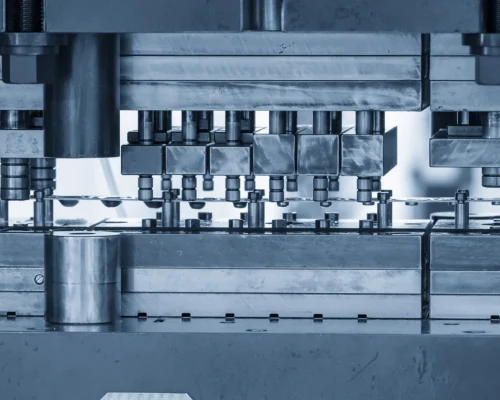
Benefits of Metal Stamping
Discover how metal stamping and punching can enhance your production efficiency and product quality.

High Precision
Ensures consistent dimensions and shapes for every part, achieving tight tolerances and significantly reducing the need for secondary machining or adjustments.

High Efficiency
Ideal for mass production, significantly reducing lead times and increasing throughput, which helps meet tight project deadlines and improves overall productivity.

Cost Efficiency
Minimizes material waste and lowers production costs through efficient processes, making it an economical choice for large-scale production without compromising quality.

Versatility
Suitable for a wide range of metals, including steel, aluminum, and brass, and capable of producing intricate and complex shapes, accommodating diverse and custom design requirements.

Strength and Durability
Enhances the mechanical properties and durability of parts, ensuring they can withstand demanding applications in industries such as automotive, aerospace, and heavy machinery.

Consistency
Guarantees high quality and reliability for every component, ensuring dependable performance, reducing the likelihood of defects or failures, and maintaining uniformity across large production runs.
Why Choose HDC Manufacturing
Precision and Innovation with HDC Manufacturing’s 3D Printing
State-of-the-Art Technology
Our advanced stamping and punching machines ensure exceptional precision and accuracy, meeting the strictest tolerances for consistent, high-quality parts.
High-Volume Production Capability
Our robust infrastructure supports both small and large production runs, ensuring timely delivery without compromising quality.
Experienced Team
Our skilled engineers and technicians bring extensive experience to every project, providing innovative solutions from design to production.
Diverse Material and Finishing Options
We offer a wide range of materials and surface treatments, such as anodizing and plating, to meet diverse industry needs and custom specifications.
Comprehensive Customization
We tailor our metal stamping and punching services to your specific requirements, delivering customized solutions for complex designs, unique materials, and specialized finishes.
Commitment to Quality
We tailor our metal stamping and punching services to your specific requirements, delivering customized solutions for complex designs, unique materials, and specialized finishes.
Types of Metals for Stamping
Explore the diverse range of metals HDC offers for high-quality and customized metal stamping solutions.
Steel
Steel is one of the most commonly used metals in stamping due to its strength and versatility. It offers high tensile strength, durability, and excellent formability. Ideal for automotive parts, industrial machinery components, and structural elements.
Stainless Steel
Known for its corrosion resistance and attractive finish, stainless steel is perfect for parts requiring high hygiene standards and aesthetics. It combines corrosion resistance, strength, and ease of cleaning. Suitable for kitchen appliances, medical devices, and food processing equipment.
Aluminum
Lightweight and corrosion-resistant, aluminum is perfect for applications where weight reduction is critical. It offers lightweight properties, corrosion resistance, and good conductivity. Commonly used in aerospace components, automotive panels, and electronic housings.
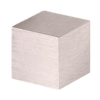
Titanium
Titanium is valued for its high strength-to-weight ratio and corrosion resistance, suitable for demanding environments. It offers high strength, low weight, and exceptional corrosion resistance. Perfect for aerospace parts, medical implants, and marine hardware.
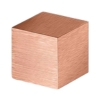
Copper
Copper is known for its excellent electrical and thermal conductivity, making it essential for electrical applications. It features high conductivity, corrosion resistance, and ductility. Used in electrical components, heat exchangers, and plumbing systems.
Nickel Alloys
Nickel alloys offer excellent performance in extreme conditions, including high temperatures and corrosive environments. They provide heat resistance, corrosion resistance, and durability. Used in turbine blades, chemical processing equipment, and high-temperature fasteners.
Understanding Metal Stamping
Gain insights into the history, methods, materials, applications, precision, limitations, and future trends of metal stamping.
- History of Metal Stamping: Metal stamping has evolved from simple hand-operated presses in the early 19th century to sophisticated, automated machinery incorporating CAD and CAM technologies, enabling high precision and efficiency.
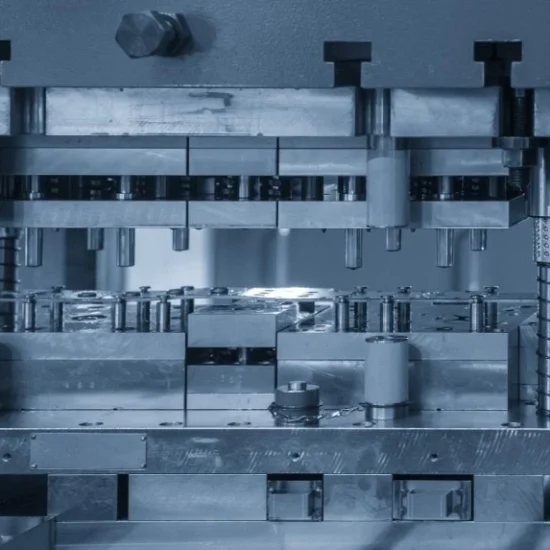
- Processing Methods: Metal stamping involves techniques such as blanking, piercing, bending, forming, punching, and drawing. Progressive die stamping, transfer die stamping, and four-slide stamping are commonly used to shape metal sheets into desired parts with high-pressure force.
- Material Forms: Typically using sheet metal, metal stamping can also work with foils and coils. Material selection depends on the desired properties of the final product, such as strength, flexibility, and corrosion resistance.
- Product Types: Metal stamping is suitable for automotive components, electronic enclosures, appliance parts, medical devices, and aerospace components. It is ideal for high-volume production and custom, complex designs.
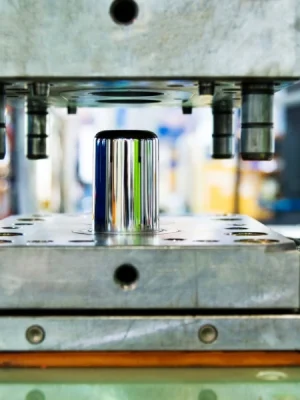
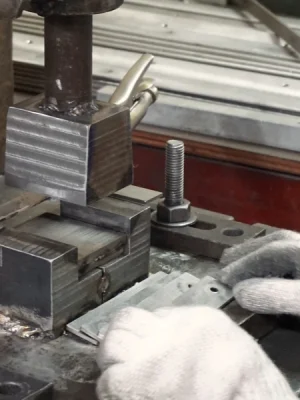
- Precision: Metal stamping achieves high precision with tolerances often within ±0.001 inches, ensuring consistency and quality in mass-produced parts, making it ideal for industries requiring exact specifications.
- Limitations: The initial setup cost for dies and presses can be high, making it less suitable for small production runs. Complex parts with deep draws or severe bends may require secondary operations or alternative manufacturing methods.
- Future Trends: The future of metal stamping will likely see further integration of advanced technologies like AI and machine learning for enhanced process control and quality assurance. New materials and alloys will expand possibilities, and sustainability will be a key focus, aiming to reduce waste and improve energy efficiency.
- Metal stamping remains a vital manufacturing process, offering precision, efficiency, and versatility for a wide range of applications, and will continue to be a cornerstone of modern production techniques with ongoing advancements.
Applications of Metal Stamping
Discover how metal stamping is utilized in various industries to create high-quality, precision components.
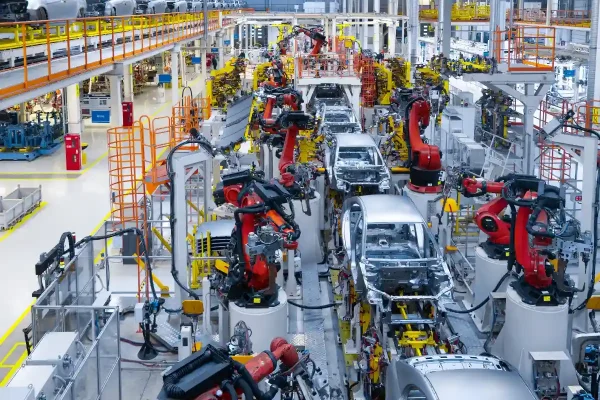
Automotive Industry
Metal stamping produces a wide range of automotive parts, including body panels, chassis components, brackets, and engine parts. It is essential for manufacturing car frames, exhaust systems, transmission components, and safety features like airbag housings.

Industrial Machinery
Metal stamping produces robust and durable parts for heavy machinery and industrial equipment. This includes machine frames, gears, brackets, and fasteners used in manufacturing and construction machinery.
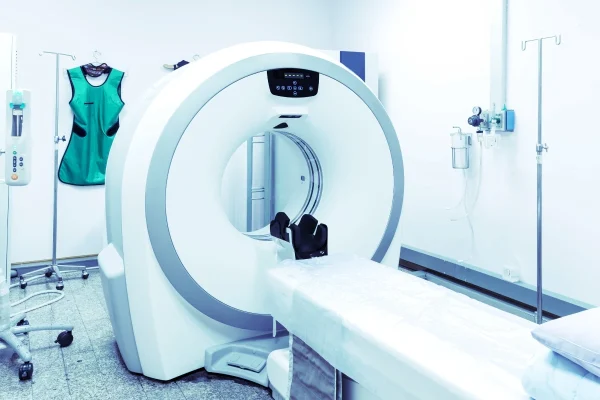
Medical Industry
Metal stamping provides precision and reliability for various medical devices and equipment, including surgical instruments, implantable devices, diagnostic equipment, and medical device housings.

Aerospace Industry
The aerospace industry relies on metal stamping for lightweight, high-strength components critical for performance and safety. This includes aircraft structural components, engine parts, and intricate assemblies for aerospace equipment.

Electronics Industry
Metal stamping is vital for creating precise and durable electronic components such as connectors, heat sinks, enclosures, and shielding for electronic devices and circuit boards.

Appliance Industry
Stamped metal parts are integral to the assembly and function of household appliances, including components for refrigerators, washing machines, ovens, and HVAC systems.
Precision in Sheet Metal Fabrication
Discover the high levels of accuracy achievable with HDC’s sheet metal fabrication, ensuring your components meet stringent precision standards.
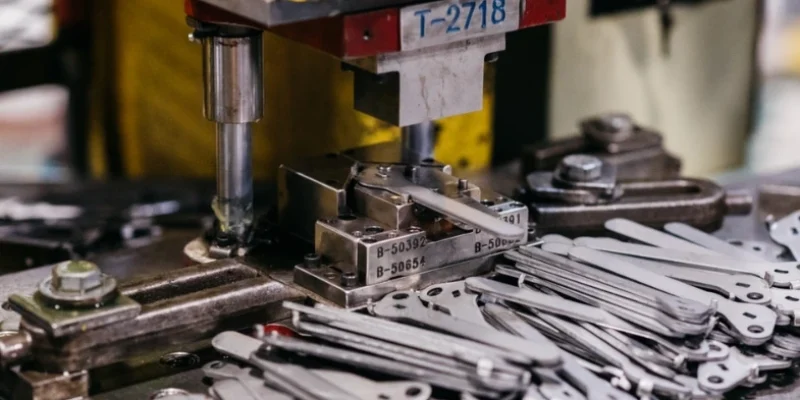
| Precision Aspect | Description | Typical Tolerances |
|---|---|---|
| Dimensional Tolerance | Ensures parts meet exact size specifications, reducing the need for adjustments | ±0.001 to ±0.005 inches |
| Thickness Tolerance | Maintains uniform material thickness throughout the stamping process | ±0.001 to ±0.003 inches |
| Flatness Tolerance | Ensures flat surfaces are maintained without warping or distortion | ±0.002 inches per inch |
| Hole Tolerance | Achieves precise hole sizes and locations for assembly and fit | ±0.002 to ±0.005 inches |
| Angular Tolerance | Controls the exact angle measurements for bends and forms | ±0.5 degrees |
| Surface Finish | Provides smooth and consistent surface quality | Up to 32 micro- |
FAQs
What materials can you work with for metal stamping?
We work with a wide range of materials including steel, stainless steel, aluminum, brass, copper, titanium, and nickel alloys to meet diverse project requirements.
What is the typical lead time for a metal stamping project?
Lead times vary based on project complexity and volume, but we strive to complete most orders within 6-8 weeks. We also offer expedited services for urgent needs.
Can you handle both small and large production runs?
Yes, we are equipped to manage both small batch prototypes and high-volume production runs, ensuring flexibility and scalability for your needs.
What is the maximum part size you can produce?
We can accommodate parts up to 36 inches in length and 24 inches in width, with a maximum material thickness of 0.25 inches.
How do you ensure the quality of stamped parts?
We implement rigorous quality control processes, including in-process inspections and final product checks, to ensure each part meets the highest standards.
Do you offer secondary operations and finishes?
Yes, we provide a range of secondary operations such as tapping, welding, and assembly, as well as surface finishes including plating, painting, and anodizing.
Can you assist with design and prototyping?
Absolutely. Our experienced engineering team can help with design optimization and prototyping to ensure your parts are manufacturable and meet all requirements.
What information do you need to provide a quote?
To provide an accurate quote, we need detailed drawings or CAD files, material specifications, volume requirements, and any special finishing or secondary operation needs.
How do I get started with a custom metal stamping project?
Contact us with your project details, and our team will guide you through the process from initial consultation to final production.
Request a Instant Quote!
Get a quick quote for your project with just a click! Request an instant quote now!
Contact Us