With a 13-year history in the domain of OEM metal craftsmanship, HDC Manufacturing emerges as a stalwart leader in the realm of precision machining services. The specialized acumen demonstrated in handling 1018 carbon steel underscores our steadfast dedication to delivering unparalleled quality and bespoke solutions.
Operational from our cutting-edge manufacturing facility, HDC Manufacturing distinguishes itself through the seasoned expertise of our engineers and the astute creativity of our highly skilled design team. Their utilization of an extensive array of manufacturing techniques, such as CNC processing, sheet metal manipulation, and casting, manifests a comprehensive strategy that ensures every project benefits from a nuanced comprehension of the distinctive traits inherent in 1018 carbon steel.
The hallmark of HDC Manufacturing lies in an unyielding commitment to efficiency and dependability, a fact substantiated by our impeccable track record of successful projects that serves as a testament to our pursuit of excellence. The incorporation of sophisticated 4-axis and 5-axis CNC machining centers further amplifies our capacity to meet the most intricate requisites of your 1018 carbon steel machining endeavors.
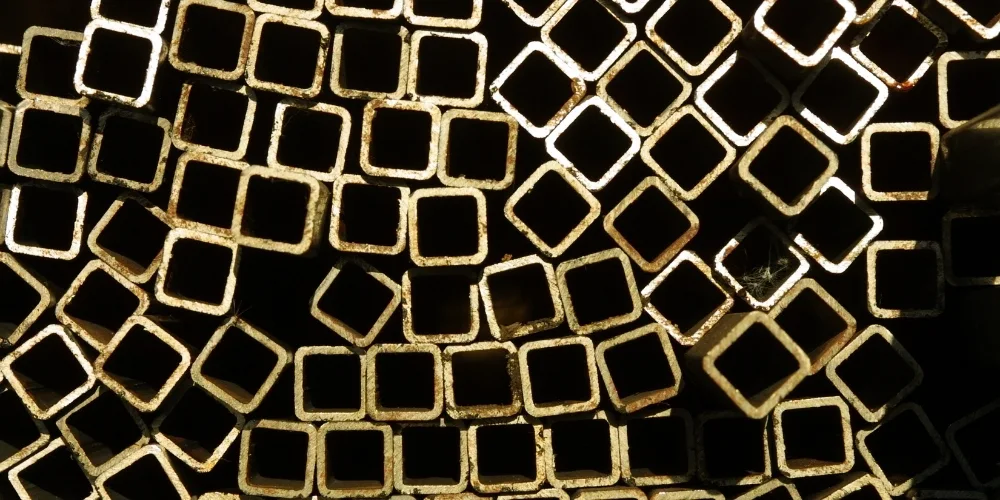
Was ist 1018-Kohlenstoffstahl?
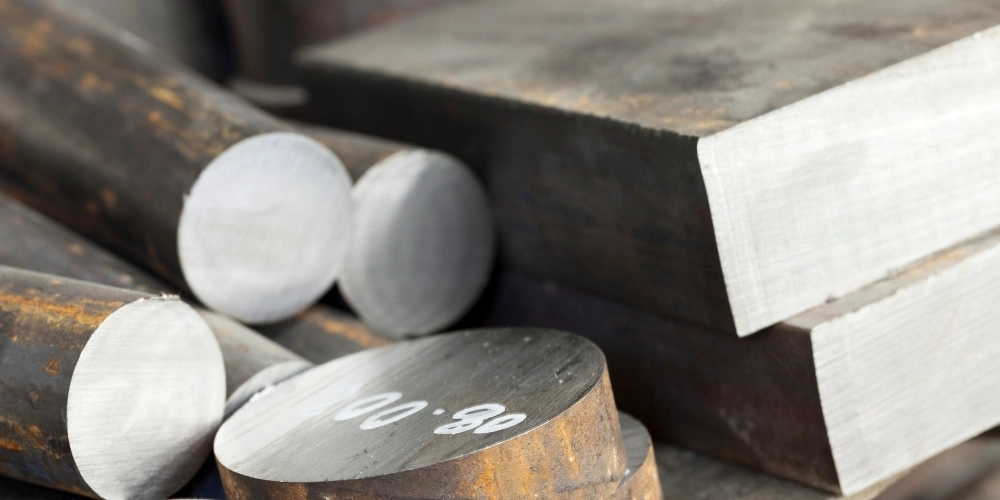
1018 carbon steel is a low-carbon alloy, containing approximately 0.18% (by weight) of carbon. For carbon steel, it is one of the most commonly available grades, and it is recognized as highly weldable, machinable, and versatile. Being rich in carbon content, it presents the good strength and ductility features, which make it extensively used in a number of fields, such as machinery parts, automotive components, structural sections and shafts. The 1018 carbon steel is generally subjected to cold drawing or cold roll in order to further enhance its mechanical properties and surface texture. It is commonly employed in manufacturing and fabrication processes where the desirable characteristics of strength, machinability, and affordability exist in a balance.
Warum wird diese Art von Kohlenstoffstahl 1018 genannt?
Der Name Kohlenstoffstahl 1018 basiert auf seiner Zusammensetzung und Standardisierung innerhalb des Systems des American Iron and Steel Institute (AISI). Die „10“ in 1018 bezeichnet die grundlegende Kohlenstoffstahlsorte, während die „18“ den ungefähren Kohlenstoffgehalt von 0,181 TP3T angibt. Diese alphanumerische Bezeichnung bietet eine standardisierte Möglichkeit zur Identifizierung und Kategorisierung von Kohlenstoffstählen anhand ihrer Zusammensetzung und Eigenschaften und erleichtert so die Kommunikation und das Verständnis innerhalb der Branche.
Was sind die anderen Namen für 1018-Kohlenstoffstahl?
Other names for 1018 carbon steel include: Other names for 1018 carbon steel include:
- AISI 1018: Nominiert gemäß der AISI-Bezeichnung oder „1018“, was Eigenschaften und Zusammensetzung impliziert.
- UNS G10180: Dies ist die Unified Numbering System (UNS)-Bezeichnung für 1018-Kohlenstoffstahl, die in den Vereinigten Staaten zur Unterscheidung von Waren dienen soll.
- SAE-AISI 1018: This designation combines the SAE (Society of Automotive Engineers) and AISI (American Iron and Steel Institute) specifications, which are used in engineering and product environments.
- C1018: Dies ist die Standardbezeichnung für 1018-Kohlenstoffstahl, die häufig in Industrie und Handwerk verwendet wird, da sie die einfachste Art ist, das Material zu beschreiben.
Diese Begriffe sind teilweise austauschbar und werden häufig als Synonyme für dieselbe Art von kohlenstoffarmer Stahllegierung verwendet, die für ihre Vielseitigkeit, Schweißbarkeit und Bearbeitbarkeit geschätzt wird.
Vor- und Nachteile von 1018 Kohlenstoffstahl

Carbon steel 1018 has some pros and cons. Specifically, it is easy to weld and machine which makes it the top pick for different applications serving the various industries. Not only is it affordable but also an option that saves you your costs. Nevertheless, 1018 steel has certain disadvantages for the high malleability, as compared with higher carbon and alloy steels. It possesses the feature of corrosion and may, possibly, become brittle in highly stressed constituents. Such features may need some precautionary measures or protection. Conversely, the material’s drawbacks include its tendency to lose strength with time and its inability to resist large amounts of stress. Nevertheless, its versatility and fabrication simplicity make the material perfect for numerous applications whose moderate strength and ductility are sufficient.
Chemische Zusammensetzung von 1018 Kohlenstoffstahl
1018 carbon steel, as a versatile, adaptable, medium-low carbon steel, demonstrates excellent weldability, formability, machinability, and strength compared with lower carbon steel in a normalized and hot forged state. It is popular among cold-rolled steels and regarded as the premier material choice of carburized gears, such as pins, pinions, spindles, ratchets, and other machinery parts. The common 1018 carbon steel material properties are as follows:

| Komponente | Wt.% |
| Kohlenstoff (C) | 0,14 – 0,20 |
| Eisen (Fe) | 98,81 – 99,26 |
| Mangan (Mn) | 0,60 – 0,90 |
| Phosphor (P) | 0,0 – 0,04 |
| Schwefel (S) | 0,0 – 0,05 |
Der Einfluss verschiedener Elemente auf die Eigenschaften von 1018-Kohlenstoffstahl
The 1018 carbon steel properties are affected by various elements prevailing in its composition majorly iron and carbon and minimum content of manganese, phosphorous and sulfur. The carbon content gives a range of values (0.18% is typical) for hardness, strength, and machinability; the higher the carbon content, the higher the hardness, but lower ductility and weldability. Manganese is added to improve the hardenability and the strength, and phosphorus is added to better machinability but can reduce ductility too much if in excessive amount. On the upside, sulfur aids in machinability, but turns out to be brittle if it is present too much. In totality, these features or elements determine the mechanical properties of 1018 steel making it one of the most versatile and common materials in industry.
Mechanische Eigenschaften von 1018 Kohlenstoffstahl
| Mechanische Eigenschaften | Metrisch | Englisch |
| Ultimative Zugfestigkeit aus 1018-Stahl | 440 MPa | 63800psi |
| 1018 Zugfestigkeit von Stahl | 370 MPa | 53700 psi |
| Bruchdehnung | 15 % | 15 % |
| Verringerung der Fläche | 40 % | 40 % |
| 1018 Stahlhärte, Brinell | 126 | 126 |
| 1018 Stahlhärte, Knoop | 145 | 145 |
| 1018 Stahlhärte, Rockwell B | 71 | 71 |
| 1018 Stahlhärte, Vickers | 131 | 131 |
| 1018 Elastizitätsmodul von Stahl | 193 GPa | 28000ksi |
| Massenmodul | 159 GPa | 23100 ksi |
| Schermodul | 77,2 GPa | 11200 ksi |
| Poissons-Verhältnis | 0.29 | 0.29 |
Physikalische Eigenschaften von 1018 Kohlenstoffstahl

| Physikalische Eigenschaften | Metrisch | Englisch | Kommentare |
| Dichte | 7,87 g/cm³ | 0,284 Pfund/Zoll² | |
| 1018 Bearbeitbarkeit von Stahl | 78% | 78% | |
| 1018 Elastizitätsmodul von Stahl | 205 GPa | 29700 ksi | |
| Elektrische Eigenschaften | |||
| Elektrischer widerstand | 0,0000159 Ohm-cm | 0,0000159 Ohm-cm | Temperatur 0,000 °C/32,0 °F, geglühter Zustand |
| 0,0000219 Ohm-cm | 0,0000219 Ohm-cm | Temperatur 100 °C, geglühter Zustand | |
| 0,0000293 Ohm-cm | 0,0000293 Ohm-cm | Temperatur 200 °C, geglühter Zustand | |
| Thermische Eigenschaften | |||
| Spezifische Wärmekapazität | 0,486 J/g-°C | 0,116 BTU/lb-°F | Temperatur >=100°C/212°F, geglüht |
| Wärmeleitfähigkeit | 51,9 W/mK | 360 BTU-in/hr-ft²-°F | geschätzt auf der Grundlage ähnlicher Materialien |
Äquivalente Materialien von 1018 Kohlenstoffstahl
| EU | DE | 1.0479 S275 | ||||
| Vereinigte Staaten von Amerika | SAE-1018 AISI 1018 UNS G10180 | |||||
| Deutschland | LÄRM | 1.0419 RSt44-2 RSt 44-2 | ||||
| Japan | JIS | SWRCH18A SWRCH18K SWRCH16A SWRCH16K SWRCH19A | ||||
| Frankreich | AFNOR | 14-13-12E | ||||
| England | BS | 43A | ||||
| China | GB | ML3 | ||||
| Schweden | SS | 2320 | ||||
| Russland | GOST | St 3-sp St3sp | ||||
1215 Kohlenstoffstahl vs. 1018 Kohlenstoffstahl

Im Bereich der Kohlenstoffstähle sind 1215-Stahl und 1018-Stahl eigenständige Einheiten, die sich durch Unterschiede in der Zusammensetzung und den inhärenten Eigenschaften auszeichnen. 1215-Stahl zeichnet sich durch seine hervorragende Bearbeitbarkeit aus, die auf die Einführung von Blei zurückzuführen ist, weist jedoch im Vergleich zu seinem Gegenstück, 1018-Stahl, tendenziell eine geringere Festigkeit auf. Auf der anderen Seite bietet 1018-Stahl eine lobenswerte Bearbeitbarkeit gepaart mit erhöhter Festigkeit, wodurch er für vielfältige Anwendungen geeignet ist, von der allgemeinen Bearbeitung bis hin zur Konstruktion von Strukturbauteilen. Die Entscheidung zwischen den beiden orientiert sich an spezifischen Anforderungen und bevorzugt 1215-Stahl für Präzisionsteile in großen Stückzahlen, während sich 1018-Stahl als vielseitig für Anwendungen erweist, bei denen eine harmonische Mischung aus Festigkeit und Bearbeitbarkeit im Vordergrund steht.
1045 Kohlenstoffstahl vs. 1018 Kohlenstoffstahl
1045-Stahl, der sich durch einen erhöhten Kohlenstoffanteil auszeichnet, erhebt den Anspruch auf erhöhte Wirksamkeit und erhöhte Verschleißfestigkeit. Im Gegensatz dazu bietet 1018-Stahl, der sich durch einen geringeren Kohlenstoffgehalt auszeichnet, eine bessere Bearbeitungsfreundlichkeit, tendiert jedoch dazu, bei geringerer Festigkeit nachzugeben. Die Entscheidung zwischen den beiden dreht sich um spezifische Anforderungen, wobei 1045-Stahl die Gunst für Anwendungen erhält, die eine starke Kraft und dauerhafte Robustheit erfordern, während 1018-Stahl sich an Szenarien ausrichtet, bei denen die Erleichterung der maschinellen Bearbeitung im Vordergrund steht.
Verarbeitungsmethoden, die für Kohlenstoffstahl 1018 geeignet sind
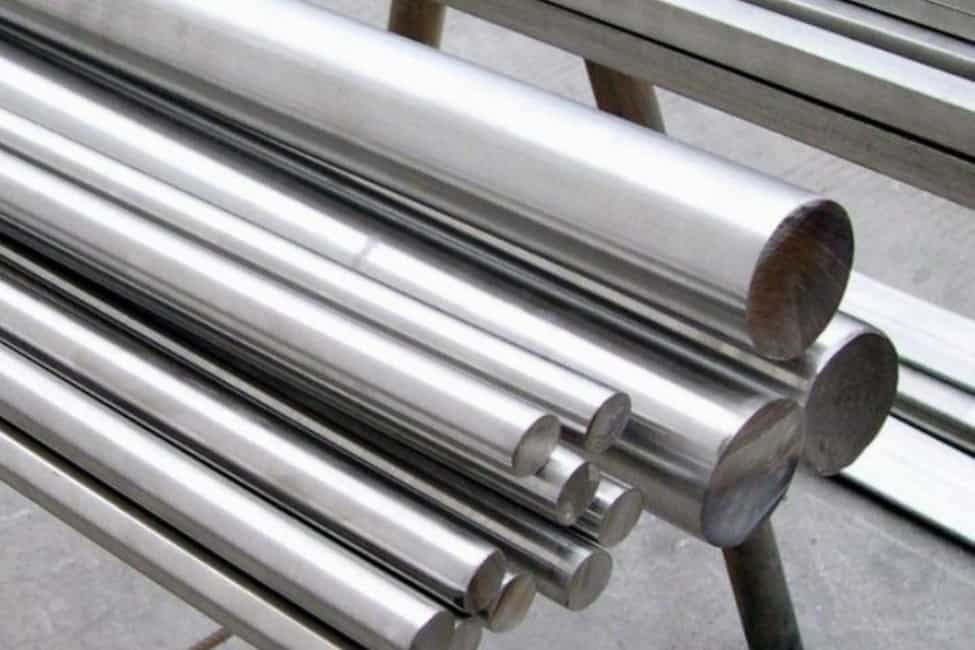
1018 carbon steel has more than one suitable processing methods because of its great machinability and some strength. These operations include turning, milling, drilling, and tapping, whereby the machines can perform them with little or no tool wear. Besides that, welding techniques like SMAW, GMAW, and GTAW can be used even though at times preheating and post-weld heat treatment might be required to ensure the quality of the welds. The cold working processes (cold drawing and rolling) that enable for more accurate dimensioning and shape related to mechanical properties in its final state. Toughness, however, is not the purpose of heat treatment, yet annealing can be leveraged to improve machinability or to refine its microstructure. Additionally, surface treatments like carbonizing, nitriding or blackening will substantially increase abrasions and corrosion resistance as well as improving aesthetics. Using these multipurpose methods of processing makes 1018 steel a prime choice for various applications across various industries.
Häufige Anwendungen von 1018-Kohlenstoffstahl
- Automobil: Spurverbreiterung, Blockwache, Ventildeckel, Ansaugflansch, Radmutter, Schaltknauf
- Luft- und Raumfahrt
- Medizinische Ausrüstung
- Möbel und Dekoration: Klavierscharnier, Anschweißscharnier, Fassscharnier, Schrauben
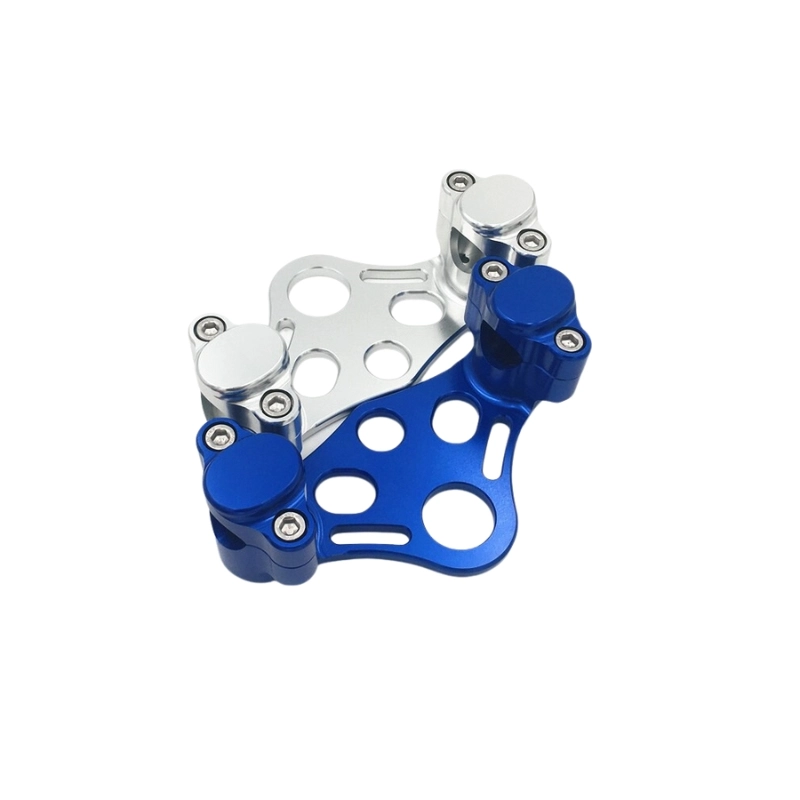
- Motorrad: Kettenrad, Räder, Radnabe, Kühlerschutz, Fußrasten, Gabelbrücke, Stangenende
- Anhänger: Koppler, Anhängerheber, Empfängerrohr, Anhänger-Paddelschloss, Bolzenhaken, Kugelhalterung
- Fahrrad: Fahrradvorbau, Radnabe, Kurbelgarnitur
- Kart: Go Kart Kettenrad, Go Kart Abstandshalter, Radnabe für Go-Kart, Go-Kart-Lenkrad