Überblick
Wir bei HDC Manufacturing sind stolz auf unsere umfassenden Kompetenzen und unser Know-how im Bereich des Edelstahlgusses 17-4 Ph. Dank unserer langjährigen Erfahrung fertigt unser erfahrenes Team maßgeschneiderte Metallteile aus diesem Hochleistungswerkstoff.
Unsere erfahrenen Techniker setzen modernste Gießverfahren ein, um höchste Präzision und Zuverlässigkeit bei jedem einzelnen Bauteil aus 17-4 Ph-Edelstahl zu gewährleisten. Von filigranen Designs bis hin zu komplexen Geometrien – wir verfügen über das Know-how, um eine Vielzahl von Kundenspezifikationen zu erfüllen. HDC Manufacturings unermüdliches Engagement für makellose Handwerkskunst und die akribische Liebe zum Detail machen uns zu einem verlässlichen Partner für Ihre Gussanforderungen.
Ob Prototypen oder Großserienfertigung – die hochmodernen Anlagen und das engagierte Fachpersonal von HDC Manufacturing garantieren herausragende Ergebnisse. Entdecken Sie mit HDC Manufacturing das Potenzial des 17-4 Ph-Edelstahlgusses und erleben Sie die nahtlose Verbindung von Innovation und Präzision in der Metallverarbeitung.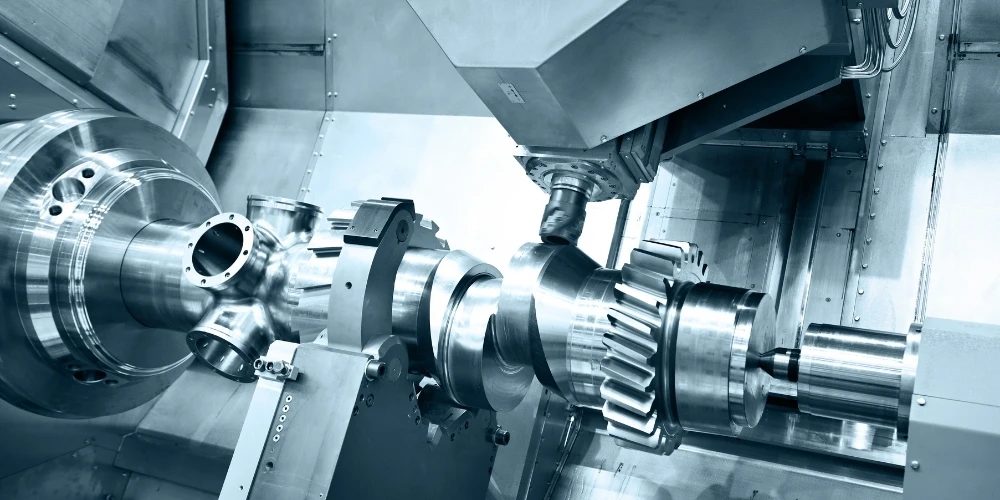
Was ist 17-4 Ph Edelstahl?
Der martensitische, ausscheidungshärtende Edelstahl 17-4 PH, auch bekannt als Typ 630, ist eine Edelstahllegierung. Er besteht aus Chrom, Nickel, Kupfer und Niob/Columbium in geringen Mengen sowie Tantal in sehr geringen Anteilen. Der Name deutet darauf hin, dass er durch Ausscheidungshärtung (PH steht für “Precipitation Hardening”) im Rahmen einer Wärmebehandlung gehärtet wird. Dieser mikrolegierte Kohlenstoffstahl zeichnet sich durch seine ausgezeichnete Korrosionsbeständigkeit, hohe Festigkeit, gute Zähigkeit und gute Umformbarkeit aus. Er findet Anwendung in der Luft- und Raumfahrt, der Petrochemie, der Lebensmittelverarbeitung und der Schifffahrt, wo er vielseitig einsetzbar ist und wünschenswerte Eigenschaften aufweist.
Welche Namensregel gilt für 17–4 Ph-Edelstahl?
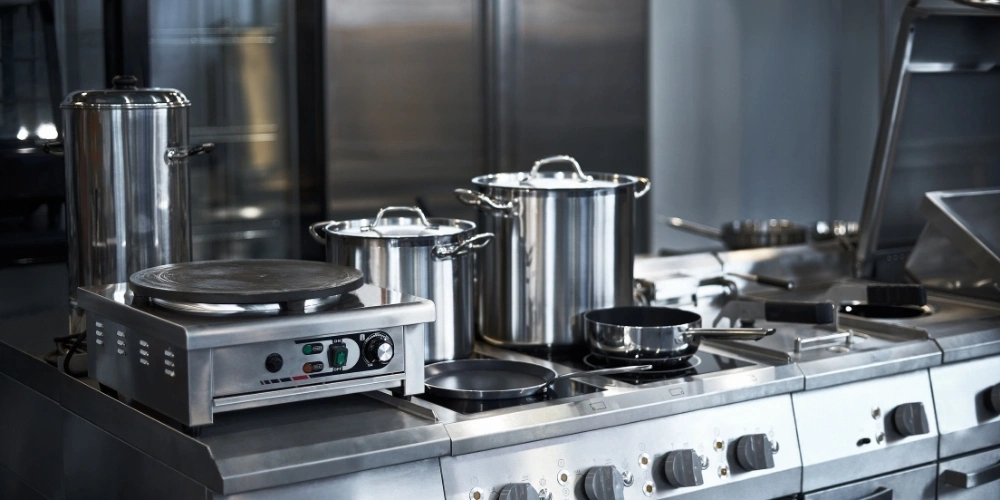
Die Namenskonvention für Edelstahl 17-4 PH entspricht den Industriestandards. Die erste Ziffer “17” steht dabei für den ungefähren Chromanteil und die “4” für den ungefähren Nickelanteil in der Legierung. “PH” kennzeichnet die Ausscheidungshärtung. Nach der Wärmebehandlung erhält der Stahl seine Festigkeit. Eine weitere häufig verwendete Bezeichnung für Edelstahl 17-4 PH ist “Typ 630”. Diese Bezeichnung ist eine der gängigen Aliasnamen für die Legierung und wird häufig in Spezifikationen und Normen verwendet.
Hat 17–4 Ph-Edelstahl noch andere Namen?
17-4 PH-Edelstahl ist eine ausscheidungshärtende martensitische Legierung, die auch als Edelstahl Typ 630 bezeichnet wird. Durch die Mischung hochfester Legierungen bietet er hervorragende Korrosionsbeständigkeit und gute Verarbeitbarkeit. Die Bezeichnung entspricht dem Industriestandard. Die Zahl gibt die ungefähre Zusammensetzung an. So bedeutet beispielsweise “17-4”, dass die Legierung 17 % Chrom und 4 % Nickel enthält. Die Bezeichnung “PH” kennzeichnet die Ausscheidungshärtung nach der Wärmebehandlung. Das Produkt ist unter der UNS-Bezeichnung S17400 bekannt; die ASTM-Spezifikation A564 – Güteklasse 630 dient als standardisierte Referenz für den internationalen Handel.
Welche Edelstahlserien gibt es?
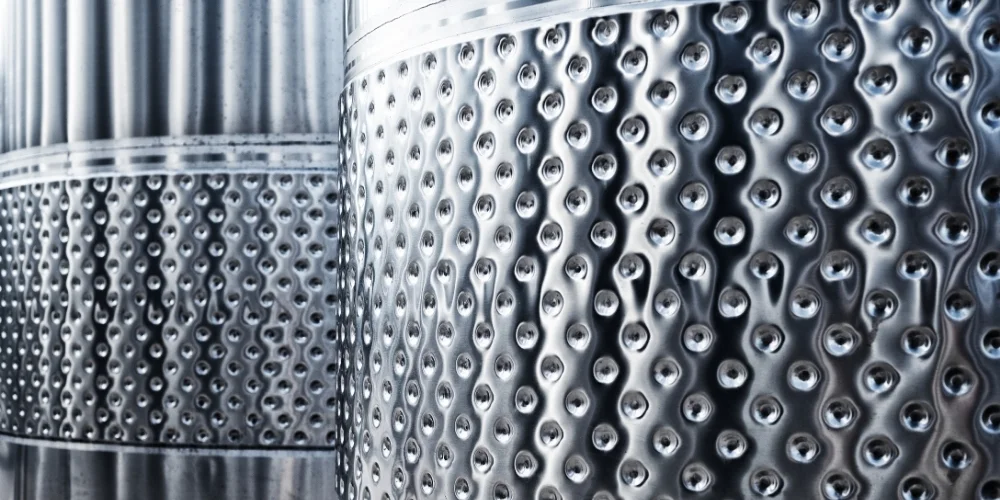
Edelstahlserien werden hauptsächlich auf der Grundlage ihrer chemischen Zusammensetzung und Mikrostruktur in mehrere Hauptkategorien eingeteilt: Edelstahlserien werden hauptsächlich auf der Grundlage ihrer chemischen Zusammensetzung und Mikrostruktur in mehrere Hauptkategorien eingeteilt:
- Austenitische Edelstähle: Es gibt drei Hauptsorten von Edelstahl, die den Nickel- und Chromgehalt bestimmen: (1) hoch. Sie zeichnen sich durch sehr gute Korrosionsbeständigkeit, hervorragende Schweißbarkeit und Umformbarkeit aus. Typische Sorten sind beispielsweise 304 und 316.
- Ferritische Edelstähle: Sie enthalten Eigenschaften, die für maximale Effektivität sorgen. Austenitische Stähle sind besser schweißbar und umformbar, weisen aber im Vergleich zu ferritischen Stählen keine Vorteile hinsichtlich Korrosionsbeständigkeit und Magnetismus auf. Viele dieser Stähle gehören den Güteklassen 430 und 446 an.
- Martensitische Edelstähle: Diese Stähle weisen einen höheren Kohlenstoff- und Chromgehalt auf, wodurch sie nach der Wärmebehandlung fester und härter werden. Sie finden üblicherweise Anwendung in Bereichen wie Besteck und stark beanspruchten Produkten wie Messern. Ihre Güteklassen umfassen in der Regel 410 und 420.
- Duplex-Edelstähle: Durch die Kombination ferritischer und austenitischer Eigenschaften sind sie sehr fest und weisen eine gute Korrosionsbeständigkeit auf. Diese Fahrzeuge eignen sich gut für extreme Umweltbedingungen. Die entsprechenden Härtegrade sind 2205 und 2507.
- Ausscheidungshärtende Edelstähle: Die Tendenz dieses Stahls, sich durch eine Erstarrungsbehandlung zu verbessern und dadurch seine mechanischen Eigenschaften zu erhöhen, wird als Festigkeitssteigerung bezeichnet. Die Wärmebehandlung verleiht dem Stahl somit sowohl die notwendigen mechanischen Eigenschaften als auch die Korrosionsbeständigkeit, die für Anwendungen wie die Luft- und Raumfahrt sowie andere Hochleistungsanwendungen empfohlen werden. Typische Sorten sind 17-4PH und 15-5PH.
Für jede Edelstahlserie gibt es spezifische Anwendungen, daher sollte die Auswahl in Übereinstimmung mit den örtlichen Umgebungsbedingungen und der erforderlichen Leistung des Endprodukts erfolgen.
Eigenschaften von 17-4 Ph Edelstahl
Chemische Zusammensetzung von Edelstahl mit einem pH-Wert von 17-4
| Element | Inhalt (%) |
|---|---|
| Eisen, Fe | 73 |
| Chrom, Cr | 15,0 – 17,5 |
| Nickel, Ni | 3,0 – 5,0 |
| Kupfer, Cu | 3,0 – 5,0 |
| Mangan, Mn | 1.0 |
| Silizium, Si | 1.0 |
| Tantal, Ta | 0.45 |
| Niob, Nb (Columbium, Cb) | 0.45 |
| Nb + Ta | 0,15 – 0,45 |
| Kohlenstoff, C | 0.070 |
| Phosphor, P | 0.040 |
| Schwefel, S | 0.030 |
Physikalische Eigenschaften von Edelstahl 17-4 Ph
| Eigenschaften | Metrisch | Kaiserliche |
| Dichte | 7,75 g/cm3 | 0,280 lb/in³ |
| Schermodul | 77,4 GPa | 11200 ksi |
| Elastizitätsmodul | 190–210 GPa | 27557-30458 ksi |
| Poisson-Zahl | 0.27-0.30 | 0.27-0.30 |
| Härte, Brinell | 352 | 352 |
| Härte, Knoop (geschätzt aus Rockwell C) | 363 | 363 |
| Härte, Rockwell C | 36 | 36 |
| Härte, Vickers (geschätzt aus Rockwell C) | 349 | 349 |
| Wärmeausdehnungskoeffizient (bei 21–93 °C/69,8–199 °F) | 10,8 µm/m°C | 6,00 µin/in°F |
| Wärmeleitfähigkeit (für Bedingung H 900 bei 149 °C. 22,6 W/mK für H 900 bei 482 °C) | 17,9 W/mK | 124 BTU in/h.ft².°F |
Der Einfluss der Elementzusammensetzung auf die Eigenschaften von Edelstahl 17–4
Die Eigenschaften von Edelstahl 17-4 sind eng mit seiner Elementzusammensetzung verbunden. Chrom, das wichtigste Legierungselement, verbessert die Korrosionsbeständigkeit gegenüber verschiedenen Medien. Nickel erhöht die Zähigkeit, Duktilität und Hochtemperaturfestigkeit und verbessert zusätzlich die Korrosionsbeständigkeit. Kupfer erhöht die Korrosionsbeständigkeit, insbesondere in maritimer Umgebung, und fördert die Ausscheidungshärtung. Poröse Zusätze von Niob und Tantal führen zu einer Lumineszenz der Körner und damit zu einer Ausscheidungshärtung. Der niedrige Gehalt an Kohlenstoff und Mangan gewährleistet Korrosionsbeständigkeit und Oberflächenhärtung. Insgesamt verleiht die gezielte Steuerung der Elementzusammensetzung dem Edelstahl 17-4 die für wichtige Anwendungen erforderlichen mechanischen Eigenschaften wie Korrosionsbeständigkeit, Festigkeit, Zähigkeit und Schweißbarkeit. Daher eignet sich Edelstahl 17-4 für vielfältige Zwecke in zahlreichen Branchen.
Einschränkungen von 17–4 Edelstahl
Obwohl martensitischer Edelstahl 17-4 zahlreiche Vorteile bietet, weist er auch Nachteile auf. Zum einen ist sein Preis aufgrund der komplexen Zusammensetzung und der zusätzlichen Bearbeitungsschritte, einschließlich der Ausscheidungshärtung, oft hoch. Zum anderen stellt seine Rissanfälligkeit eine Herausforderung dar, weshalb Vorwärmen und Wärmebehandlungen nach dem Schweißen erforderlich sind. Darüber hinaus ist seine Bearbeitbarkeit im Vergleich zu anderen Edelstahlsorten geringer, was zu höherem Verschleiß und höheren Bearbeitungskosten führt. Er ist zwar korrosionsbeständig, jedoch eignen sich nicht alle Premium-Legierungen für aggressive Umgebungen. Eine präzise Wärmebehandlung ist entscheidend für das Erreichen der gewünschten mechanischen Eigenschaften, wodurch die Herstellung verarbeiteter Produkte sehr komplex wird. Dies unterstreicht die Wichtigkeit sorgfältiger Überlegungen bei der Auswahl von Edelstahl 17-4 für spezifische Anwendungen.
Kann Edelstahl 17–4 gegossen werden?
Edelstahl 17-4 PH kann mit geeigneten Gießverfahren gegossen werden. 17-4 PH ist ein ausscheidungshärtender Edelstahl, der für seine hervorragende Korrosionsbeständigkeit, Festigkeit und Zähigkeit bekannt ist. Es wird häufig in Anwendungen eingesetzt, die eine hohe Festigkeit und Verschleißfestigkeit erfordern, beispielsweise in der Luft- und Raumfahrt, der Öl- und Gasindustrie sowie in der Medizintechnik.
Die Vorteile von Edelstahl 17–4 PH
- Hohe Festigkeit: Aufgrund seiner hohen Festigkeit eignet sich Edelstahl 17-4 PH für Anwendungen, die robuste Komponenten erfordern, die hohen Belastungen und hohen Belastungsbedingungen standhalten.
- Korrosionsbeständigkeit: Es bietet eine gute Korrosionsbeständigkeit in einer Vielzahl von Umgebungen, einschließlich milder Atmosphäre, Süßwasser und einigen korrosiven Chemikalien. Dadurch eignet es sich für Anwendungen in der Schifffahrts-, Luft- und Raumfahrtindustrie sowie in der chemischen Industrie.
- Wärmebehandelbar: Edelstahl 17-4 PH ist ausscheidungshärtend, was bedeutet, dass er zur Verbesserung seiner mechanischen Eigenschaften wärmebehandelt werden kann.
- Verschleißfestigkeit: Es verfügt über eine gute Beständigkeit gegen Verschleiß und Abrieb und eignet sich daher für Komponenten, die Gleit- oder Abriebbedingungen ausgesetzt sind. Diese Eigenschaft ist bei Anwendungen mit schweren Maschinen, Werkzeugen und verschleißfesten Teilen von Vorteil.
- Vielseitigkeit: Edelstahl 17-4 PH lässt sich leicht bearbeiten, schweißen und formen und bietet so Flexibilität bei den Herstellungsprozessen. Es kann gegossen, geschmiedet oder in verschiedenen Formen hergestellt werden, was die Herstellung komplexer Komponenten ermöglicht.
- Alterungsstabilität: Nach der Wärmebehandlung bleiben die mechanischen Eigenschaften von Edelstahl 17-4 PH über einen weiten Temperaturbereich stabil. Dies ermöglicht eine gleichbleibende Leistung und Zuverlässigkeit in anspruchsvollen Anwendungen.
- Kostengünstig: Während 17-4 PH-Edelstahl im Vergleich zu einigen anderen Edelstahlsorten höhere Anschaffungskosten verursachen kann, kann seine überlegene Festigkeit und Haltbarkeit zu langfristigen Kosteneinsparungen führen, indem Wartungs-, Austausch- und Ausfallzeiten reduziert werden.
Diese Vorteile machen Edelstahl 17-4 PH zu einer beliebten Wahl in Branchen wie Luft- und Raumfahrt, Öl und Gas, Nukleartechnik und Medizin, wo eine Kombination aus Festigkeit, Korrosionsbeständigkeit und Vielseitigkeit erforderlich ist.
Die geeigneten Gussverfahren für Edelstahl 17-4 PH
Im Bereich der Herstellung von Komponenten aus Edelstahl 17-4 PH entsteht ein Spektrum sinnvoller Gussverfahren:
- Feinguss: Maßgeschneidert für die sorgfältige Herstellung komplizierter und detaillierter Teile. Die Verwendung von 17-4 PH-Edelstahl im Feinguss sorgt für höhere Präzision und eine verfeinerte Oberflächengüte.
- Sandguss: Diese Methode zeichnet sich durch Vielseitigkeit aus und zeichnet sich durch die Herstellung größerer Komponenten mit weniger Komplexität aus und stellt eine finanziell tragfähige Lösung dar, die auf bestimmte Anwendungen zugeschnitten ist.
- Schleuderguss: Es gilt als geeignet für Komponenten mit zylindrischer oder symmetrischer Konfiguration und verleiht lobenswerte mechanische Eigenschaften.
- Schalenformung: Es zeichnet sich dadurch aus, dass es Komponenten nicht nur eine lobenswerte Maßgenauigkeit, sondern auch eine raffinierte Oberflächengüte verleiht, und wurde sorgfältig für Anwendungen mit besonderen Anforderungen entwickelt.
- Druckguss: Auch wenn es bei rostfreiem Stahl weniger üblich ist, wird für bestimmte Anwendungen, insbesondere im Bereich der Nichteisenmetalle, über Druckguss nachgedacht.
Andere Bearbeitungsverfahren für 17-4 Ph Edelstahl

Im Bereich der Bearbeitung von Komponenten aus 17-4 PH-Edelstahl kommt eine Reihe durchdachter Methoden zum Vorschein:
- CNC-Bearbeitung: Diese Methode umfasst den Bereich der computergestützten numerischen Steuerung und ermöglicht eine sorgfältige und automatisierte Bearbeitung, einschließlich Schneiden, Fräsen und Bohren von 17-4 PH-Edelstahlkomponenten.
- Drahterodieren (elektrische Entladungsbearbeitung): Diese Technik nutzt die Leistungsfähigkeit elektrischer Entladungen für Präzision und erweist sich als wirksam für die Gestaltung komplizierter Formen und die Ausführung messerscharfer Schnitte in Edelstahl 17-4 PH.
- Laser schneiden: Diese Methode verwendet einen fokussierten Laser für präzise Einschnitte in 17-4 PH-Edelstahl und ist der Inbegriff für die Erzielung aufwändiger Konturen und sorgfältiger Kanten.
Die Auswahl dieser Methoden hängt von den besonderen Anforderungen des Projekts ab, einschließlich Toleranzen, Materialeigenschaften und dem geplanten Endprodukt, wobei jede Technik ihre einzigartigen Vorzüge aufweist.
Häufige Anwendung von Edelstahlguss mit einem pH-Wert von 7–4
Edelstahl 17-4 PH wird häufig für kritische Anwendungen in verschiedenen Branchen gegossen:
Luft- und Raumfahrt
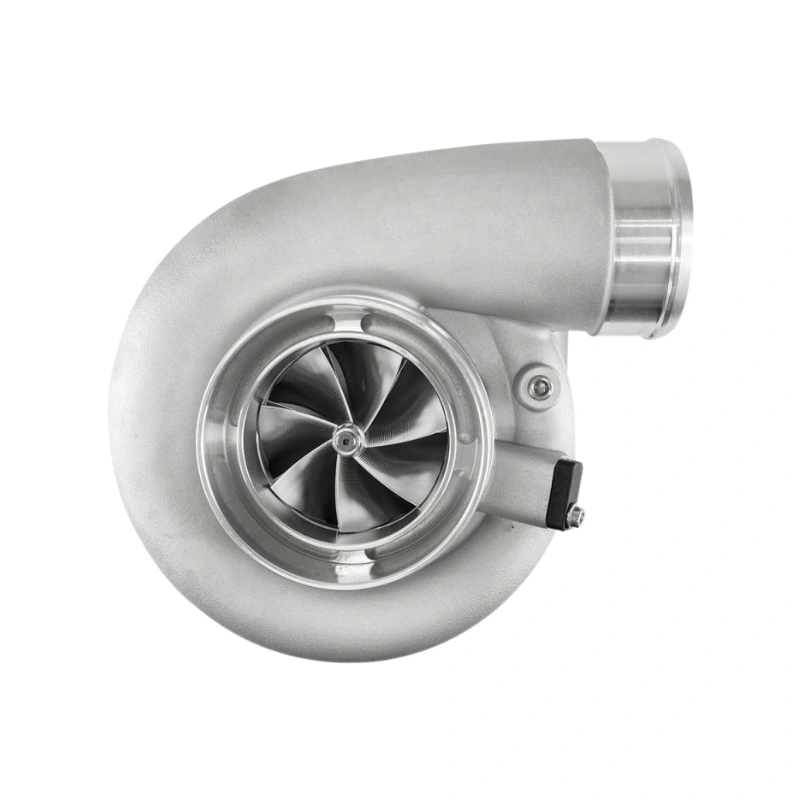
- Aufgrund seines hohen Festigkeits-Gewichts-Verhältnisses und seiner Korrosionsbeständigkeit wird es zum Gießen von Turbinenschaufeln, Triebwerksteilen und kritischen Komponenten verwendet.
Öl und Gas
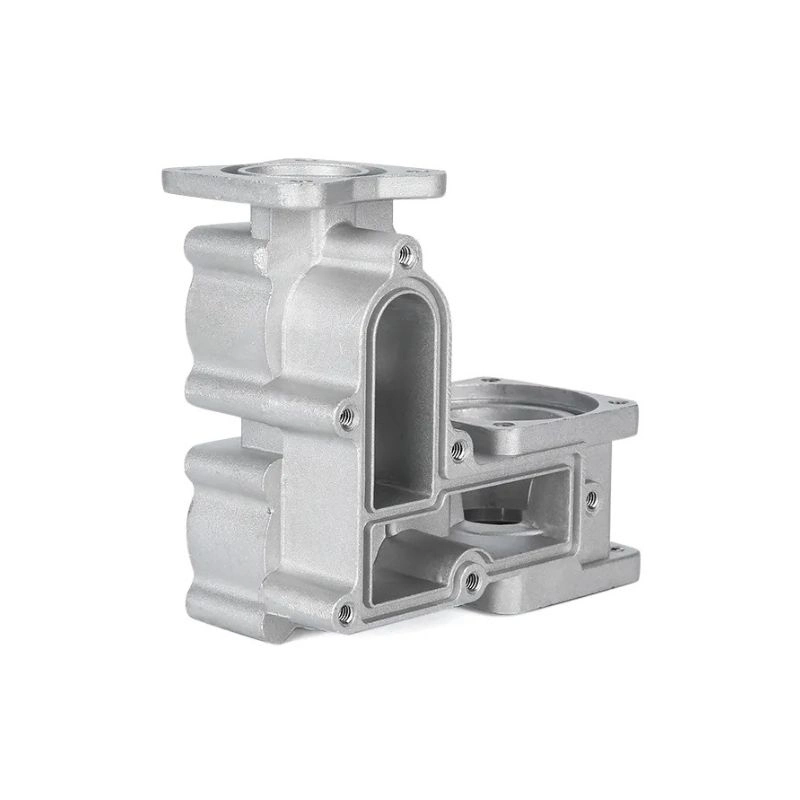
- Ideal zum Gießen von Ventilen, Pumpenkomponenten und Geräten und bietet Korrosionsbeständigkeit in rauen Umgebungen.
Medizinische Instrumente
- Wird zum Gießen chirurgischer Instrumente, zahnmedizinischer Geräte und Implantatkomponenten verwendet, die Festigkeit und Korrosionsbeständigkeit erfordern.
Pumpen- und Ventilkomponenten
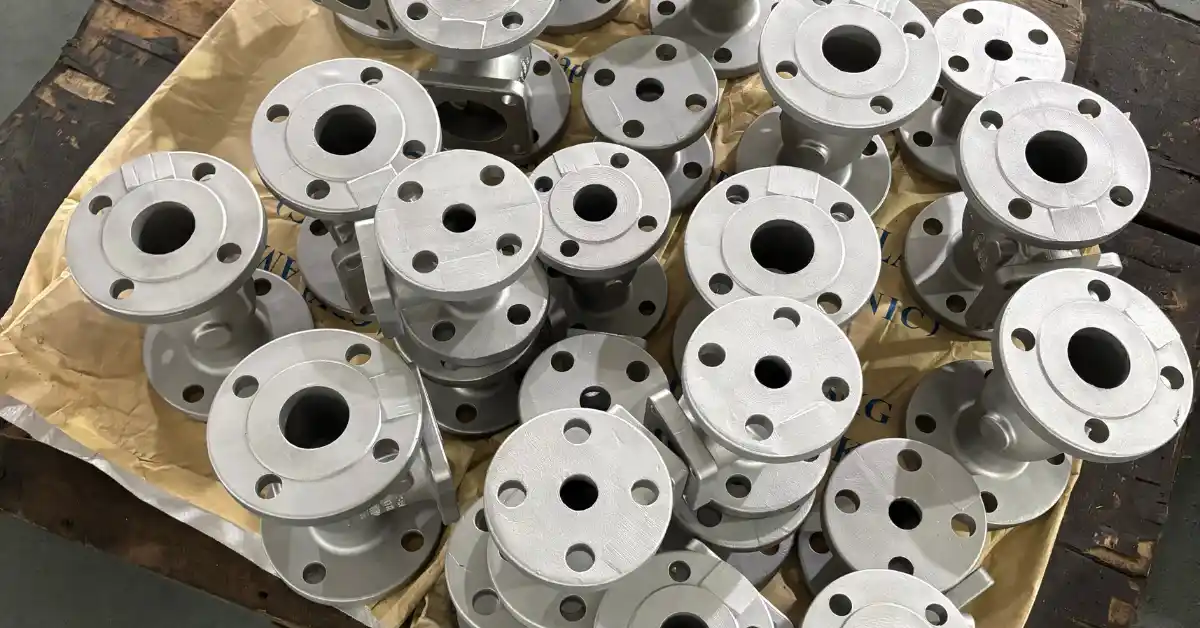
- Besetzung für Laufräder, Rohrverschraubung, und Ventilkörper, widersteht korrosiven Flüssigkeiten und bietet eine hohe Festigkeit.
Autoteile
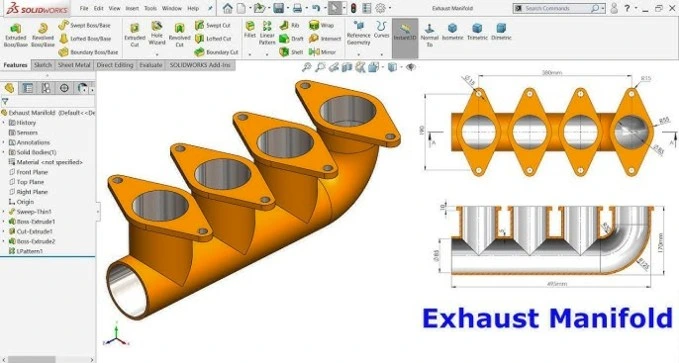
- Wird in Motor- und Abgassystemkomponenten verwendet, z Abgaskrümmer, Bietet eine entscheidende Kombination aus Festigkeit und Korrosionsbeständigkeit.