Überblick
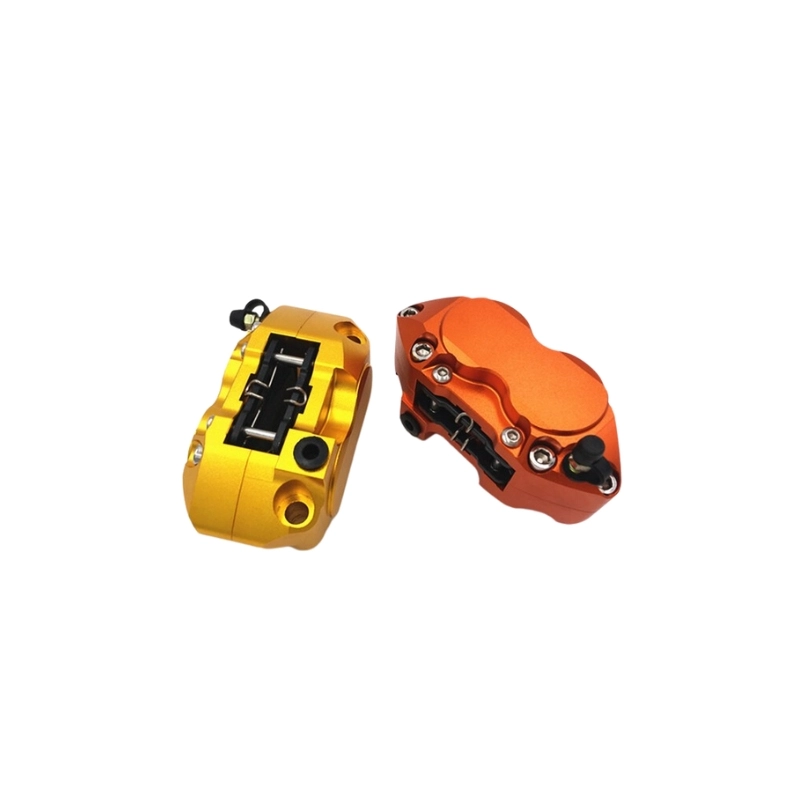
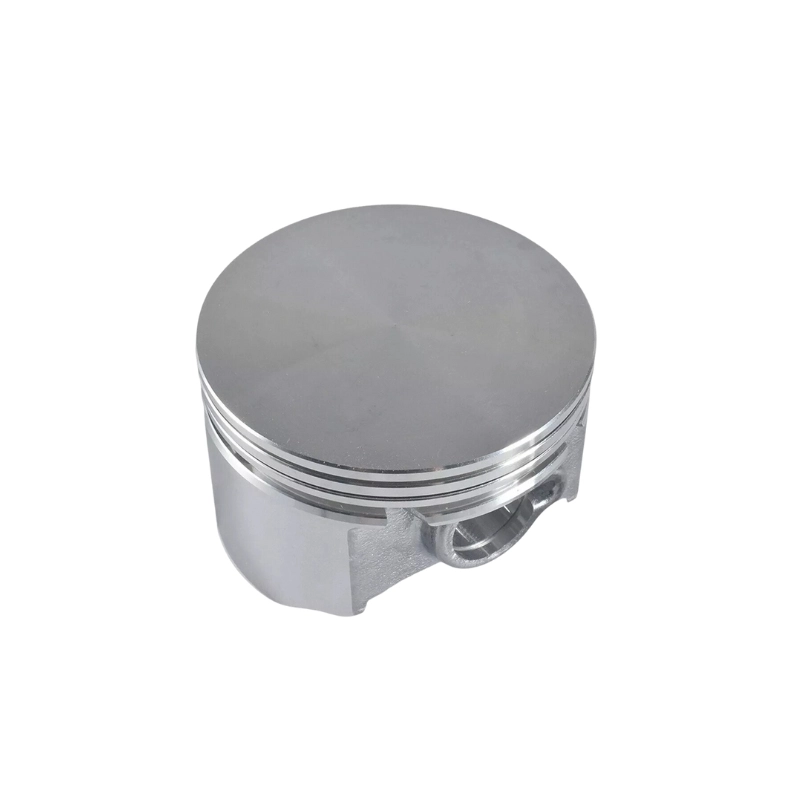
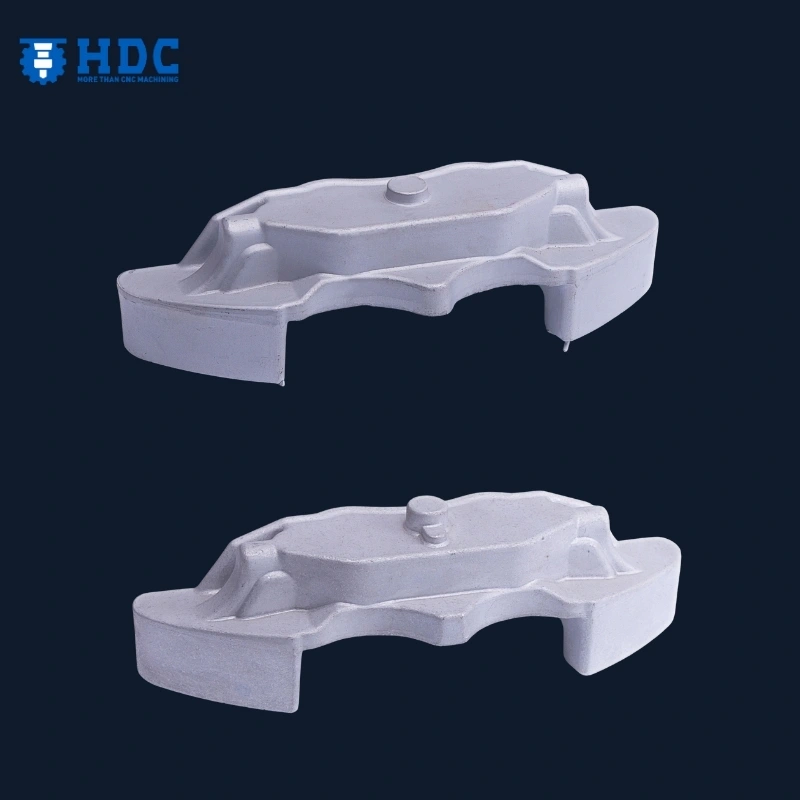
Indem wir uns auf das sorgfältige Gießen von Edelstahl 303 spezialisiert haben, unterstreichen wir unser unerschütterliches Engagement für herausragende Leistungen im Bereich der Metallverarbeitung. Durch den Einsatz modernster Technologie und einer kompetenten Belegschaft zeichnen wir uns durch die komplizierten Verfahren aus, die beim Gießen von Komponenten aus Edelstahl 303 erforderlich sind.
Unsere Kompetenzen beim Gießen von Edelstahl 303 umfassen eine breite Palette von Methoden, die das Formen, Gießen und Fertigstellen umfassen. Dieser umfassende Scharfsinn versetzt uns in die Lage, die besonderen Schwierigkeiten zu meistern, die diese Edelstahlsorte mit sich bringt, und gewährleistet so erstklassige Ergebnisse in Qualität und Effizienz.
Wir widmen uns unermüdlich der Qualitätssicherung und halten uns im gesamten Gusskontinuum konsequent an strenge Maßstäbe. Dieses Versprechen gewährleistet die von unserer Kundschaft erwartete Präzision, Einheitlichkeit und Zuverlässigkeit. Entscheiden Sie sich für unsere Dienstleistungen für Ihre Gussteile aus Edelstahl 303 und erleben Sie die transformative Wirkung, die unsere Kompetenz und unser unermüdlicher Einsatz für Spitzenleistungen auf Ihre Unternehmungen haben können.
Was ist Edelstahl 303?
303 stainless steel is in fact, free-machine variant of the common austenitic 18/8 stainless steel (namely, 304 stainless steel). This form has added sulfur or selenium to increase its machinability characteristic, which makes it better to cut, drill, and do all machining operations compared to the standard 304 grade stainless steel. Sulfur or selenium modification causes the formation of chips as internal tearing points, thus, improving the chip formation process and reducing the tool life. Machinability of 303 stainless steel is good. Though 303 stainless steel has less corrosion resistance and weldability compared to 304 stainless steel. The material is often used in machining where there are many machining procedures, such as turning, tapping, and milling of parts.
Was sind die Merkmale des Edelstahls der Serie 300?

The 300 series stainless steels which include 304and 316 grades are characterized by good corrosion resistance, non-magnetic properties in the annealed state and high ductility, strength, and formability, making them suitable materials for different applications. This property is due to the presence of chromium, and as such they have resistance to chlorides in the sea or in brackish water. Because of their attractive formability and high-temperature resistance, they are perfect for manufacturing complex products and demanding applications where the parts are subjected to high temperatures, like heat exchangers and exhaust systems. These so-called stainless steels are widely used throughout the automotive, aerospace, food processing, chemical, architectural, and medical industries because of the combination of properties that they offer, enabling them to operate in situations requiring that combination.
Was sind die Unterschiede zwischen den Edelstahlserien 200, 300 und 400?
The 200,300, 400 series of stainless steel have compositional differences, corrosion resistance, magnetic properties and applications. The 200 series is made of chromium, nickel, and manganese which present some minor corrosion resistance, being at the same time non-magnetic. On the other hand, 300 series which is known due to its composition from chromium and nickel, stands out as a material with excellent corrosion resistance property, non-magnetic property, as well as versatility for various industries. In the 400 series, with chromium as the primary alloying metal, it shows a lesser degree of corrosion resistance and is magnetic, hence, commonly used in cutlery and decorative trims. In general, the 200 series is used for the cookware and the 300 series is highly applicable for the corrosion resistance and wide availability, therefore, the 400 series is intended for the magnetic applications that require a moderate corrosion resistance.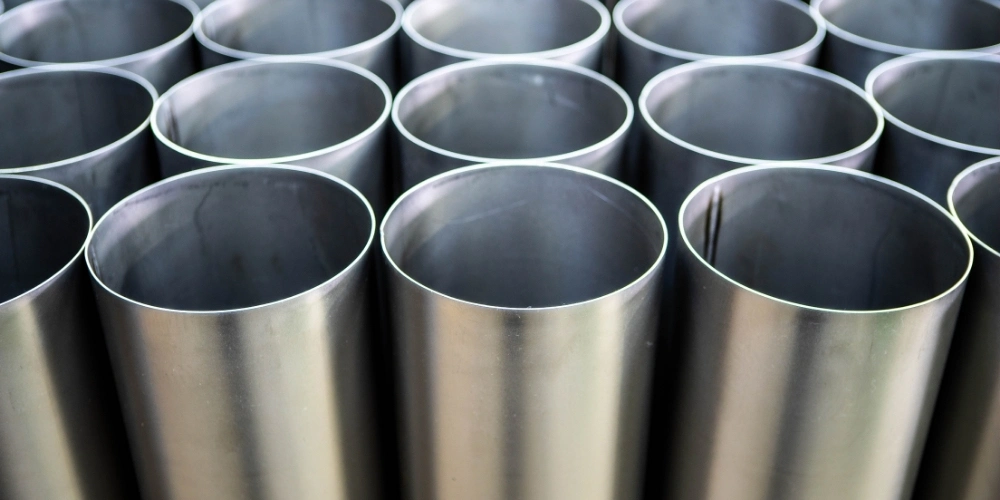
Chemische Zusammensetzung von Edelstahl 303
| Komponente | Wt.% |
| Kohlenstoff (C) | 0,0 – 0,15 % |
| Chrom (Cr) | 18.0 % |
| Eisen (Fe) | 69.0 % |
| Mangan (Mn) | 0.0 – 2.0 % |
| Molybdän (Mo) | 0 – 0.6 % |
| Nickel (Ni) | 9.0 % |
| Phosphor (P) | 0.0 – 0.2 % |
| Silizium (Si) | 0.0 – 1.0 % |
| Schwefel (S) | 0.15 % |
Der Einfluss der Elementzusammensetzung auf die Eigenschaften von Edelstahl 303
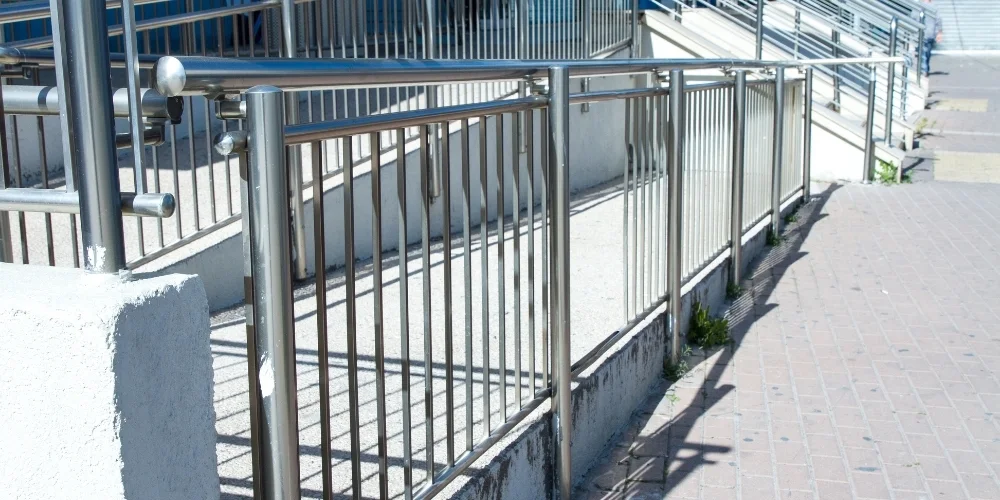
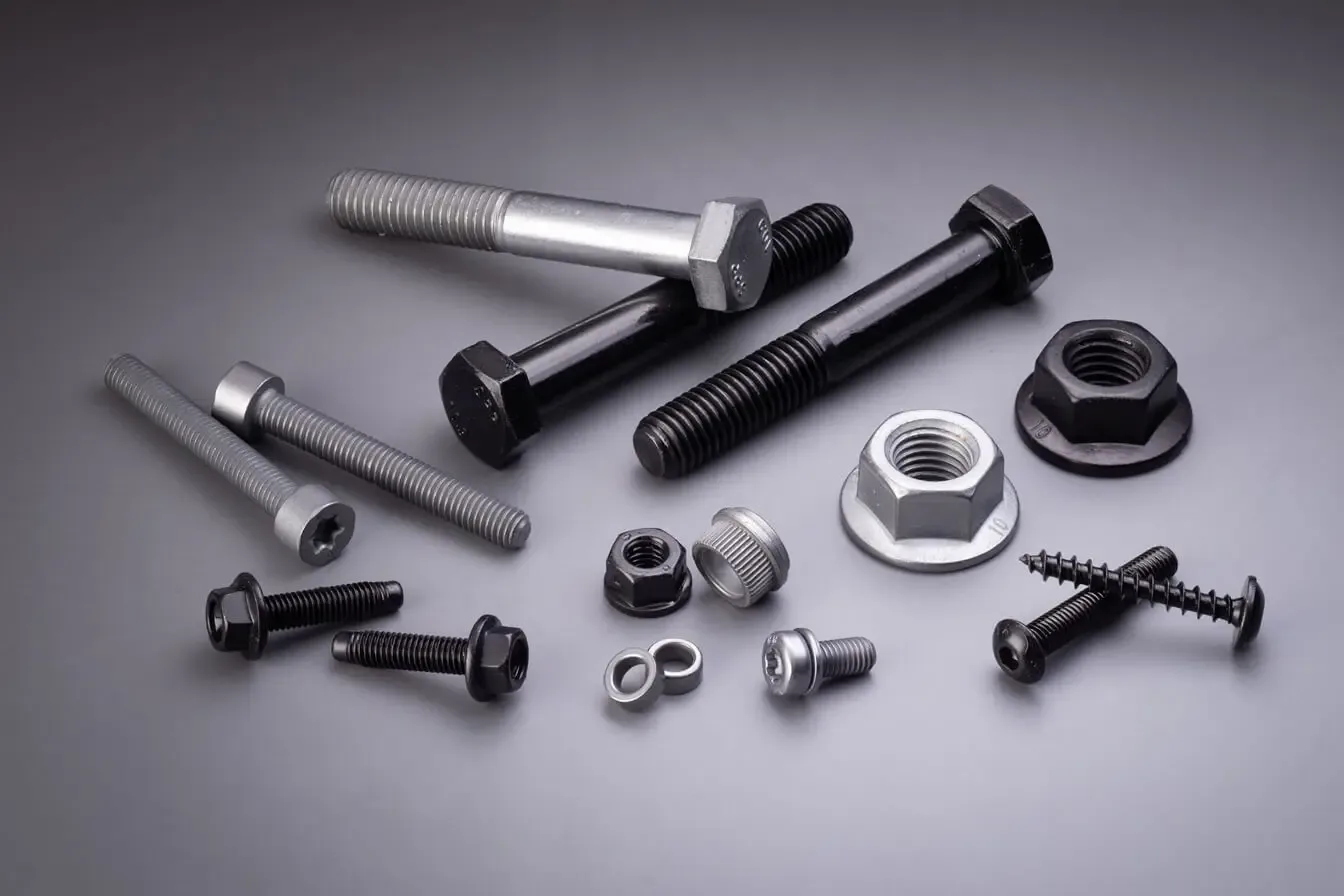
Elemental composition being a key factor, the properties of stainless steel 303 largely depend on the type of the material. Unlike the tool steel 18-8 (304) grade which is a free-machining version of the basic austenitic 18-8 stainless steel, this grade contains sulphur or selenium added to improve machinability. The sulfur and selenium inclusions are present, and such characteristics act as chip breakers that aid chip formation by diminishing tool wear. Even though this alloy is a bit less corrosion resistant and weldable than normal 304 stainless steel. Indeed it is, however, stainless steel 303 has excellent general corrosion resistance, mechanical properties, as well as formability, that make it suitable for numerous applications, including screw machining, fittings, shafts, valves, and fasteners which need extensive machining operations. Therefore, when the component has the right alloy composition and atomic distribution, machinability is optimized, but preservation of the other important properties, say, corrosion resistance, becomes a challenge.
Mechanische Eigenschaften von Edelstahl 303
| Mechanische Eigenschaften | Metrisch | Englisch |
| Ultimative Zugfestigkeit | 690 MPa | 100000psi |
| Zugfestigkeit | 415 MPa | 60200psi |
| Bruchdehnung | 40 % | 40 % |
| Härte, Rockwell B | 96 | 96 |
| Härte, Brinell | 228 | 228 |
| Härte, Knoop | 251 | 251 |
| Härte, Vickers | 240 | 240 |
| Elastizitätsmodul | 193 GPa | 28000ksi |
| Schermodul | 77,2 GPa | 11200 ksi |
Physikalische Eigenschaften von Edelstahl 303
| Physikalische Eigenschaften | Metrisch | Englisch | Kommentare |
| Dichte | 8,0 g/cm³ | 0,289 Pfund/Zoll² | |
Elektrische Eigenschaften | |||
| Elektrischer widerstand | 7.2e-005 Ohm-cm | 7.2e-005 Ohm-cm | |
| Magnetische Permeabilität | 1.008 | 1.008 | bei RT |
Thermische Eigenschaften | |||
| CTE, linear 20°C | 17,2 um/m-°C | 9,56 µin/in-°F | von 0-100°C |
| CTE, linear 250°C | 17,8 um/m-°C | 9,89 µin/in-°F | bei 0-315°C (32-600°F) |
| CTE, linear 500°C | 18,4 µm/m-°C | 10,2 µin/in-°F | bei 0–540°C, 18,7 μm/mC bei 0–650°C |
| Wärmekapazität | 0,5 J/g-°C | 0,12 BTU/lb-°F | von 0-100°C (32-212°F) |
| Wärmeleitfähigkeit | 16,2 W/mK | 112 BTU-Zoll/h-ft²-°F | bei 100°C (212°F), 21,5 W/mK bei 500°C (930°F) |
| Schmelzpunkt | 1400 – 1420 °C | 2550 – 2590 °F | |
| Solidus | 1400 Grad | 2550 °F | |
| Liquidus | 1420 Grad | 2590 °F | |
Äquivalente Materialien aus Edelstahl 303

| EU | Vereinigte Staaten von Amerika | Japan | Frankreich | England | Schweden |
| DE | – | JIS | AFNOR | BS | SS |
| X8CrNiS18-9 (1.4305) | 303 | SUS303 | Z8CNF18-09 | 303S31 | 2346 |
Der Preis von Edelstahl 303
The price of 303 stainless steel is determined by other things like market demand, availability of raw materials, manufacturing costs, and existing economic conditions. Normally, 303 stainless steel is cheaper relative to other high-grade stainless steels such as 304 or 316, because it is simpler in composition and its nickel content is lesser. Nevertheless, there is an on-going trend for prices to change in reaction to the fluctuations of the market. To get the most recent and accurate pricing information, stainless steel suppliers can be consulted or industry publications, which keep track of metal prices on a regular basis, can be referred to.
What Challenges are Encountered in Processing Stainless Steel 303?
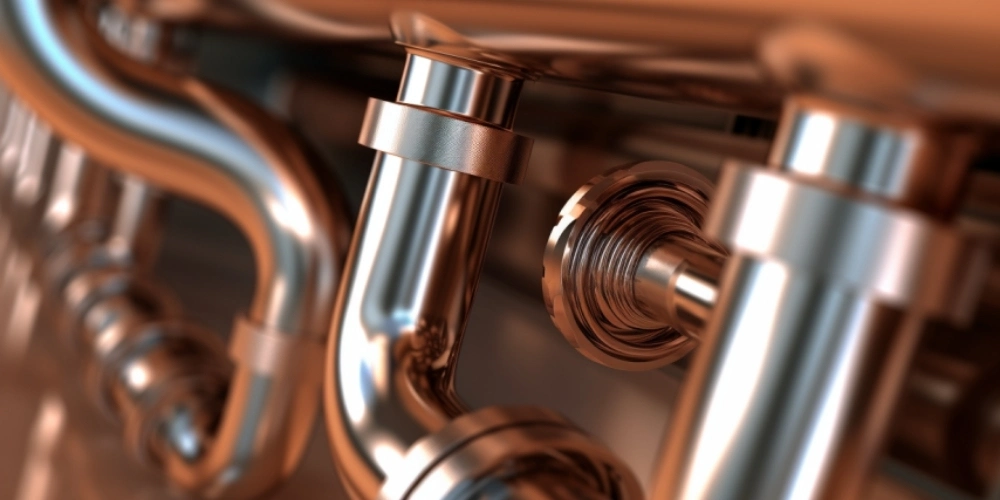
Stainless steel 303 though being machined is far better than austenitic standard stainless steels but still needs special attention. Contemporary problems may comprise the adverse effects of hardening induced by the machining process, scuffing in high loads, and the presence of sulfur inclusions that negatively affect surface finish and mechanical properties. However, weldability difficulties arise after sensitization of welded joints and need for post-weld heat treatments or low-carbon filler metal. The attainment of a smooth surface finish, is sometimes challenging due to hardening and sulfur inclusions which requires proper tooling and processing. The right chip management is a vital requirement to prevent chip agglomeration and tool jamming during the machining process. As a whole, these problems require good control of machining parameters, preferable selection of tools and efficient process optimization to gain the wished part quality and productivity levels.
Anwendungen von Edelstahl 303
Edelstahl 303, bekannt für seine Korrosionsbeständigkeit und Bearbeitbarkeit, spielt in verschiedenen Branchen eine wichtige Rolle: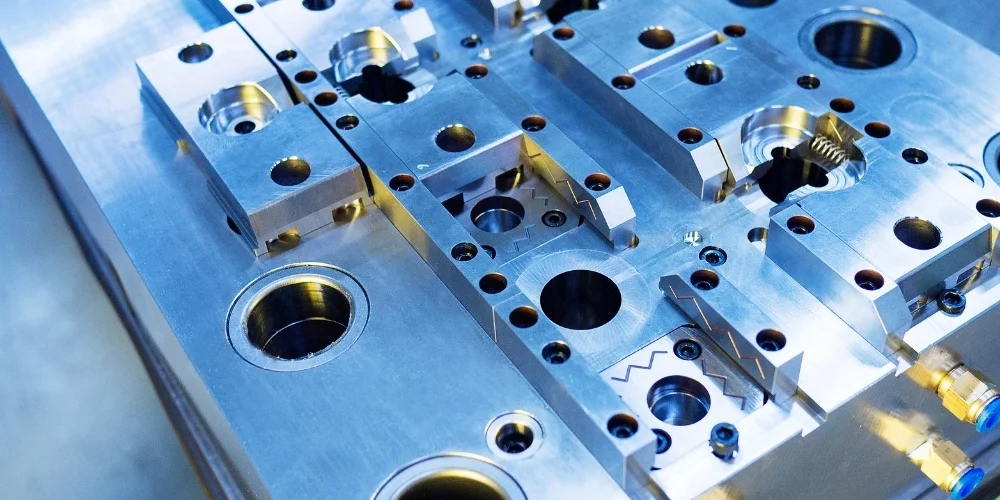
- Automobil: Präzisionsgefertigte Komponenten wie Spurverbreiterungen, Blockwächter, Ventildeckel, und Ansaugflansche finden aufgrund der Vielseitigkeit der Bearbeitung von Edelstahl 303 häufige Anwendung im Automobilsektor.
- Luft- und Raumfahrt: Verbesserung der Luft- und Raumfahrtanwendungen, Auspuffkrümmer, Laufräder, Rohrverbindungsstücke, und Ventilkörper Profitieren Sie von der hervorragenden Bearbeitung von Edelstahl 303, die sowohl Haltbarkeit als auch Präzision gewährleistet.
- Medizinisch: Im medizinischen Bereich verleiht Edelstahl 303 seine Eigenschaften zur Herstellung wichtiger Komponenten, darunter Netzteilgehäuse für medizinische Sensoren, Präzisionselemente, und prothetisch Komponenten, die Zuverlässigkeit und Biokompatibilität gewährleisten.
- Motorrad: Um die Motorradindustrie auf Vordermann zu bringen, wird für die Herstellung Edelstahl 303 ausgewählt Kühlerschutz, Auspuff-Endkappen, Kupplungsdeckel, und Fußrastenund bietet Haltbarkeit mit einem eleganten Finish.
- Anhänger: Im Bereich der Anhängerherstellung wird die Robustheit von Edelstahl 303 für die Herstellung genutzt Anhängerkupplungskugellager, Kanalhalterungen, Koppler, und Zapfenhaken, was Langlebigkeit und Stärke gewährleistet.
- Fahrrad: Beim Einstieg in die Fahrradindustrie werden Komponenten aus Edelstahl 303 verwendet, z Fahrradvorbauten, Kettenblätter, Fahrradnaben, und Kurbelgarnituren Tragen Sie zu leichten und langlebigen Fahrradlösungen bei.
- Kart: In der Kart-Branche rasant voranschreitend, sind Komponenten aus Edelstahl 303 beliebt Kettenräder, Felgen, Spurverbreiterungen, und Radnaben verbessern die Leistung durch ihre korrosionsbeständigen und bearbeitbaren Eigenschaften.
In jeder Anwendung erweist sich die Bearbeitung von Edelstahl 303 als vorteilhaft, da er eine harmonische Mischung aus Korrosionsbeständigkeit und einfacher Bearbeitung bietet und ihn zum Material der Wahl für komplizierte und komplexe Teile macht.