Hinges have been used for a long time to create movable spaces between doors and frames. You can see different types of hinges in many places.
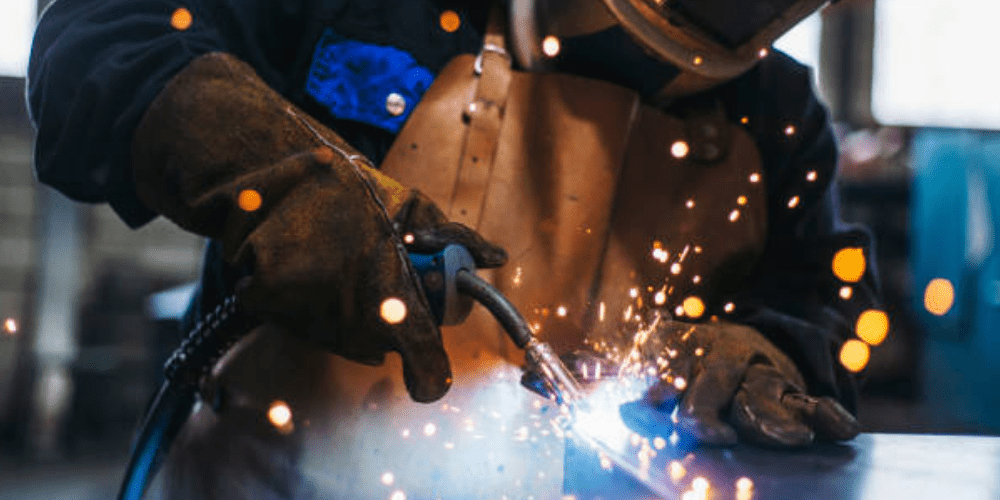
Weld-on hinges have been used for joining two metal parts. They are very useful for metal doors, cabinets, and electronic doors.
What is A Bullet Hinge?
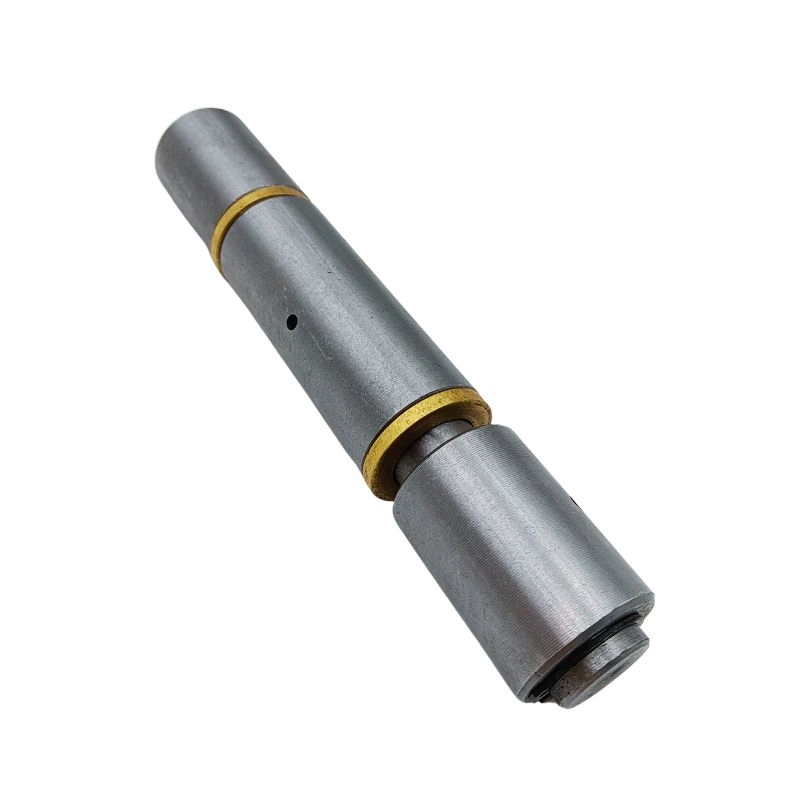
A bullet hinge is a particular kind of hinge that takes small space and looks like a bullet. It is generally made out of three parts. One part is called the male part, another is the female part and the third part is a bushing that balances these two parts.

Kugelscharniere werden insbesondere für Metallrahmen, Schränke und Metalltüren verwendet. Zu Verschönerungszwecken werden sie schon lange verwendet. Sie finden ihre Existenz dort, wo die Verschönerung genauso wichtig ist wie die Wirksamkeit von Scharnieren.
What are Weld-On Hinges?
Weld-on hinges are a general categorization of hinges. You will find that most of the hinges are welded on hinges, except the hinges you use on wooden frames.
The hinges need to be welded to metal frames, like metal doors, metal cabinets, all of which are actually welded on hinges. The mounting of a weld on the hinge takes place on the metal part. That is why it is called a weld-on hinge. Bullet hinges, Butt hinges, and Lift-off hinges are all examples of weld-on hinges.
What are The Materials of Weld-On Hinges?
Anschweißscharniere können aus verschiedenen Materialien hergestellt werden. Es gibt zahlreiche Möglichkeiten, Anschweißscharniere zu erstellen, je nach Platz und Oberfläche, die Sie haben.

But because of corrosion and material cost-efficiency, you can find that most of the welds on hinges are made out of:
Among all materials, stainless steel welded hinges are the most popular ones. They are very easy to design and good for welding. Aluminum and Steel weld on hinges are also very good to work with.
What’s The Main Application of The Welding Hinges?
Most of the hinges you have seen already have weld-on hinges. They are particularly used on metal frames, metal doors, and anywhere metal surfaces are used, and you need a hinge on them.
Einige seiner Anwendungen sind wie folgt:
- Sie können die Kugelscharniere an den meisten Metalltüren finden. Sie benötigen weniger Platz und sind beim Arbeiten weniger sichtbar. Von 20-mm-Metallschranktüren bis hin zu robusten Metallrahmentüren für Haushalte finden Sie Scharnierschweißen.
- Elektrische Türen für Schränke, mechanische Türen für Schränke, überall finden Sie Metallrahmen und Bleche. Deshalb müssen Sie die Scharniere anschweißen.
- Laboratory cabinets, especially those metal lab cabinets, where you always need to keep them clean and need durability for the hinges, you need to weld the hinges to the frames.
- Anschweißscharniere, insbesondere Kugelscharniere, werden häufig für Innendekorationszwecke verwendet, bei denen Sie das Vorhandensein von Scharnieren so weit wie möglich verbergen müssen. Daher verwenden Haus- und Küchenschränke häufig diese Art von Scharnieren.
What are Weld-On Bullet Hinges?
Weld-on bullet hinges are basically the bullet hinges with welding. Bullet hinges do look like bullets. The color may vary depending on the material.
The metal bullet hinges must be welded to the metal frames and doors. The metal frames and doors can be household doors, cabinet doors, lab cabinet doors, etc.
A bullet hinge takes minimal space to move and install. That is why it is one of the most popular types of weld on hinges.
Können Scharniere geschweißt werden?
There are different ways to mount or install hinges depending on the working surface and the type of hinge.
Welded hinges need to be welded. They are used on metal surfaces.
Many hinges, like butt hinges, ball bearing hinges, can be mounted with screws.
But hinges like bullet hinges should be welded to two metal parts like the frame and the metal door.
They are often used for metal door installation, metal cabinet installation, etc., purposes.
How to Use/Install Weld-On Hinges?
Sie können Scharniere auf Metalloberflächen schweißen. Mit den folgenden Schritten können Sie ganz einfach ein Rundscharnier mit Schweißen installieren.

- Step 1: First, identify the parts of the bullet hinge. A bullet hinge consists of three parts: a pin or male part, a female or part with a hole, and a bushing for balancing the male and female parts.
- Step 2: Horizontally put the joining workpieces on the working table or the flat surface.
- Step 3: Now you need to align the male part of the bullet hinge vertically straight with the door and the metal frame. For your reference, the male part goes up, and the female part goes down. You can use a scale, a rod, and two clips for finding the vertically straight position for the hinge.
- Step 4: Now, if you are satisfied with the vertical alignment and the gap between the hinge and the metal door and frame, then tack-weld at both sides. Usually, four points are welded. Both sides of the upper point, and both sides of the lower point.
- Step 5: At this point, you can remove the tool you have used for aligning the male post part of the hinge and fully weld the head to toe of the hinge at both sides.
- Step 6: Adjust the bushing and put the female part.
- Step 7: Repeat step 5 for the female part.
In this way, you can install a weld on a hinge.
Wie passt man ein Kugelscharnier an?
Sie können ein Kugelscharnier zwischen zwei Metallteile einbauen, indem Sie sie auf einer ebenen Fläche ausrichten.
First, put the male part vertically straight in between the two workpieces with a tool. Then, when the gap and the straightness are aligned, tack-weld the upper portion and the lower portion.
After that, remove the tool and fully weld the head to toe of the male part to the frame and the door.
Setzen Sie die Buchse und das weibliche Teil ein.
Then, weld the female part head to toe at both sides for the frame and the door.
Fazit
Anschweißscharniere sind sehr beliebt, um mit verschiedenen Arten von Metallrahmen zu arbeiten. Es gibt sie von Zeit zu Zeit in verschiedenen Formen, Farben und Materialien. Heutzutage sind Kugelschweißscharniere für Innen- und Effizienzzwecke beliebt.