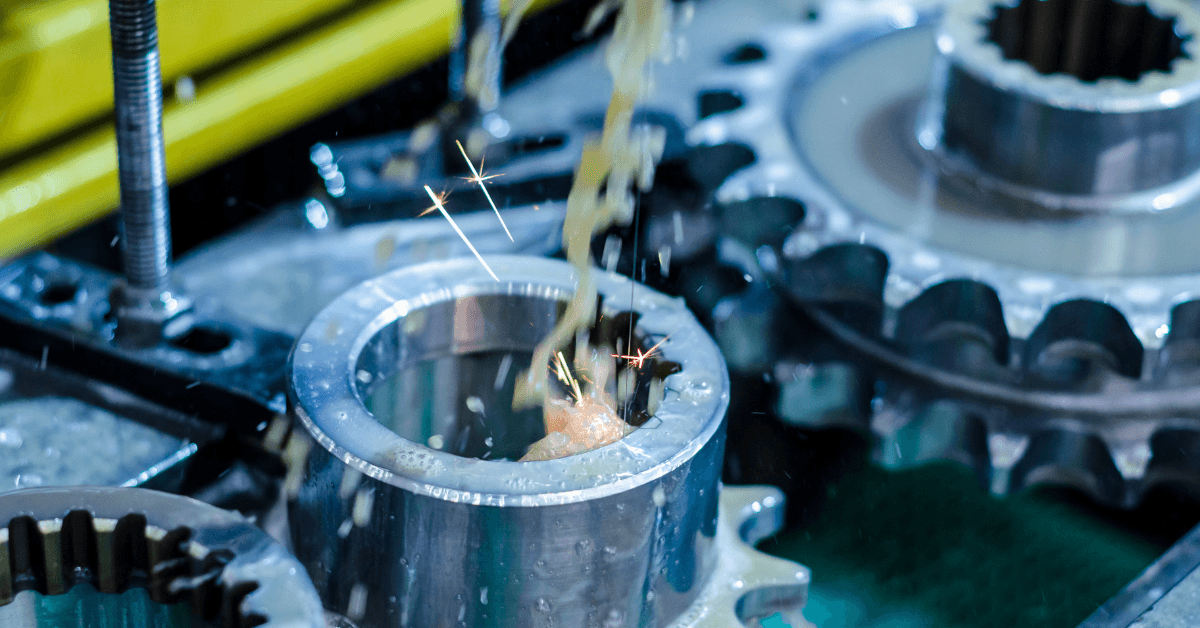
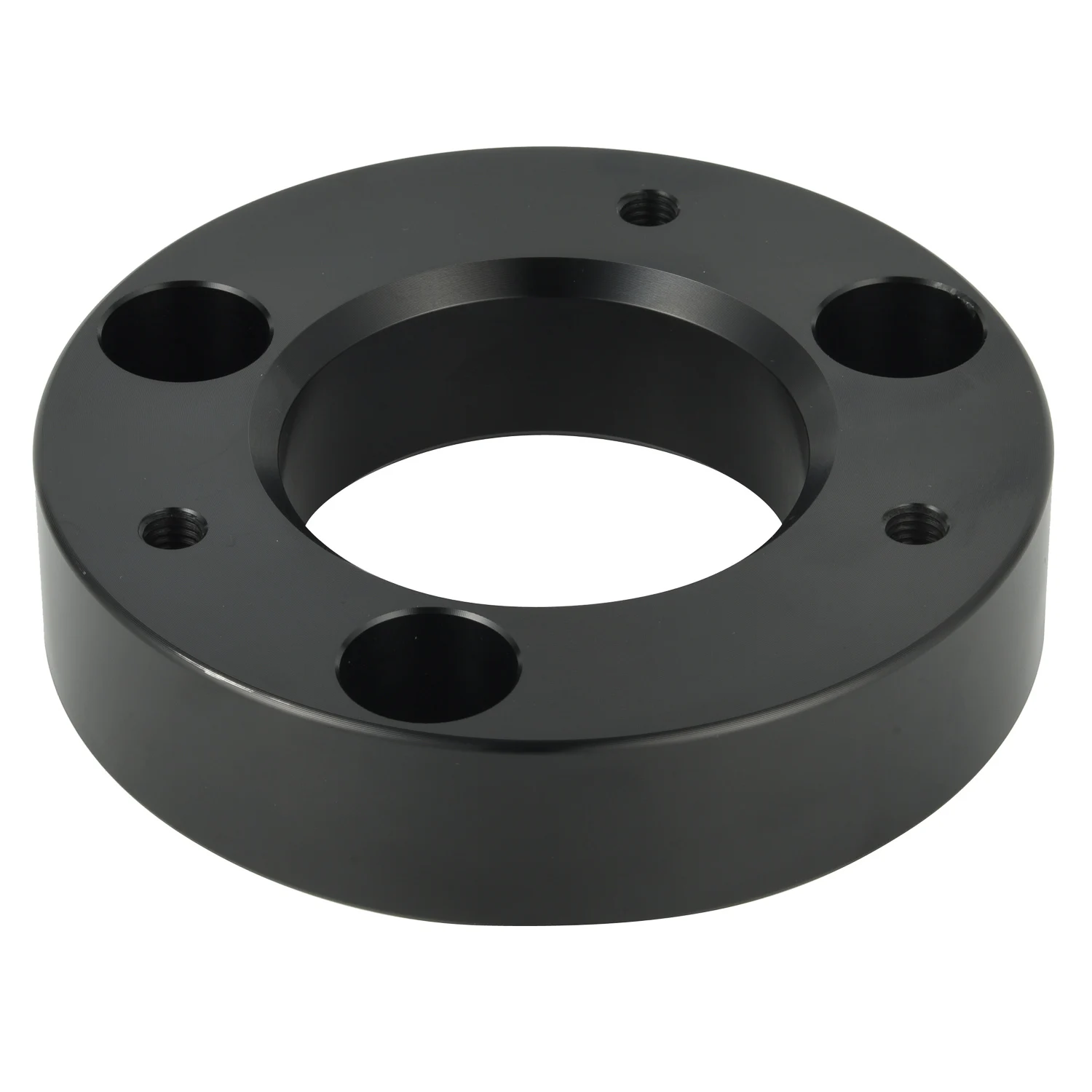
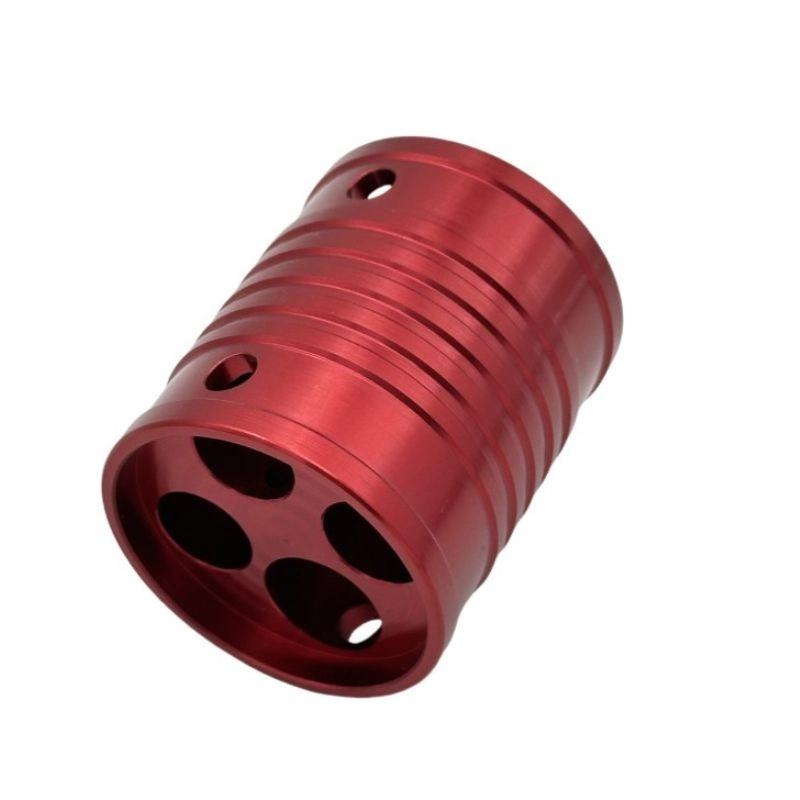
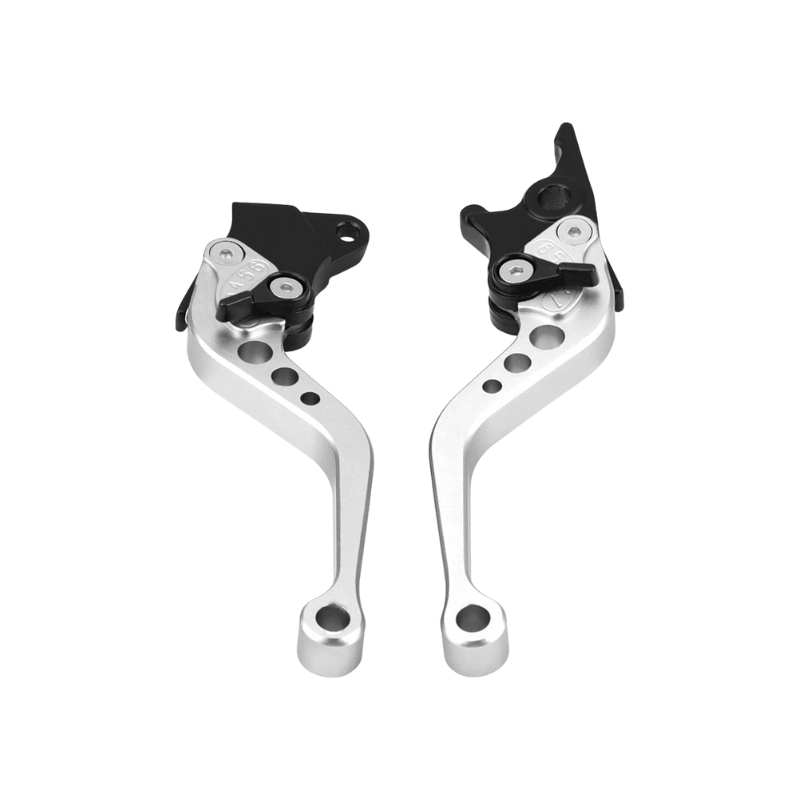
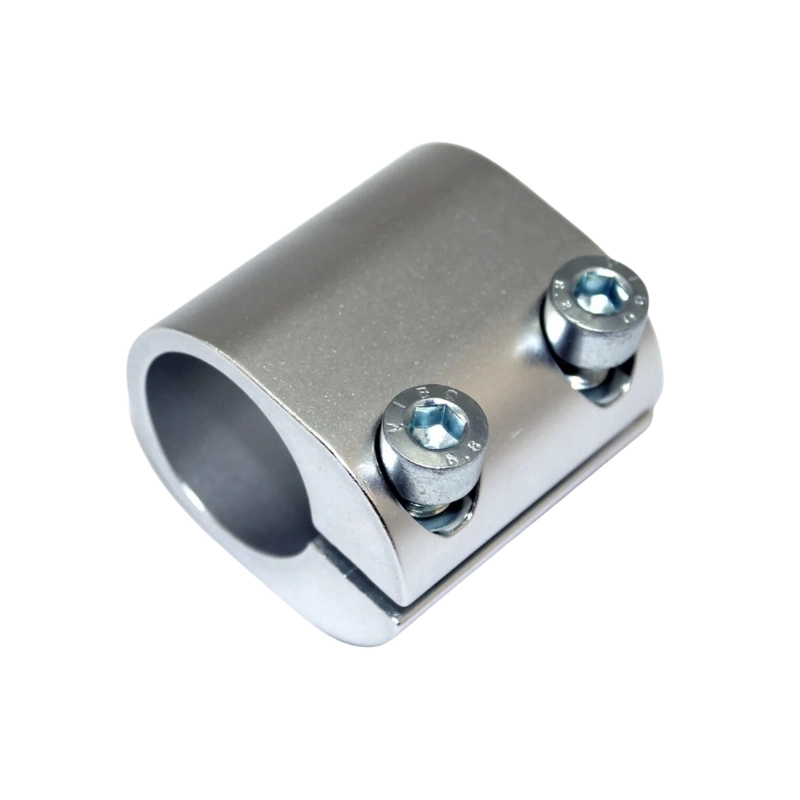
HDC Manufacturing has over a decade of experience in the custom metal components field. We possess precision 4-axis and 5-axis machine tools, automated CNC machining centers, and a professional design and production team. We can provide you with various machining processes, including CNC milling, CNC turning, laser cutting, metal casting, and more, to craft your Stainless Steel 201 material components to perfection, tailored to your specific requirements.
Überblick
Edelstahl 201 ist eine wirtschaftliche Alternative mit angemessener Korrosionsbeständigkeit. Seine Zusammensetzung umfasst Eisen, Chrom und Nickel, weist jedoch im Vergleich zu anderen Edelstahlsorten wie 304 einen geringeren Chrom- und Nickelgehalt auf, was zu einer geringeren Korrosionsbeständigkeit führt. Dieser Stahl ist magnetisch, kostengünstig und vielseitig. Es eignet sich gut für Innenanwendungen wie Küchengeräte, Haushaltsgeräte und Autoabgassysteme, bei denen die Kosten eine entscheidende Rolle spielen. Obwohl es möglicherweise nicht für stark korrosive Umgebungen geeignet ist, ist es aufgrund seiner Formbarkeit und Schweißbarkeit für verschiedene kostenbewusste Anwendungen wertvoll.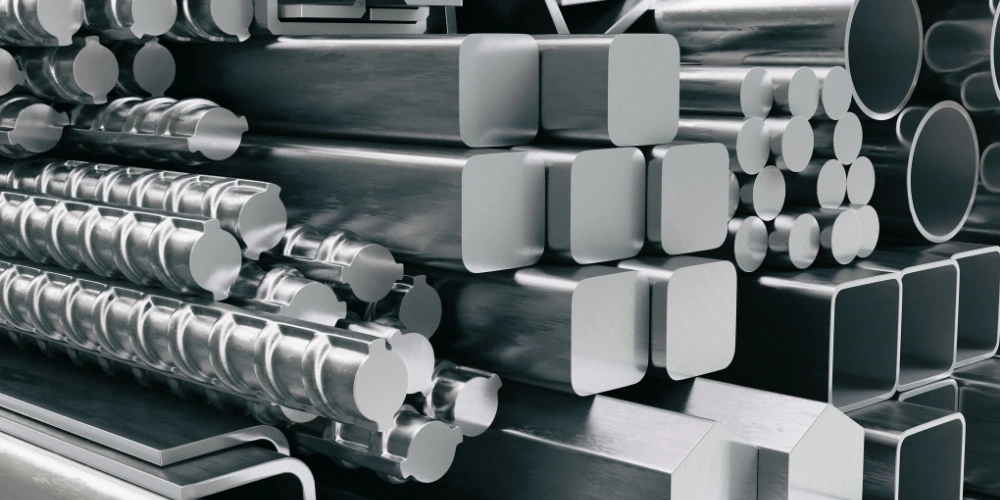
Was ist Edelstahl 201?
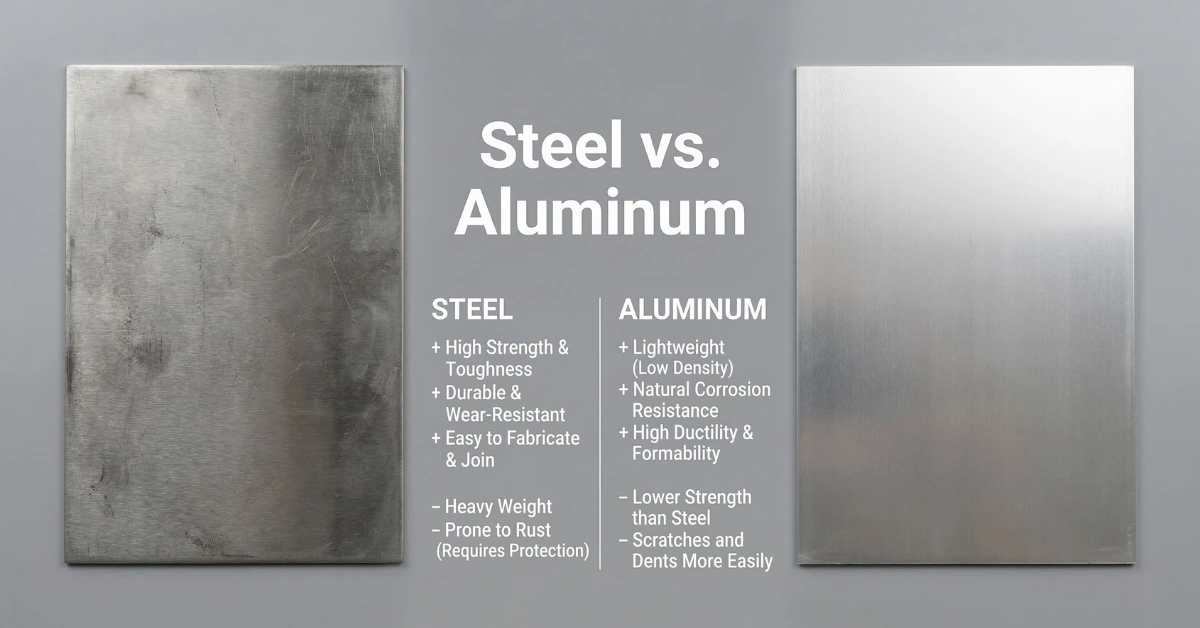
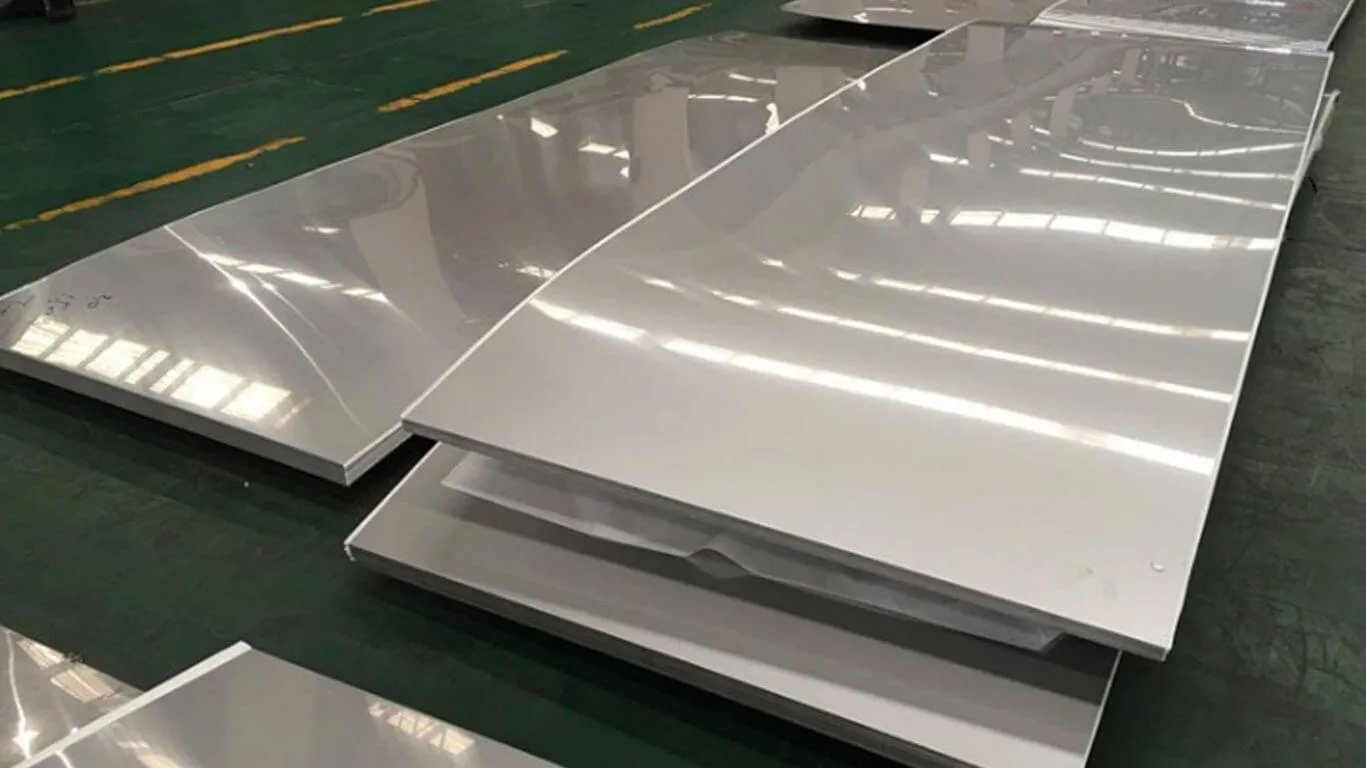
Stainless Steel 201 is an austenitic stainless steel alloy with nominal composition containing 18-20% of Cr element, and which demonstrates an acceptable corrosion resistance, good formability, as well as economic consideration. Consisting of Cr, Ni, Mn, and N, this grade has a good corrosion resistance suitable for much use, yet not as high as those in premium grades, such as 304 and 316. Its high shapeability makes it a good alternative to both welding and joinery in diverse industries including construction, automotive, kitchens and appliances manufacture. Nevertheless, duplex stainless steels are not suitable for extremely corrosive environments that calls for specialized stainless steels of higher grade.
Why is This Type of Stainless Steel Named 201?
Edelstahl 201 wird aufgrund seiner Klassifizierung innerhalb des Gütesystems des American Iron and Steel Institute (AISI) als solcher bezeichnet. Die rostfreien Stähle der „200er-Serie“ sind eine Untergruppe der austenitischen rostfreien Stähle, und innerhalb dieser Serie ist Edelstahl 201 speziell durch die Nummer „201“ gekennzeichnet. Diese numerische Bezeichnung dient zur Unterscheidung von anderen Edelstahllegierungen und weist auf die spezifische chemische Zusammensetzung und Eigenschaften hin.
What is the Basis for Grading Stainless Steel?
Edelstahl wird auf der Grundlage seiner chemischen Zusammensetzung, Mikrostruktur und physikalischen Eigenschaften klassifiziert. Zu den Schlüsselelementen gehören Chrom, Nickel, Kohlenstoff und verschiedene Legierungselemente wie Mangan und Molybdän. Der für die Korrosionsbeständigkeit entscheidende Chromgehalt muss für die Bezeichnung Edelstahl mindestens 10,51 TP3T betragen. Nickel erhöht die Korrosionsbeständigkeit und erhöht die Festigkeit, während Kohlenstoff die Festigkeit und Härte beeinflusst. Verschiedene Serien wie die „200er-Serie“, „300er-Serie“ und „400er-Serie“ kategorisieren Edelstahlsorten anhand ihrer Eigenschaften. Internationale Normungsorganisationen wie ASTM und ISO bieten standardisierte Klassifizierungssysteme und Spezifikationen für Edelstahlsorten und erleichtern so deren Verwendung in verschiedenen Branchen und Anwendungen.
What are the Grades of Stainless Steel?
The stainless steel grades are categorized into various series such as austenitic (300 grade), ferritic (400 grade), martensitic, duplex, and precipitation hardening stainless steels. Austenitic stainless steels like 304 and 316 provide excellent corrosion resistance and formability, while the ferritic grades such as 430 have magnetism with great corrosion resistance. The martensitic steels such as 410 have enhanced strength yet lower corrosion resistance. Duplex families of stainless steels such as 2205 have strength and excellent corrosion resistance because they are a blend of different microstructures. The hardening grades of 17-4 PH type can be heat treated to achieve the high tensile strength. These different grades have a number of properties suitable for use in different industries and they are structural, corrosion resistant, wear resistant, and can be easily worked with.
Chemische Zusammensetzung von Edelstahl 201
Element | Inhalt (%) |
Eisen, Fe | 72 |
| Chrom, Cr | 16,0 – 18,0 |
Mangan, Mn | 5,50 – 7,50 |
| Nickel, Ni | 3,50 – 5,50 |
Silizium, Si | 1.0 |
| Stickstoff, n | 0.25 |
Kohlenstoff, C | 0.15 |
Der Einfluss verschiedener Elemente auf die Eigenschaften von Edelstahl 201
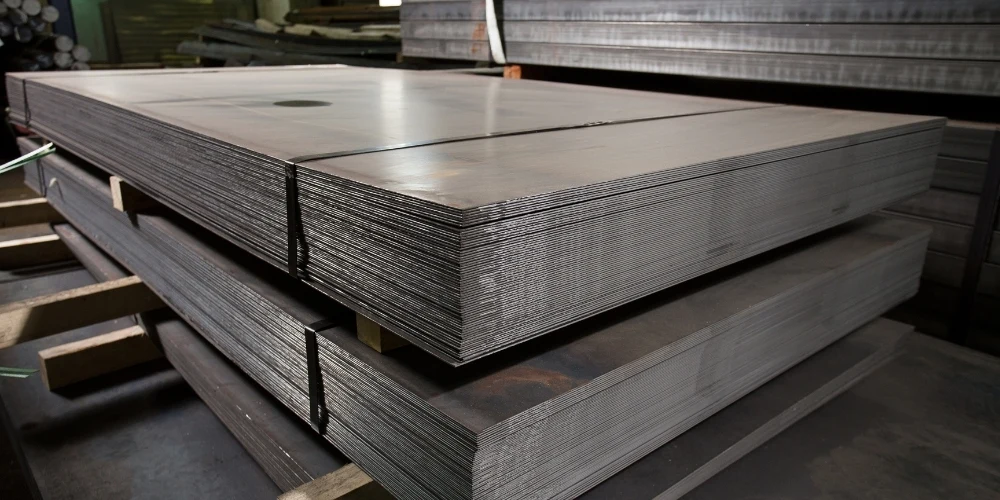
The characteristics of Stainless Steel 201 are dependent on the alloying elements such as chromium which confers corrosion resistance, nickel for ductility and toughness and manganese for strength. Nitrogen critical for strengthening by its presence in a material as an alloying element. Carbon, on its own, affects hardness and strength, while silicon is a scaling and oxidation resistance rising temperature ally. Yet, other minor elements like sulfur, phosphorus, and copper can be effectively used for some other purposes. 201 grade of Stainless Steel has moderate corrosion resistance, fairly good formability and mechanical properties ideally suited for different applications, where no need for more expensive stainless steels exists.
Physikalische Eigenschaften von Edelstahl 201
Eigenschaften | Metrisch | Kaiserliche |
Dichte | 7,86 g/cm3 | 0,284 lb/in³ |
Mechanische Eigenschaften von Edelstahl 201
Eigenschaften | Metrisch | Kaiserliche |
| Zugfestigkeit (quer bei Raumtemperatur) | 685 MPa | 99400 psi |
Zugfestigkeit (längs bei Raumtemperatur) | 696 MPa | 101000 psi |
| Streckgrenze (quer bei Raumtemperatur) | 292 MPa | 42400 psi |
Streckgrenze (längs bei Raumtemperatur) | 301 MPa | 43700 psi |
| Druckstreckgrenze | 365 MPa | 52900 psi |
Elastizitätsmodul | 197 GPa | 28573 ksi |
| Poisson-Zahl | 0.27-0.30 | 0.27-0.30 |
Bruchdehnung (längs bei Raumtemperatur) | 56% | 56% |
| Bruchdehnung (quer bei Raumtemperatur) | 62.50% | 62.50% |
Härte, Rockwell B (quer bei Raumtemperatur) | 85 | 85 |
| Härte, Rockwell B (längs bei Raumtemperatur) | 85 | 85 |
Thermische Eigenschaften von Edelstahl 201
Eigenschaften | Metrisch | Kaiserliche |
| Wärmeausdehnungskoeffizient (bei 20–100 °C/68–212 °F) | 16,6 µm/m°C | 9,22 µin/in°F |
Wärmeleitfähigkeit (bei 100 °C/212 °F) | 16,3 W/mK | 113 BTU in/h.ft².°F |
Herausforderungen bei der Verarbeitung von Edelstahl 201
The processing stainless steel 201 is complicated by its lower corrosion resistance, propensity for rapid cold working induced work hardening and lower machinability compared to other stainless steels. Meeting the surface finish and the formability requirements while also maintaining the economics of the materials is another point of concern. Additionally, weldability needs a correct sequence of preheating and post-weld heat treatment. Moreover, compatibility to certain environments should be evaluated in advance. Although cheap option, consideration of material properties, processing techniques, and quality control measures affect the production and must be addressed carefully.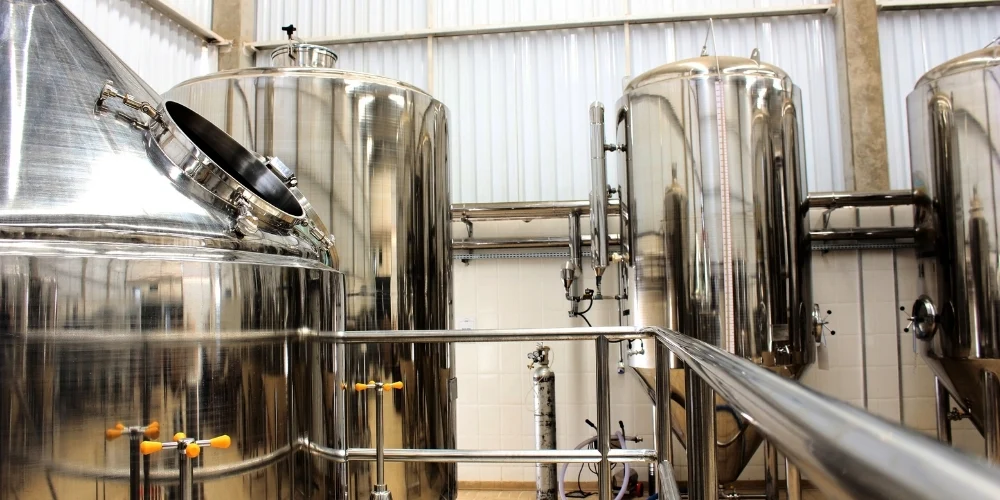
Anwendungen von Edelstahl 201
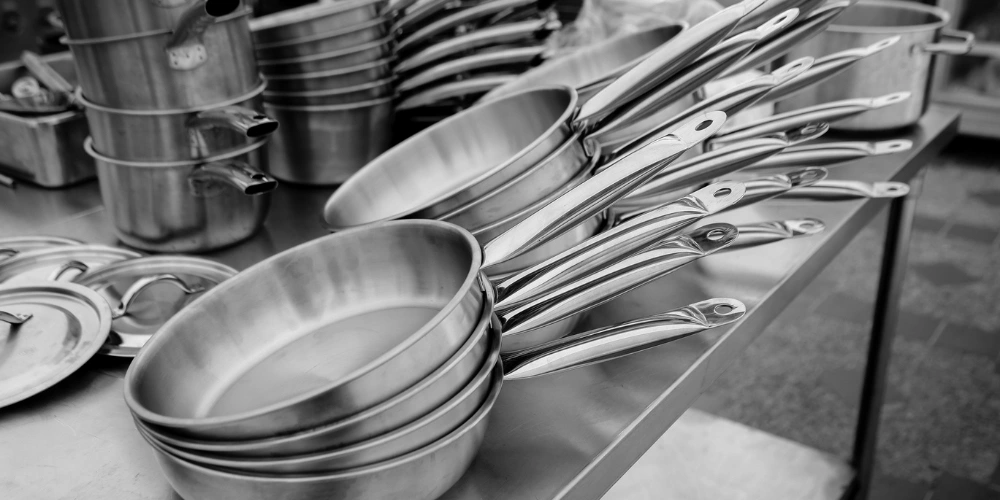
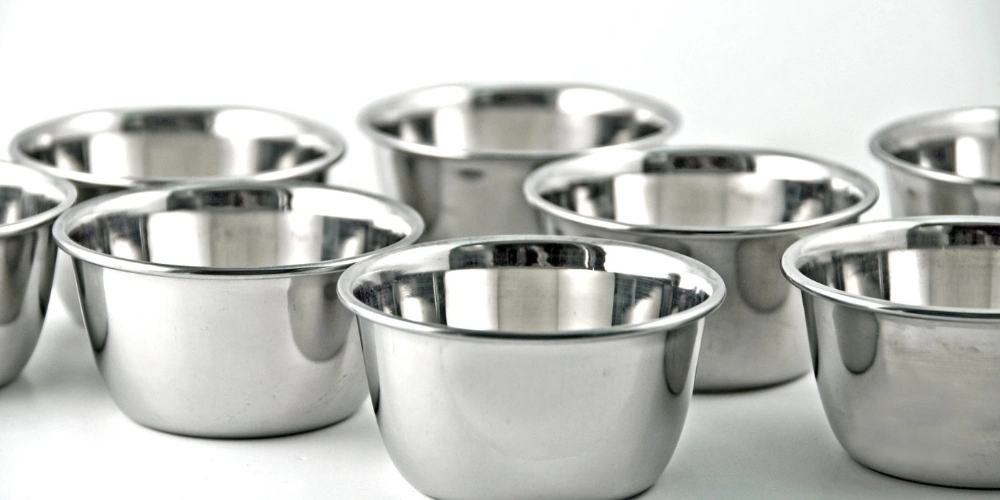
Stainless steel 201 is used in different spheres thanks to its certain properties. It is a very popular material in kitchenware and kitchen appliances because of its good corrosion resistance properties and low cost, which makes it suitable for the food preparation processes. Furthermore, it is applied in the automotive components’ manufacturing including the exhaust systems and trim where the corrosion resistance and aesthetic appearance are considered. In the construction, stainless steel 201 is applied for decorative purposes and architectural trim and for structural elements, where corrosion resistance sufficiently. Along with that, its affordability permits its versatility, i.e., multiple fabrication purposes like shelves, furniture, and signage. Nonetheless, the limited use of these materials is seen in water-based or highly caustic environments where, compared to high-grade stainless steels, their serviceability is limited.
Äquivalente Materialien von Edelstahl 201
EUEN | USA- | JapanJIS | FrankreichAFNOR |
| X12CrMnNiN17-7-5 (1.4372) | 201 | SUS201 | Z12CMN17-07Az |