At one point, I know that you’ve asked yourself the question: steel vs. aluminum, what do I really need? Some of you might even be lost in the abyss of understanding what they truly are! You know them for what they are, but are you sure of their properties and performances?
That’s what we want to use this blog for. We want to shed light to this topic to help people who (1) can be confused what to use between the two; and (1) those who really don’t understand the differences between them.
Understanding the Basics and Both Metals
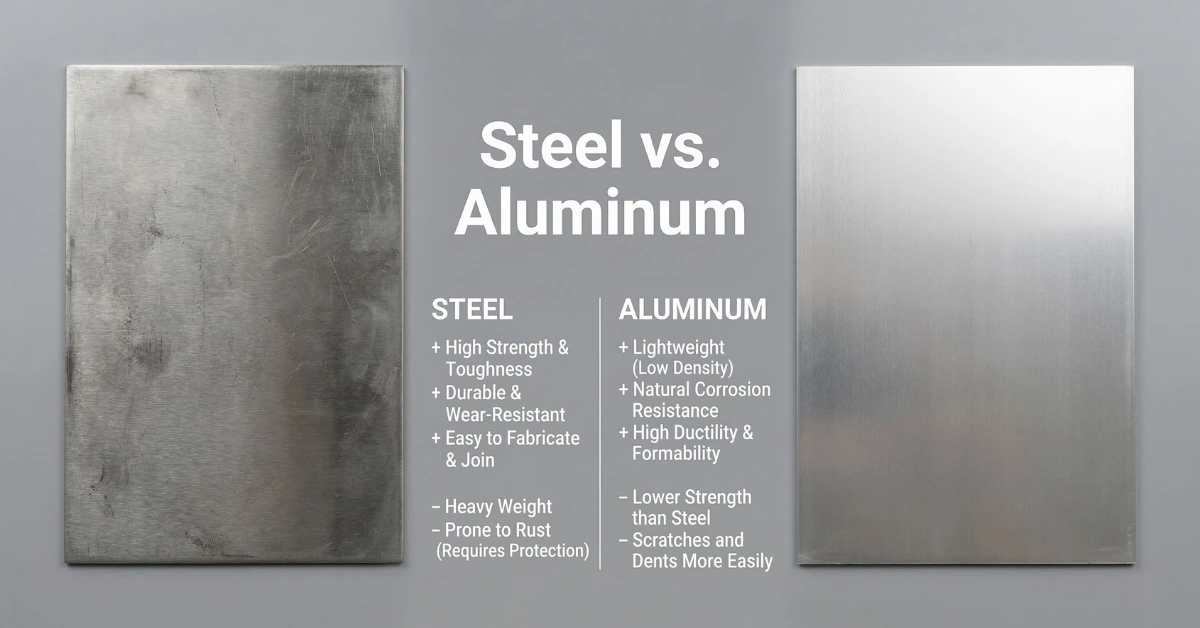
Steel and aluminum show up almost everywhere around us. From buildings and vehicles to everyday tools, these two metals play a huge role in modern manufacturing. Even though they sometimes serve similar purposes, they behave very differently when it comes to strength, weight, and durability.
Understanding what each metal is and how it performs can help you choose the right material for a specific job. Let’s take a look at each of them and understand them better.
Lesen Sie auch: Werten Sie Ihr Fahrzeug mit Aluminium-Spurverbreiterungen auf: Stil und Leistung
Aluminium
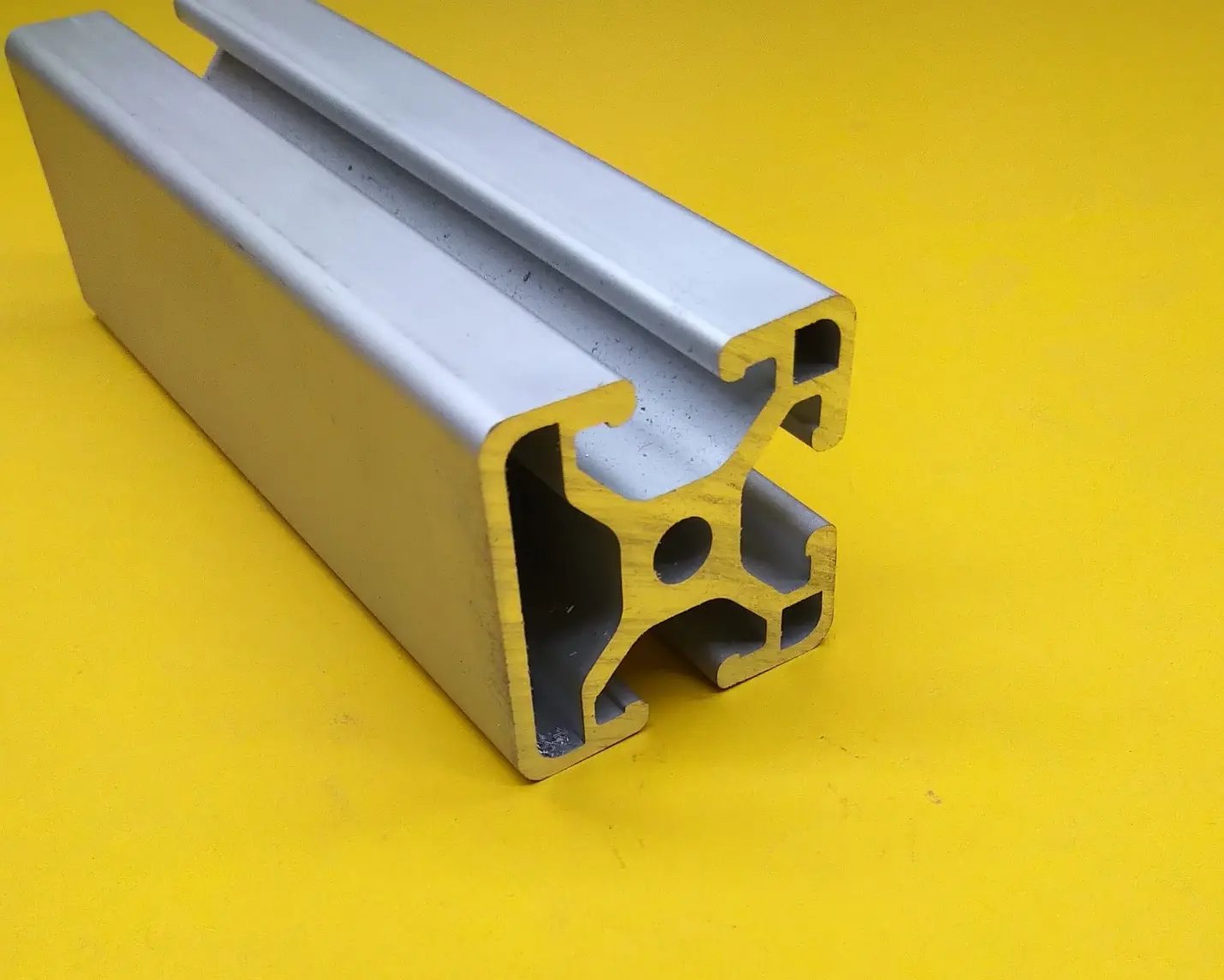
Aluminum is produced from bauxite ore and refined into a lightweight metal that’s known for its excellent strength-to-weight ratio. One of its defining traits is the thin oxide layer that forms naturally on the surface, which helps slow down corrosion. Because of this, aluminum often appears in aircraft structures, vehicle panels, construction materials, and electrical components where reduced weight is important.
Stahl
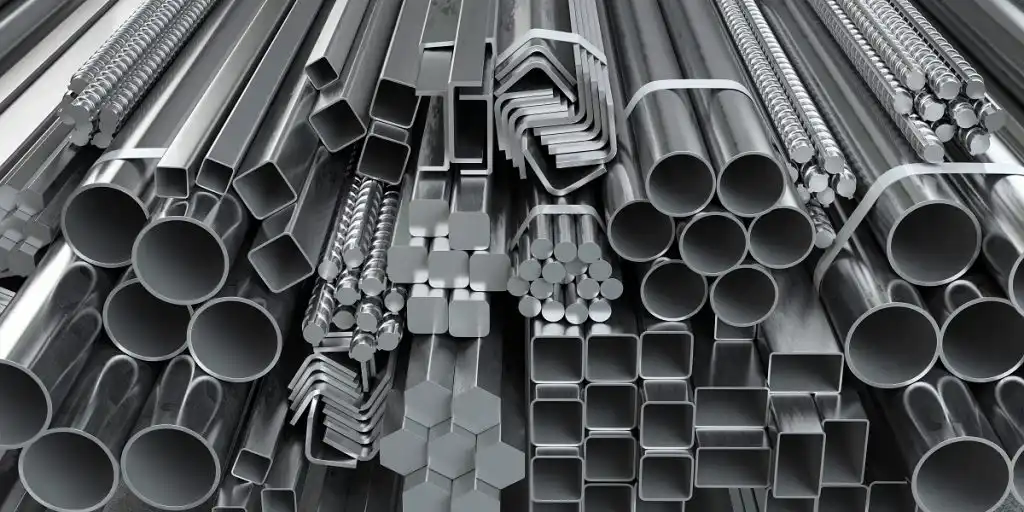
Unlike aluminum, steel begins with iron as its base and gains strength through the addition of carbon and other alloying elements. The exact mix can vary widely depending on the grade, which allows engineers to tailor steel for different mechanical demands. Thanks to its durability and load-bearing capability, steel is commonly used in building structures, industrial machinery, pipelines, and transportation equipment.
Steel vs. Aluminum: Side-by-Side Comparison
When comparing aluminum vs. steel, the differences go far beyond appearance and physical attributes. For one, these two metals behave very differently in terms of mechanical and tensile strength, weight, and overall longevity.
So, let’s take a look at both of them and understand how they’re distinct and similar with one another.
Stärke
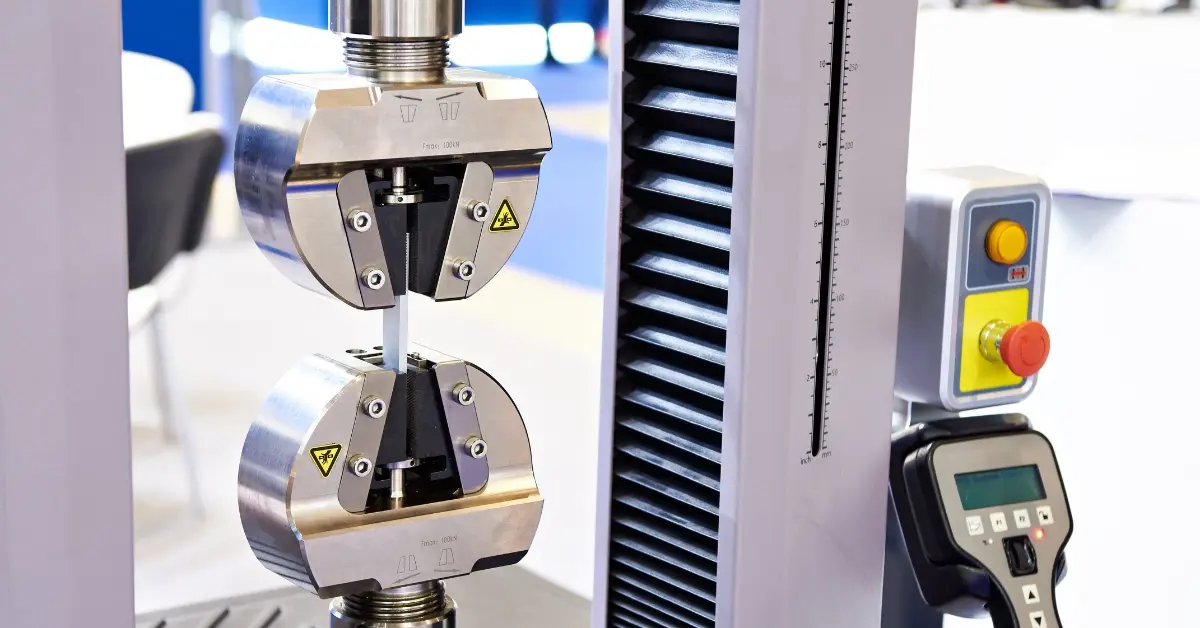
Steel is generally stronger than aluminum when comparing equal thickness. Most structural steels can handle significantly higher tensile and yield loads, which is why steel is widely used in bridges, heavy machinery, and building frames. Aluminum alloys can still achieve impressive strength, but they usually require thicker sections to match steel’s load-bearing capacity.
Weight Difference
Another factor that we always need to consider is weight. In fact, one of the biggest differences between these two metals is weight. Aluminum has a density of about 2.7 g/cm3, while steel averages around 7.8 g/cm3.
What does that mean? Well, it simply means that aluminum weighs roughly one-third as much as steel. Because of this, people often go with aluminum in industries where reducing weight improves efficiency, such as aerospace, transportation, and portable equipment.
Materialeigenschaften
Besides weight, steel and aluminum also differ in their internal structure and mechanical behavior. Steel is stiffer, and therefore is stronger. Meaning, it resists bending and deformation under stress.
Aluminum, on the other hand, is more flexible and easier to form. These properties influence how each material performs in fabrication, structural design, and long-term durability.
Korrosionsbeständigkeit
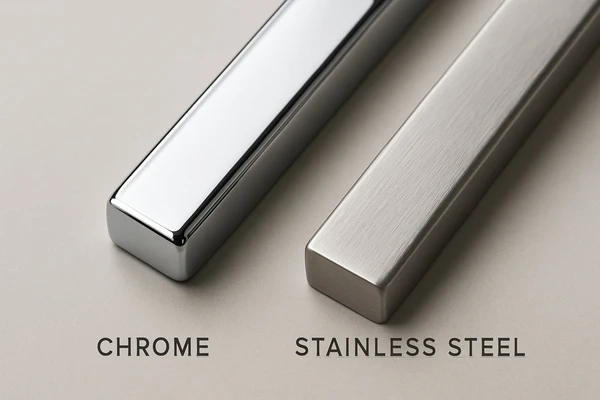
One of the most common and most important factors to consider would be their corrosion resistance. Although they look the same and similar, they’re actually not–they’re far from one another. Aluminum forms a thin oxide layer when exposed to air, and that layer helps shield the surface from moisture and oxidation.
Steel does not have this natural protection, so carbon steel can rust if left untreated. However, coatings, galvanizing, or stainless steel alloys can greatly improve steel’s resistance in harsh environments.
Hitzebeständigkeit
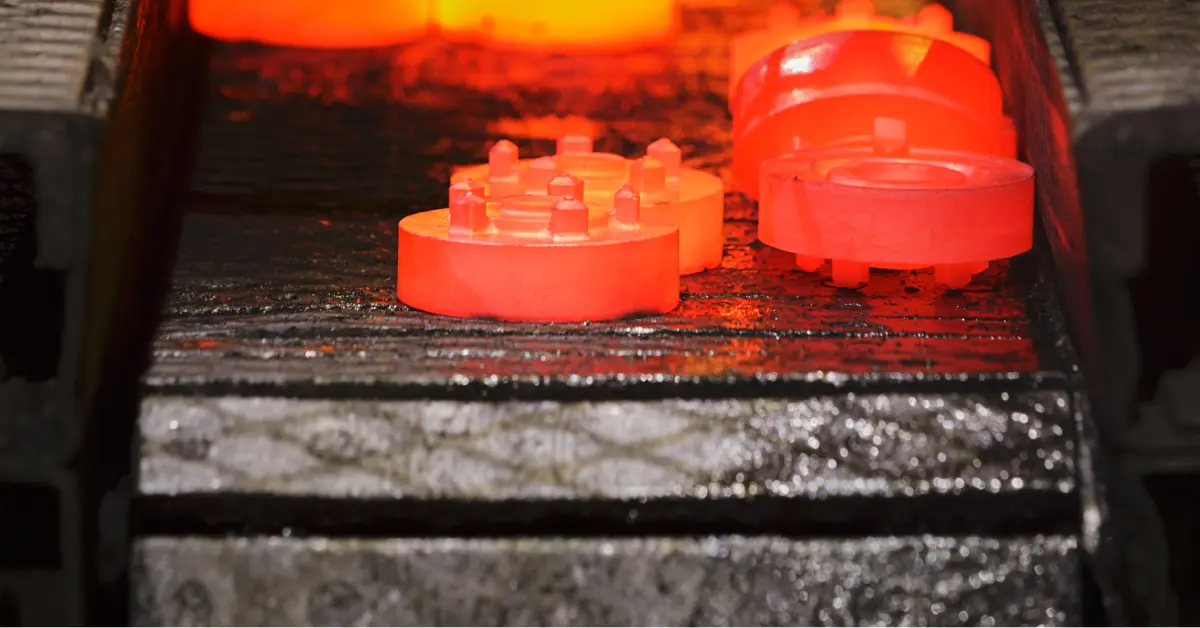
Temperature performance is another area where steel and aluminum behave differently. Steel generally keeps its strength and shape better when exposed to high heat, which is why it often appears in engines, industrial equipment, and structural parts that face thermal stress.
Aluminum, by comparison, transfers heat very efficiently, making it useful for radiators, heat sinks, and cooling components. However, the metal begins to lose stiffness at lower temperatures than steel, so it is less suitable for applications where structural strength must remain stable under extreme heat.
Bearbeitbarkeit
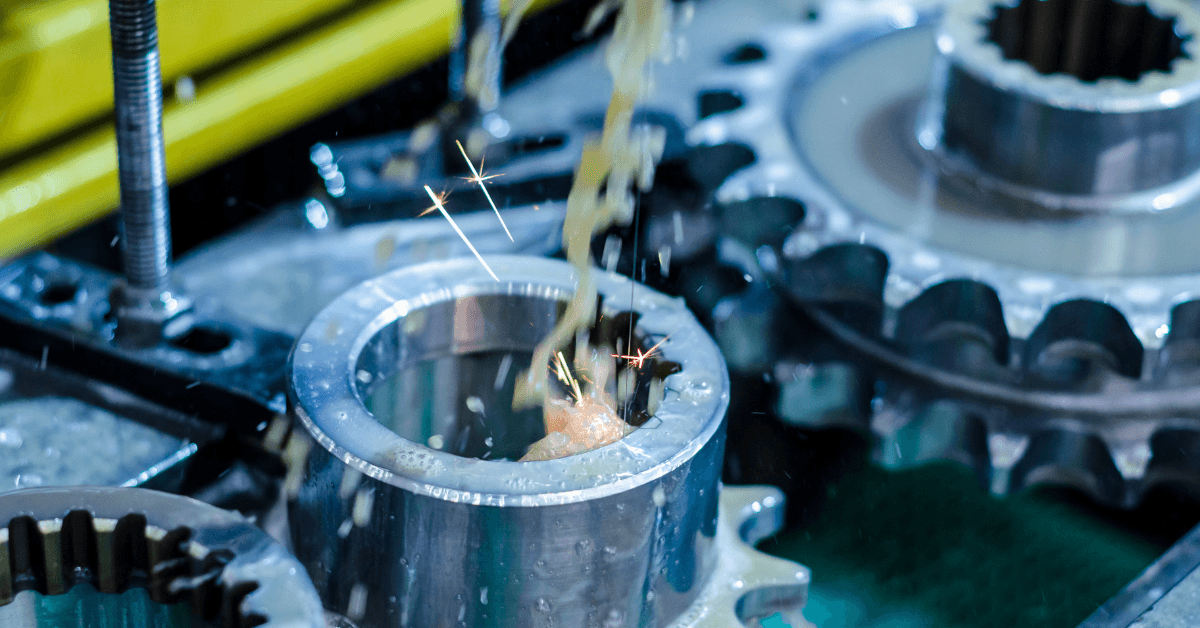
Machining is usually easier with aluminum because the metal is softer and lighter. Cutting tools can move through it quickly, allowing faster production speeds and smooth surface finishes. Steel requires more cutting force and typically generates more heat during machining, which means stronger tooling and slower cutting speeds are often needed to maintain precision.
Preis
Now, we’re not hypocrites to not talk about steel vs. aluminum price. Looking at the price is always almost second nature when comparing two metals, and both aluminum and steel aren’t alien to that.
Although prices aren’t really stable (like everything in today’s world), the prices of both steel and aluminum don’t actually fall far from one another. Carbon steel (steel) is generally cheaper and more affordable per kilogram. Aluminum, on the other hand, can cost more but can help save in transportation and installation because of how light they are.
Mehr lesen: Was ist Edelstahl? Ihr umfassender Leitfaden zum Verständnis von Edelstahl
Comparing Steel and Aluminum in Terms of Application
For the last bit, we need to look at steel and aluminum and their applications. When people compare aluminum vs. steel, the discussion often comes down to where each material performs best. Both metals appear in a wide range of industries, but they are chosen for different reasons.
Let’s take a look at some of their most common uses and applications!
| Industry / Application | Stahl | Aluminium |
| Bauwesen & Infrastruktur | Structural beams, bridges, reinforcement bars, building frames | Roofing panels, window frames, facade cladding |
| Transport | Truck frames, railway tracks, heavy vehicle components | Aircraft structures, car body panels, marine parts |
| Machinery & Manufacturing | Industrial equipment, gears, shafts, heavy machinery | Precision parts, lightweight machine housings |
| Energy & Power | Oil pipelines, drilling equipment, power plant structures | Power transmission lines, solar panel frames |
| Verbraucherprodukte | Tools, appliances, kitchen equipment | Electronics housings, beverage cans, packaging |
| Marine & Offshore | Ship structures, anchors, offshore platforms | Boat hulls, marine fittings |
Get Whatever You Need From HDC Manufacturing!
If you’re trying to look for a manufacturer who can deal with various types and kinds of metals to build the parts you need, you’ll find many suppliers and manufacturers today. But, we here at HDC Manufacturing can get whatever type or kind of metal parts you need produced! Whether it’s steel vs. Aluminium, rostfreier Stahl, or even regular Kohlenstoffstahl, Sie können uns vertrauen!
We can be your one-stop manufacturer for whatever metal parts you might need, whether it’s for automotive, aerospace, and even medical fields, too!
Don’t hesitate to communicate with us or kontaktiere uns with what you need! We’re more than happy to help you!