In der Welt der Metalle ist der Vergleich zwischen Zinn und Aluminium ein Punkt, der vielen immer noch nicht klar ist. Selbst erfahrene Fachleute, die sich in der Branche bestens auskennen, wissen oft nicht, ob sie Aluminium oder Zinn verwenden sollten.
Deshalb haben wir in diesem Artikel besonders sorgfältig recherchiert, um Ihnen zu helfen, einige Bereiche zu identifizieren und anzugehen, die Sie bisher vernachlässigt haben. Wir werden Zinn und Aluminium besprechen und versuchen, Ihnen alle gewünschten Informationen bereitzustellen.
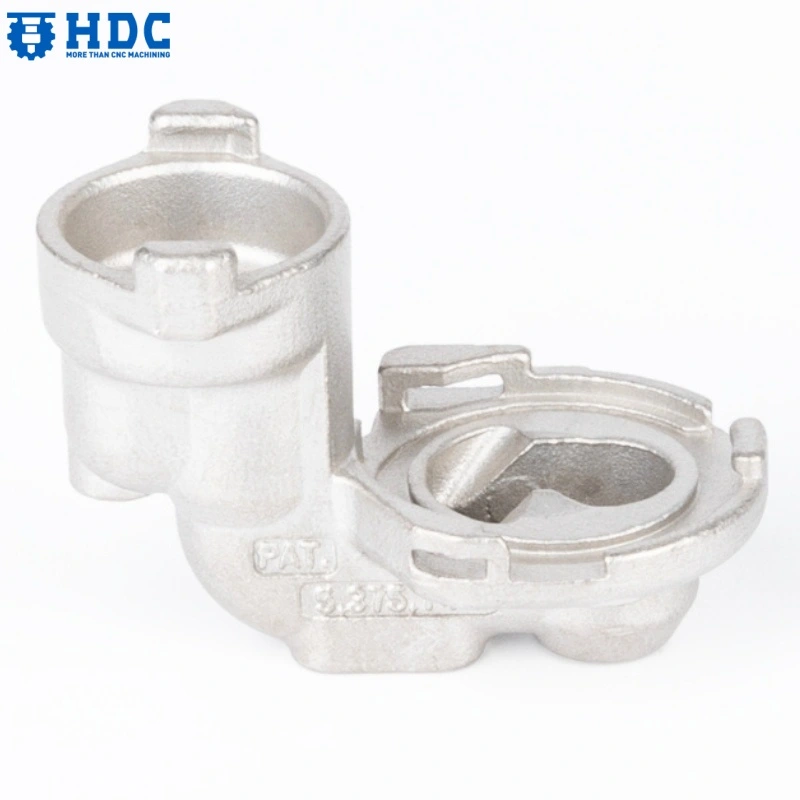
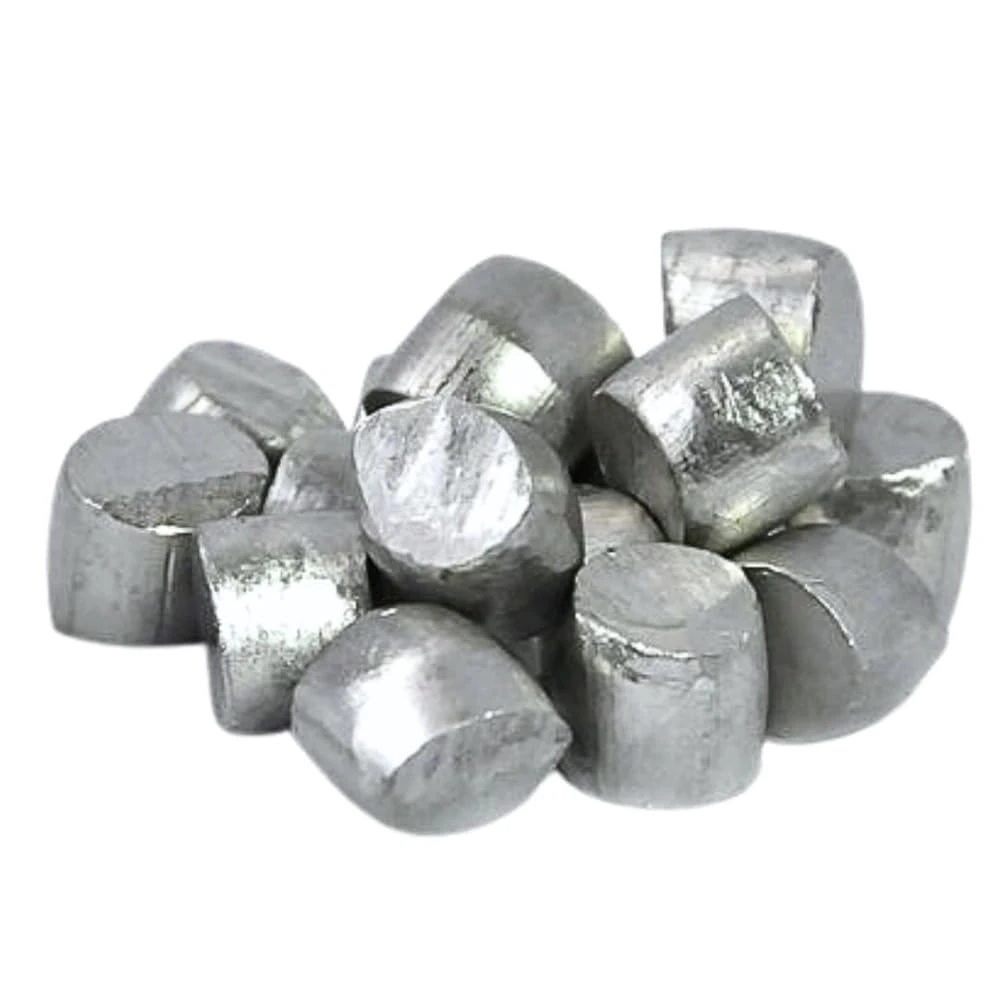
Was ist Zinn?
Quelle: Amazonas
Zinn ist ein weiches, formbares Metall, das in vielen Bereichen Anwendung findet. Es ist ein Element, das heißt, es lässt sich nicht in einfachere Stoffe zerlegen.
In Bezug auf seine physikalischen Eigenschaften ist Zinn silbrig-weiß und wird häufig verwendet, um andere Metalle zu verbinden oder zu beschichten, um unerwünschte Reaktionen zu verhindern. Korrosion.
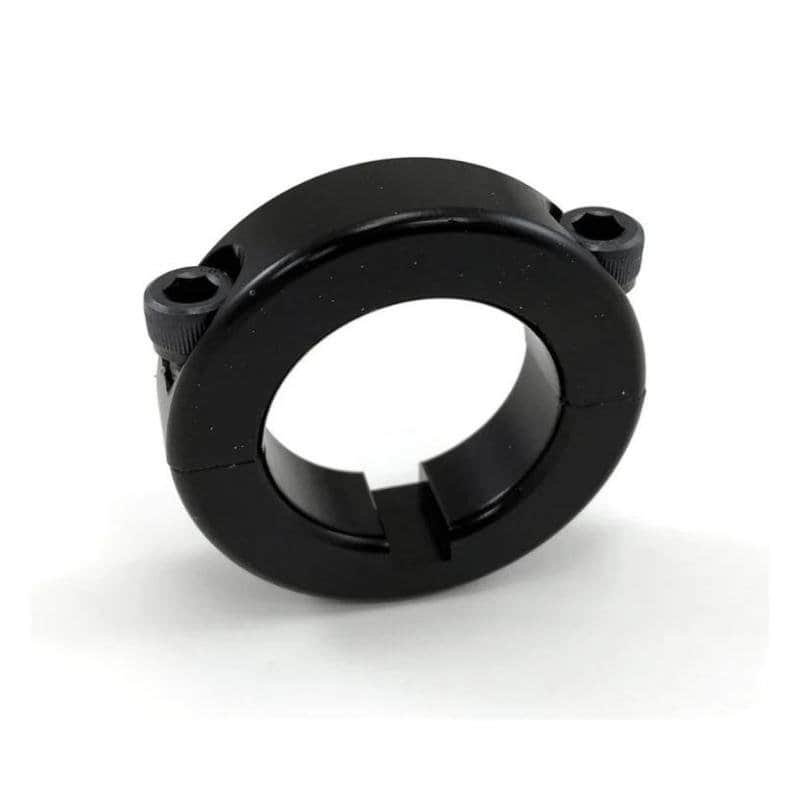
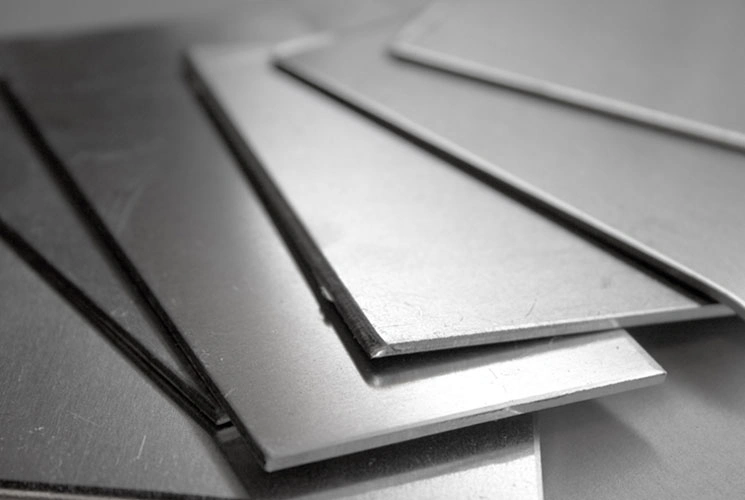
Was ist Aluminium?
Quelle: Gebäude entwerfen
Wie Zinn ist auch Aluminium ein weißes, silberähnliches Metall, das man fast sofort erkennt. Darüber hinaus ist Aluminium das häufigste Metall der Erde und macht etwa einen kleinen Teil der Masse aus. über 8% der Erdkruste.
Aluminium ist äußerst langlebig, robust und ein hervorragender Wärmeleiter. Deshalb wird es in vielen verschiedenen Branchen für Teile und Komponenten verwendet.
Lesen Sie auch: Leitfaden zu 5 Edelstahlsorten: Eigenschaften, Güteklassen und Anwendungsbereiche
Ist Zinn besser als Aluminium?
Ja und nein – lassen Sie mich das erklären. Beide Metalle haben diese gewisse Funktionalität, weshalb sie in bestimmten Bereichen oder Aspekten als effektiver gelten.
Zinn gilt als besser, da es haltbarer ist und Korrosionsbeständigkeit bietet. Aluminium hingegen ist deutlich günstiger, leichter verfügbar und einfacher zu handhaben.
Die Vorteile von Aluminium gegenüber Zinn sind also unterschiedlich und umgekehrt.
Zinn vs. Aluminium: Alles, was Sie wissen müssen
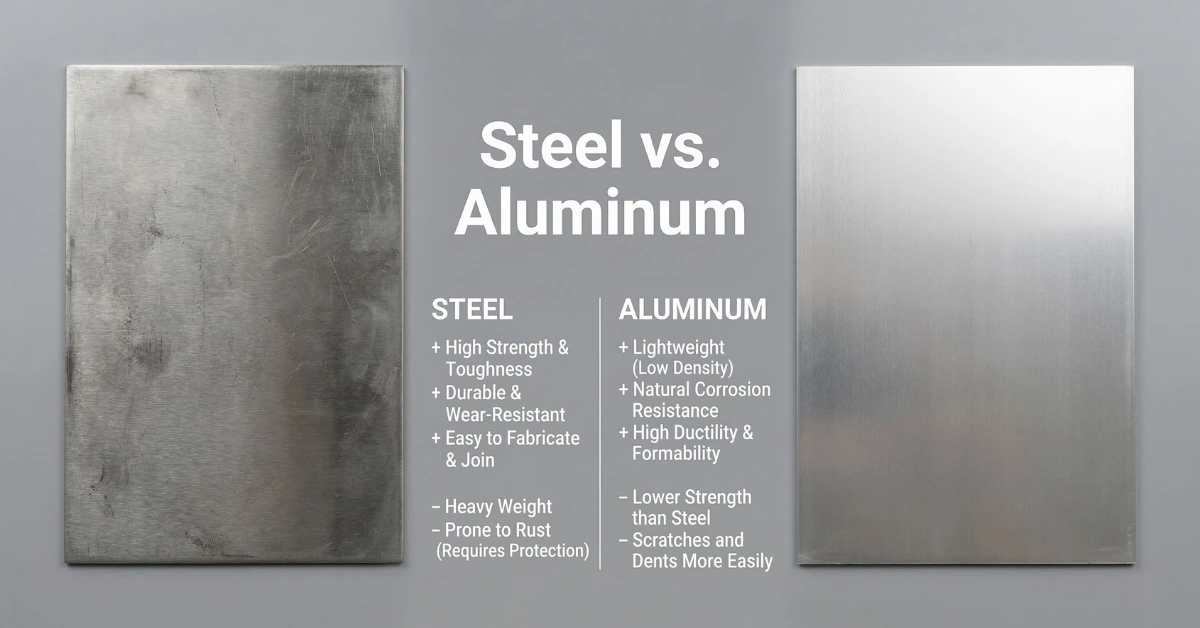
Bei der Entscheidung zwischen Zinn und Aluminium gibt es kein allgemeingültig “besseres” Metall. Welches Metall besser wäre, lässt sich nicht pauschal beantworten. Geeignet für Ihre Anwendung. Von Festigkeit und Korrosionsbeständigkeit bis hin zur Leitfähigkeit erfüllen Zinn und Aluminium unterschiedliche Aufgaben in der Fertigung, Verpackung und Elektronik.
Lassen Sie uns die Unterschiede anhand wichtiger Materialeigenschaften aufschlüsseln, um Ihnen die Auswahl des richtigen Produkts zu erleichtern.
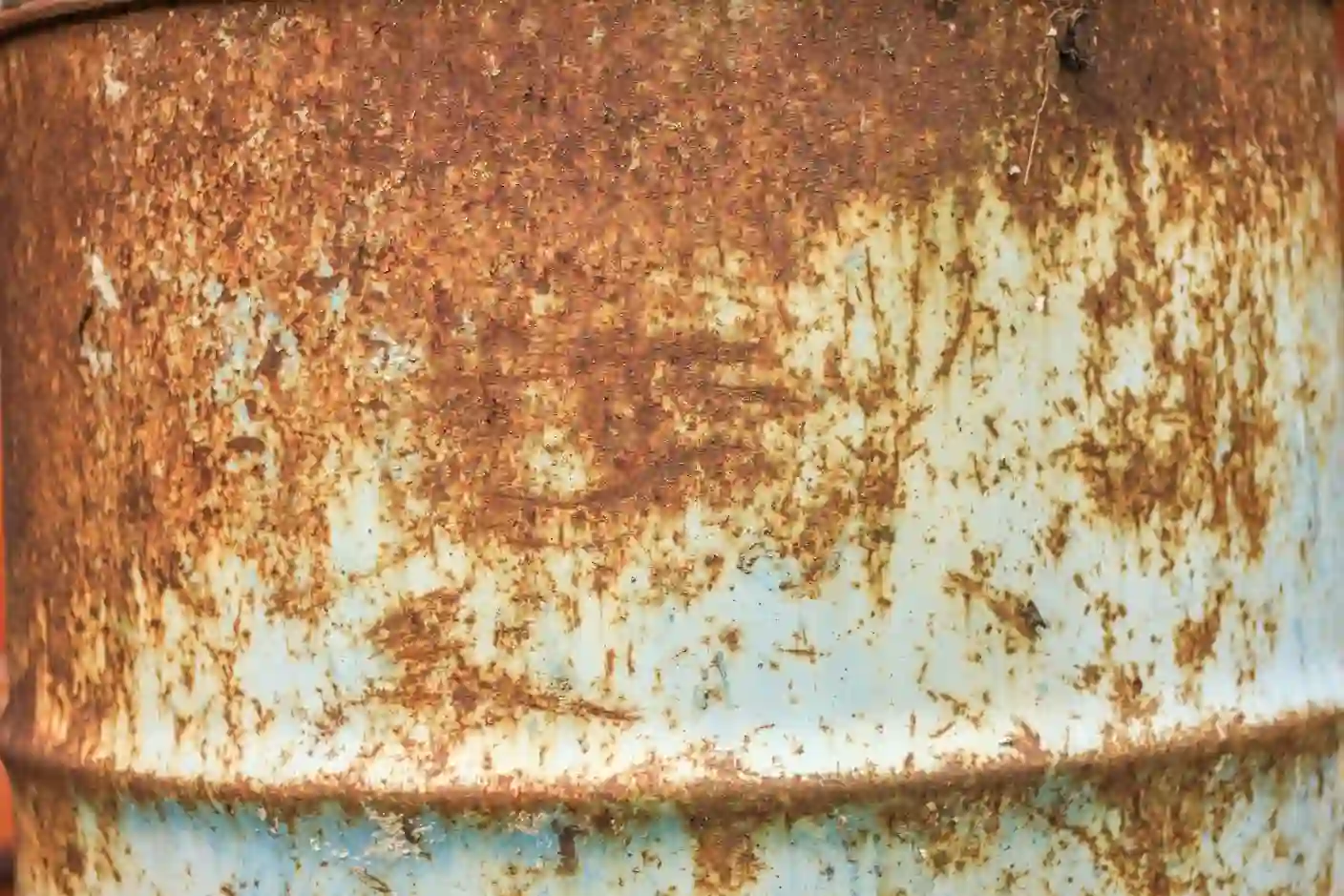
Korrosionsbeständigkeit
Quelle: Monroe Engineering
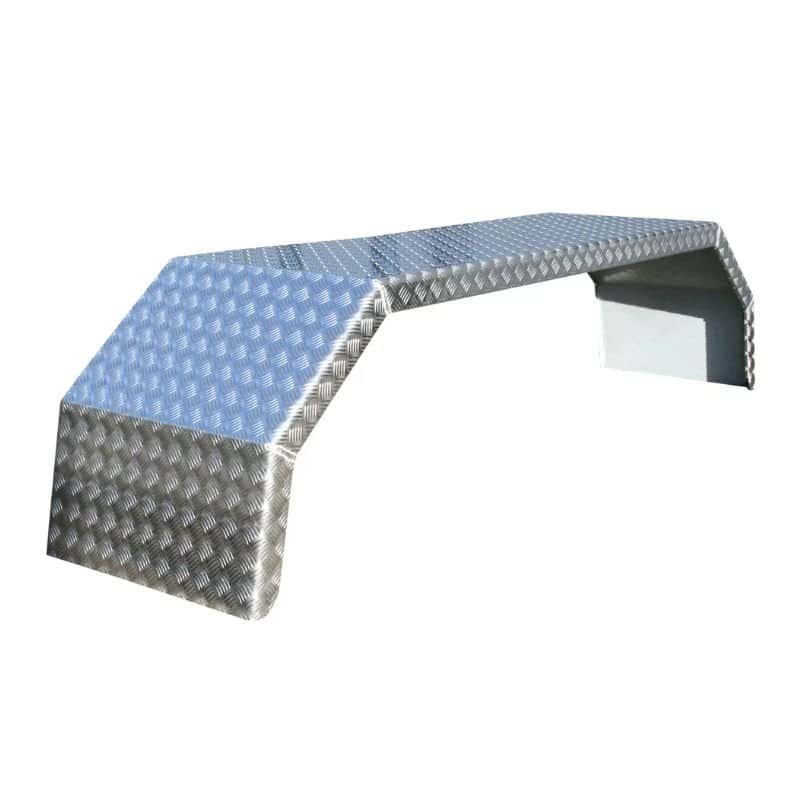
Der erste und wohl einer der wichtigsten Aspekte ist die Korrosionsbeständigkeit. Aluminium bildet von Natur aus eine selbstheilende Oxidschicht, die es vor Rost und Korrosion schützt. Dadurch eignet es sich ideal für den Einsatz in Bauwerken, im Schiffbau und im Außenbereich.
Zinn ist an derselben Stelle ebenfalls korrosionsbeständig, insbesondere in neutralen oder schwach sauren Umgebungen. Im Gegensatz zu Aluminium wird Zinn jedoch üblicherweise als Schutzschicht gegen Rost auf Stahl verwendet.
Stärke
Bei Metallen sind Festigkeit und Härte zwei wichtige Faktoren. Deshalb sollten wir dieses Thema nicht ausklammern.
Aluminium ist leicht, aber dennoch langlebig und robust, insbesondere in speziellen Legierungen wie 6061 oder 7075. Das hohe Festigkeits-Gewichts-Verhältnis macht es ideal für die Luft- und Raumfahrt, das Bauwesen und die Automobilindustrie.
Zinn hingegen ist deutlich weicher und schwächer als Aluminium. Im Allgemeinen eignet es sich nicht für tragende Konstruktionen. Seine Weichheit ist jedoch vorteilhaft für Anwendungen wie Legieren, Beschichten und Löten.
Formbarkeit
Beide Metalle sind flexibel und formbar, Zinn hat jedoch die Nase vorn, da es sich leichter in anspruchsvolle, komplexe Formen bringen lässt. Außerdem eignen sie sich ideal für Beschichtungen und Dekorationsgegenstände.
Aluminium bietet zudem eine ausgezeichnete Verarbeitbarkeit und behält nach der Umformung seine Festigkeit, wodurch es sich perfekt für Strukturpaneele, Verpackungen und Strangpressprofile eignet.
Temperaturbeständigkeit
Aluminium besitzt einen hohen Schmelzpunkt (660 °C) und eignet sich daher für Anwendungen mit hohen Temperaturen, wie sie beispielsweise in Motorkomponenten und Wärmetauschern vorkommen. Dies ist einer der Hauptgründe, warum Aluminium in solchen Anwendungen häufig Zinn vorgezogen wird.
Zinn hat jedoch einen deutlich niedrigeren Schmelzpunkt (232 °C). Dadurch ist es für Hochtemperaturanwendungen am wenigsten geeignet. Die Kombination dieser Eigenschaft mit seinen idealen Eigenschaften zum Löten und thermischen Verbinden ist jedoch vorteilhaft.
Mehr lesen: Schmieden vs. Rohmaterial: Welches Verfahren ist 2026 stärker, günstiger und besser?
Nachhaltigkeit und Kosten
Und nicht zuletzt spielt natürlich der Preis eine Rolle. Aluminium ist reichlicher vorhanden, kostengünstiger und unendlich oft recycelbar.
Zinn ist weniger verfügbar, teurer und sein Recyclingprozess ist weniger energieeffizient. Aus diesem Grund bevorzugen die meisten Menschen, insbesondere Geschäftsleute, Aluminium.
Zinn oder Aluminiumfolie: Sind sie dasselbe?
Um die Frage zu beantworten: Nein, sie sind nicht dasselbe. Manchmal hört man, dass Aluminiumfolie auch “Zinnfolie” genannt wird, weil ursprünglich Folien für Lebensmittelverpackungen aus Zinn hergestellt wurden.
Der heute gebräuchliche Begriff “Alufolie” hat sich daher einfach eingebürgert. Trotzdem ist es wichtig zu wissen, dass Alufolie und Zinnfolie zwei verschiedene Dinge sind.
Schauen Sie sich die oben genannten Unterschiede zwischen Aluminium und Zinn an, um ein besseres Verständnis dafür zu bekommen, wie sie sich voneinander unterscheiden!
HDC Manufacturing as the Best Tin and Aluminum Manufacturer in China
Tin vs. Aluminum? You pick your champion. Consider their properties and characteristics, and make the better choice depending on what your needs are. No matter what your decision is, you can count on us here at HDC Manufacturing to help you with it.
Ausgestattet mit modernster Technologie sind wir bestens gerüstet, Ihnen jedes gewünschte Metall zu liefern: Zinn, Kupfer, Aluminium, Edelstahl – was immer Sie suchen.
Neben der Metallverarbeitung sind wir auch in der Lage, Bearbeitungsdienstleistungen anzubieten, um Ihnen bei der Herstellung des exakt benötigten Bauteils zu helfen.
Worauf warten Sie noch? Kontaktieren Sie uns noch heute und erhalten Sie ein kostenloses Angebot!