A valve cover is the cover that sits on top of the cylinder head and closes the upper part of the engine. It may look simple from the outside, but it does more than just hide the valvetrain. It keeps engine oil inside, keeps dirt out, helps manage heat and splash inside the top end, and in many modern engines it also supports extra features such as ventilation passages, mounting points, and integrated baffles.
For most buyers, the practical point is this: a valve cover is not just a cosmetic part. It is a sealing and housing component. If it is poorly made, the engine can leak oil, lose cleanliness, and create service problems that seem small at first but become expensive later.
Valve Cover Function: What Does a Valve Cover Do?

The first job of a valve cover is sealing. The top of the engine contains moving parts that need constant lubrication. Oil is continuously splashed and circulated in this area. The valve cover keeps that oil inside the engine instead of letting it escape into the engine bay.
The second job is protection. The area under the valve cover contains important engine components such as camshafts, rocker arms, and valve springs, depending on engine design. These parts must stay clean. The valve cover helps block dust, moisture, and other contamination from getting into that space.
The third job is structural and functional support. On many engines, the valve cover is not just a hollow shell. It may include oil-control baffles, PCV or breather passages, filler openings, coil mounting areas, wiring brackets, or sensor-related features. This is why the design and manufacturing route matter more than many people expect.
Valve Cover Location: Where Is the Valve Cover on an Engine?
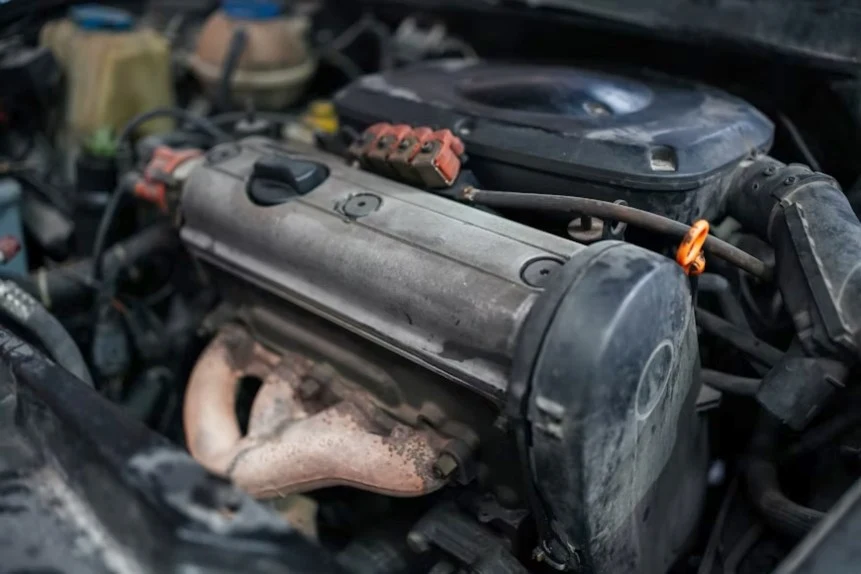
The valve cover is mounted directly on top of the cylinder head. On an inline engine, there is usually one valve cover. On a V engine, there are usually two, one on each bank. It sits above the combustion chambers and above the valvetrain, which means it operates in a hot and highly cyclical environment.
This location explains why valve covers must be dimensionally stable. The engine heats up and cools down again and again. A part that warps, cracks, or loses sealing load over time will usually start showing oil leaks around the gasket rail, bolts, or integrated openings.
Valve Cover vs Valve Cover Gasket
This is a common point of confusion. The valve cover is the hard outer component. The valve cover gasket is the sealing element placed between the cover and the cylinder head.
If the valve cover is the housing, the gasket is the sealing layer that makes the joint leak-tight. Both matter. A good gasket cannot fully compensate for a warped or poorly machined cover, and a good cover cannot seal properly with a damaged or poor-quality gasket. Buyers who source valve covers should always think about the cover and the gasket interface together.
What Materials Are Valve Covers Made From?

The most common valve cover materials are plastic and aluminum, though other metal or composite solutions are also used depending on the engine and application.
Plastic valve covers are widely used in modern passenger vehicles because they are lightweight and cost-effective. They also allow many features to be integrated into one molded part. That makes them attractive in high-volume production where weight and part consolidation matter.
Aluminum valve covers are common where strength, rigidity, heat resistance, and long-term dimensional stability are more important. They are especially relevant in custom engines, performance applications, industrial engines, and aftermarket upgrades. In these cases, a metal valve cover often gives better confidence in flange stability and durability.
From a buyer’s point of view, the choice often comes down to application. If the project is cost-sensitive and optimized for mass production, plastic may be appropriate. If the project needs a robust custom part with stable sealing surfaces and stronger structural behavior, a metal valve cover is often the better option.
Why Aluminum Valve Covers Are So Common in Custom Projects
When buyers move from standard mass-market parts into custom engine components, aluminum becomes much more attractive. It offers a good balance of weight, strength, corrosion resistance, and machinability. It also works very well with casting, which is important because valve covers often have irregular shapes and built-in features that are difficult to make efficiently any other way.
Aluminum valve covers are also easier to finish visually for aftermarket and premium applications. But the bigger value is practical, not cosmetic. A cast aluminum valve cover can be designed with ribs, bosses, filler openings, and baffles while still allowing the sealing surfaces to be machined accurately afterward.
How a Valve Cover Is Usually Made

For metal valve covers, the most common manufacturing route is casting followed by CNC machining on the critical areas. This is usually the most practical solution because a valve cover has a shape that is far more complex than it first appears.
It is not just a box with holes. It often includes internal volume changes, gasket rails, bolt bosses, mounting points, breather features, and shape constraints based on the engine bay. Casting produces those near-net features efficiently. Then machining is used to finish the areas that directly affect fit and sealing, such as the flange surface, bolt holes, and any precision mounting features.
This is why casting is usually the best starting point for a metal valve cover. It keeps the process economical while still allowing tight control where it matters.
Why Valve Covers Are Primarily Made by Casting
Casting makes sense for valve covers for three practical reasons.
First, it handles geometry well. Valve covers often have curved surfaces, stiffening ribs, oil-control features, and integrated bosses. Casting produces these forms much more efficiently than machining from solid material.
Second, it reduces waste. If you machine a valve cover from billet, you remove a large amount of material to get to the final shape. That works for one-off parts or prototypes, but it becomes expensive quickly in production.
Third, casting works naturally with CNC finishing. The cover body can be created by casting, then the sealing surfaces and key features can be machined with much better accuracy than trying to cast everything to final tolerance. For a decision-maker, this combination is usually the most balanced route: efficient shaping first, precision where needed afterward.
Valve Cover Manufacturing: Casting Plus CNC Machining
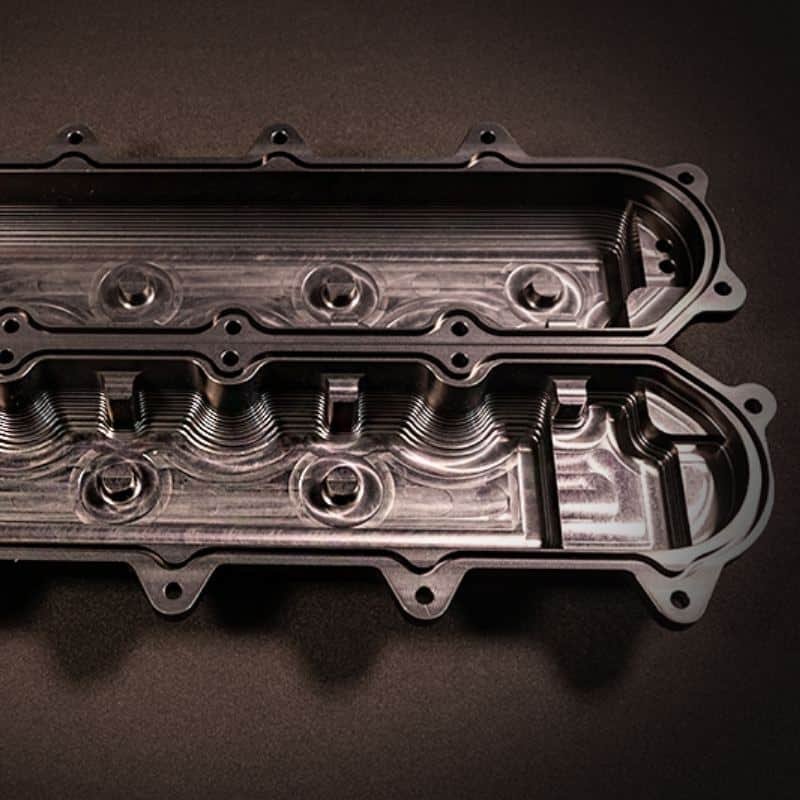
This is the part many buyers should pay attention to most. Even if the valve cover is cast, the part is usually not “finished” until the functional surfaces are machined.
The most important example is the gasket rail or sealing flange. If that surface is not flat and stable, the cover may leak. Bolt-hole accuracy also matters because uneven loading can distort the cover or compress the gasket inconsistently. If the design includes mounting features for coils, brackets, or other accessories, those areas may also need controlled machining.
This means the real manufacturing route is often not just “casting.” It is casting plus CNC machining. Buyers who understand this usually make better sourcing decisions because they stop evaluating the part only by appearance and start evaluating it by function.
Common Problems With Valve Covers in Service
Most people think of oil leaks first, and that is fair. Leakage is the most visible valve cover problem. But the real root causes vary.
Sometimes the gasket ages and fails. Sometimes the cover flange is warped. Sometimes the bolt loading is uneven. In lower-quality parts, the issue can be poor dimensional control, weak material choice, or inadequate machining on the sealing rail.
In custom and performance applications, the risk increases when the cover includes added features or a different shape than the original OEM design. That is why manufacturing quality matters. The cover has to do more than look right. It has to stay flat, seal repeatedly, and work in a very hot, oily, vibrating environment.
What Buyers Should Check Before Sourcing a Valve Cover
The first thing to check is material. A buyer should know whether the part should be plastic, aluminum, or another material based on the engine’s real needs.
The second is manufacturing route. If the cover is metal, the most practical route is often casting with machining on the functional areas. That should be clear early in the discussion.
The third is sealing-surface control. Ask how the flange is produced and finished. This is often more important than the appearance of the outer shell.
The fourth is feature integration. If the design needs breather passages, filler necks, mounting bosses, or baffles, those features should be considered at the design stage because they strongly affect tooling, quality control, and price.
The fifth is application context. A valve cover for a standard engine replacement part is different from a custom valve cover for a modified engine, industrial engine, or special equipment program. The supplier should understand that difference.
When a Custom Valve Cover Makes Sense
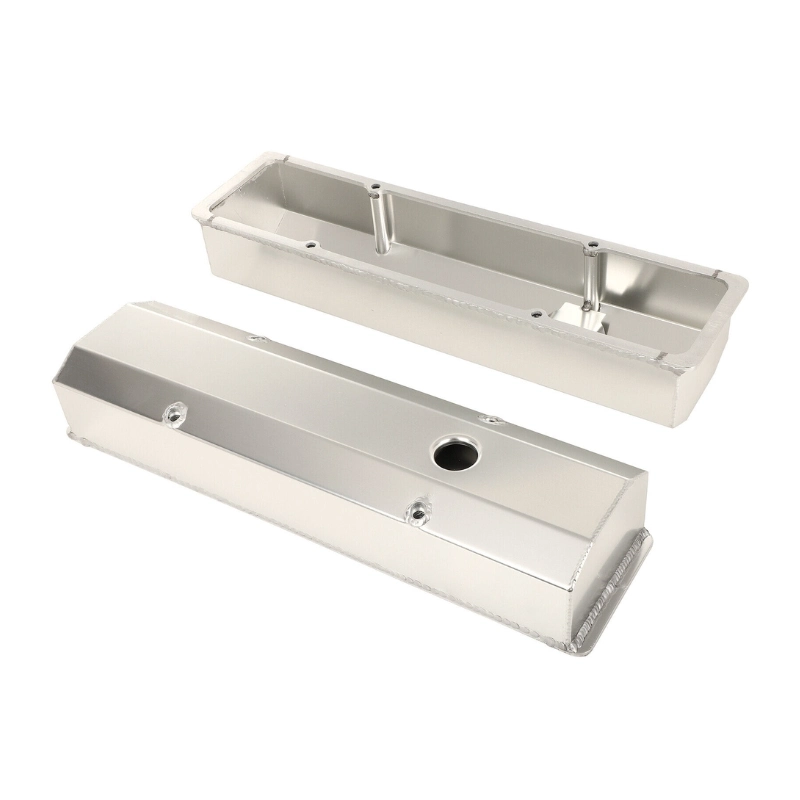
A custom valve cover makes sense when the standard part does not meet the design, packaging, branding, or performance requirements of the project. This may happen in custom automotive work, performance engines, industrial equipment, special engine conversions, or branded aftermarket programs.
In these cases, the buyer usually needs more than a basic shell. They need a part that fits the head correctly, supports the required integrated features, seals reliably, and can be repeated with consistent quality. That is why the manufacturing route matters so much. A cast-and-machined metal valve cover is often the most practical answer when strength, geometry, and sealing all matter together.
Where HDC Manufacturing Fits
At HDC Manufacturing, we support custom valve cover projects as a metal component manufacturer with a casting-plus-machining workflow. For buyers, the value is practical: casting is used to create the body efficiently, and CNC machining is used to control the sealing flange, bolt holes, and other important functional features. That matters because a valve cover is not judged only by shape. It is judged by whether it fits properly, seals consistently, and works reliably in service.
Frequently Asked Questions
Is a valve cover the same as a rocker cover?
Yes. In many cases, the terms valve cover and rocker cover are used for the same part. Some regions and product catalogs prefer one name over the other.
Why are many metal valve covers cast instead of machined from billet?
Because casting handles the shape more efficiently. Valve covers often have ribs, bosses, and integrated features that are easier and more cost-effective to make by casting, then finish with CNC machining where precision matters.
Are aluminum valve covers better than plastic ones?
Not always in every application, but aluminum valve covers are often preferred in custom or performance projects because they are more rigid, more heat-stable, and better suited for a cast-and-machine route.
Can a poor valve cover cause oil leaks even with a new gasket?
Yes. If the flange is warped, the holes are inaccurate, or the sealing surface is poorly finished, the gasket may not seal properly even when new.
What is the biggest sourcing mistake buyers make with valve covers?
Treating the valve cover like a simple cosmetic shell. In reality, it is a sealing and housing component. Material choice, flange accuracy, and manufacturing route matter much more than appearance alone.
Conclusion
A valve cover is the top cover of the cylinder head. It keeps oil inside, protects the valvetrain, and often supports extra engine functions such as ventilation and mounting features. For buyers, that is the key decision point: not just who can make the shape, but who can make a valve cover that works reliably in real engine service. We at HDC can guide you and help with enhancing engine performance using precision CNC valve covers and answering all your sourcing questions for valve covers.