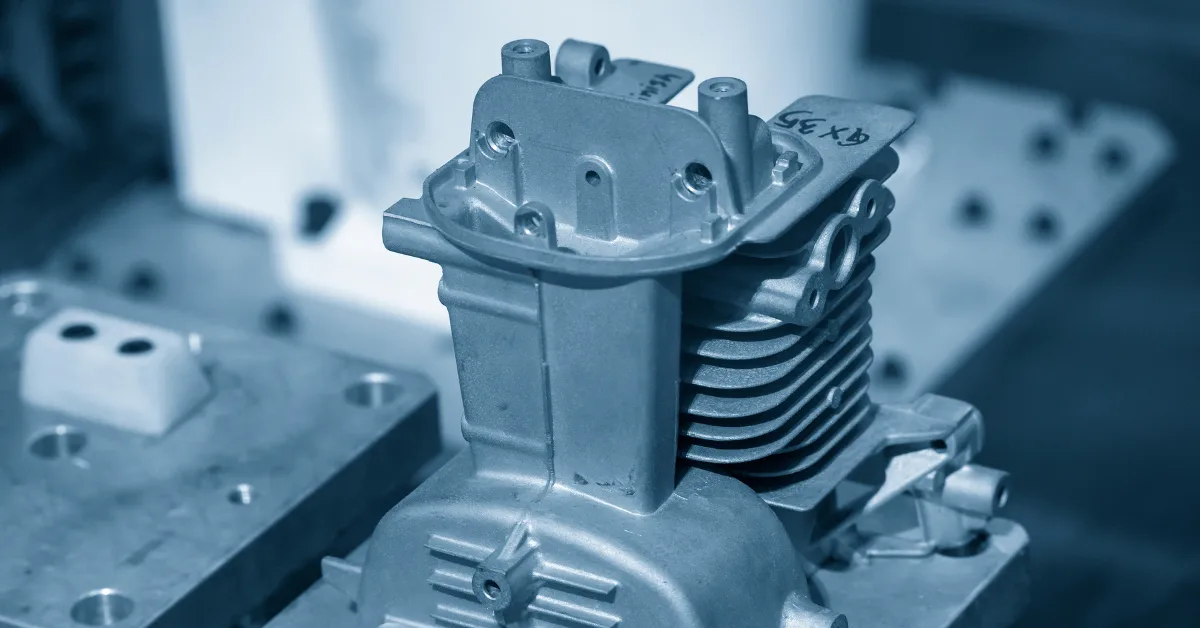
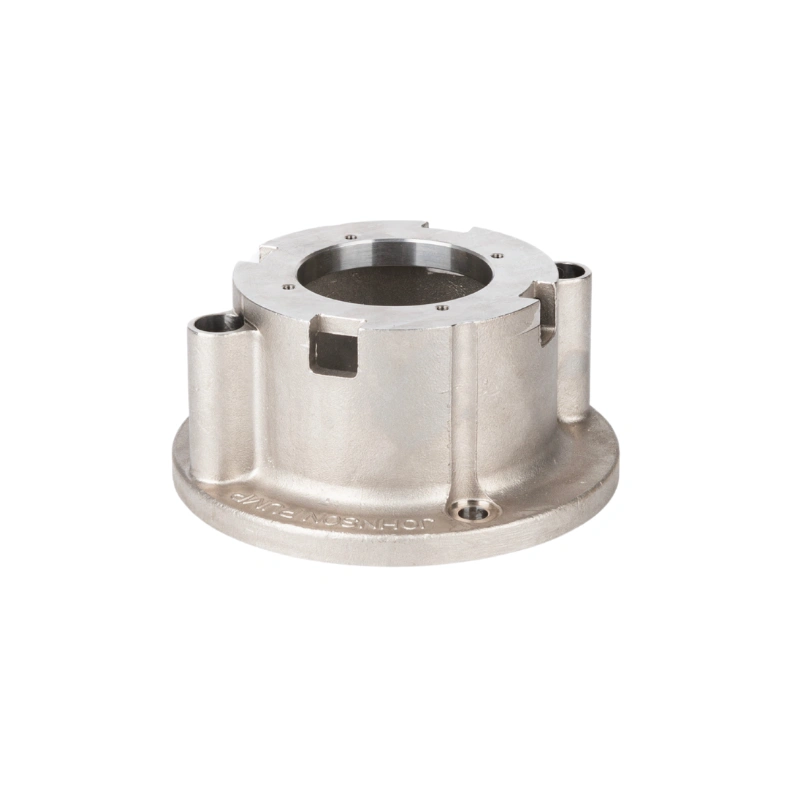
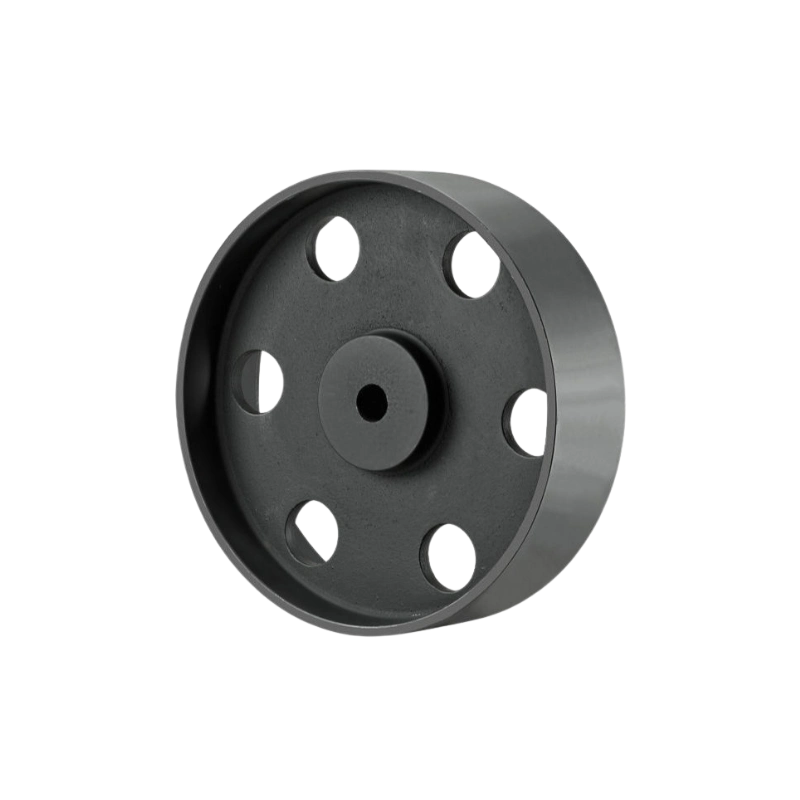
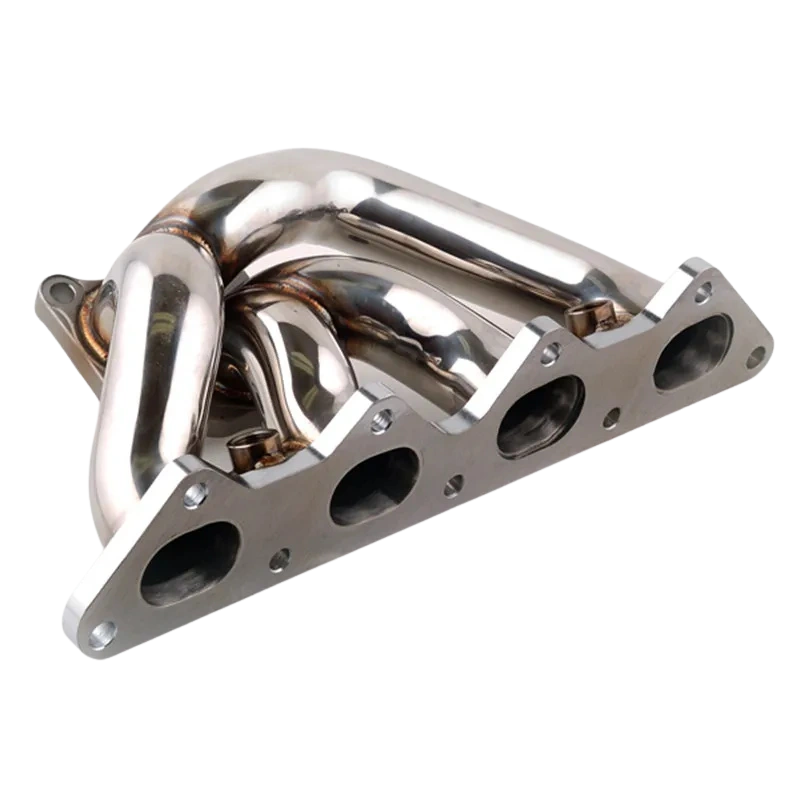
Для многих покупателей этот термин литье из кремнеземного золя Звучит как отдельная технология литья. В большинстве случаев в промышленности это не так. Обычно это относится к... Литье по выплавляемым моделям с использованием коллоидной кремнеземной связующей системы в керамической оболочке. Это различие имеет значение, поскольку система связующего вещества влияет на качество поверхности, прочность оболочки, поведение оболочки при сушке, размерную однородность и, в конечном итоге, на объем механической обработки и доработки детали после отливки. Коллоидный диоксид кремния в настоящее время является одной из доминирующих систем связующего вещества в прецизионном литье по выплавляемым моделям, поскольку он обеспечивает высокое качество оболочек и хорошие поверхности отливок, одновременно соответствуя современным методам изготовления оболочек на водной основе.
Если вы являетесь техническим специалистом по закупкам, то вот полезный способ ознакомиться с этой темой: коллоидный диоксид кремния — это не просто химическая деталь в цехе по производству оболочек.
Что же такое коллоидный диоксид кремния на самом деле?
Коллоидный кремнезем, часто называемый золь кремнезема, Это стабильная жидкая дисперсия очень мелких аморфных частиц диоксида кремния в воде. В системах литья по выплавляемым моделям эти частицы обычно имеют наноразмер; один из технических источников описывает коллоидные дисперсии диоксида кремния для литья по выплавляемым моделям как аморфные частицы диоксида кремния размером примерно от 4 до 40 нм. Частицы остаются во взвешенном состоянии, поскольку их поверхностный заряд предотвращает их преждевременную агломерацию. На практике это означает, что связующее вещество остается пригодной для использования жидкостью во время приготовления суспензии и погружения оболочки, но впоследствии может затвердеть, образуя твердую связующую сеть, когда система высушивается или дестабилизируется контролируемым образом.
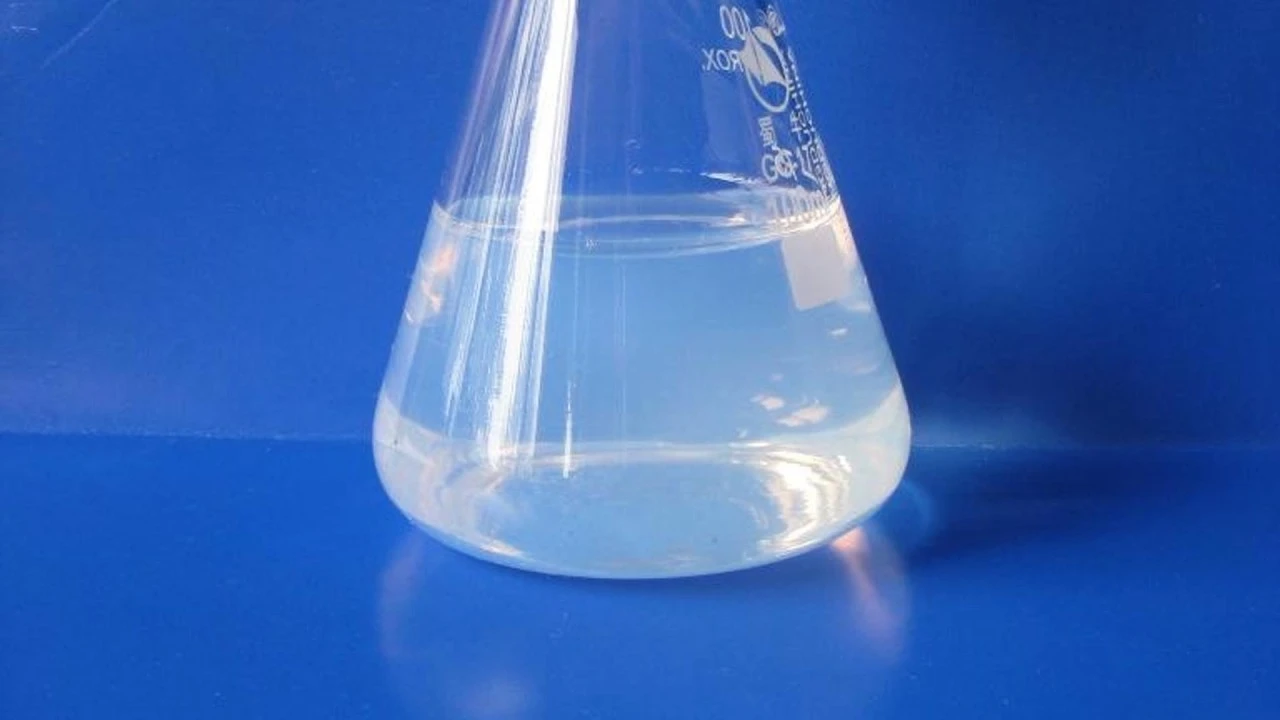
Помимо литья по выплавляемым моделям, коллоидный диоксид кремния также используется в покрытиях, катализе, полировке, бумаге и других технических областях. Такой широкий спектр применения обусловлен сочетанием очень малого размера частиц, большой площади поверхности и контролируемой химии поверхности. Для покупателей отливок важен не полный перечень применений, а то, что коллоидный диоксид кремния — это зрелая промышленная технология связующих веществ, а не экспериментальная добавка.
Почему литье с использованием кремнеземного золя обычно означает литье по выплавляемым моделям?
Простым языком литейного производства:, литье из кремнеземного золя Обычно это сокращенное обозначение для оболочки, изготовленной методом литья по выплавляемым моделям или литья по техническим условиям с использованием коллоидного кремнеземного связующего. Фактический процесс формования металла по-прежнему представляет собой литье по техническим условиям: восковая модель, изготовление оболочки, удаление воска, обжиг, заливка, выбивание и финишная обработка. Изменяется лишь система оболочки. Вместо того чтобы говорить только о “литье по техническим условиям” в целом, поставщик указывает, что в качестве связующего вещества для керамической оболочки используется золь кремнезема. Это важно, поскольку не все системы оболочек, изготовленные методом литья по техническим условиям, создаются одинаково, и химический состав оболочки напрямую влияет на сушку, прочность оболочки, качество поверхности и стабильность процесса.
Для покупателей это означает, что литье с использованием кремнеземного золя не следует рассматривать как отдельную группу деталей или отдельную группу металлов. Его следует понимать как... технология точного литья по выплавляемым моделям со специальной системой связующего вещества для оболочки. Вот почему, когда речь заходит о литье с использованием кремнеземного золя, разговор обычно быстро переходит к свойствам оболочки, стабильности суспензии, качеству поверхности и точности размеров, а не просто к вопросу о том, “какой металл заливается”.”
Как коллоидный диоксид кремния работает внутри литейной оболочки
В системе оболочки из кремнеземного золя коллоидный кремнезем смешивается с огнеупорной мукой, а затем используется для покрытия восковой модели. На влажную суспензию наносится штукатурка, и цикл повторяется до тех пор, пока оболочка не достигнет требуемой толщины. В ходе этого процесса частицы кремнезема выступают в качестве связующей фазы. По мере удаления воды во время сушки концентрация кремнезема повышается, и связующее вещество переходит в стадию гелеобразования, создавая жесткую керамическую сетку, которая удерживает огнеупорную систему вместе. В одной технической статье по литью по выплавляемым моделям точка гелеобразования связующего вещества описывается как связанная с концентрацией твердых веществ и размером частиц, и отмечается, что сухость оболочки напрямую влияет на качество формы, прочность оболочки и устойчивость к растрескиванию при удалении воска.
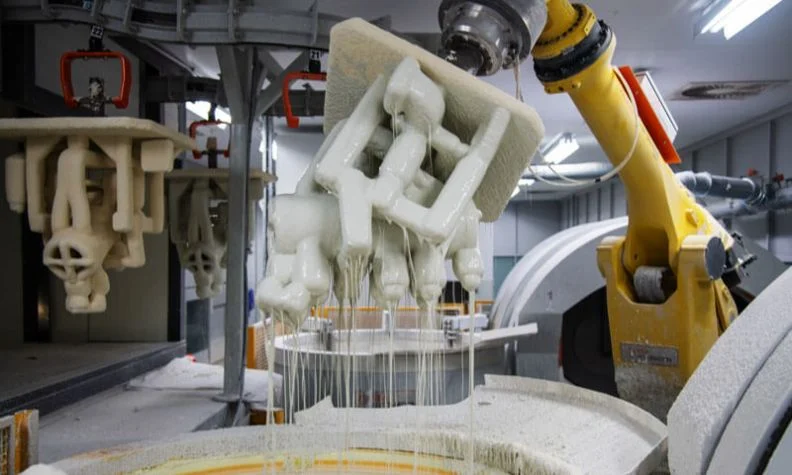
Этот механизм объясняет, почему коллоидный диоксид кремния так важен для характеристик оболочки. Связующее вещество — это не просто “клей”. Оно контролирует, как соединяются огнеупорные частицы, как оболочка набирает прочность в сыром состоянии и как она реагирует на сушку, удаление воска и обжиг. Стабильная суспензия связующего вещества позволяет оболочке образовывать однородные слои. Дестабилизированная система связующего вещества приводит к агломерации, ослаблению оболочек, плохому поведению суспензии и отклонению процесса.
Почему кремнеземный золь широко используется в литье по выплавляемым моделям?
Коллоидный диоксид кремния получил широкое распространение в точном литье по выплавляемым моделям, поскольку обеспечивает хороший баланс прочности оболочки, качества оболочки, экологичности и характеристик поверхности отливки. В технической литературе отмечается, что коллоидный диоксид кремния является важным компонентом в литье по выплавляемым моделям, поскольку наночастицы диоксида кремния действуют как связующее в системах форм и помогают обеспечить высококачественную чистовую обработку поверхности отливки. Другой, более старый, но все еще полезный отраслевой источник описывает коллоидный диоксид кремния как наиболее распространенное связующее для оболочки в литейных цехах США и указывает на то, что при правильном обращении он сочетает в себе прочность, экономичность, доступность, экологическую безопасность и стабильность.
Есть также термическая причина, по которой покупателям следует обращать на это внимание. Коллоидные кремнеземные оболочки обладают достаточной огнеупорностью, чтобы выдерживать высокотемпературный предварительный нагрев, что является одной из причин их эффективности в прецизионных отливках со сложной геометрией и тонкими стенками. Если связующее вещество не выдерживает термических и металлостатических напряжений при заливке, оболочка становится слабым звеном в процессе. На практике именно поэтому выбор связующего вещества является частью обсуждения точности, а не просто деталью, определяемой на уровне цеха материалов.
Какие изменения влияет коллоидный диоксид кремния на покупателя?
С точки зрения покупателя, коллоидный диоксид кремния важен в четырех аспектах. Первый из них заключается в следующем: качество поверхности. Стабильное грунтовочное покрытие на основе кремнеземного золя обеспечивает гладкую поверхность оболочки, что способствует получению более чистого литейного слоя и часто уменьшает необходимость шлифовки и косметической очистки. Второе — размерная согласованность. Это не исключает усадку или деформацию оболочки, но обеспечивает более контролируемое построение оболочки и более стабильную прочность, чем плохо контролируемая система связующего вещества. Третий фактор — возможности тонкостенной и детальной обработки. Высококачественная оболочка из кремнеземного золя — одна из причин, по которой литье по выплавляемым моделям позволяет получать тонкие детали и сложные контуры, которые было бы дорого обрабатывать механически из цельного материала. Четвертая причина — стратегия постобработки. Более высокое качество оболочки обычно означает, что литейный цех может оставить меньше неопределенности для команды ЧПУ, поэтому обработка может сосредоточиться на функциональных особенностях, а не на исправлении неровных поверхностей.
Это не означает, что использование золя диоксида кремния делает механическую обработку ненужной. Для серьезных покупателей лучше всего ознакомиться с описанием процесса следующим образом: Кремнеземный золь улучшает исходные параметры.. Если деталь имеет уплотнительные поверхности, отверстия, резьбу, базовые поверхности или важные элементы крепления, их все равно следует обрабатывать механически. Изменение состава кремнеземного золя заключается в том, насколько велика остаточная неопределенность до начала механической обработки.
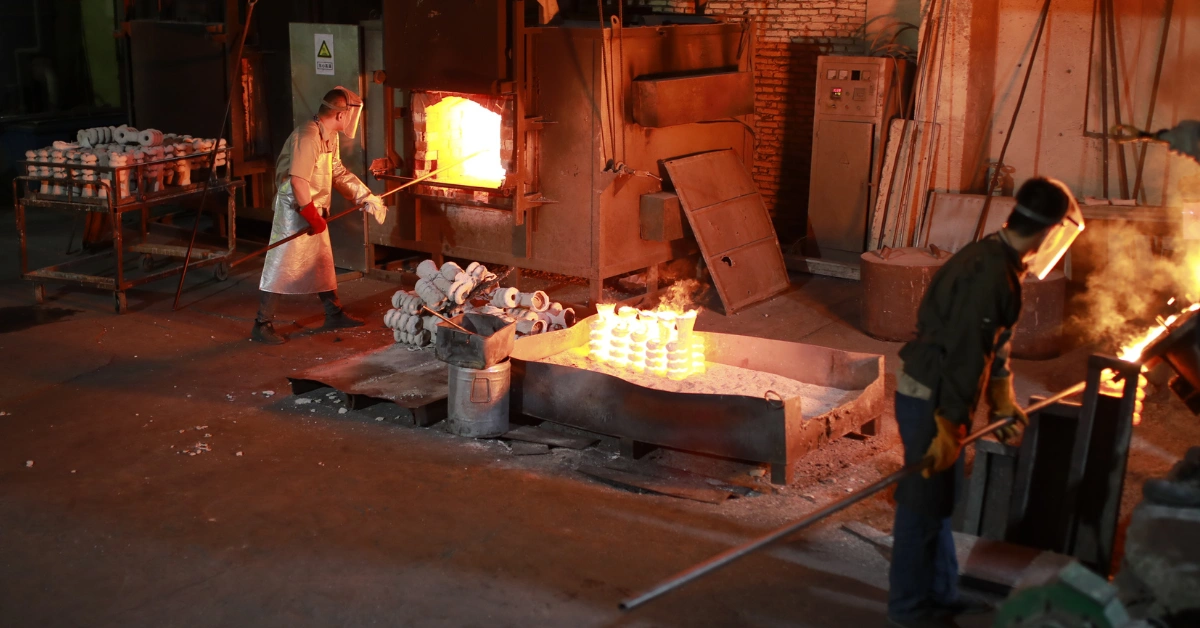
Где покупатели часто ошибаются при выборе систем с корпусом из кремнеземного золя
Наиболее распространенная ошибка — рассматривать золь диоксида кремния как саморегулирующийся. Это не так. Коллоидный диоксид кремния хорошо работает, когда контролируется химический состав суспензии и условия формирования оболочки. Он становится ненадежным, когда в систему попадают загрязнения, плохое качество воды, ненадлежащая уборка или нестабильный pH. В технических рекомендациях по литью по выплавляемым моделям отмечается, что коллоидный диоксид кремния наиболее стабилен в щелочном диапазоне и что низкие уровни ионизируемых катионов могут необратимо вызвать гелеобразование дисперсии, нейтрализуя заряд частиц. В материалах для тестирования оболочек, используемых в промышленности, говорится то же самое более практичным языком: если заряд частиц изменяется или концентрация слишком сильно повышается неправильным образом, происходит агломерация и гелеобразование, что ослабляет оболочки и ухудшает стабильность процесса.
Вторая распространенная проблема — это сушка. Сушка оболочки — это не просто этап планирования. Сушка определяет, когда связующее начинает гелеобразоваться, насколько прочным становится слой между нанесениями и насколько устойчивой будет оболочка во время удаления воска. Исследования, представленные Институтом литья по выплавляемым моделям, показывают, что недостаточная сушка может способствовать отслаиванию оболочки, растрескиванию после удаления воска и вытеканию металла, в то время как адекватная сушка между слоями улучшает качество и прочность оболочки. Для покупателя это означает, что одной фразы “литье с использованием кремнеземного золя” недостаточно. Также важно знать, контролирует ли поставщик влажность, время сушки, стабильность суспензии и испытания оболочки надлежащим образом.
Третья проблема — чувствительность к загрязнениям. В рекомендациях ICI по дефектам оболочек особо предупреждается, что остатки от очистителей моделей или промывочных растворов могут дестабилизировать коллоидное кремнеземное связующее и изменить вязкость суспензии. Это небольшая деталь, касающаяся цеха изготовления оболочек, но имеющая серьезные коммерческие последствия: если система связующего дестабилизирована, поведение оболочки изменяется, и проблемы с качеством отливки проявляются гораздо позже, часто уже после того, как оболочка изготовлена.
Как коллоидный диоксид кремния соотносится с более ранними представлениями о связующих веществах на основе оболочек.
В практической терминологии литья по выплавляемым моделям коллоидный диоксид кремния часто ассоциируется с более современными системами оболочек на водной основе, в то время как более ранние обсуждения связующих веществ для оболочек часто вращаются вокруг этилсиликата и аналогичных устаревших систем. В современном техническом обзоре керамических форм для литья по выплавляемым моделям отмечается, что коллоидный диоксид кремния стал одним из основных связующих веществ в керамических суспензиях и заменил этилсиликатные связующие во многих областях применения. Покупателям здесь не нужно становиться химиками, специализирующимися на оболочках. Полезный вывод заключается в том, что когда поставщик говорит о “литье с использованием золя диоксида кремния”, он обычно указывает на подход к формированию оболочки, который покупатели ассоциируют с более чистым обращением, высоким качеством оболочки и точностью литья, а не со старым методом формования оболочек на основе растворителей.
Это не означает, что каждая оболочка из кремнеземного золя превосходит любую альтернативную оболочку на каждом литейном заводе. Это означает, что само семейство связующих веществ уже достаточно устоялось, чтобы покупатели могли рассматривать его как серьезный, распространенный способ точного литья по выплавляемым моделям. Таким образом, реальным отличием становится контроль процесса, а не просто модное слово.
Кремнеземный золь против жидкого стекла в литье по выплавляемым моделям
Жидкое стекло, или силикат натрия, — еще один связующий материал для оболочек, широко используемый в литье. Ниже приведена подробная сравнительная таблица, с которой вы можете ознакомиться.
| Аспект | Процесс с использованием силиказоля | Процесс получения жидкого стекла |
| Тип переплета | Коллоидный диоксид кремния (суспензия SiO₂) | Силикат натрия (Na₂SiO₃) |
| Метод затвердевания | Физическое гелеобразование | Химическая реакция (CO₂ или сушка) |
| Механизм образования раковины | Агрегация коллоидных частиц + поликонденсация | В результате химической реакции образуется силикагель. |
| Эссенция после высыхания | Сеть из высокочистого SiO₂ | SiO₂ + щелочной остаток |
| Структурная однородность | Высокая | Относительно низкий |
| Чистота поверхности | Очень гладкая, высококачественная поверхность. | Относительно шероховатый |
| Точность размеров | Высокая | Середина |
| Возможность обеспечения высокой точности | Достижимы жесткие допуски | Менее точный |
| Сложность литья | Подходит для сложных тонкостенных деталей. | Лучше подходит для более простых геометрических форм. |
| Совместимость материалов | Нержавеющая сталь, легированная сталь, высококачественные детали | Углеродистая сталь, низколегированная сталь |
| Производственный цикл | Более длительное время изготовления раковин | Более быстрое производство |
| Расходы | Выше | Ниже |
| Типичные применения | Автомобильная промышленность, медицина, высокоточное машиностроение | Комплектующие для промышленного применения общего назначения, проекты с ограниченным бюджетом |
Краткий вывод:
- Силикатный золь = высокое качество, более высокая стоимость, более медленный процесс
- Стакан для воды = экономично, быстрее, но менее точно.
Почему связующие на основе диоксида кремния преобладают в производстве оболочек для литья по выплавляемым моделям?
По сути, независимо от того, используется ли в качестве связующего вещества в суспензии оболочки жидкое стекло или золь диоксида кремния, его основная цель состоит в формировании трехмерной сетевой структуры с диоксидом кремния (SiO₂) в качестве основного компонента после сушки или отверждения.
В процессе последующего высокотемпературного обжига сетчатая структура SiO₂ и огнеупорные частицы образуют стабильную керамическую оболочку, обладающую высокой прочностью и термостойкостью. Многочисленные преимущества этой керамической оболочки делают ее предпочтительным материалом для литья.
- Высокотемпературная стабильностьВыдерживает температуру до 1700°C.
- Контролируемое и надежное затвердевание: Стабильное формирование раковины с последовательными и воспроизводимыми результатами
- Превосходная совместимость с огнеупорными материалами: Совместим с кварцевым песком, муллитом и цирконом.
- Низкая реактивность с расплавленными металлами: Крайне важно для литья из нержавеющей стали и высоколегированных материалов.
- Сбалансированная сила и нокаутирующая способность: Достаточно прочный, чтобы сохранять форму во время литья, и достаточно хрупкий, чтобы легко извлекать его после затвердевания.
Какие вопросы должен задать опытный покупатель перед заказом деталей, отлитых с использованием кремнеземного золя?
Покупатель оценивает литье по выплавляемым моделям из кремнеземного золя Поставщику следует поинтересоваться, как контролируется система оболочки, а не просто тем, “использует ли поставщик кремнеземный золь”. Важные вопросы касаются содержания твердых веществ в связующем, контроля pH, вязкости суспензии, условий сушки, выбора огнеупорных материалов для грунтовочного и подложечного слоев, а также того, какие размеры остаются в литом виде, а какие — после механической обработки. Ресурсы Института литья по выплавляемым моделям по испытанию керамики существуют не просто так: качество оболочки измеримо, и серьезные литейные предприятия контролируют свойства связующего, суспензии и оболочки, а не полагаются только на внешний вид.
Также полезно поинтересоваться, где поставщик проводит границу между прецизионным литьем и механической обработкой. Многие покупатели ошибочно ожидают, что система корпусов решит все проблемы с допусками. В действительности, наиболее эффективным коммерческим вариантом часто является прецизионное литье по выплавляемым моделям для сложной геометрии в сочетании с ЧПУ-обработкой для тех элементов, которые действительно определяют сборку и производительность. Именно этот путь компания HDC четко предлагает в своей собственной продукции. литье по выплавляемым моделям: высокоточное литье сложных деталей с возможностью финишной обработки и технологической поддержки, включенной в предложение. Возможности HDC в области литья по выплавляемым моделям также гарантируют точность около ±0,1 мм для соответствующих деталей, что является именно тем показателем точности, который важен, когда деталь чувствительна к геометрии, но при этом требует последующей механической обработки критически важных поверхностей.
Где применение технологии HDC для покупателей кремнеземных золей и изделий, изготовленных методом литья по выплавляемым моделям?
Если вам действительно требуется прецизионная металлическая деталь сложной геометрии, то “литье по золю кремнезема” следует рассматривать как один из методов литья по выплавляемым моделям, а не как маркетинговый термин сам по себе. Компания HDC подходит под это определение как поставщик решений для литья, обладающий технологией прецизионного литья по выплавляемым моделям и возможностями обработки на станках с ЧПУ. литье по выплавляемым моделям позиционирование компании сосредоточено на сложных, высокоточных компонентах, в то время как более широкая услуги литья металла Это ясно показывает, что весь процесс может охватывать все этапы — от литья до финишной обработки и контроля качества. Для покупателя в этом и заключается практическая ценность: не просто оболочка из кремнеземного золя, а технологическая цепочка, связывающая качество оболочки с качеством готовой детали.
Часто задаваемые вопросы
Коллоидный диоксид кремния — это то же самое, что и золь диоксида кремния?
В практике литья по выплавляемым моделям — да. Под кремнеземным золем обычно подразумевается коллоидная дисперсия диоксида кремния, используемая в качестве связующей фазы в керамической оболочке. Разница в основном заключается в наименовании, а не в значении, связанном с процессом.
Означает ли литье с использованием золя диоксида кремния, что это процесс, отличающийся от литья по выплавляемым моделям?
Обычно нет. В большинстве случаев промышленного применения литье по золю кремнезема означает литье по выплавляемым моделям с использованием коллоидной кремнеземной оболочки в качестве связующего вещества. Метод с использованием восковой модели и керамической оболочки по-прежнему является литьем по выплавляемым моделям.
Почему коллоидный диоксид кремния так чувствителен к загрязнениям?
Поскольку частицы остаются во взвешенном состоянии благодаря поверхностному заряду. Если pH или ионное загрязнение изменяют этот баланс зарядов, частицы могут агломерироваться или образовывать гель, что ухудшает стабильность связующего вещества и качество оболочки.
Означает ли наличие оболочки из кремнеземного золя автоматически, что деталь будет высокоточной?
Нет. Это означает, что система оболочек может поддерживать прецизионное литье по выплавляемым моделям. Конечная точность по-прежнему зависит от качества инструмента, контроля воска, сушки оболочки, поведения сплава и от того, обрабатываются ли впоследствии критически важные элементы.
В каких случаях покупателю все еще следует требовать обработки отливок из кремнеземного золя на станке с ЧПУ?
Всякий раз, когда данная деталь контролирует герметизацию, соосность, посадку подшипника, работу резьбы или сборку узла. Литье с использованием кремнеземного золя улучшает исходные параметры; обработка на станках с ЧПУ по-прежнему позволяет обрабатывать самые сложные соединения.
Вывод
Коллоидный диоксид кремния является одной из ключевых причин, по которой современное литье по выплавляемым моделям позволяет получать точную оболочку, хорошее качество поверхности отливки и высокие эксплуатационные характеристики. В практическом применении в литейном производстве..., литье из кремнеземного золя обычно означает Литье по выплавляемым моделям с использованием коллоидной кремнеземной связующей системы. Для покупателей коммерческая ценность заключается не в самом химическом составе. Она заключается в том, что этот химический состав позволяет: более стабильный процесс точного литья, более качественная оболочка и более чистая отправная точка для конечной обработанной детали. Когда речь идет о строгих размерах или критически важных интерфейсах, наиболее эффективным решением обычно является точное литье в сочетании с ЧПУ-обработкой, а не что-то одно.