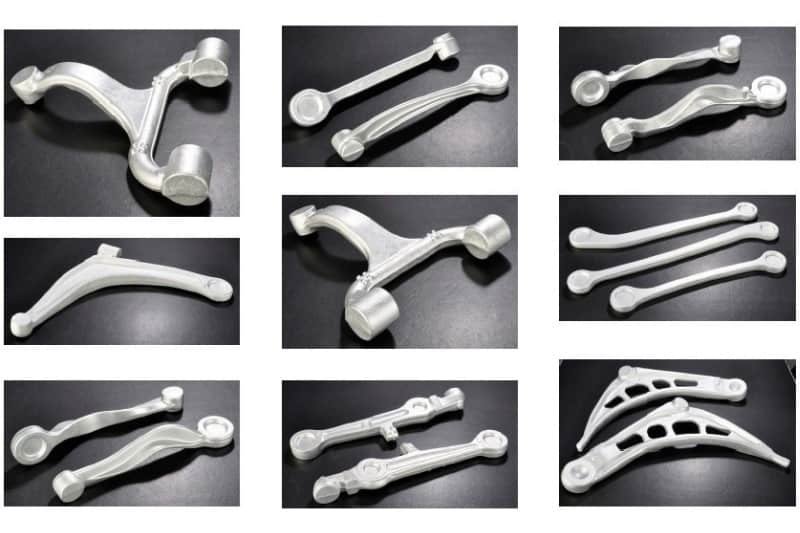
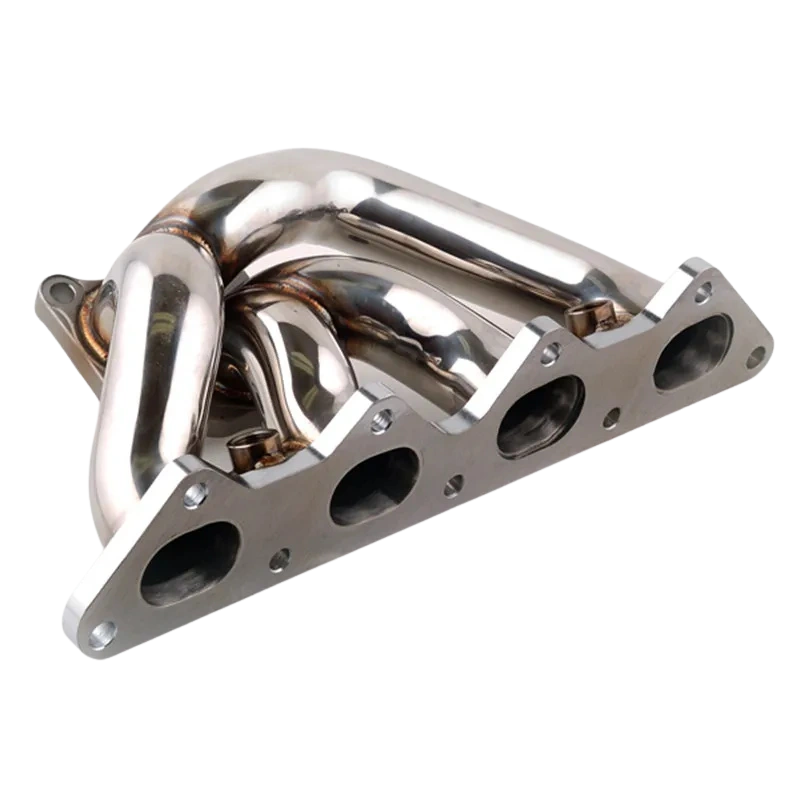
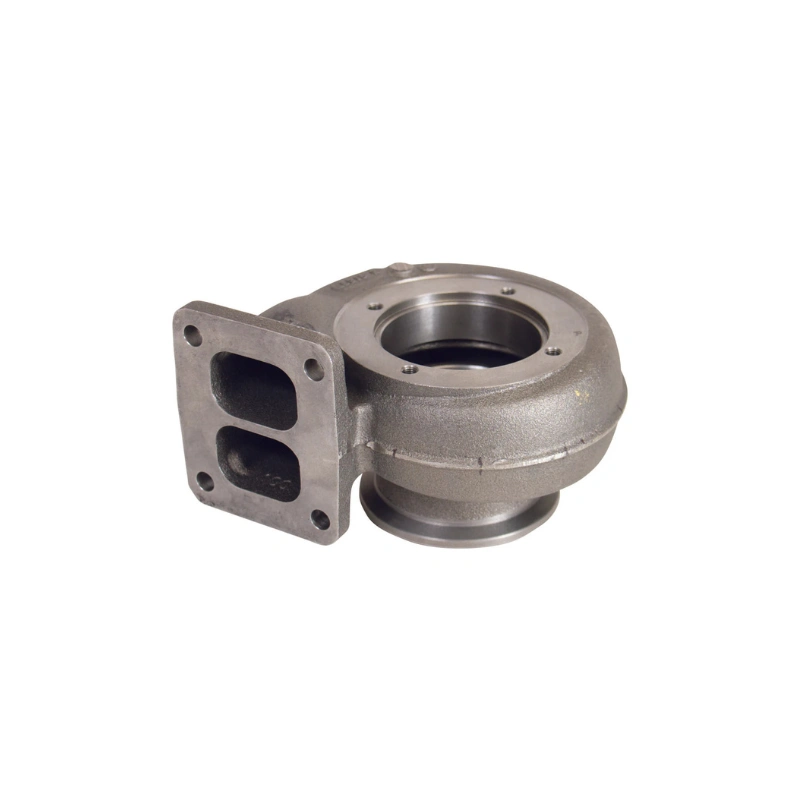
There are lovely resin artworks, glittering jewelry, adorable miniatures and potent DIY decorations. You can wonder, what are the ways people make these? It is easy to guess the answer: Casting Materials. Casting allows a liquid substance to be poured into a mold, allowed to dry, and then a completed object is taken out. And you can do it at home and even be a beginner.
Here, in this guide, you get to know what casting material is, how casting is done, what materials should be used by beginners and how you can begin casting this day at home.
What is Casting Material?
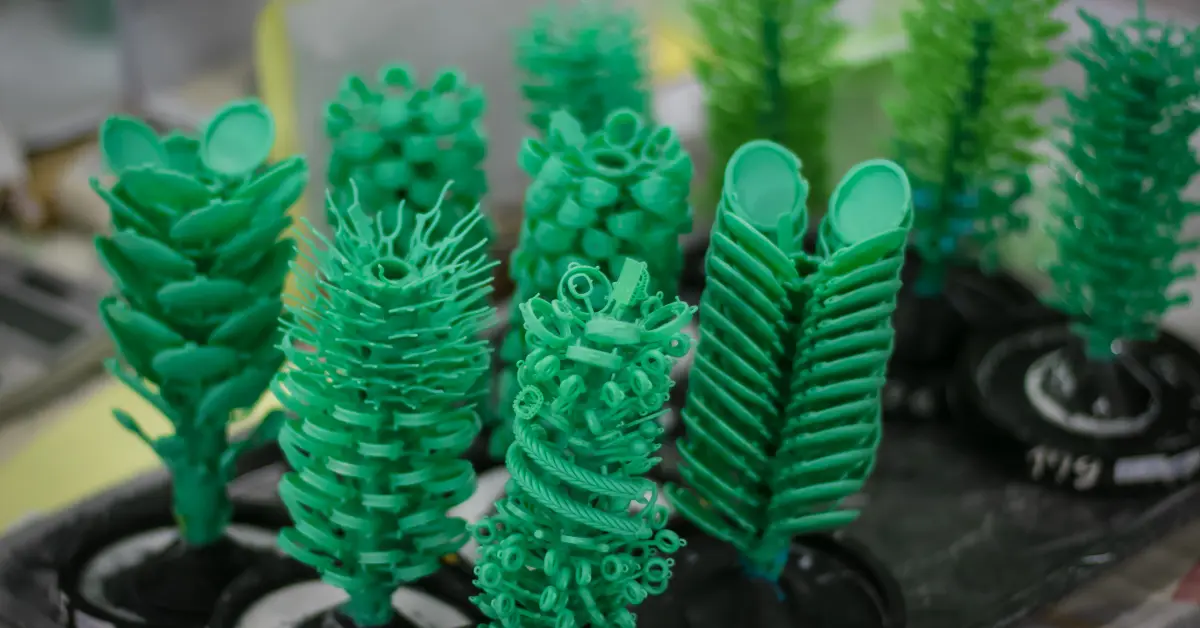
Any material one pours into a mold to assume a form is a casting material. You blend it and pour it and wait till it gets hard and then you take it. The final shape is determined by the mold.
Casting materials can be:
- Soft and bendy
- Hard and strong
- Clear like glass
- Colorful
- Heavy or lightweight
You can use it to make:
- Jewelry
- Toys
- Art pieces
- Statues
- Home decor
- Parts for models
- Prototypes
You do not need big machines. All one needs is a mold, the material, and some basic tools.
How Does Casting Work? Step by Step for Beginners
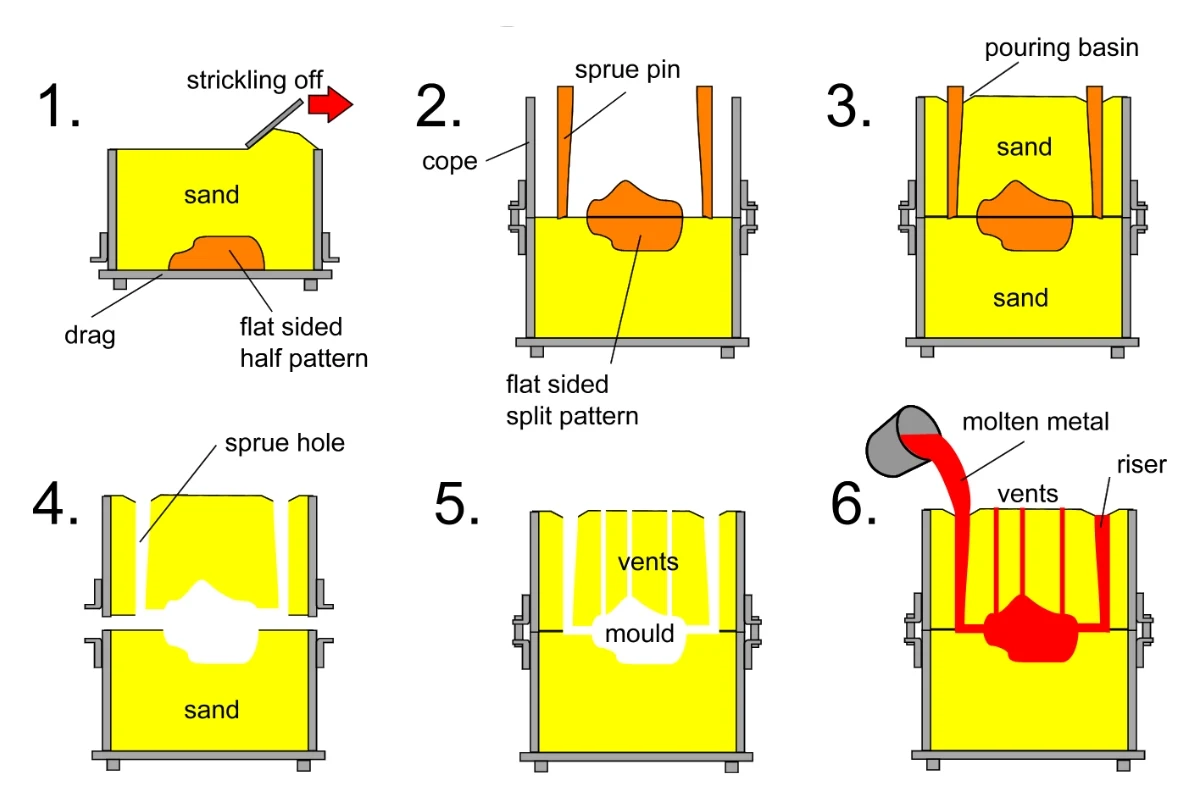
The casting is a big thing to say, yet it is very simple. You follow easy steps:
Choose Your Mold
The mold gives the shape. It can be silicone or plastic or made by hand
Select Your Casting Material
You choose between resin, plaster, concrete, clay, metal and so on.
Mix the Material
Numerous items are available in two sections. You mix them well.
Pour it into the Mold
You pour slowly in order not to create bubbles.
Let it cure
Curing means “hardening.” You do not change it till it is hard.
Remove the Cast
You unpack it and have your new one.
This can be done at home by a table. It is just to maintain the area clean and safe.
Factors to Consider Before Choosing Casting Material in 2026
These are some of the things to consider before choosing a casting material:
Your Project Type: Art, Jewelry or Good Parts
Question yourself on what you want to make. Jewels and art required smooth and nice finishes. There should be hard materials in the garden ornamentation and tiles.
Your Budget: Some Materials Cost More
Plaster and clay are cheap. Silicone, resin and metal are more expensive. It is always best to begin with small projects so that they are not wasted.
Drying or Curing Time: Quick or Slow
There are materials that cure within minutes. Others take hours or days. Rapid drying is appropriate with fast projects. In intricate work, slow curing is preferable.
Safety Needs: Some Materials Heat UP While Curing
Resin and some metals get hot. You have to wear gloves and masks and have good airflow. Always be careful in reading the labels.
Tools Required: Simple Tools or Special Tools
All that clay requires are hands and basic tools. Molds, scales and metal may be required in resin and metal. Select something according to your ability.
Finish: Clear, Matte, Rough or Shiny
Resin appears to have a glossy surface. Concrete is rough and contemporary. Clay can be painted any color. Pick the look you want.
Flexibility: Bendy or Hard Finish
Silicone bends. Concrete and resin stay hard. Molds are optimally made out of flexible materials. Final pieces should be made of hard material.
Upon reflection of these, you settle on the right ideas, save money and make no errors.
Where Can You Use Casting Materials? Real-World Uses

Jewelry Making
One can do rings, earrings, pendants, name tags and bracelets. You may put glitter, flowers, colors, or stones. Popular and easy to use are resin and polymer clay.
Resin Art
You make coasters, trays, bookmarks, keychains, tabletops, and art on the wall. Epoxy resin may resemble either water, marble or glass. It works well with shiny projects that are of color.
DIY Home Decor
You may find planters, candle holders, knobs, trays, tiles and little sculptures. The appearance of concrete and jesmonite is modern and stone like and can be used in houses and gardens.
Prototyping
In casting you will be testing the product ideas before they are actually made. To be able to observe how designs work, you can make little bits, shapes, wheels, tools and technical pieces.
Education & School Projects
The casting is a method by which teachers expound shapes, chemistry, art and engineering. Children are taught about solids and molds.
Model Making
You may create mini houses, cars, trains, characters and gaming models. Good with small details are resin, plaster and clay
Different Types of Casting Materials Explained
Resin Casting Materials
Resin is in the form of a liquid that solidifies. It is either clear, colored, or like marble. It works well with jewelry, coasters and artwork. Pigments, glitter or dried flowers can be added to create beautiful pieces in resin.
Plaster
Plaster is inexpensive, simple and good for beginners. You put it into a blend with water and pour it into molds. It is fast drying and useful in decorating walls, school arts, mask making and sculptures. It is possible to paint it when it is dry.
Concrete
Concrete is of high strength, heavy and impervious to weather. You apply it in both outdoor and indoor decoration like planters, stepping stones, tabletops and candle holders. It offers a clean and modern industrial look.
Silicone
Silicone is flexible and soft when it is curved. You mostly use it to make resin, plaster, and chocolate craft molds. Due to its bending nature, your cast is easy to come out without breaking.
Clay
Clay is simple and can be molded by hands. Polymer clay is ideal for children and amateurs. It is hardened in a home oven. You can create charms, mini food, figures and jewelry.
Metal
Metal casting uses high heat. Aluminum is lightweight and it is amongst the simplest metals to cast. It is applied in the tools, art pieces, and mechanical parts. Novices have to work with wax before they can work with real metal.
Wax
Wax is soft and could be melted and hardened easily. It is ideal in terms of learning casting shapes, techniques and designing candles. Lost-wax metal casting is also done through wax models.
Best Casting Materials for Beginners
Epoxy Resin: Best for Clear Art & DIY Crafts
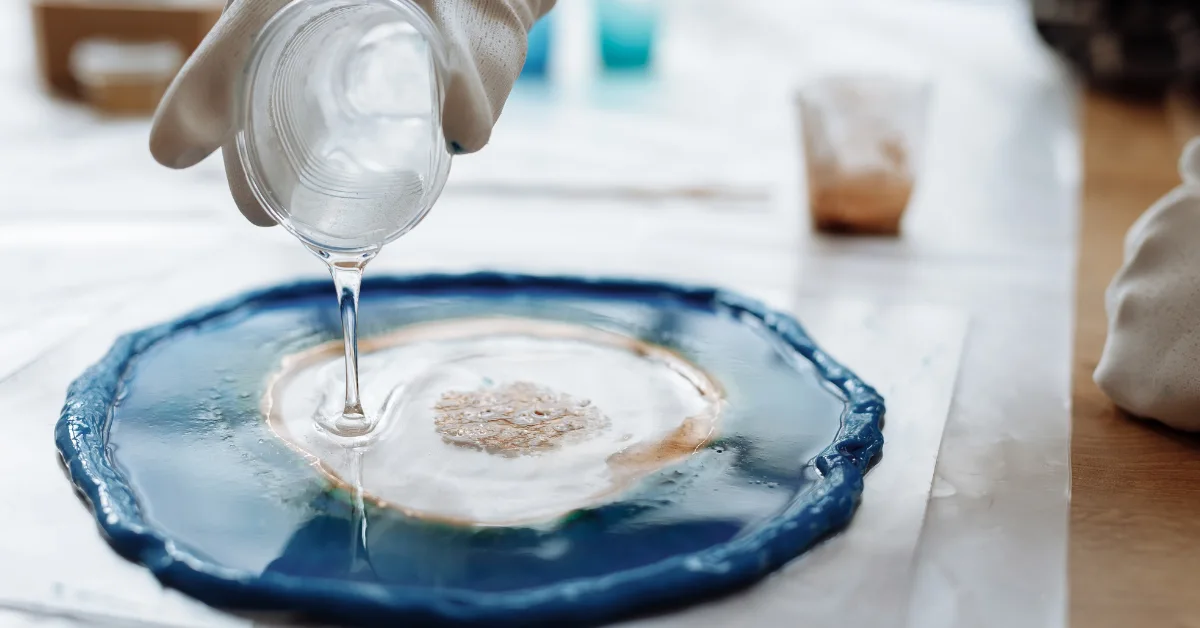
You use it for:
- Ocean tables
- Coasters
- Jewelry
- Keychains
Glass-like finish is achieved with epoxy resin and it is shiny. You can see through it and therefore you can add some flowers, glitter, shells, photos or colors inside. It dries gradually giving time to mix, pour, and rectify errors. You should have to work in a well-ventilated place and use gloves.
Polyurethane Resin: Fast Curing Option
Polyurethane resin is very fast and it can be cured within minutes. You adopt it when you want to get results fast or when you have to produce a large number of parts within a single day. It is great for:
- Figurines
- Toys
- Small machine parts
It is not clear like epoxy. It is largely opaque and tough. The beginning learners have to work quickly because this healing process is of a quick nature.
Plaster of Paris: Easiest & Cheapest Casting Material
You just pour plaster on water and pour them into molds. It works great for:
- School projects
- Wall decorations
- Handprint molds
- Face masks
- Sculptures
It is clean, cheap and safe. Once dry, it can be painted, sanded or even decorated. It is ideal when the kids are under adult supervision.
Silicone Rubber: Best for Flexible Mold Casting
Molds are made out of silicone, not only parts. Silicone is the best because it folds. The objects are easy to remove without cracking. It works well for:
- Soap molds
- Chocolate molds
- Resin molds
- Candle molds
It is wonderful when you have fine figures. It is also heat-resistant.
Concrete: Best for DIY Garden & Home Decor Projects
You use concrete to make:
- Planters
- Candle holders
- Trays
- Garden stones
- Table bases
Concrete is minimal and modern. It is robust and durable out in the field. It can also be colored using color pigments to create pastel or strong designs.
Metal Casting Wax: Great for Practicing & Learning Techniques
Wax is ideal where you have to practice casting in advance of actual metal. You can:
- Carve shapes
- Melt and pour
- Test designs
Afterwards the wax model may be cast in metal by lost wax casting. It assists the beginners to learn without high heat.
Aluminum: Lightweight Metal Casting Material

Aluminum is favored due to the following reasons:
- Strong
- Lightweight
- Less rusty than many metals
It is applied on tools, engine parts, miniatures and decorative items. Metal casting involves a lot of heat and therefore they are only supposed to start with adult supervision and with safety gear.
Jesmonite: Eco-Friendly Casting Material
Jesmonite is very trendy in 2026. It is
- Eco-friendly
- Low odor
- Safe to work with
You can make:
- Home decor
- Trays
- Vases
- Sculptures
It has a premium feel and an appearance of stone. Beautiful designs can be added with pigments or terrazzo chips.
Polymer Clay: Easiest Casting Material for Crafts and Miniatures
Polymer clay is as soft as the play dough. You can:
- Shape it by hand
- Cut with simple tools
- Bake it in a home oven
It is ideal for the children and novices. You can create earrings, charms, mini food, dolls, keychains and figures. One can paint or glaze it after baking.
Comparison Table: Best Casting Materials
| Casting Materials | Best For | Difficulty Level | Safe For Kids | Cost |
| Epoxy Resin | Clear art & jewelry | Medium | No | Medium |
| Polyurethane Resin | Fast projects | Medium | No | Medium |
| Plaster of Paris | School & Decor | Easy | Yes | Low |
| Silicone Rubber | Flexible molds | Medium | No | Medium |
| Concrete | Home decor | Medium | With help | Low |
| Metal Wax | Practice casting | Easy | Yes | Low |
| Aluminum | Real metal casting | Hard | No | High |
| Jesmonite | Eco decor | Easy | Yes | Medium |
| Polymer Clay | Kids’ crafts | Very easy | Yes | Low |
Which Casting Material is Safest for Beginners?
Safest new options are:
- Plaster of Paris: Low cost, water based, easy.
- Polymer Clay: Easy to work, oven baked.
- Jasmonite: Environmentally friendly and free of a smell.
- Wax: Melts at low temperature.
Do not use harsh chemicals without the assistance of an adult.
- Epoxy resin
- Polyurethane resin
- Real metal casting
In case children use casting products, they must be supervised by adults. It is significant to have good airflow, gloves, and eye protection.
Tools and Equipment Needed for Casting at Home
You usually need:
- Molds
- Mixing cups
- Spatulas or sticks
- Gloves
- Mask
- Apron
- Droppers or syringes for detail work
- Measuring scale
- Safety glasses
You may also use:
- Sandpaper
- Polishing cloth
- Heat gun or torch (for resin bubbles only with adult safety).
Most of these tools are available in the craft shops or online stores. Start with small, simple tools so you don’t overspend.
Step-by-Step Guide: How to Start Casting at Home?
Set up Area
Select a flat table in order to have even curing. Wrap it up with plastic covers, silicone mats or newspaper to cover the surface. Have a fresh air and good light workplace. Store food and beverages out of the workplace.
Choose Material
Select your material in accordance with your project:
- Epoxy of transparent lustrous art and jewelry.
- School craft materials, decorations and plaster.
- Smaller handmade models require clay.
- Concrete for the decor and concrete planters.
Always check the label in order to know mixing ratios and safety requirements.
Mix & Pour
Instructions on the package must be followed to the letter. Weigh a measuring scale when combining two-part ingredients such as resin. It should be stirred; make sure not to create bubbles and scrape the sides of the cup to mix everything, then pour it in lightly into the mold.
Curing
This is the waiting stage. Keep off, do not touch, poke or move the mold. Curing may take:
- Minutes
- Hours
- 1-2 days
Curing time can be altered by heat, humidity and room temperature. Be patient.
Finishing Touches
Once cured, take your piece out of the mold. You can:
- Sand sharp edges
- Paint
- Add glaze
- Polish
- Poke holes in the keychains or jewelry.
Here is the place where your project is made pretty and trim.
How to Fix Errors in Your Casting Projects
Sand Rough Edges
Wipe with fine sandpaper and a brush side.
Pop Bubbles with a Heat Gun
Wavage of resin immediately after pouring.
Add a Second Layer in Case it has Holes
Seal out cracks using resin, plaster or clay.
Recast if Major Cracks Occur
It is sometimes easier to start over.
You learn by trying. Errors are natural and are a part of it.
Safety Tips for Beginners Using Casting Materials
Gloves & Masks
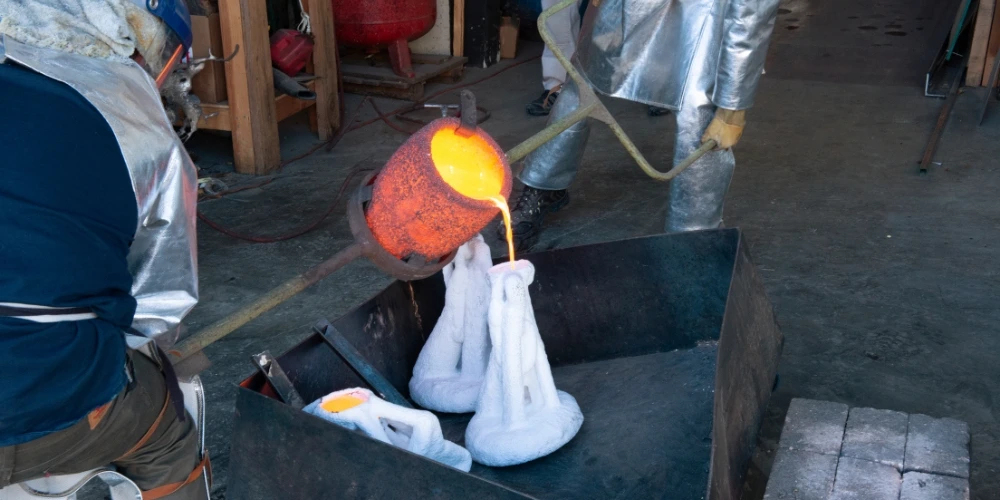
Wear gloves so as to shield your skin. There are materials that are known to irritate skin. Use a mask when working with resin, concrete or a fine powder in order not to breathe dust or fumes.
Heat & Curing Safety
Curing of some materials is hot, e.g., resin and certain metals. Do not touch during pieces. Keep flammable items away.
Skin & Eye Protection
Wear safety glasses so as to cover your eyes against splashes. In case any materials drop on your skin, you should wash it with soap and water. Ensure that children are attended to:
Also remember:
- No eating while working
- Wash hands after casting
- Have pets outside the workplace
Common Casting Problems Beginners Face
Cracks
The cracks occur as a result of rapid drying, improper mix ratio or stress on the mold. Apply appropriate amounts of mixing and allow curing to take place gradually.
Bubbles
Bubbles are a result of rushing, shaking or pouring too fast. Add slowly and knock the mold to get the trapped air out.
Sticky Surface
Sticky or soft surface indicates that there was an error in the mixing ratio or curing was not long enough. Remix thoroughly or allow to dry up.
Warping
The effects of warping occur when the process of curing occurs in close proximity to intense heat, sunlight or irregular surfaces. Always cure on a flat table, not overheated.
Most of the problems are solved with superior mixing, patience and proper temperature.
Environmental Impact of Casting Materials
These are materials that are more environmentally friendly such as:
- Jesmonite
- Air-dry clay
- Water-based plaster
These have less odor and are less dangerous when used at home.
When disposed of recklessly, some resins and plastics have the potential to damage the environment. Always:
- Recycle when possible
- Avoid waste
- Mix small batches only
- Pouring resin or plaster into the sink is not to be done.
Reproduction of the use of molds will decrease garbage.
Conclusion
Casting materials gives you an open, fun world. You are able to create art, decor, jewelry, models or learning projects. You have now understood the mechanics of casting, the materials to use for the beginners and how to begin at home even though you are a beginner. You can start now with the use of simple tools and learning stepwise.
FAQs
What should I start with first?
Begin with plaster, polymer clay or Jesmonite. They are easy and safe.
Which material is best for kids?
Plaster of Paris and polymer clay are the materials that should be supervised by adults.
Can I cast at home safely?
Yes, you can. Wear gloves and a mask and have a clean working area.
How long does curing take?
It depends on the material:
- Resin: 12-72 hours
- Plaster: 30-60 minutes
- Concrete: 24-72 hours
- Clay: Oven bake time
Begin with plaster, polymer clay or Jesmonite. They are easy and safe.
Plaster of Paris and polymer clay are the materials that should be supervised by adults.
Yes, you can. Wear gloves and a mask and have a clean working area.
It depends on the material:
- Resin: 12-72 hours
- Plaster: 30-60 minutes
- Concrete: 24-72 hours
- Clay: Oven bake time