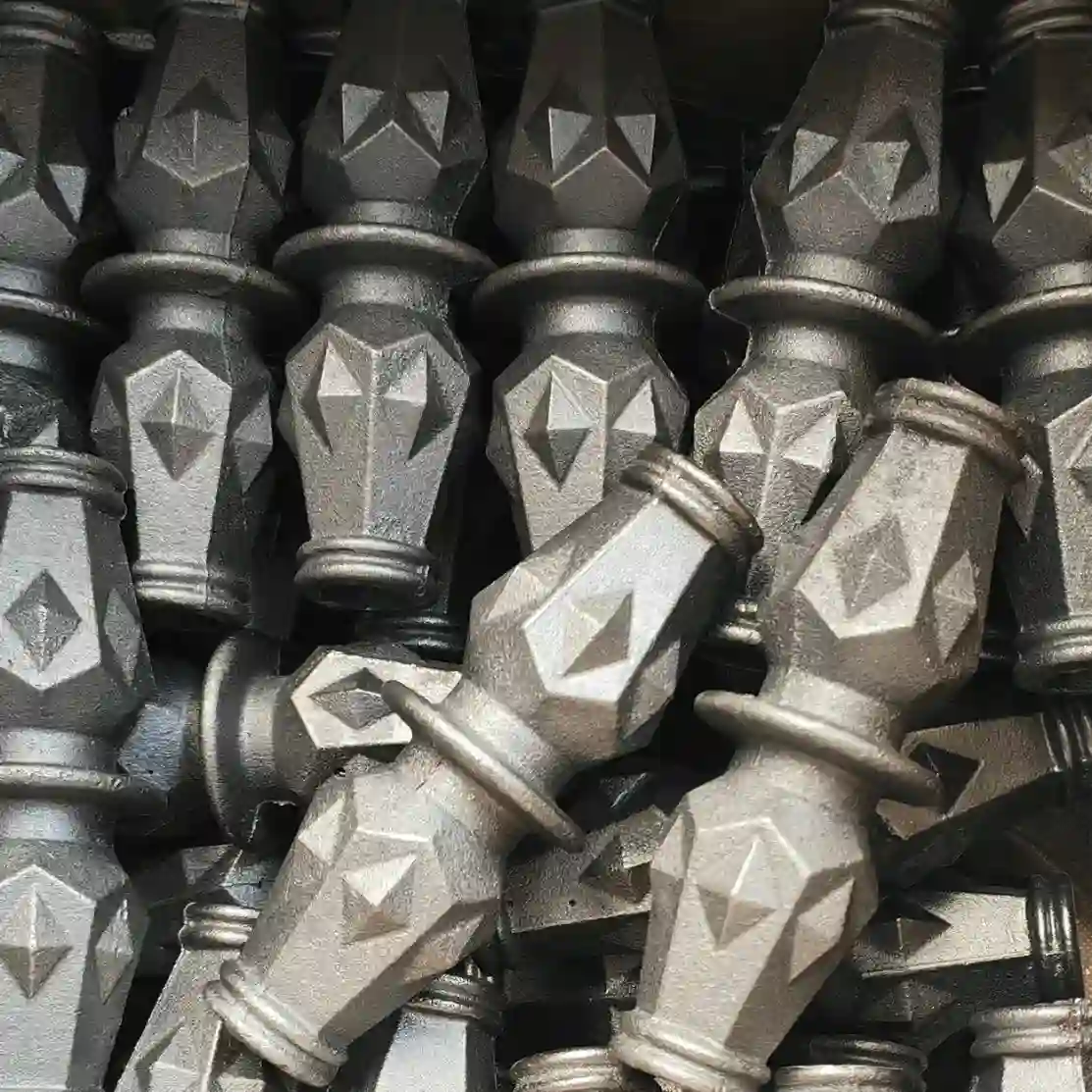
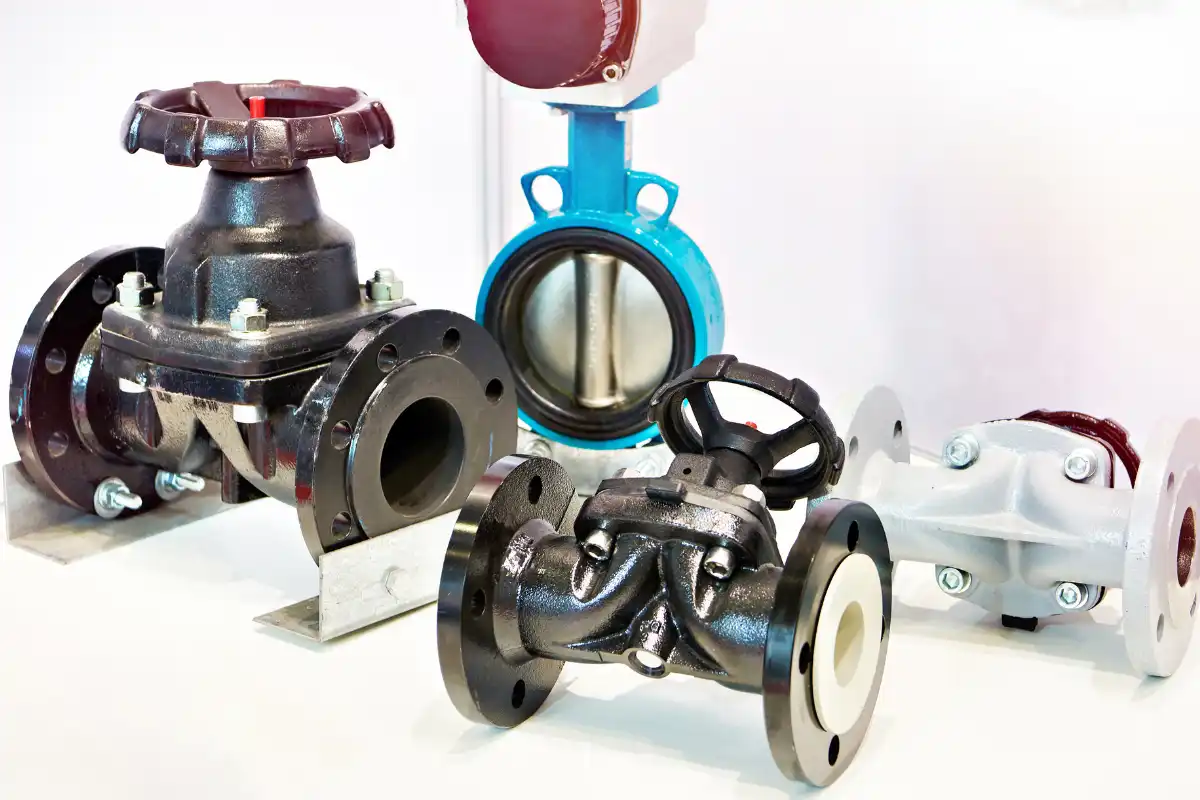
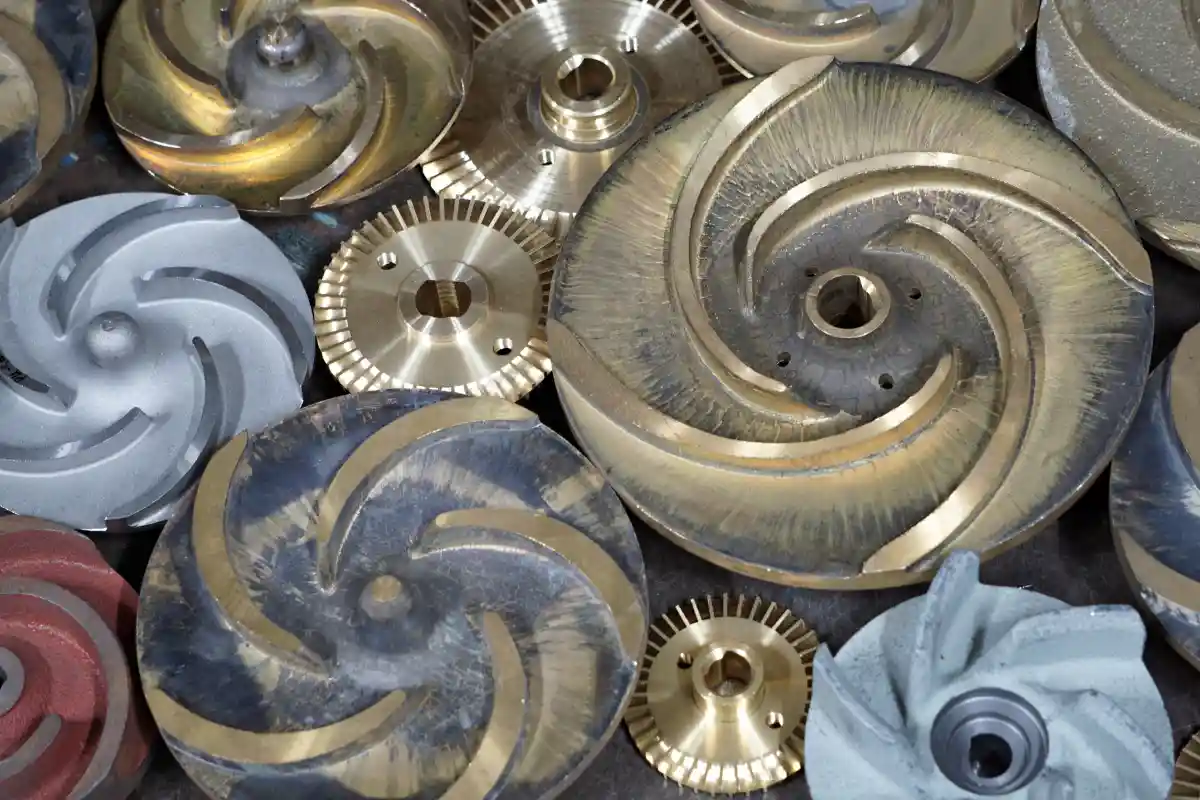
Zinc die casting is a high-pressure manufacturing process used to produce precise metal parts at high production rates. It is particularly valuable when a component needs thin walls, fine detail, a smooth surface, tight repeatability, or an electroplated finish. Zinc is heavier than aluminum, but its casting fluidity, fast cycle times, and long die life can make it the lower-cost choice for small and medium-sized production parts. For buyers, the decision should be based on finished-part economics rather than raw material price alone.
What Is Zinc Die Casting?
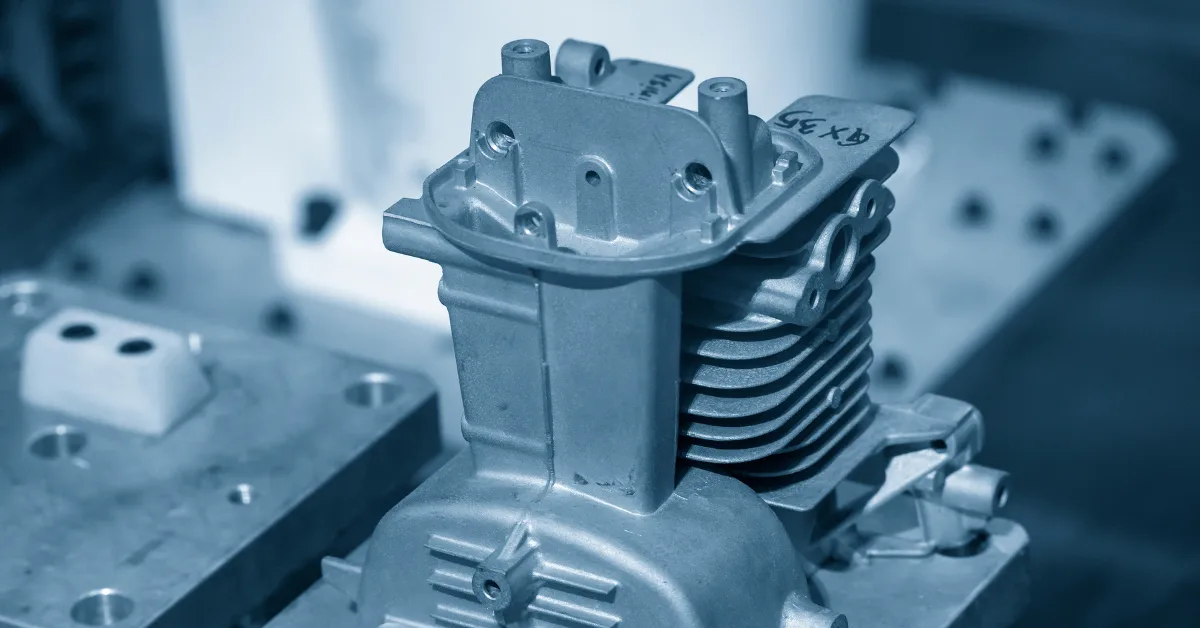
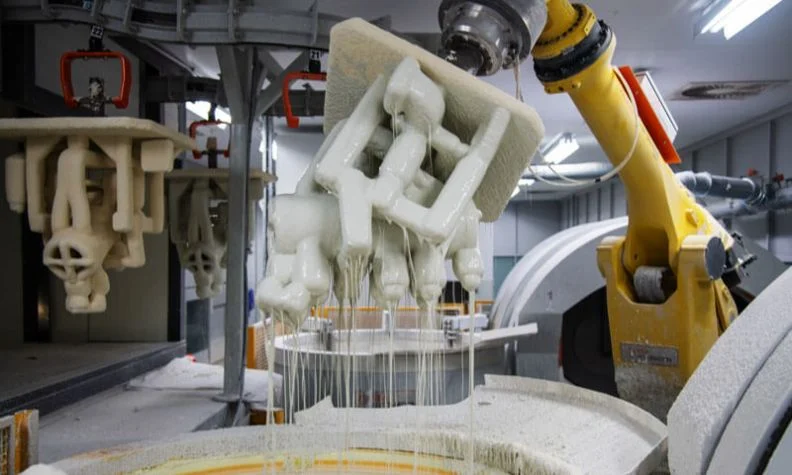
Zinc die casting forces molten zinc alloy into a hardened steel die under pressure. The metal fills the cavity, solidifies rapidly, and is ejected as a near-net-shape component. Gates, runners, and flash are then removed before finishing, machining, plating, or assembly.
Most conventional zinc alloys can be processed through hot chamber die casting. In this system, the injection mechanism is partly immersed in the molten metal. The machine draws a measured quantity of alloy into the injection chamber and pushes it directly into the die.
This arrangement works well for zinc because its relatively low casting temperature causes less attack on steel tooling than higher-temperature alloys. The result is fast cycling and long die life. The NADCA zinc-alloy design guidance explains that zinc’s casting temperature, limited tendency to attack steel, and alloy fluidity make it well suited to hot-chamber production.
Hot chamber casting is one of the main reasons zinc can remain commercially attractive despite being denser than aluminum. A zinc part may use more mass, but shorter cycle times, thin-wall capability, reduced machining, and extended tooling life can offset that disadvantage.
How the Zinc Die Casting Process Works
The process begins with the part design and die layout. Engineers decide where the parting line, gates, runners, ejector pins, vents, and sliding cores will be located. These decisions affect surface appearance, porosity, dimensional control, trimming cost, and tool maintenance.
During production, zinc alloy is held in a controlled molten state. The hot-chamber injection system fills the die quickly under pressure. The pressure is maintained while the part solidifies, after which the die opens and ejector pins release the casting. The machine can then begin another cycle.
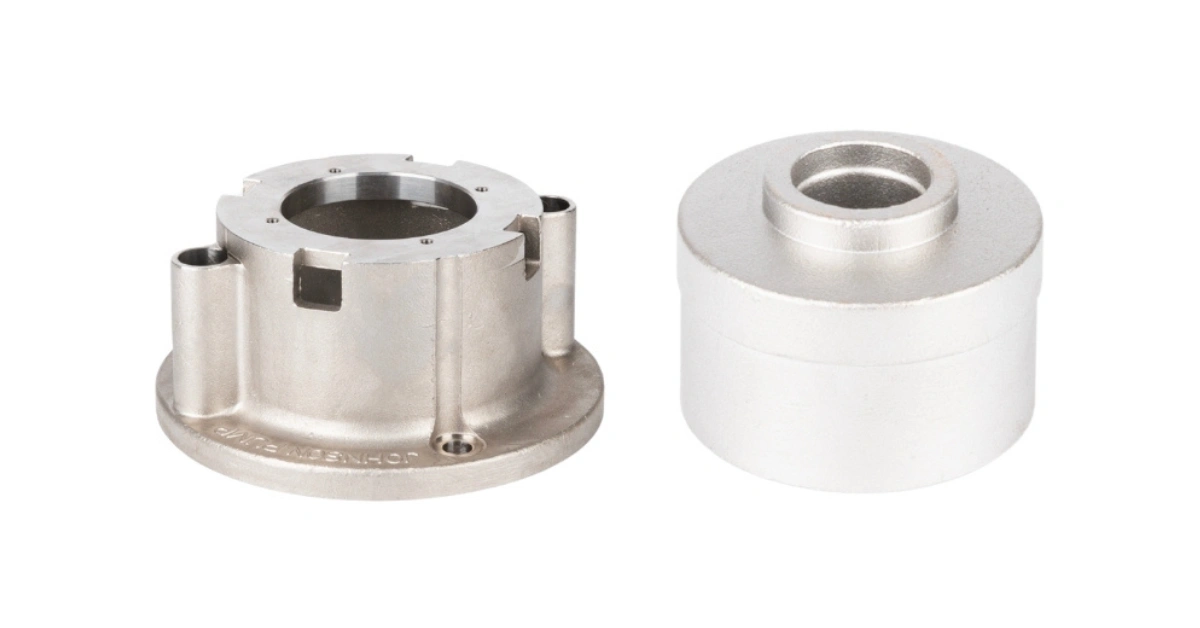
The raw casting is trimmed and inspected. Depending on the drawing, it may undergo tumbling, shot blasting, polishing, electroplating, powder coating, painting, CNC machining, or assembly.
The forming stage itself is fast. However, good zinc die casting depends on more than machine speed. Melt cleanliness, alloy chemistry, die temperature, shot profile, venting, gate location, cooling balance, and ejection timing all affect the finished result.
Why Zinc Is So Effective for Precision Parts
Zinc’s most useful process property is its fluidity. It can fill thin sections, small lettering, narrow ribs, cored holes, and detailed surface features that may be difficult or expensive in other metals. This allows designers to combine several previously separate parts into one casting.
The International Zinc Association notes that zinc’s fluidity, strength, and stiffness can support thin-wall sections, reduced machining, consolidated assemblies, and long tool life. Its engineering guidance for zinc die castings also identifies plating, bearing performance, and near-net-shape manufacturing as important advantages.
For a buyer, these benefits are valuable only when used deliberately. A part originally designed for machining from billet may not automatically become economical just because it is converted to die casting. The geometry should be redesigned around uniform walls, suitable draft, practical parting lines, and features that can be cast rather than machined.
Choosing the Right Zamak or ZA Alloy
Zinc die casting normally uses controlled zinc-aluminum alloys rather than commercially pure zinc. The most familiar family is Zamak, which contains roughly four percent aluminum with smaller additions of magnesium and, in some grades, copper.
The applicable material standard should be stated clearly. ASTM B86 covers common zinc and zinc-aluminum casting alloys, including Alloys 3, 5, 7 and 2, along with ZA-8, ZA-12, and ZA-27.
| Alloy | Practical characteristics | Typical selection logic |
| Zamak 3 | Strong balance of castability, dimensional stability, ductility, and finishing quality | General-purpose housings, hardware, covers, and precision components |
| Zamak 5 | Stronger and harder than Zamak 3, with better creep performance but lower ductility | Parts needing higher load capacity without extensive bending or crimping |
| Zamak 7 | Higher fluidity and ductility than Zamak 3, with good surface quality | Thin walls, fine detail, and parts requiring better post-casting formability |
| ZA-8 | Higher strength and creep resistance while still suitable for hot-chamber casting | More heavily loaded components, wear parts, and stronger zinc castings |
| ZA-12 / ZA-27 | Higher strength and wear capability but normally require cold-chamber processing | Specialized structural, bearing, or wear applications |
Zamak 3 is usually the safest starting point when no unusual requirement dominates. It offers broad supplier availability and performs well in plating, painting, and chromate finishing.
Zamak 5 contains more copper. This improves strength, hardness, and creep resistance, but reduces ductility. It is useful when the part carries more load, but it may not be ideal where tabs will be bent, riveted, swaged, or crimped after casting.
Zamak 7 is a higher-purity modification of Zamak 3 with improved fluidity and ductility. It is relevant for thin sections and fine surfaces. ZA-8 is the stronger hot-chamber option when standard Zamak properties are not sufficient.
The correct selection should also consider temperature. Zinc alloys can perform well in normal industrial and consumer environments, but mechanical properties and creep behavior change as temperature and sustained load rise. A buyer should not select zinc for a continuously hot, highly loaded component without reviewing operating temperature and required life.
Zinc Die Casting Design Guidelines
Zinc offers considerable design freedom, but that does not mean geometry has no limits. The most reliable parts have fairly uniform wall thickness, smooth transitions, suitable draft, and enough space for gates and ejectors.
Official zinc design guidance gives a useful starting point for wall thickness. Short flow paths may permit sections below 0.5 mm, while longer flow paths may require walls closer to 2 mm. These figures are not universal guarantees. Alloy choice, gate location, part area, machine capacity, and the required surface quality all change the practical minimum.
Uniform sections matter because heavy local masses cool more slowly than surrounding walls. This can create shrinkage porosity, sink, distortion, or longer cycle times. Instead of making an entire wall thicker, it is usually better to use well-distributed ribs to increase stiffness.
Ribs should blend smoothly into the surrounding walls. Thick rib intersections should be avoided because they create isolated hot spots. Rounded fillets also improve metal flow and reduce stress concentration.
Draft allows the casting to leave the die without damage. Typical starting guidance is around one degree on internal surfaces and half a degree on external surfaces. Less draft may be achievable on selected features, but it normally increases tooling, ejection, and maintenance demands.
The parting line should be kept away from sealing faces, cosmetic areas, and tightly controlled features where possible. Dimensions formed in one die half are easier to hold than dimensions crossing the parting line or involving moving slides. Buyers should identify those relationships before the die is built.
Tolerances and When CNC Machining Is Still Needed
Zinc die casting can achieve excellent dimensional repeatability, particularly for features formed in one die member. Industry guidance indicates that highly optimized parts may target a linear tolerance band near 0.1% of dimension, while a more normal minimum is around 0.2%. Those values require favorable geometry and should not be applied blindly to every feature.
Over-specifying the entire casting increases die adjustment, maintenance, inspection, and rejection costs. It is usually more economical to hold casting tolerances on non-critical geometry and reserve CNC machining for bearing fits, sealing surfaces, precision threads, reamed holes, or datums that control assembly.
Zinc machines well. Cored holes can often be finished by reaming rather than drilling from solid, and threads can be machined only where cast threads are not suitable. The most efficient project uses die casting to eliminate unnecessary material removal while keeping machining where it adds genuine functional value.
Zinc vs Aluminum Die Casting
Zinc and aluminum serve overlapping markets, but they solve different problems.
Zinc normally provides better fluidity, finer detail, lower practical wall thickness, superior plating response, and longer die life. It is often the better choice for locks, handles, connector housings, decorative-functional hardware, precision mechanisms, and compact components.
Aluminum is much lighter and is usually preferred for larger housings, automotive structures, thermal enclosures, and weight-sensitive parts. It also tends to be more suitable where service temperature is higher.
The density difference is significant. Zinc alloys are roughly two and a half times as dense as aluminum alloys. This makes aluminum the natural choice for larger parts where mass dominates. Zinc can still produce a lighter final design than expected if its fluidity allows thinner walls and eliminates steel inserts, bushings, or separate fastened components.
The correct comparison is therefore not zinc price versus aluminum price. It is zinc casting cost plus tooling, finishing, and assembly versus the total delivered cost of the aluminum alternative.
Surface Finishing and Appearance
Zinc die castings are especially well suited to decorative and protective finishes. They can be chrome plated, nickel plated, painted, powder coated, passivated, polished, or textured in the die.
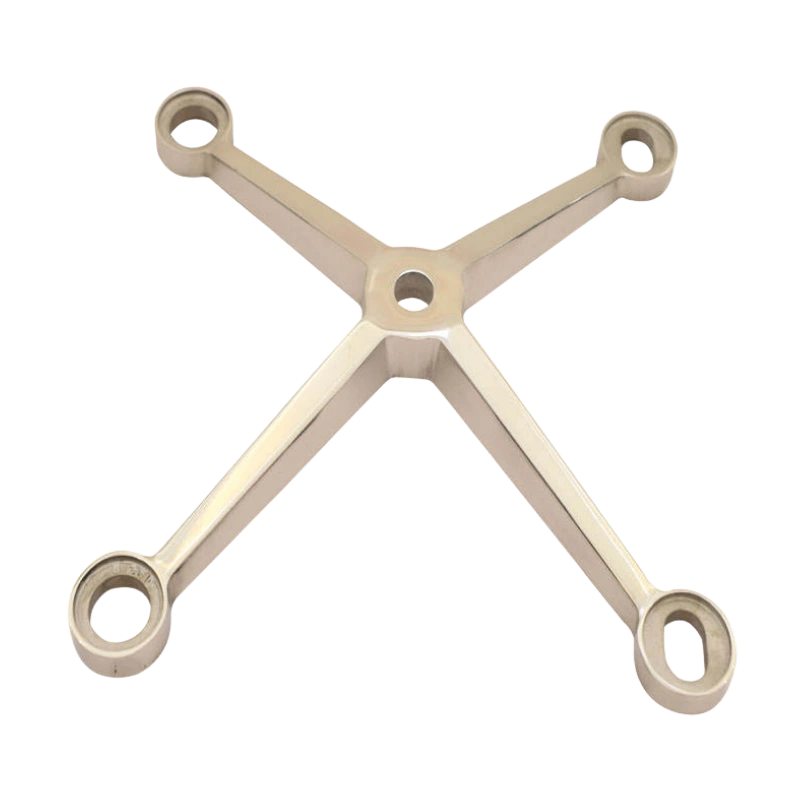
This makes zinc attractive for parts where appearance and function must coexist. Door and window hardware, appliance controls, automotive interior components, bathroom fittings, and security products often use zinc because the casting can carry load while presenting a premium finished surface.
Finishing quality starts with the casting. Porosity, cold shuts, poor flow marks, flash, and surface contamination can remain visible after plating. The supplier should design the die, gate, and venting system around the intended finish rather than treating plating as a way to hide casting problems.
Common Defects and How Buyers Should Manage Them
Porosity is a major concern when a zinc part contains thick sections or poorly balanced wall transitions. It can also result from trapped air if venting or fill control is weak. The risk is reduced through uniform walls, proper gate design, controlled filling, and avoiding excessive material at rib or boss intersections.
Cold shuts occur when separate metal fronts meet without fusing properly. They are more likely in thin or remote sections, especially when the die is too cold or the flow path is poor.
Flash develops at the parting line or moving slide interfaces as tooling wears or closing conditions change. Some witness mark is normal, but excessive flash increases trimming cost and may indicate maintenance issues.
Material purity must also be controlled. Lead, cadmium, tin, and other restricted contaminants can damage long-term corrosion and dimensional performance. A serious RFQ should require the specified alloy standard, material certification, and controls preventing uncontrolled scrap contamination.
Applications of Zinc Die Casting
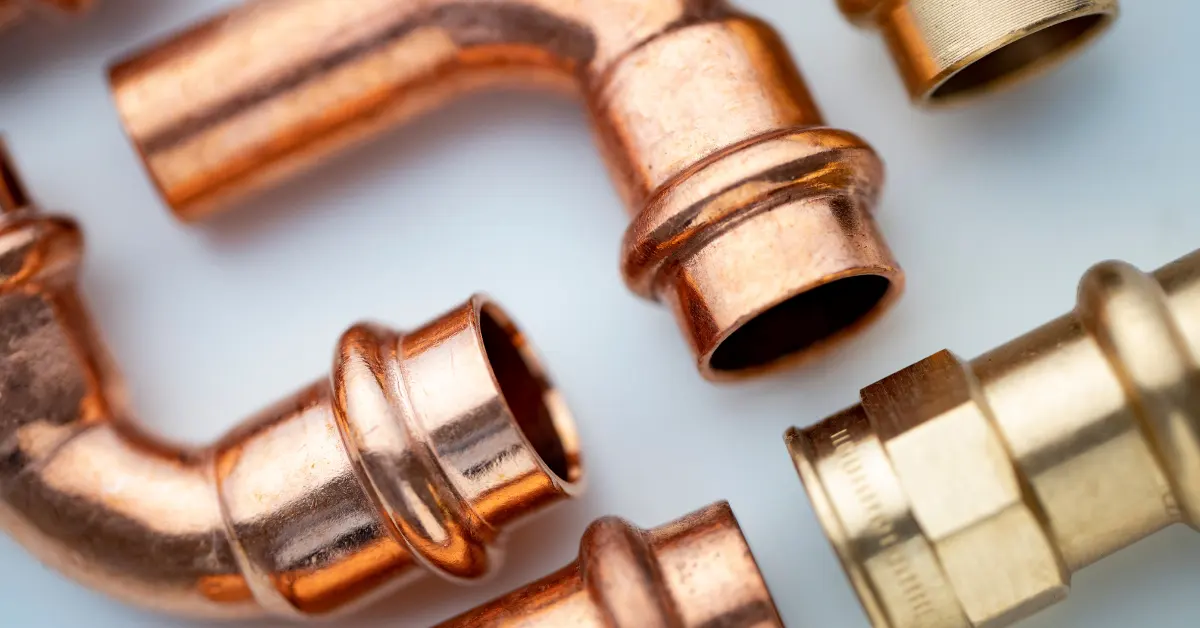
Zinc is widely used in automotive components, electronic connectors, security hardware, locks, hinges, appliance parts, furniture hardware, plumbing components, industrial controls, housings, brackets, and consumer products.
The strongest applications usually share three characteristics: the part is small or medium in size, production volume is high enough to justify tooling, and the design benefits from precision, detail, surface finish, or component consolidation.
A simple block-shaped part with low annual volume may remain cheaper to machine. A complex part with ribs, bosses, holes, lettering, and a plated finish may strongly favor zinc die casting once volume reaches a sustainable production level.
What Buyers Should Include in an RFQ
A useful zinc die casting RFQ should include a 3D model and controlled drawing, annual and lifetime quantities, preferred alloy, cosmetic requirements, critical dimensions, and expected finishing. The drawing should distinguish as-cast dimensions from machined features.
The buyer should also identify operating temperature, static or cyclic loads, corrosion exposure, plating requirements, sealing areas, and any features that will be bent or crimped after casting. These details may change the alloy from Zamak 3 to Zamak 5, Zamak 7, or ZA-8.
Inspection requirements should be tied to risk. Material certification, first-article dimensional inspection, CMM reporting, coating-thickness checks, X-ray inspection, pressure testing, or assembly validation may be appropriate depending on the application.
Where HDC Manufacturing Fits
HDC supports custom zinc die casting from mold review and manufacturing through production, finishing, inspection, and CNC post-machining. Its custom die casting service includes Zamak 3 and Zamak 5, surface finishing, CMM inspection, X-ray inspection, and machining for critical tolerances.
Buyers looking for actual product examples can also review HDC’s custom die casting parts capability. The practical value is a single workflow: design the die around zinc’s strengths, cast the near-net component, finish the required surfaces, and verify the final part rather than treating casting and machining as separate sourcing problems.
Frequently Asked Questions
Is zinc die casting economical for low-volume orders?
Tooling makes conventional die casting difficult to justify for very small quantities. It becomes more attractive when the expected volume can absorb the die cost or when component consolidation removes several machining and assembly operations.
Can zinc die castings be used for outdoor products?
Yes, but the alloy, finish, drainage, crevice design, and exposure conditions must be considered together. Appropriate plating, conversion coating, powder coating, or paint may be required for long-term outdoor service.
Can threads be cast directly into zinc parts?
Some threads and thread-like features can be cast, but precision, strength, release direction, and tool complexity must be reviewed. Critical threads are often machined, tapped, or formed with inserts.
Does zinc aging affect dimensional accuracy?
Zinc alloys undergo small property and dimensional changes after casting. For highly precise parts, the supplier may use stabilization or allow controlled aging before final machining and inspection.
What is the biggest sourcing mistake with zinc die casting?
The biggest mistake is selecting zinc only because the part is small. Zinc creates the most value when the design uses its thin-wall capability, cast detail, finishability, and ability to consolidate features into one production component.
Conclusion
Zinc die casting is strongest when precision, fine detail, finishing quality, and high-volume economics matter more than minimum weight. Zamak 3 fits most general applications, while Zamak 5, Zamak 7, and ZA-8 address higher strength, ductility, fluidity, or creep needs. Buyers should judge zinc by total delivered cost, including tooling, machining, finishing, assembly, and expected die life. A well-designed zinc casting can replace several components and secondary operations, but the alloy, geometry, tolerances, and surface requirements must be aligned before tooling begins.