Man könnte meinen, Zink und Edelstahl seien ein etwas ungewöhnlicher Vergleich, aber er ist tatsächlich weit verbreitet. Sowohl im Industrie- als auch im Baubereich werden diese Metalle aufgrund ihrer Eigenschaften und Funktionalitäten bevorzugt.
Und obwohl die Unterschiede nicht so groß sind, können Sie sich das Wissen darüber zunutze machen, um sich stärker auf das zu konzentrieren, was für die jeweiligen Anwendungsbereiche am besten geeignet ist.
In diesem Blogbeitrag geht es um Edelstahl und Zink, wir vergleichen die beiden Werkstoffe, zeigen ihre Gemeinsamkeiten auf und helfen Ihnen dabei, die bessere Wahl zu treffen.
Zink und Edelstahl unabhängig voneinander verstehen
Quelle: Frühlingsgewinn
Ich weiß, Sie fragen sich, warum es wichtig ist, diese beiden Metalle zu vergleichen. Wenn man es genau betrachtet, ist die Verwendung eines Metalls, das nicht für einen bestimmten Zweck entwickelt wurde, sinnlos. Daher kann das Verständnis der jeweiligen Eigenschaften, der Verwendungszwecke und der optimalen Anwendungsbereiche entscheidend für die Qualität sein.
Zink
Zink ist dieses bläulich-weiße Metall, das aufgrund seiner Korrosionsschutzwirkung beliebt ist. Viele verwenden es als Beschichtung von Stahl durch Verzinken weil es dazu beiträgt, das Grundmetall vor Rost zu schützen.
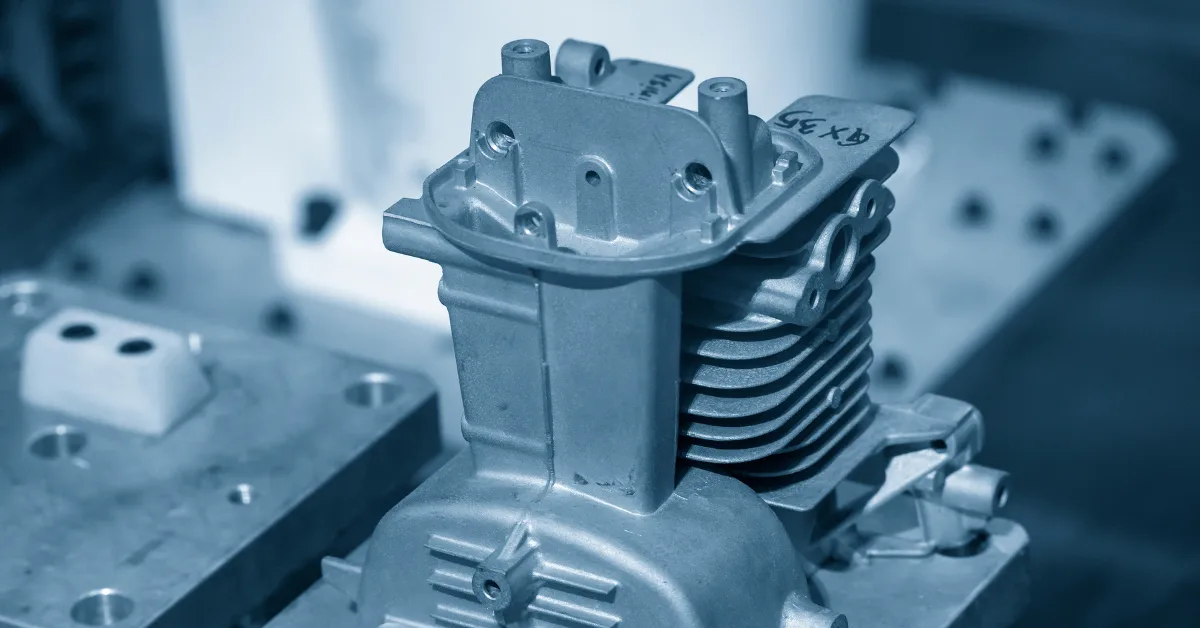
Darüber hinaus kann es auch allein für Druckgussteile, Armaturen und Beschläge verwendet werden, da es leicht zu formen ist und sich gut für die Massenproduktion eignet.
Rostfreier Stahl
Am anderen Ende des Spektrums steht Edelstahl, eine Eisenlegierung mit einem hohen Chromanteil, der ihn rostbeständig und widerstandsfähig gegen Oberflächenbeschädigungen macht. Im Gegensatz zu Zinkbeschichtungen ist seine Korrosionsbeständigkeit im Metall selbst begründet.
Deshalb findet Edelstahl breite Anwendung in Küchen, medizinischen Geräten, im Bauwesen und in industriellen Systemen, wo Festigkeit, Sauberkeit und Langlebigkeit entscheidend sind.
Lesen Sie auch: 15-5 Edelstahl: Ist das der richtige Edelstahl für Sie?
Zink vs. Edelstahl – Ein vollständiger Vergleich
Viele Fragen zur Wahl zwischen Zink und Edelstahl entstehen aus realen Projekten, Optionen und Konstruktionsplänen. Zink wird häufig für Beschichtungen, Gussarbeiten oder Witterungseinflüsse gewählt, während Edelstahl üblicherweise dann zum Einsatz kommt, wenn das Bauteil selbst langfristige Festigkeit, Sauberkeit und Korrosionsbeständigkeit erfordert.
Der sinnvollere Vergleich lautet also nicht: “Welches Metall ist besser?”, sondern: “Welche Art von Aufgabe soll es erfüllen?”
Komposition
Zink ist ein reines Metallelement mit einem Schmelzpunkt von etwa 419,5 °C (787,1 °F). Edelstahl ist eine Eisenlegierung mit mindestens 10,51 % Chrom (TP3T), und viele Sorten enthalten zusätzlich Nickel oder Molybdän zur Leistungssteigerung.
Stärke
Wenn Festigkeit Priorität hat, ist Edelstahl in der Regel das bessere Metall. Er besitzt eine beträchtlich hohe Zugfestigkeit und ist weniger spröde.
Zink eignet sich zwar gut für Beschichtungen und Druckgussteile, wird aber im Gegensatz zu Edelstahl nicht typischerweise für hohe strukturelle Belastungen eingesetzt. Daher kommt man bei einem Vergleich der Festigkeit von Zink und Edelstahl oft zu dem Schluss, dass Edelstahl die bessere Wahl ist.
Korrosionsbeständigkeit
Hier wird der Vergleich interessant. Zink schützt durch Opferanodenwirkung, das heißt, es korrodiert zuerst, um den darunterliegenden Stahl zu schützen. Edelstahl schützt sich selbst durch eine passive Chromoxidschicht, die sich unter normalen Bedingungen neu bildet.
Mehr lesen: Rostet Messing? Eine umfassende Analyse
Hitzebeständigkeit
Zink hat aufgrund seines niedrigen Schmelzpunktes klar definierte Temperaturgrenzen. Deshalb wird Zink im Allgemeinen nicht für Anwendungen gewählt, die eine hohe Hitze- und Temperaturbeständigkeit erfordern.
Edelstahl ist dank seiner hohen thermischen Stabilität deutlich hitzebeständiger. Darüber hinaus verbessert sein Chromgehalt die Beständigkeit gegen Verkalkung bei hohen Temperaturen.
Formbarkeit
Wie bei den meisten Metallen spielen die Bearbeitbarkeit und/oder Umformbarkeit eine wichtige Rolle. Zink bietet Vorteile beim Gießen und Formen kleiner Teile. Es findet breite Anwendung in Druckgussteilen, Armaturen und Gehäusen.
Edelstahl lässt sich zwar auch formen. Im Vergleich zu Zink und anderen Metallen erfordert er jedoch in der Regel mehr Kraft und eine präzisere Verarbeitung.
Leitfähigkeit
Im Vergleich zur Leitfähigkeit von Edelstahl ist Zink oft der bessere und effektivere elektrische Leiter, was seine Verwendung in Beschichtungen, Batterien und einigen elektrischen Bauteilen erklärt.
Edelstahl besitzt im Vergleich zu vielen anderen Metallen eine relativ geringe Wärme- und elektrische Leitfähigkeit. Seine hohe Festigkeit und Anpassungsfähigkeit haben sicherlich auch ihre Grenzen, oder? Wenn also die Leitfähigkeit eine wichtige Rolle spielt, ist Zink Edelstahl vorzuziehen.
Lesen Sie auch: Bronze vs. Messing vs. Kupfer: Unterschiede, Eigenschaften & Anwendungen
Anwendungen
Nun zum spannenden Teil: Anwendungen und Verwendung. Zink wird häufig zum Verzinken, für Dachdeckungen, Druckgussteile und Schutzbeschichtungen verwendet. Es dient dabei eher der Schutzwirkung als der Bildung eines Hauptbestandteils.
Edelstahl findet vermehrt Anwendung bei Lebensmittelgeräten, medizinischen Instrumenten, chemischen Systemen, im Bauwesen und bei Industrieteilen, wo das Basismaterial selbst eine lange Lebensdauer haben muss.
Preis
Kommen wir nun zum Preis. Auf den ersten Blick sind Zink und andere zinkbasierte Lösungen oft günstiger. Sie sind erschwinglich und leicht zu beschaffen. Edelstahl bleibt somit die teurere Option.
Langfristig gesehen wird Edelstahl jedoch immer sinnvoller. Warum? Weil in allen Branchen Wartung, Lebensdauer und Ersatzkosten wichtige Faktoren sind, und genau hier spielt Edelstahl eine entscheidende Rolle.
Kann Zink rosten?
Quelle: Höchste Präzision
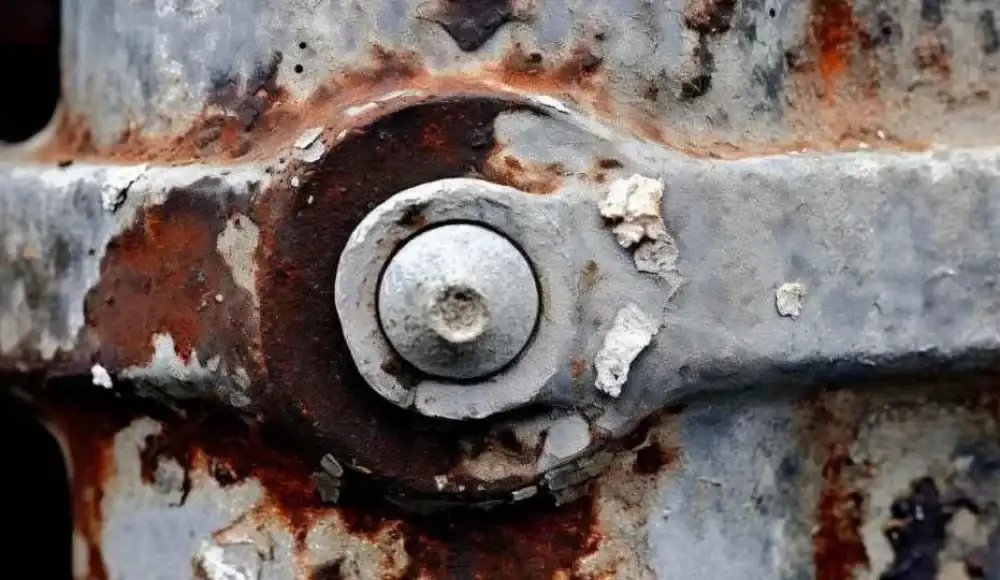
Im herkömmlichen Sinne rostet es nicht so schnell wie andere Metalle. Wie die meisten Metalle kann es jedoch auch langsam korrodieren, insbesondere unter bestimmten Bedingungen (z. B. bei Einwirkung von Säuren).
Kann man Edelstahl und Zink mischen?
Quelle: Amerikanischer Verband der Verzinker
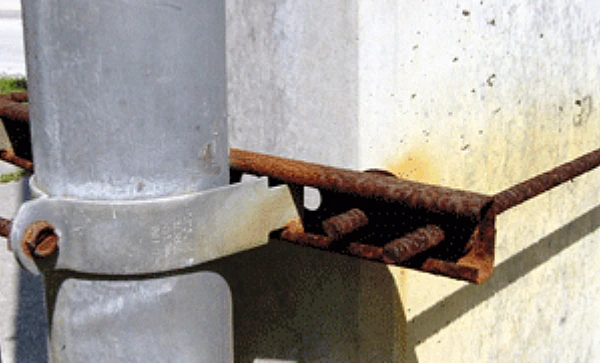
Im Allgemeinen nein. Edelstahl und Zink können zwar nebeneinander verwendet werden, ein direkter Kontakt unter nassen, feuchten oder salzigen Bedingungen wird jedoch nicht empfohlen.
Der Grund dafür ist, dass Zink als Opfermetall dient und in den meisten Fällen und Situationen schneller korrodieren kann. In trockenen Innenräumen ist das Risiko deutlich geringer. Sollte ein Kontakt jedoch unvermeidbar sein, verwenden Sie isolierende Unterlegscheiben, Beschichtungen oder Trennelemente.
Chinas Hersteller von #1-Edelstahl
Im Idealfall bräuchte man Edelstahl und Zink nicht zu verstehen und zu vergleichen, aber wenn man das Beste aus seinen Teilen und Komponenten herausholen will, insbesondere angesichts der Fortschritte der modernen Welt von heute, ist das unerlässlich.
Aber keine Sorge, falls Sie die übliche, minderwertige Standard-Edelstahlqualität satt haben, die Sie bisher erhalten haben, sind Sie bei HDC Mfg genau richtig. Seit über einem Jahrzehnt unterstützen wir Hunderte von Unternehmen und Organisationen mit allen benötigten Metallteilen und -komponenten.
Sie können sich auf uns verlassen, egal ob Sie sich in der Automobilindustrie, Die Luft-und Raumfahrtindustrie, Transportindustrieoder sogar die Medizintechnik. Nennen Sie das Metall und das Bauteil, und wir besorgen Ihnen alles! Kontaktiere uns und erhalten Sie ein kostenloses Angebot!