Überblick
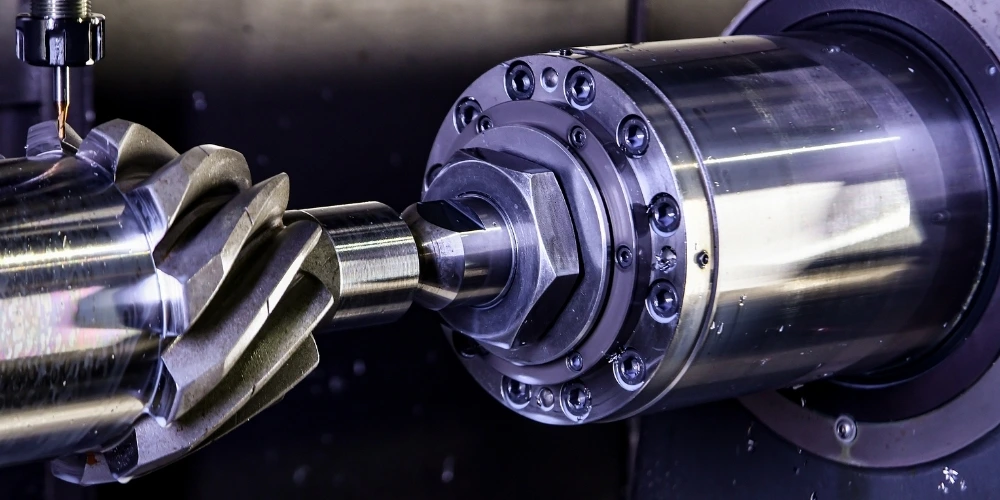
HDC Manufacturing, is your reliable ally in the personalized fabrication of metallic components, boasting an extensive decade-long mastery. Our avant-garde facilities, housing 4-axis and 5-axis machining centers, coupled with cutting-edge inspection apparatus like coordinate measuring machines, bestow upon us the ability to furnish unparalleled precision.
Within the realms of HDC Manufacturing, our focal expertise lies in 420 stainless steel machining, unveiling a reservoir of proficiency and an exhaustive array of procedural alternatives. From CNC-Bearbeitung Zu Gießen, Schmieden, Laser schneiden, und Metall-StanzenUnsere vielfältigen Fähigkeiten gewährleisten die Erfüllung der vielfältigen Anforderungen unserer anspruchsvollen Kundschaft. Unser unerschütterliches Engagement für Exzellenz und erfinderische Erkenntnisse zeichnen uns aus und garantieren maßgeschneiderte Lösungen für Ihre 420-Edelstahlkomponenten.
Embark on an exploration of possibilities with HDC Manufacturing as we harness advanced technology and adept artisanship to breathe vitality into your conceptualizations. Whether entailing intricate blueprints or the demands of high-volume production, our devoted team stands prepared to meet and surpass your expectations in the realm of 420 stainless steel machining.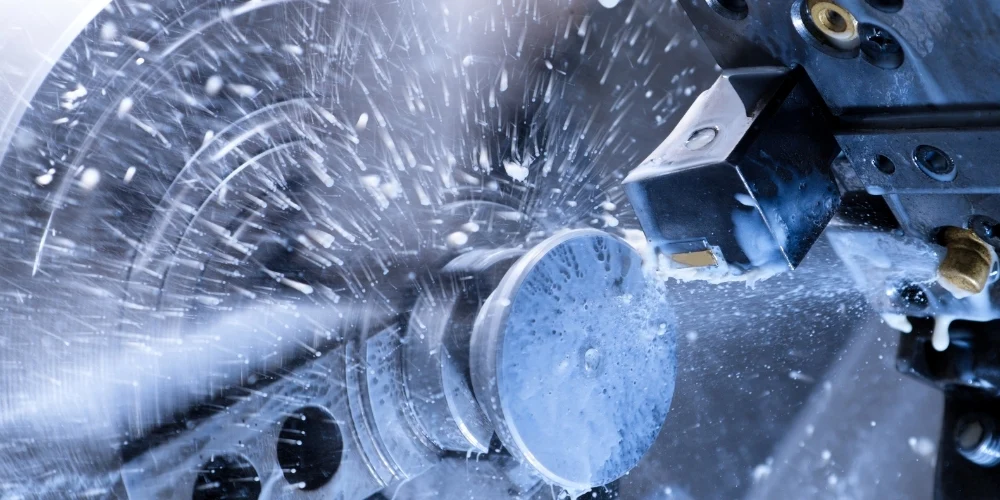
Was ist 420er Edelstahl?
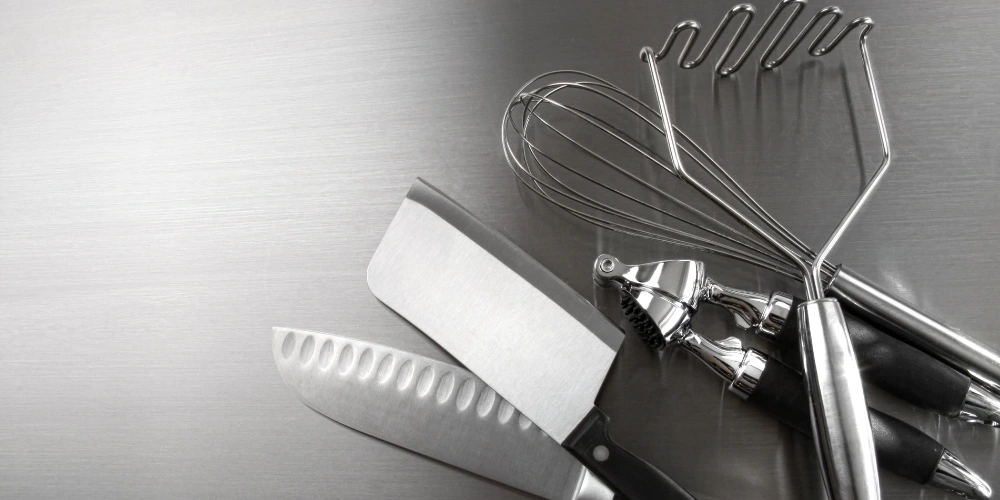
The 420 stainless steel is among the martensitic stainless steels with the highest strength and hardness, as well as a relatively greater resistance to corrosion. The chromium content is quite abundant, ranging from 12-14% and its carbon content is usually 0.15-0.40%, thus, it offers good resistance to corrosion in a mild environment. The higher carbon content within its structure provides better hardness and wear resistance useful for applications that require strength and toughness such as forks and industrial blades. It, nevertheless, is lower in corrosion resistance when being compared to other stainless steel series, especially in chloride environments.
How is 420 Stainless Steel Named?

The name 420 stainless steel reflects its position as part of a 400 stainless steels series that have more carbon and are chromium-based. The “420” grade refers to a special alloy with around 12% chromium and a higher carbon content (ca. 0.15% minimum), aluminum to this parcel being distinguished by its ability to acquire hardness by heat treatment. By applying this composition, steel tends to have a higher degree of hardness which gives it a capacity to maintain a sharp edge. This property makes the steel particularly appropriate for making cutlery as well as blades. The common way the material is referred to by its average category like “420” helps to indicate its basic functionality during the selecting process for some particular purposes emphasizing on its primary characteristics like corrosion resistance and mechanical strength.
Nachteile von 420 Edelstahl
420 Stainless Steel has some desirable properties but in some instances, it can have drawbacks. The corrosion resistance of 310 stainless steel compared to other grades like 304 and 316 is lower, especially in corrosive environments with chlorides or acids, which can lead quickly to pitting and crevice corrosion with inadequate maintenance. In addition, however, this property has a lower strength, making it less tough and prone to breaking at low temperatures. Welding presents several difficulties associated with the high carbon make-up of the material that necessitate preheating and post-weld heat treatment to avert cracking. The sintered metal, difficulty of which becomes manifest in producing uniform hardness across large sections, is the shortcoming of its hardenability. On the one hand, 720 stainless steel is good for its hardness and wear resistance, but on the other hand, one should be careful about the drawbacks such as corrosion, toughness and weldability and so on such that one may select another grade of stainless steel for certain applications when they are more suitable.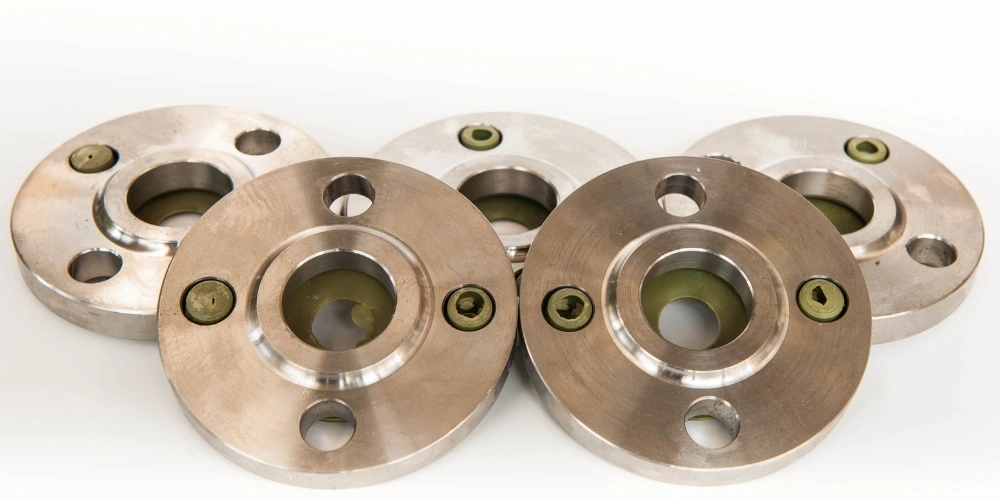
Chemische Zusammensetzung von 420 Edelstahl
Stainless steel Grade 420, martensitic stainless steel,has excellent corrosion resistance and ood ductility in the annealed condition It’s main applications of grade 420 stainless steels are surgical equipment, shear blades and needle valves
| Komponente | Wt.% |
| Kohlenstoff (C) | 0.30 – 0.40 % |
| Chrom (Cr) | 12.0 – 14.0 % |
| Mangan (Mn) | 0,0 – 1,0 % |
| Molybdän (Mo) | 0.0 – 0.50 % |
| Nickel (Ni) | 0.0 – 0.50 % |
| Phosphor (P) | 0.0 – 0.04 % |
| Silizium (Si) | 0,0 – 1,0 % |
| Schwefel (S) | 0.0 – 0.03 % |
| Aluminium (Al) | 0,0 – 0,15 % |
| Zinn (Sn) | 0,0 – 0,05 % |
| Eisen (Fe) | Gleichgewicht |
Wie verschiedene Komponenten die Eigenschaften von Edelstahl 420 beeinflussen?
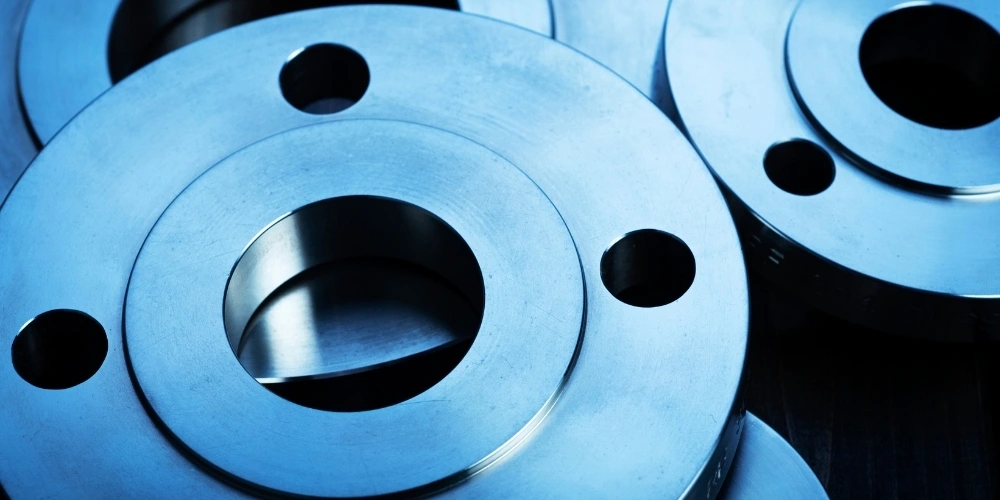
A number of elements have effect over the properties of 420 stainless steel. The carbon content dominates with respect to material hardness and strength, and the highest levels tend to make the material harder and stronger, but they might reduce the ductility and toughness of the material. It adds to the corrosion resistance by creating an oxide film on the surface. Molybdenum, which along the other alloying elements, not often added into large amounts, also improves the corrosion resistance and high-temperature strength. Proper heat-treatment processes such as annealing, quenching, and tempering are the key steps in achieving desired mechanical properties. On the other hand, a variety of processing techniques, including machining, welding, and forming, can take a toll on the microstructure and mechanical properties of the material, therefore, regulation of parameters is imperative to avoid defects. This is the aggregate of all factors that are used in the custom making of 420 grade stainless steel based on specific application requirements.
Vergleichen Sie Edelstahl 416 und 420
416 and 420 SS, martensitic alloys rich in Cr, offer acceptable corrosion resistance, but the main difference between them is the carbon content where 420 SS gets higher values, thus the hardness and wear resistance go up. To do this, 420 steel becomes more suitable for cutting applications where abrasion resistance is a priority, like on knife blades, while 416 steel, celebrated for its exceptional machinability gets used for machining tasks that need high precision : to satisfy these requirements, nuts and bolts production. Machineability and corrosion resistance are the main criteria to be considered here.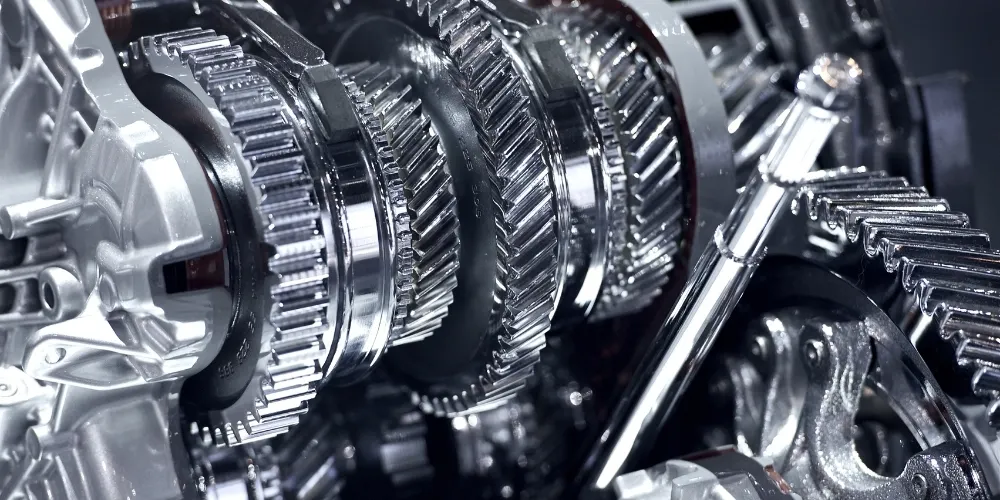
Mechanische Eigenschaften von 420 Edelstahl
| Anlasstemperatur (°C) | Zugfestigkeit (MPa) | Ertragsstärke 0,21 TP2T-Beweis (MPa) | Verlängerung (% in 50mm) | Härte Brinell (HB) |
| Geglüht * | 655 | 345 | 25 | 241 max |
| 204 °C (399 °F) | 1600 | 1360 | 12 | 444 |
| 316 °C (600 °F) | 1580 | 1365 | 14 | 444 |
| 427 °C (800 °F) | 1620 | 1420 | 10 | 461 |
| 538 °C (1000 °F) | 1305 | 1095 | 15 | 375 |
| 593 °C (1099 °F) | 1035 | 810 | 18 | 302 |
| 650 °C (1202 °F) | 895 | 680 | 20 | 262 |
| *Geglühte Zugeigenschaften sind typisch für Zustand A; Die geglühte Härte ist das spezifizierte Maximum für kaltgefertigte Stangen im Zustand A, angegeben in ASTM A276-06. | ||||
| # Aufgrund der damit verbundenen geringen Schlagzähigkeit sollte dieser Stahl nicht im Bereich 425-600°C angelassen werden. | ||||
Physikalische Eigenschaften von Edelstahl 420
Dichte kg/m³ | Wärmeleitfähigkeit W/mK | Elektrisch Widerstand (Mikroohm/cm) | Modul von Elastizität | Koeffizient von Wärmeausdehnung µm/m/°C | Spezifische Wärme (J/kg.K) |
| 7750 | 24,9 bei 212°F | 550 (nΩ.m) bei 68°F | 200 GPa | 10,3 bei 32 – 212 °F | 460 bei 32 °F bis 212 °F |
| – bei 932 °F | 10,8 bei 32 – 599 °F | ||||
| 17,7 bei 32–1000°F |
Äquivalente Materialien aus Edelstahl 420
| EU | DE | X30Cr13 (1.4028) | |
| Vereinigte Staaten von Amerika | – | 420 | |
| Deutschland | DIN,WNr | X30Cr13 | |
| Japan | JIS | SUS420J2 | |
| Frankreich | AFNOR | Z30Cr13 Z33C13 | |
| England | BS | 420S45 | |
| Italien | UNI | X30Cr13 | |
| China | GB | 3Cr13 | |
| Schweden | SS | 2304 März-04 | |
| Polen | PN | 3H13 3H14 | |
| Tschechien | CSN | 17023 | |
| Russland | GOST | 30KH13 | |
Techniken zur Verarbeitung von Edelstahl 420
The work with 420 stainless steel commonly uses several manufacturing techniques for the production of various shapes and properties. Drilling and milling are just some of the operations carried out during machining, which are usually completed using carbide or high-speed steel tools for a quicker and more precise removal of the material. With heat treatment such as annealing and tempering, mechanical properties like hardness and toughness can be made optimal. GTAW and GMAW techniques for fusing components before and after the weld are requisite to ensure damage resulting from cracks is not incurred. Different shaping processes like bending and forging allow steel to be formed. In addition, the controlling of temperature, application of lubricants, and controlled processes all help achieve uniform products free of fractures. Surface modifications such as pickling and electroplating make metal more resistant to corrosion and more appealing to look at. In the end these techniques together allow production of selections of parts for broad applications including consideration and selection of being used only in a certain conditions in which we then can have just the required properties.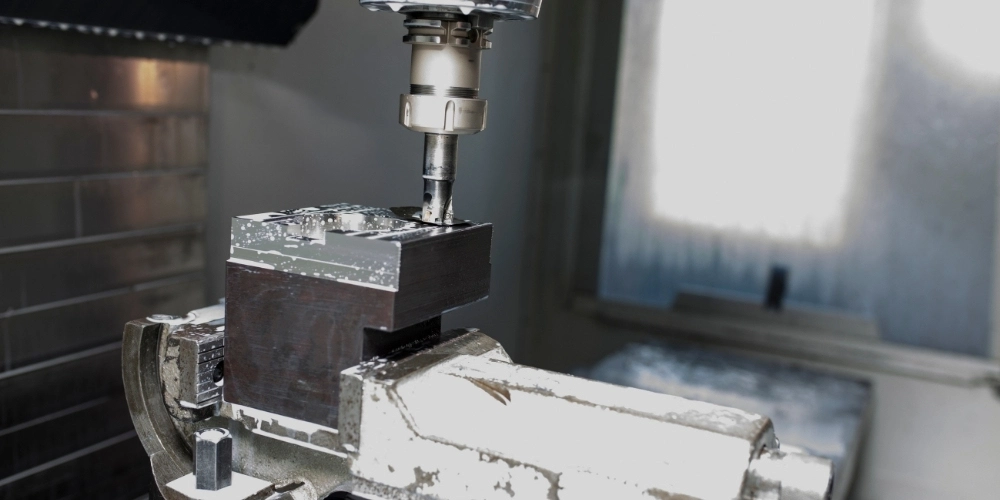
Anwendungen von 420 Edelstahl
- Automobil:
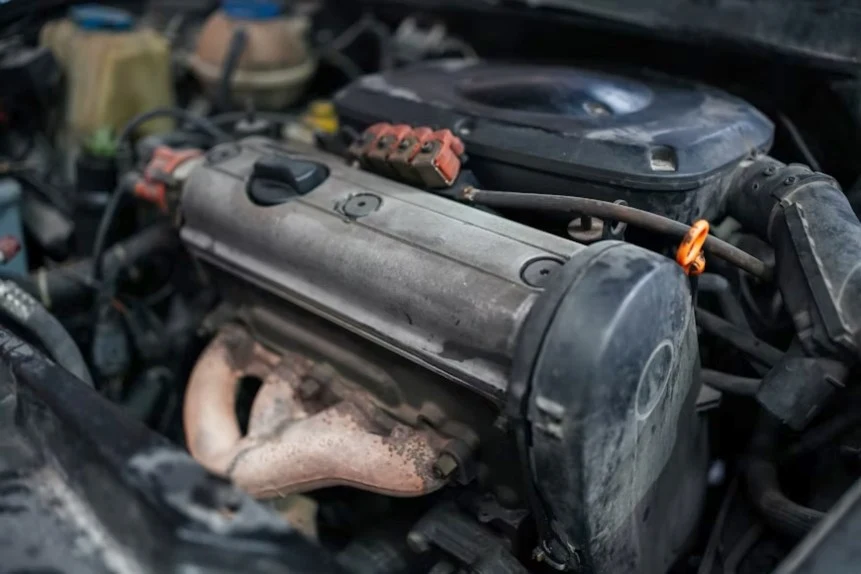
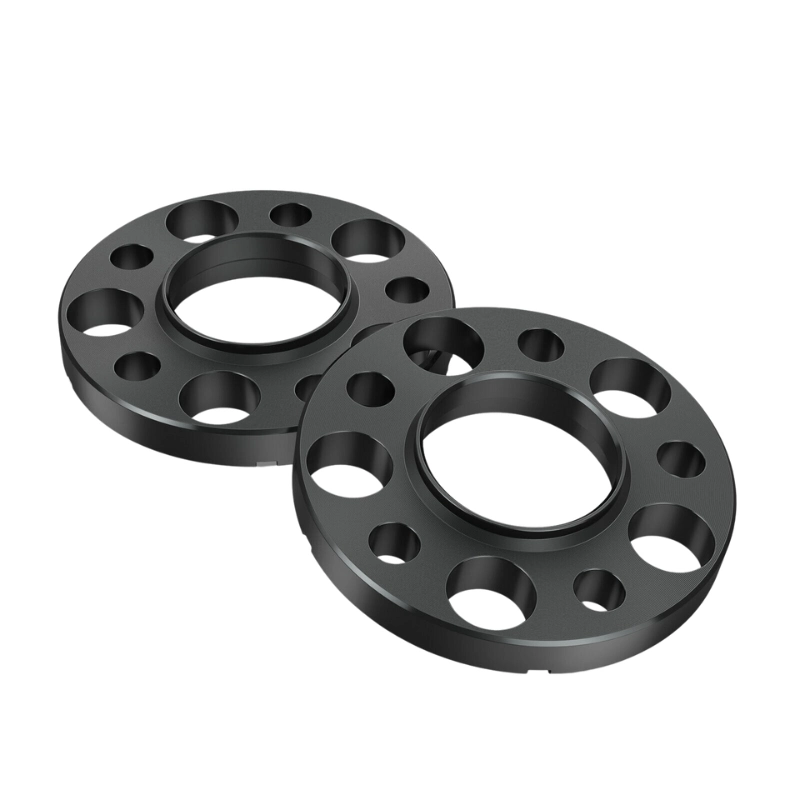
- Präzisionsgefertigte 420-Edelstahlkomponenten wie Distanzscheiben, Radmuttern, Blockwache, Ventildeckel, und Ölmessstäbe Verbessern Sie Automobilanwendungen mit Haltbarkeit und Präzision.
- Luft- und Raumfahrt:
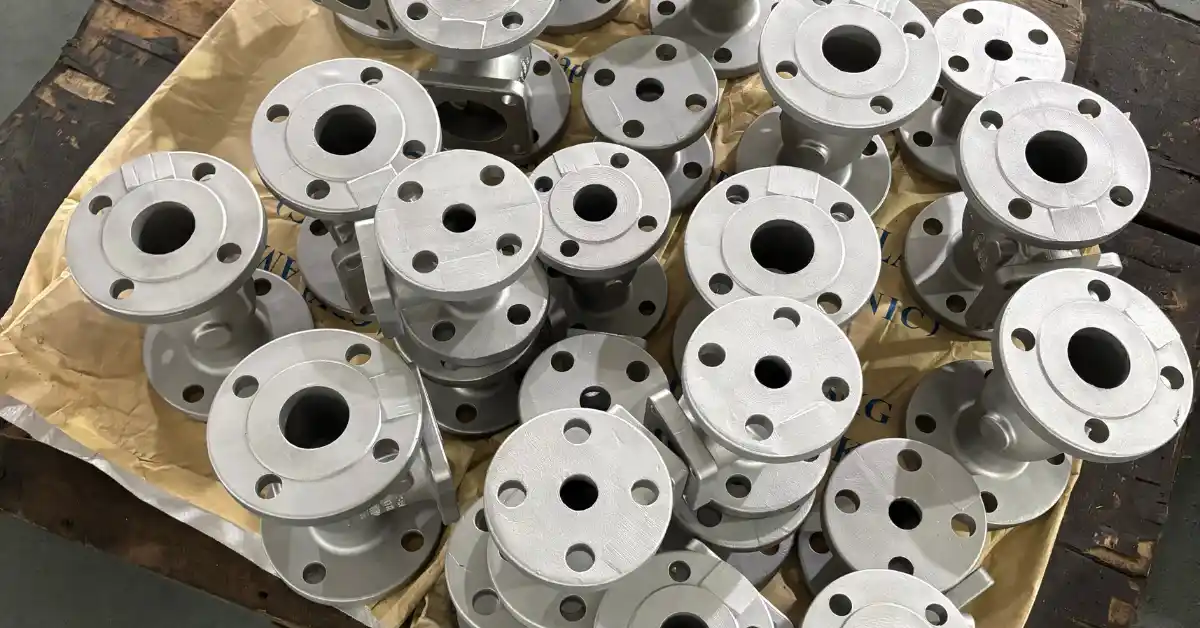
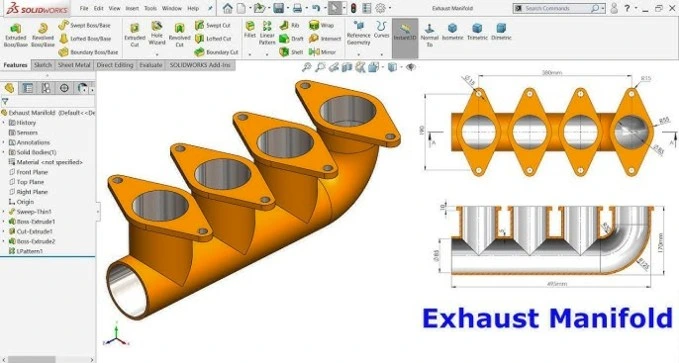
- In der Luft- und Raumfahrt glänzt Edelstahl 420 im Handwerk Abgaskrümmer, Laufräder, Rohrverbindungsstücke, und Ventilkörper, was die Zuverlässigkeit unter extremen Bedingungen gewährleistet.
- Medizinische Komponenten:
- Um den Bedürfnissen des Gesundheitswesens gerecht zu werden, wird Edelstahl 420 verwendet Medizinische Schrauben, Präzisionskomponenten, und Sensor-Stromversorgungsgehäuseund erfüllt strenge medizinische Standards.
- Kundenspezifische Konsumgüter:
- Die Präzisionsbearbeitung geht auf unterschiedliche Verbraucherbedürfnisse ein und erstreckt sich auch auf kundenspezifische Anforderungen Mountainbike und BMX Teile, dazu Anschweißscharniere, Scharnierhülsen, Klavierscharniere, und Kugelscharniere.
- Motorrad:
- Die Bearbeitung von 420-Edelstahl trägt dazu bei, die Leistung und Ästhetik des Motorrads zu steigern Kettenräder, Gabelbrücken, Billet-Räder, Hubs, Kühlerschutz, und Fußrasten.
- Anhänger:
- Die Bearbeitungsabdeckungen aus 420er Edelstahl gewährleisten die Robustheit des Anhängers Kupplungsreparatursätze, Federstiftverschlüsse, Bügelschellen, Kupplungen, Anhängerkupplungskugeln, Zapfenhaken, und Anhängerheber.
- Fahrrad:
- Die Präzisionsbearbeitung steigert das Fahrerlebnis Fahrradvorbauten, Kettenblätter, Fahrradnaben, Pedale, und Kurbelgarniturenund bietet Haltbarkeit und Leistung.
- Kart:
- Im Kartsport, 420er Edelstahlbearbeitungshandwerk Kettenräder, Unterlegscheiben, Abstandshalter, Radnaben, Lager, Lenkräder, und Felgenund sorgt so für Zuverlässigkeit und Präzision auf der Rennstrecke.