Überblick
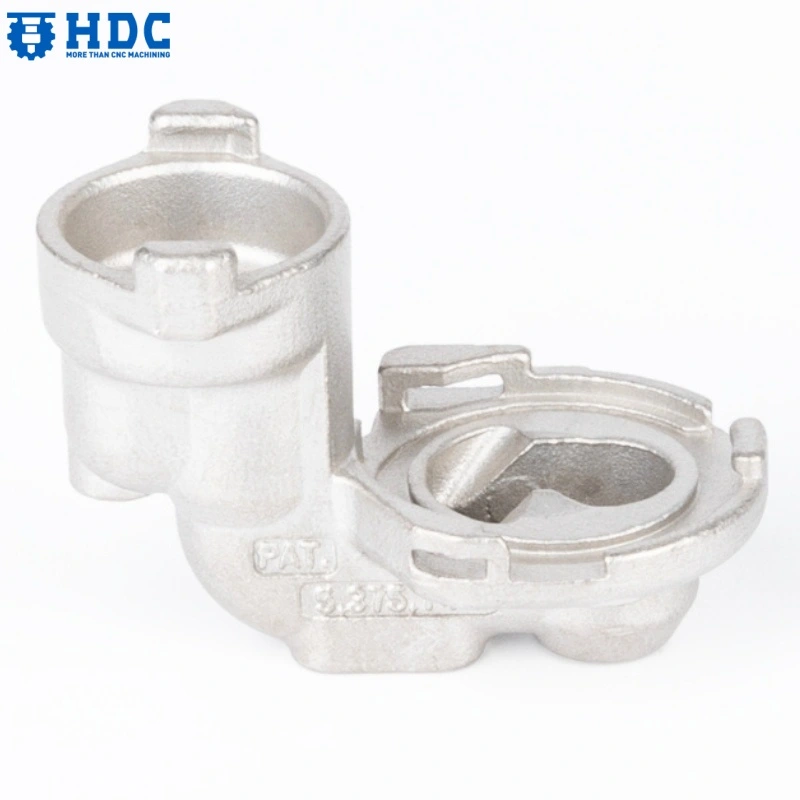
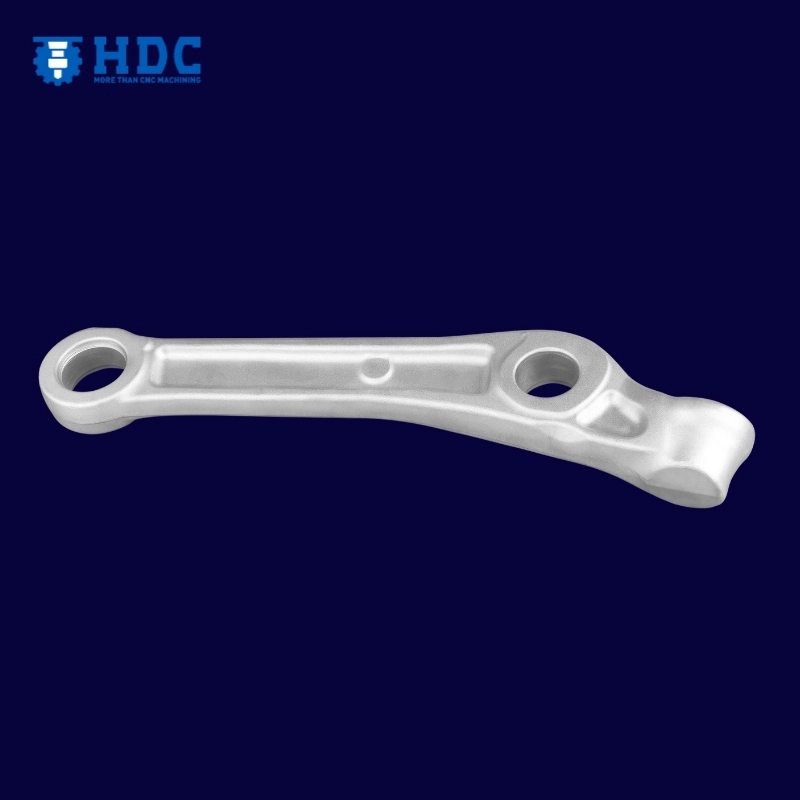
Willkommen bei HDC Manufacturing, Ihrem zuverlässigen Partner für personalisierte Metallkomponenten mit über zehn Jahren Erfahrung. Ausgestattet mit modernsten Produktionsanlagen, darunter fortschrittliche 4- und 5-Achs-Bearbeitungszentren, garantiert HDC Manufacturing höchste Präzision bis ins kleinste Detail. Unsere umfassende Expertise wird durch modernste Prüfgeräte, darunter Koordinatenmessmaschinen, ergänzt und ermöglicht uns eine Vielzahl von Bearbeitungsoptionen. CNC-Bearbeitung, Gießen, Schmieden, Laser schneiden, und Metall-Stanzen.
Begeben Sie sich auf unserer Themenseite auf eine Reise in die Welt der 4340-Stahlbearbeitung und entdecken Sie die einzigartigen Eigenschaften und Anwendungsbereiche dieses bemerkenswerten Werkstoffs. 4340-Stahl ist bekannt für seine herausragende Festigkeit, Zähigkeit und hohe Dauerfestigkeit und spielt daher in verschiedenen Branchen eine zentrale Rolle. HDC Manufacturing zeichnet sich durch seine Expertise in der 4340-Stahlbearbeitung aus und vereint fortschrittliche Technologie mit langjähriger Erfahrung. Unser unermüdliches Engagement für Qualität und Präzision macht uns zu einem zuverlässigen Partner für all Ihre individuellen Anforderungen an Metallteile.
Entdecken Sie die Vorteile von HDC Manufacturing – eine Verbindung von Innovation und handwerklicher Perfektion. Unsere Kompetenz und Erfahrung in der Bearbeitung von 4340-Stahl garantieren erstklassige Ergebnisse, präzise auf Ihre Anforderungen zugeschnitten.
Was ist 4340 Stahl?
Der hochfeste und zähe legierte Stahl 4340 ist bekannt für seine Härtbarkeit, Festigkeit und Zähigkeit. Er gehört zur Ni-Cr-Mo-Stahlfamilie und trägt die Bezeichnung 4340 gemäß den Standards des AISI (American Iron and Steel Institute) und der SAE (Society of Automotive Engineers). Der hohe Gehalt an Nickel, Chrom und Molybdän verleiht diesem Stahl seine hervorragenden mechanischen Eigenschaften. 4340-Stahl findet breite Anwendung in Bauteilen, die eine hohe Zugfestigkeit erfordern, wie beispielsweise in der Luft- und Raumfahrt, in bestimmten Automobilteilen oder bei Zahnrädern, Wellen und Strukturbauteilen. Durch Wärmebehandlung lassen sich unterschiedliche Härtegrade erzielen. Üblicherweise wird er vergütet geliefert, um seine Festigkeit und Zähigkeit zu erhöhen. Darüber hinaus zeichnet sich 4340-Stahl durch eine gute Dauerfestigkeit aus, die ihn besonders geeignet für anspruchsvolle Anwendungen unter zyklischer Belastung macht.
Was sind die Nachteile von 4340-Stahl?
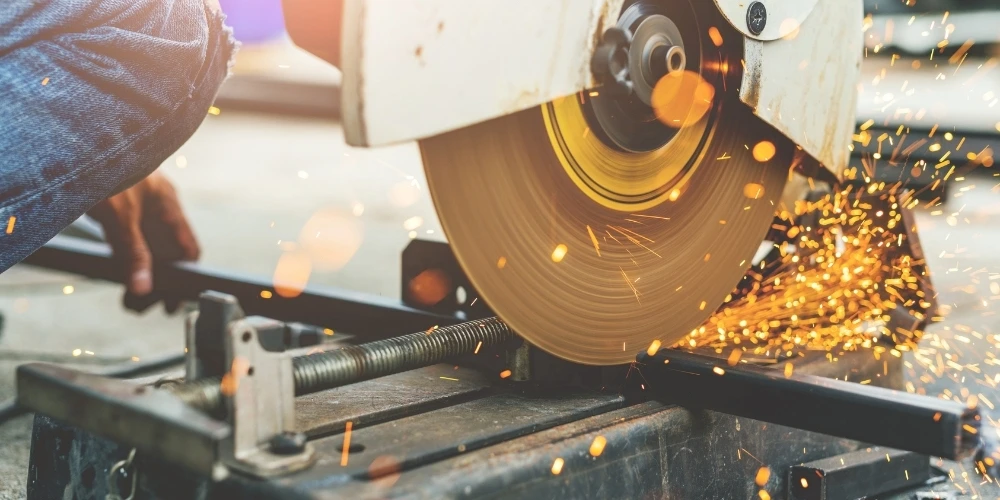
Der Stahl 4340 ist mechanisch fest und weist hervorragende Eigenschaften auf, hat aber auch einige Nachteile. Zuallererst erhöhen höhere Legierungsanteile, insbesondere von Nickel, Chrom und Molybdän, die Produktkosten, was sich in den Preisen niederschlägt und die Bezahlbarkeit beeinträchtigt. Darüber hinaus ist das Schweißen von 4340-Stahl schwierig, da er stark härtbar ist. Daher muss er vorgewärmt und nach dem Schweißen wärmebehandelt werden, um das Risiko von Rissen zu minimieren. Auch die Bearbeitung ist mit Problemen wie Werkzeugverschleiß und Bearbeitungsschwierigkeiten verbunden, hauptsächlich aufgrund der Legierungselemente. Dies erfordert eine sorgfältige Auswahl der Schnittparameter und Werkzeuge. Außerdem ist die Korrosionsbeständigkeit von 4340 nicht optimal, weshalb in korrosiven Umgebungen eine regelmäßige Wartung der lackierten Oberflächen notwendig ist, um Korrosion zu vermeiden. Dies sind einige der wichtigsten Merkmale, die bei der Beurteilung der Anwendbarkeit in verschiedenen Bereichen berücksichtigt werden müssen.
Nach welcher Spezifikation ist der Stahl 4340 benannt?
4340-Stahl ist nach dem Spezifikationssystem AISI (American Iron and Steel Institute) der SAE (Society of Automotive Engineers) benannt. In diesem System bezeichnet das Präfix „43“ einen Chrom-Molybdän-Stahl und die Zahlen „40“ geben den ungefähren Kohlenstoffgehalt in Hundertstel Prozent an. Daher bezeichnet 4340-Stahl einen Chrom-Molybdän-Stahl mit einem Kohlenstoffgehalt von etwa 0,40%. Diese Namenskonvention bietet eine standardisierte Möglichkeit, verschiedene Stahltypen anhand ihrer chemischen Zusammensetzung und mechanischen Eigenschaften zu klassifizieren und zu identifizieren.
Welche anderen Bezeichnungen gibt es für Stahl der Sorte 4340?
Der für seine hohe Festigkeit, Zähigkeit und Härtbarkeit geschätzte Stahl 4340 ist in der Praxis unter verschiedenen Bezeichnungen bekannt, die je nach lokalen Normen oder Branchenbezeichnungen variieren. Neben der Bezeichnung AISI 4340 wird er in der Automobil- und Maschinenbauindustrie auch unter Namen wie SAE 4340 geführt. In europäischen Ländern wird der Stahl gemäß der EN-Norm als 1.6565 bezeichnet. Diese alternativen Bezeichnungen dienen der Gruppierung und Kennzeichnung des Nickel-Chrom-Molybdän-Legierungsstahls, der hauptsächlich in der Luft- und Raumfahrt, der Automobilindustrie und im Maschinenbau zur Herstellung von Bauteilen mit außergewöhnlichen mechanischen Eigenschaften eingesetzt wird.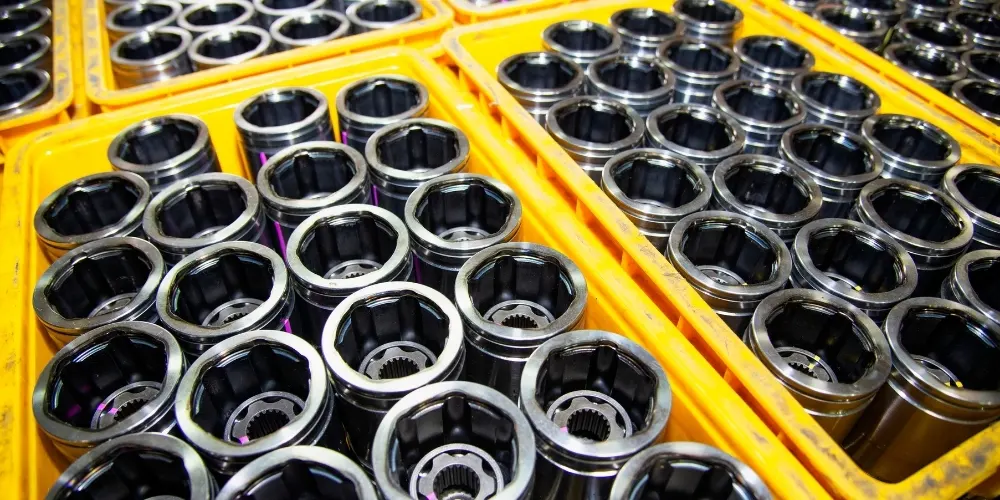
Chemische Zusammensetzung von Stahl 4340
4340-Stahl wird als niedriglegierter Stahl kategorisiert und zeichnet sich durch hohe Härtbarkeit, Festigkeit, Zähigkeit, Ermüdungsbeständigkeit und Kriechfestigkeit ähnlich aus 4140 Stahl. Es wird typischerweise für Maschinenkomponenten in Industriebereichen verwendet, die im Vergleich zu 4140-Stahl eine höhere Zugfestigkeit erfordern, wie z. B. Spindeln, Zahnräder, Stifte, Kupplungen und mehr.
| Komponente | Wt.% |
| Kohlenstoff (C) | 0,37 – 0,43 |
| Eisen (Fe) | 95.195 – 96.33 |
| Chrom (Cr) | 0,70 – 0,90 |
| Mangan (Mn) | 0,60 – 0,80 |
| Molybdän (Mo) | 0,20 – 0,30 |
| Nickel (Ni) | 1,65 – 2,0 |
| Phosphor (P) | 0,0 – 0,035 |
| Silizium (Si) | 0,15 – 0,30 |
| Schwefel (S) | 0,0 – 0,04 |
Der Einfluss der Elementzusammensetzung auf die Leistung von 4340-Stahl
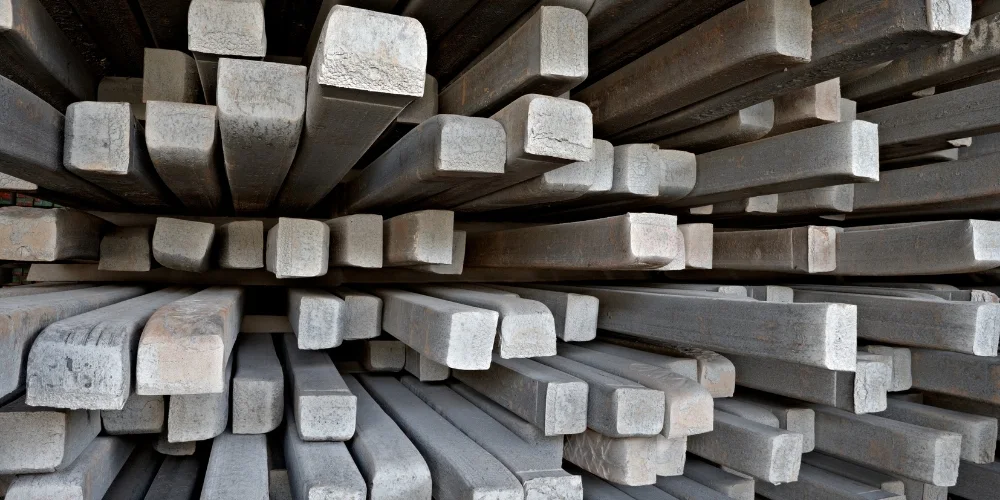
Die Leistungsfähigkeit von 4340-Stahl wird maßgeblich durch seine Elementzusammensetzung bestimmt. Chrom verbessert die Härtbarkeit und Korrosionsbeständigkeit, während Molybdän für Festigkeit und Hochtemperaturbeständigkeit sorgt. Nickel wirkt als Kornfeinungsmittel und trägt durch die Bildung stabiler Mikrostrukturen beim Abschrecken zur Verbesserung der Zähigkeit und Schlagfestigkeit des Materials bei. Der Kohlenstoffgehalt beeinflusst ebenfalls Härte und Festigkeit und muss daher für ein ausgewogenes Verhältnis der Eigenschaften sorgfältig gesteuert werden. Mangan härtet das Material und fördert die Bildung gleichmäßiger Körner, was wiederum die Zähigkeit erhöht. Silizium dient der Desoxidation und Kornfeinung und erhöht gleichzeitig Festigkeit und Oxidationsbeständigkeit. Diese Elemente insgesamt optimieren die Eigenschaften von 4340-Stahl so, dass er sich für vielfältige Anwendungen in der Luft- und Raumfahrt, der Automobilindustrie und im Maschinenbau eignet.
Mechanische Eigenschaften von Stahl 4340
| Mechanische Eigenschaften | Metrisch | Englisch |
| Ultimative Zugfestigkeit | 1282 MPa | 185900psi |
| Zugfestigkeit | 862 MPa | 125000psi |
| Bruchdehnung | 12.2 % | 12.2 % |
| Verringerung der Fläche | 36.3 % | 36.3 % |
| Härte, Brinell | 363 | 363 |
| Härte, Knoop | 392 | 392 |
| Härte, Rockwell B | 100 | 100 |
| Härte, Rockwell C | 40 | 40 |
| Härte, Vickers | 384 | 384 |
| Elastizitätsmodul | 200 GPa | 29000ksi |
| Massenmodul | 159 GPa | 23100 ksi |
| Schermodul | 78,0 GPa | 11300 ksi |
| Poissons-Verhältnis | 0.29 | 0.29 |
| Bearbeitbarkeit | 50 % | 50 % |
Physikalische Eigenschaften von Stahl 4340
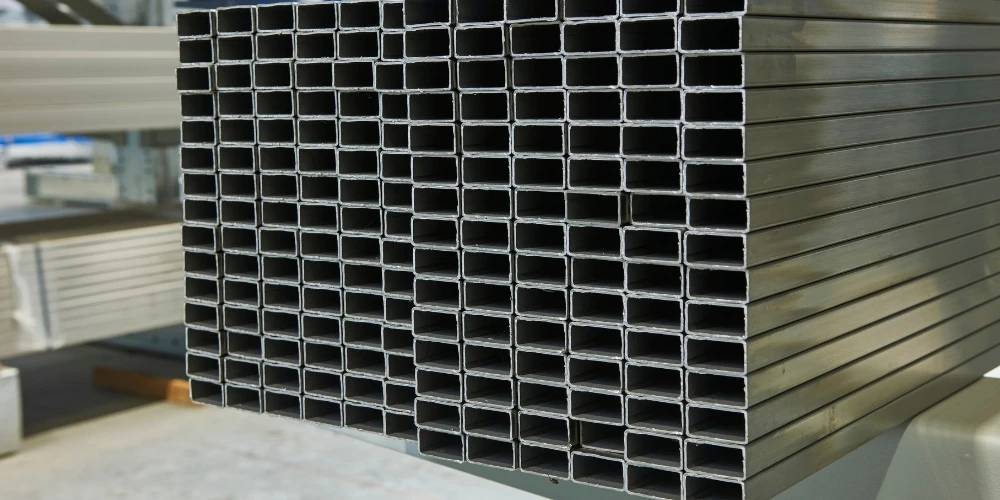
| Physikalische Eigenschaften | Metrisch | Englisch | Kommentare |
| Dichte | 7,85 g/cm³ | 0,284 Pfund/Zoll² | |
| Elektrische Eigenschaften | |||
| Elektrischer widerstand | 0,0000248 Ohm-cm | 0,0000248 Ohm-cm | Temperatur 20 °C |
| 0,0000298 Ohm-cm | 0,0000298 Ohm-cm | Temperatur 100 °C | |
| 0,0000552 Ohm-cm | 0,0000552 Ohm-cm | Temperatur 400 °C | |
| 0,0000797 Ohm-cm | 0,0000797 Ohm-cm | Temperatur 600 °C | |
| Thermische Eigenschaften | |||
| Spezifische Wärmekapazität | 0,475 J/g-°C | 0,114 BTU/lb-°F | Typischer Stahl der Serie 4000 |
| Wärmeleitfähigkeit | 44,5 W/mK | 309 BTU-Zoll/h-ft²-°F | Typisch Stahl |
Äquivalente Werkstoffe für Stahl 4340
| EU | DE | 34CrNiMo6 (1.6582) | ||
| Vereinigte Staaten von Amerika | – | 4340 | ||
| Deutschland | DIN,WNr | 34CrNiMo6 GS-34CrNiMo6V | ||
| Japan | JIS | SNCM447 | ||
| Frankreich | AFNOR | 35NCD6 | ||
| England | BS | 817M40 | ||
| Italien | UNI | 35CrNiMo6 35NiCrMo6KB | ||
| China | GB | 34CrNi3Mo 34CrNiMo ZG34CrNiMo | ||
| Schweden | SS | 2541 | ||
| Polen | PN | 34HNM | ||
| Tschechien | CSN | 16342 16343 16444 | ||
| Russland | GOST | 36KH2N2MFA 38KH2N2MA 40KHN2MA | ||
| Inter | ISO | 36CrNiMo6 | ||
Welche Herausforderungen bestehen bei der Verarbeitung von Stahl der Sorte 4340?
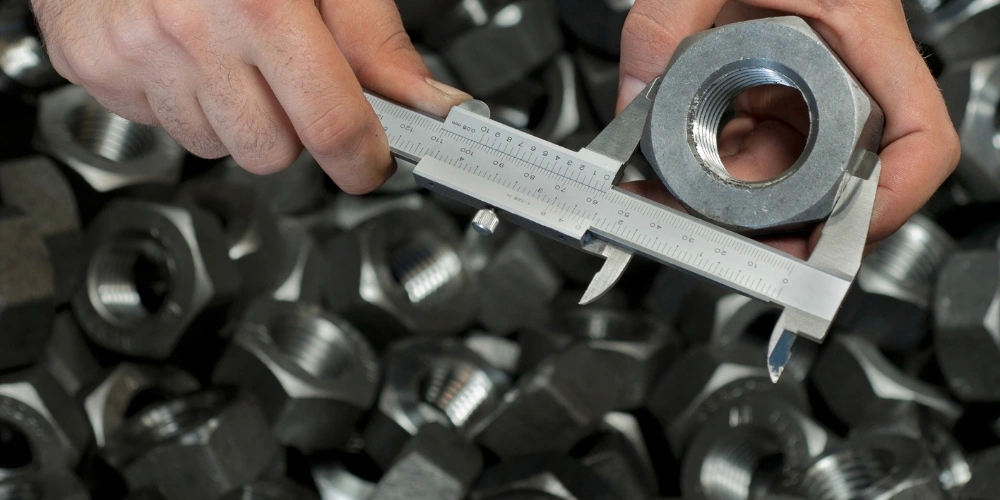
Die Bearbeitung von 4340-Stahl ist aufgrund seiner Härtbarkeit durch Legierungselemente anspruchsvoll. Die Zerspanbarkeit stellt ein weiteres Problem dar, insbesondere im gehärteten Zustand, da die Legierungselemente den Werkzeugverschleiß und die Schnittkraft erhöhen. Schweißen ist aufgrund der Rissgefahr schwierig und erfordert daher eine Vorwärmung, eine Wärmebehandlung nach dem Schweißen sowie die genaue Einhaltung der Parameter. Die Wärmebehandlung muss präzise gesteuert werden, um Verzug zu vermeiden und die gewünschten Eigenschaften zu erzielen. Verzug ist während der Bearbeitung üblich und zu erwarten, weshalb Hersteller zusätzliche Vorrichtungen und Spannungsentlastungsmaßnahmen einsetzen müssen. Trotz dieser Schwierigkeiten können mit ausgefeilten Techniken und sorgfältiger Überwachung hochwertige und passgenaue Bauteile mit den einzigartigen mechanischen Eigenschaften von 4340-Stahl hergestellt werden.
Anwendungen von 4340-Stahl
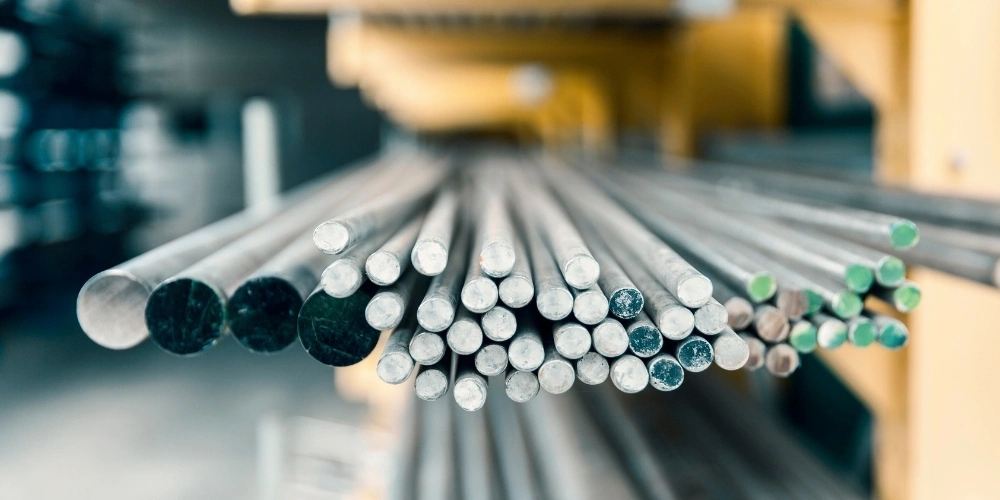
Automobil:
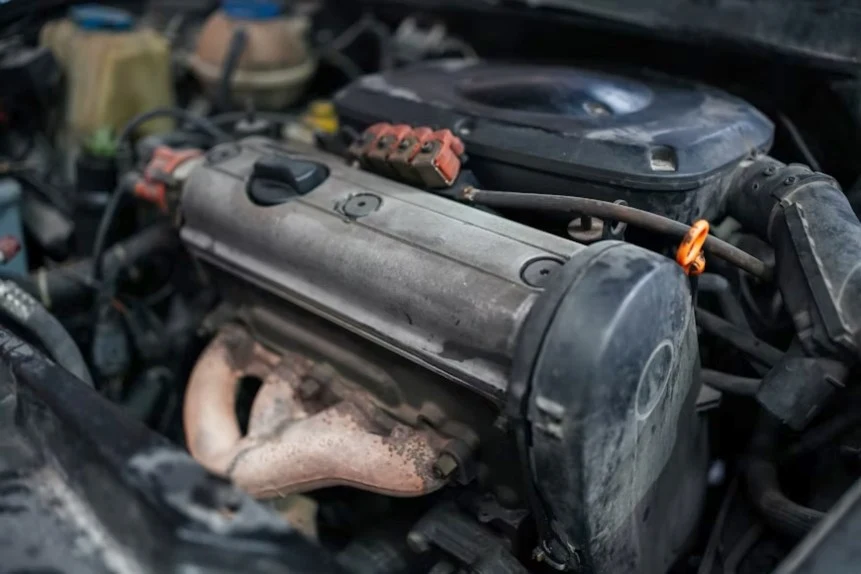
- 4340-Stahl verbessert Automobilkomponenten wie Spurverbreiterungen, Adapter, Ventildeckel, und Ölmessstäbe, um Haltbarkeit und optimale Leistung zu gewährleisten.
Luft- und Raumfahrt:
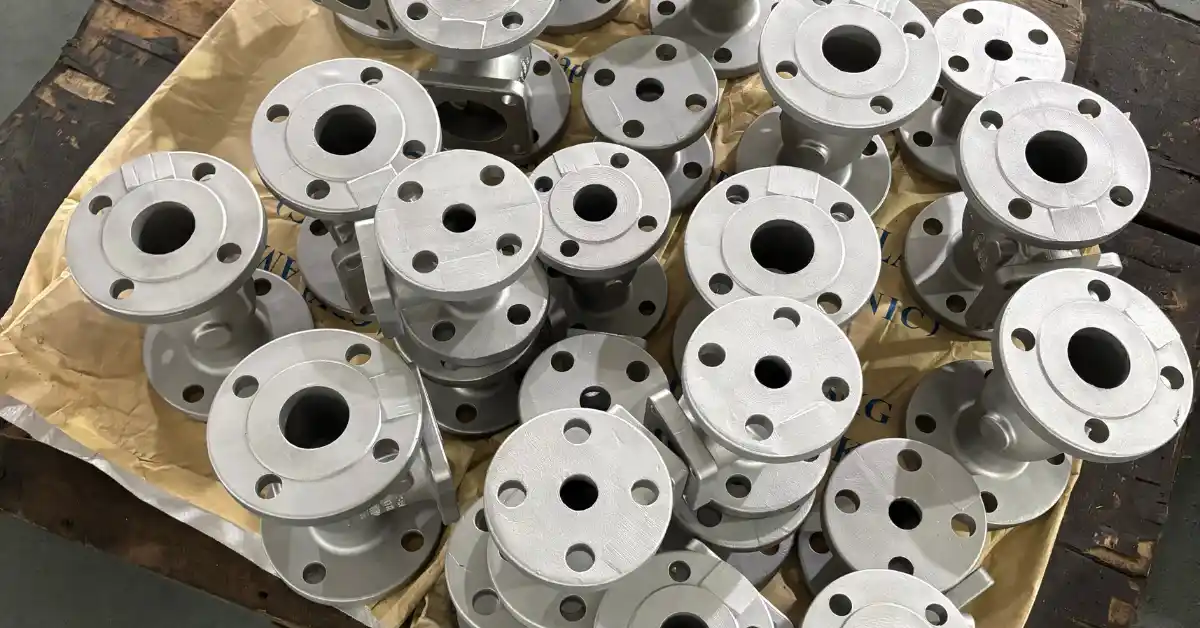
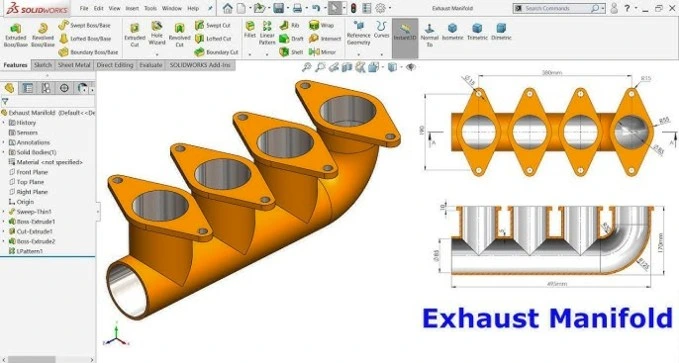
- In der Luft- und Raumfahrt ist 4340-Stahl von entscheidender Bedeutung Auspuffkrümmer, Laufräder, Rohrverbindungsstücke, und Ventilkörper, sorgt für Stabilität bei anspruchsvollen Flugbedingungen.
Medizinische Komponenten:
- 4340-Stahl ist für seine Präzision bekannt und wird in der Medizin eingesetzt Präzisionskomponenten und Sensor-Stromversorgungsgehäuse, um die Genauigkeit von Gesundheitsgeräten sicherzustellen.
Kundenspezifische Produkte:
- Vielseitiger 4340-Stahl ist ideal für kundenspezifische Produkte wie Klavierscharniere, Kugelscharniere, und individuelle BMX-Teile, bietet Stärke und Flexibilität.
Motorrad:
- 4340-Stahl trägt zur Festigkeit und Widerstandsfähigkeit von Motorradkomponenten bei Kettenräder, Räder, Kühlerschutz, und Fußrasten.
Anhänger:
- Robuster 4340-Stahl ist für Anhänger, die in verwendet werden, unerlässlich Koppler, Kupplungskugeln, Zapfenhaken, Anhängerheber, und Rampen für Zuverlässigkeit und Sicherheit.
Fahrrad:
- Wird in Fahrradkomponenten wie z Stiele, Kettenblätter, Hubs, Pedale, und Kurbelgarnituren4340-Stahl sorgt für Festigkeit und Haltbarkeit.
Kart:
- 4340-Stahl spielt eine wichtige Rolle in Kart-Komponenten, darunter Kettenräder, Unterlegscheiben, Abstandshalter, Lager, Lenkräder, und Felges, die eine hohe Leistung gewährleisten.