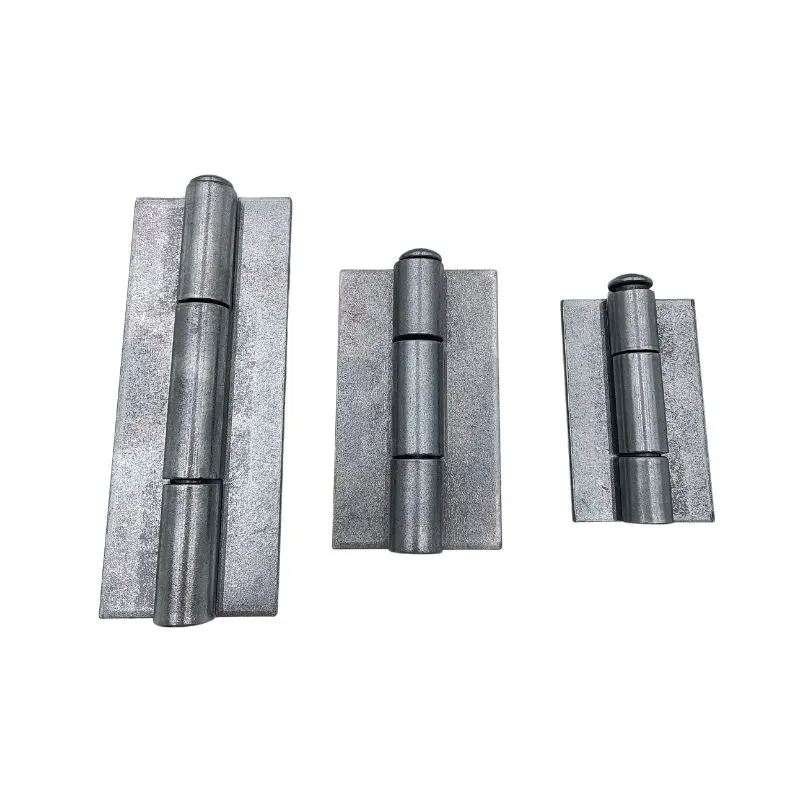
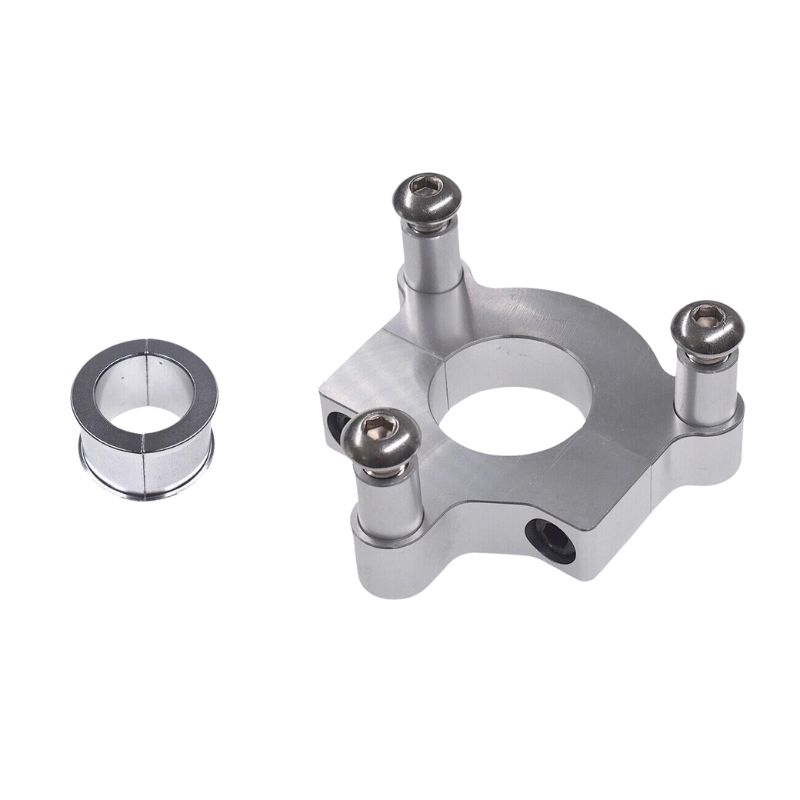
Tauchen Sie ein in die Welt der CNC-Bearbeitung von Metallkomponenten. Dieser Leitfaden behandelt alles von Metallarten und ihren Anwendungen bis hin zu den Kostenfaktoren und Qualitätskontrollmaßnahmen, die für die Präzision der gefertigten Teile entscheidend sind.
Arten von Teilen, die CNC-Maschinen herstellen können
Wie der Name schon sagt, verwendet die CNC-Maschine, kurz für Computer Numerical Control, Instrumente, die von einem Computer angeordnet werden, um eine Reihe von Komponenten zu erzeugen. Sie sind sorgfältig hergestellt und personalisiert sowie fabelhaft fehlerfrei.
Interessieren Sie sich für die Teile, die durch CNC-Bearbeitung hergestellt werden können?
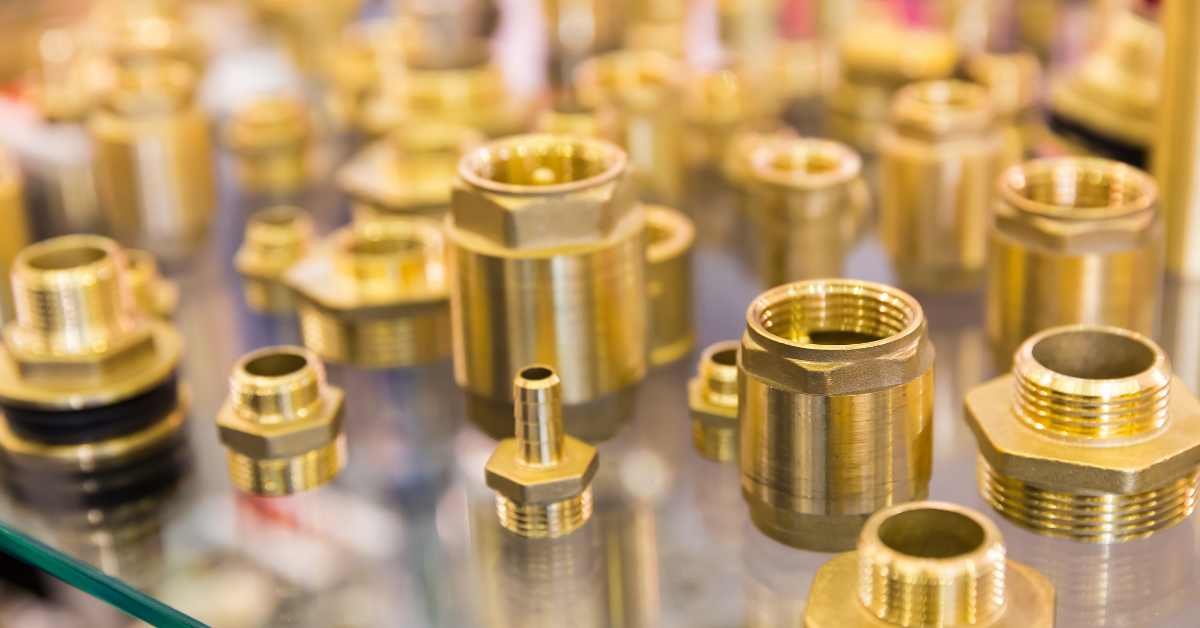
- Beschläge
- Gehäuse
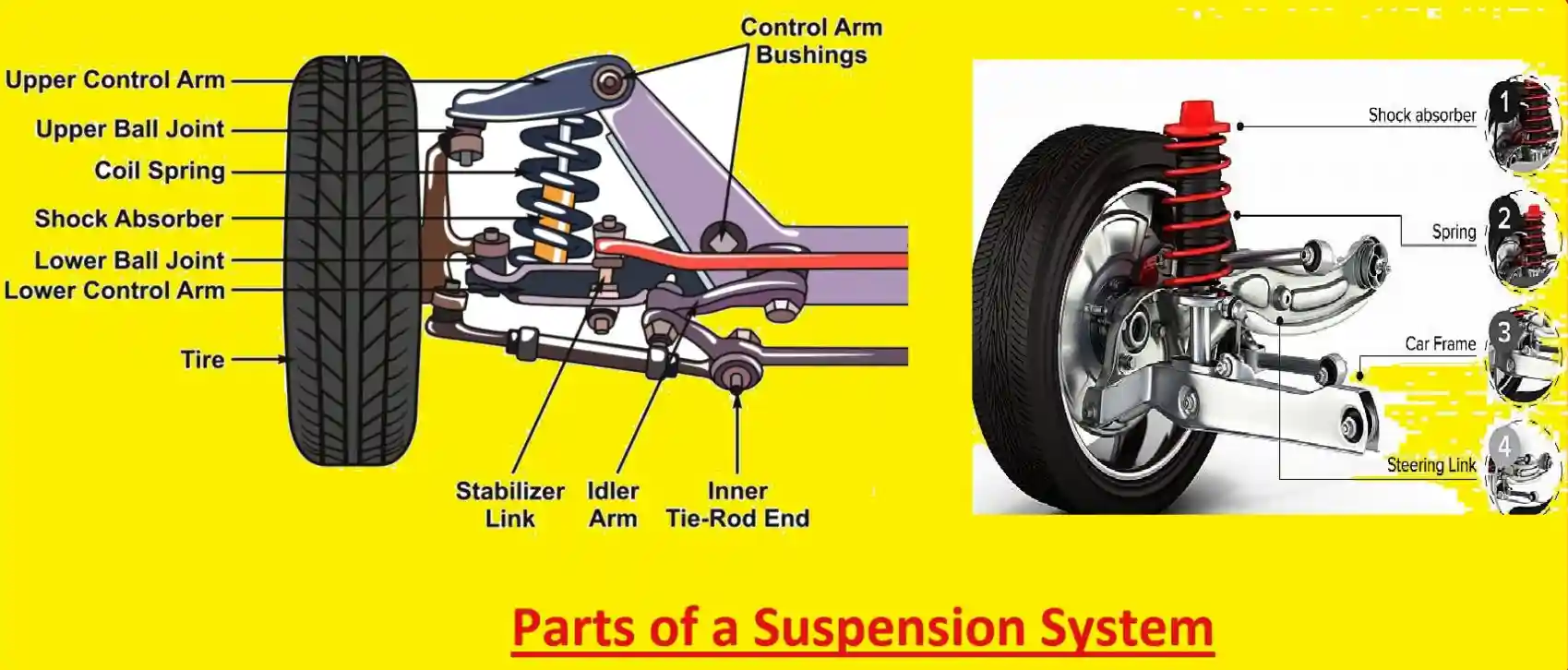
- Kugelgelenke
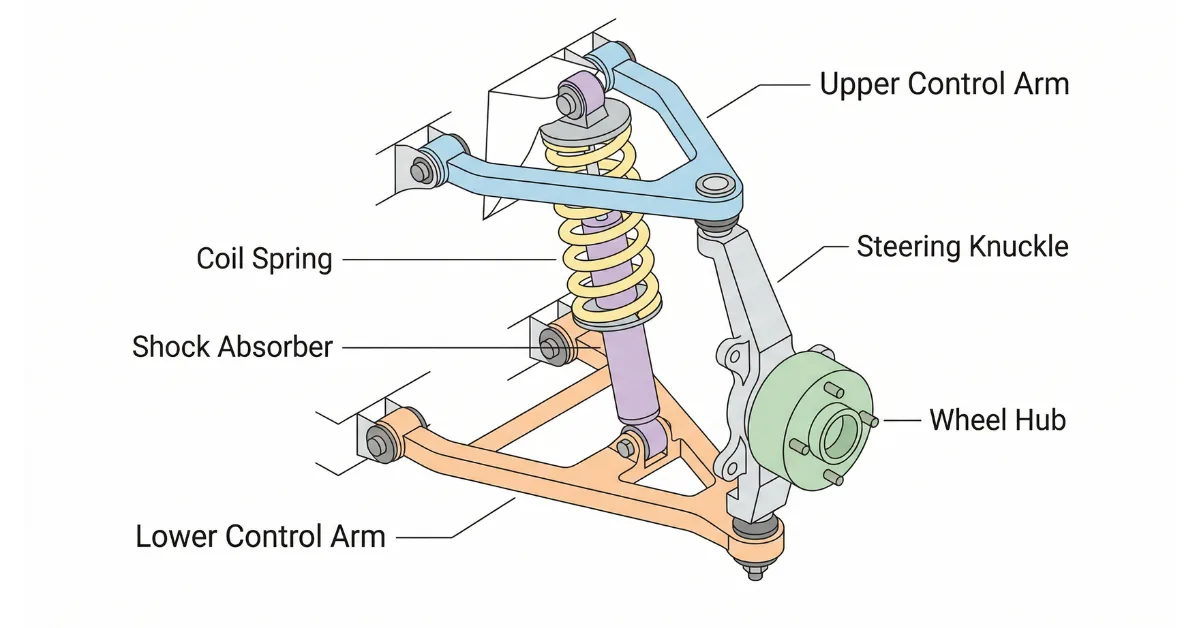
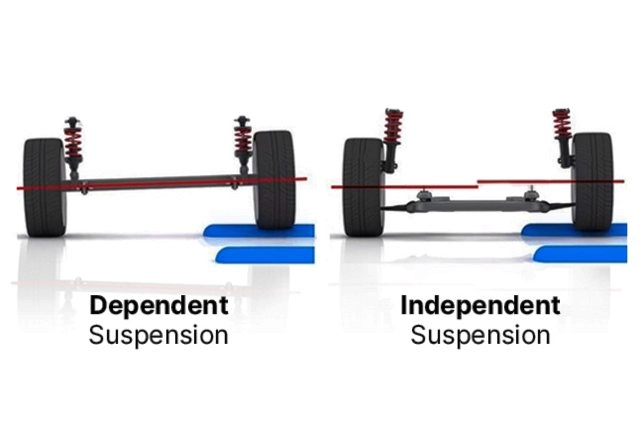
- Aufhängungsarme
- Klammern
- Rollen
- Abstandshalter
- Ventile usw.,
Angewandte Industrie für CNC-Metallteile
Applications of CNC metal parts are huge and wide ranging from the aerospace, automotive to medical devices, electronics industry even across oil & gas manufactures products defense instrument super communication mixed energy constructing water vehicles consumer resources as well guy food manufacturing mining environmental connected ongoing lines. CNC, precision machined metal parts play essential functions across various industries such as aircraft and medical devices to motor vehicles electronics apsemblers anf heavy machinery because of their accuracy flexibility toughness many among others.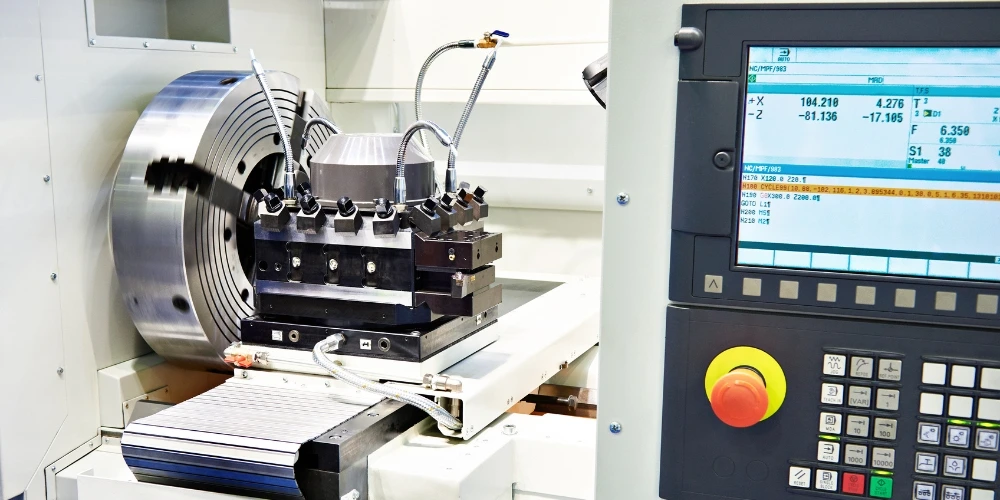
Kosten für den Einsatz einer CNC-Maschine für ein Metallmaterial
Welches Material Sie auch verwenden, es wirkt sich immer auf die Kosten aus. Einige der herausragenden Metallmaterialien sind Aluminium 6061, Edelstahl 304 und Aluminium 7075, die kosten:
- Aluminium 6061– $25
- Aluminium 7075– $80
- Edelstahl 304– $90
Beachten Sie, dass die oben angegebenen Preise pro Block angegeben sind. Abgesehen von den Materialien sind wir uns alle bewusst, dass die Kosten auch je nach Anzahl der Äxte, Oberflächen, Design und Arbeitsaufwand variieren können.
CNC-Maschine kann für Metalle verwendet werden
Eine CNC-Maschine kann ein Metall wirklich schneiden und würfeln, sie ist bekannt für ihre außergewöhnliche Präzision und Genauigkeit. Die CNC-Bearbeitung kann je nach bestimmten Metallmaterialien und ihrer Zähigkeit und Steifigkeit verschiedene Ergebnisse und Oberflächen entwickeln.
Viele Dinge um uns herum sind Metalle, die mit einer CNC-Maschine hergestellt werden. Beispielsweise wird Aluminium zur Herstellung von Autoteilen und anderen Sportgeräten verwendet. Edelstahl für Utensilien, Zahnräder, Muttern und Kochzubehör. Messing ist ein großartiges Material bei der Herstellung von Lebensmittelbehältern.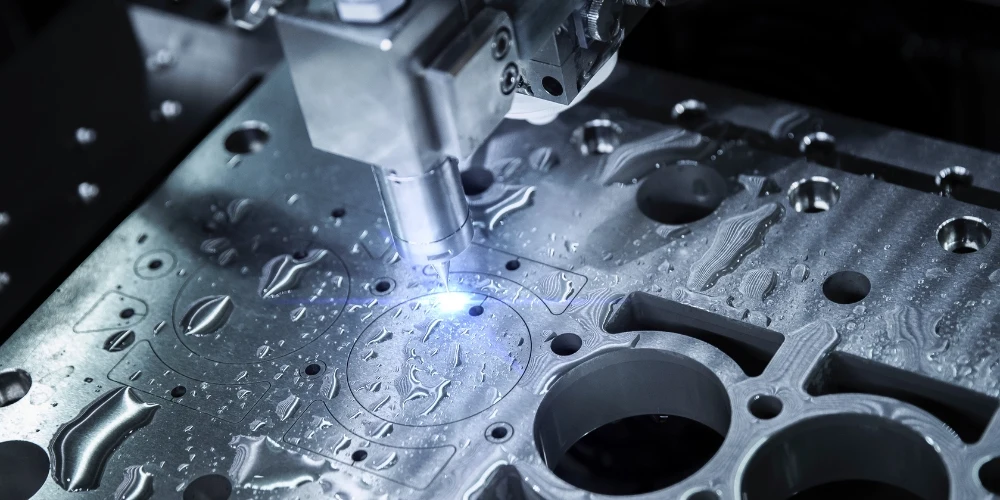
Arten von Metallen, die in CNC verwendet werden können
It is no secret that CNC machining is widely used and one of the most popular methods to produce parts for every industry in the present day. There are numerous metal materials that can be used in CNC machines. Let us have a look at the list of some common metal materials that are machined by the CNC:
- Aluminium – die Sorten 6061 und 7075 sind die beliebtesten.
- Stahl – dieser hat 303,304, 316L, 410 und 416 die häufig mit CNC verwendet werden.
- Messing – C3604 und C3602 haben hervorragende Bearbeitbarkeit und mechanische Eigenschaften.
- Kupfer wird zur Bearbeitung elektronischer Instrumente verwendet.
- Titan ist das bekannteste Material für biomedizinische Anwendungen.
Verfügbare Oberflächenveredelungen und Beschichtungen für CNC-Metallteile
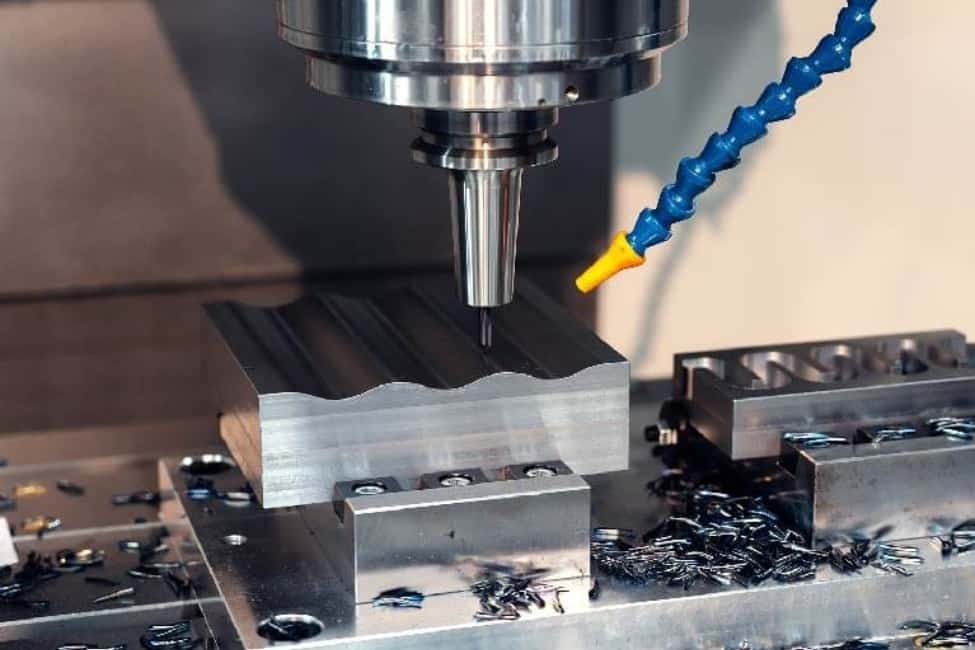
CNC metal parts can be beautified with different surface finishes and coatings like anodizing for the aluminum, powdering paint: a combination of aesthetic texturing that also provides basic protection. On-site plating such as chrome nickel state or zinc is used for decorative corrosion and resistance, having fabricated stainless passivated to polishing blue chemical film br Besides, coatings such as ceramic plates or Teflon materials to PVD and CCD can improve the performance of processes in addition light etching for branding proofs that are permanent plus electropolishing surface improvement. The decision made regarding fitting collaborates with material, utilization intention required and designed looks that meet specific standards as well requirements for the CNC metal parts.
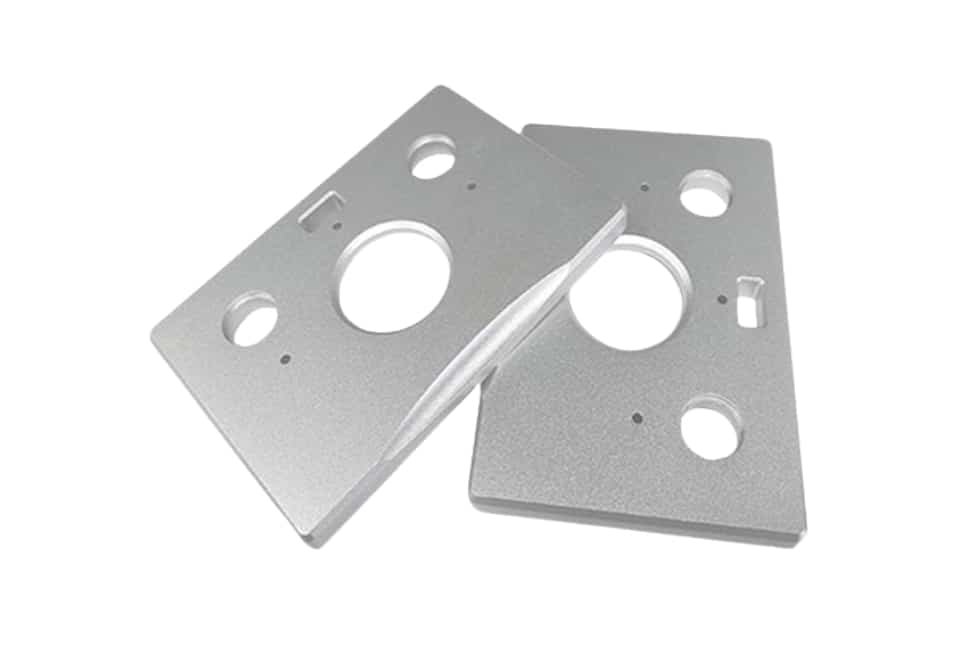
Die CNC-Bearbeitung ermöglicht komplizierte Designs für Metallkomponenten
Intricate designs for metal components are efficiently adapted to CNC machining. Its high precision and cutting capacity enable the precise creation of various geometrical shapes, shape details as well as patterns on metallic materials. With a correctly programmed toolpath that is easy to follow, CNC machines are capable of executing even the most complex designs with relative ease. This function renders CNC machining a perfect option for fields of use like the aviation, automobile, medical equipment and electromechanical products that involve complex configuration fitted with submicron accuracy. Whether it is the manufacture of intricate prototypes or, more complex production parts, CNC machine tools provide both high precision and the ability to adjust tool cutting speeds in order to bring designs for complex metal components into reality.
Qualitätskontrollmaßnahmen zur Gewährleistung von Präzision und Genauigkeit bei CNC-Metallteilen
The quality control process for CNC metal parts entails the use of sophisticated inspection equipment such as optical comparators, and regular in-process checks to verify dimensional accuracy through periodic first article certification. The use of such quality assurance tools as tool calibration, statistical process control and material verification eliminates inconsistency. In an attempt to acquire surface quality and defects, visual checks as well as surface finish inspections are undertaken. Special emphasis must be put on tight tolerances, and full traceability is established through detailed documentation. While the former is a feedback loop between quality control and machine operators that addresses issues as they arise, root cause analysis not only reveals defects to work on with continuous improvement upholding overall precision and accuracy in CNC metal part manufacture, maintaining design specifications standards.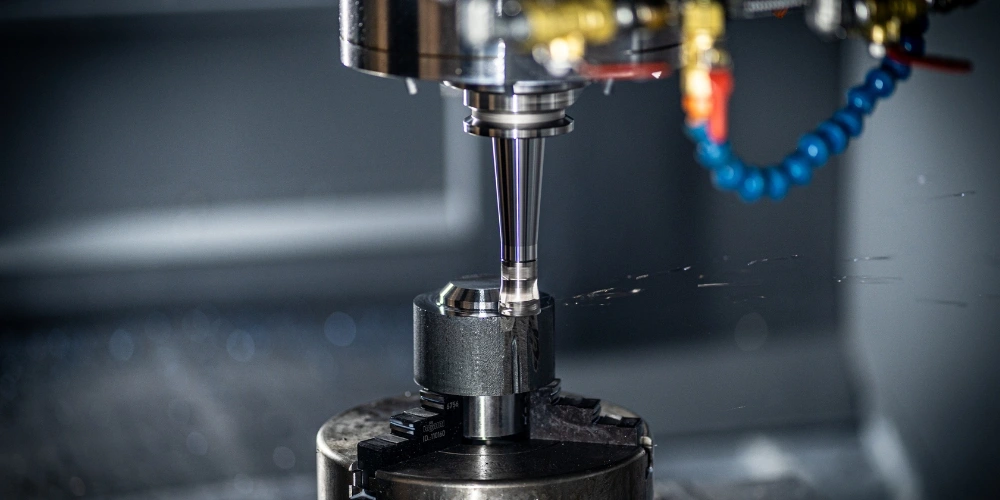
Kostenfaktoren im Zusammenhang mit der CNC-Bearbeitung von Metallkomponenten
Issues relating cost in CNC machining for metal components include material costs, efforts made to control wastages, setting up of the machine tools and equipment thereby creating tooling expenses among other factors that correspond with labor inputs into work stations along these lines which also increase as machines gain time both in operations besides quality demands related thereto concerning surface finishes together with resources invested upon controls exercised upon These elements of cost control include material selection, effective programming and economizing on the waste generation while complex designs together with tight tolerances tend to enhance expenses. Striking a balance in the foregoing elements is vital for ensuring cost-effective CNC machining projects, which guarantee quality even as production costs are kept under check.
Leitfaden für kundenspezifische CNC-Metallteile von Herstellern
In ordering custom CNC metal parts from the manufacturers, there should be a clear specification defining material type and tolerances. Coordinate with the supplier to choose an appropriate metal substrate and request prototypes if available. Make sure that the manufacturer observes strict quality measures and certifications, along with surface finishes … It is crucial to provide transparent communication and documentation throughout the project process.
Remember that the volume of production, cost estimates and post-production services should be taken into consideration as well costs may have to be negotiated with payment terms too. Besides, ask about the manufacturer’s quality control processes and request copies of any information related to guarantees or warranties. If you obey the above rules and keep in touch with your manufacturing partner, it is possible to establish a fruitful collaboration that will ensure accurate custom assemblies of CNC metal components specific to your project.
Fazit
Zusammenfassend lässt sich sagen, dass die CNC-Bearbeitung eine wichtige Technologie mit einem breiten Anwendungsspektrum in verschiedenen Branchen ist und die Möglichkeit bietet, präzise und komplexe Metallkomponenten herzustellen. Es spielt eine entscheidende Rolle in der modernen Fertigung und ermöglicht individuelle Anpassung und Genauigkeit. Obwohl es zahlreiche Vorteile bietet, einschließlich der Möglichkeit, mit verschiedenen Metallen und komplizierten Designs zu arbeiten, ist es wichtig, Kostenfaktoren zu berücksichtigen und effektiv mit Herstellern zusammenzuarbeiten, um erfolgreiche Projekte und präzise kundenspezifische Baugruppen sicherzustellen.