sales@hdcmfg.com
+86 150 5221 8226
+86 150 5221 8226

HDCMFG

Close Die Forging Explained

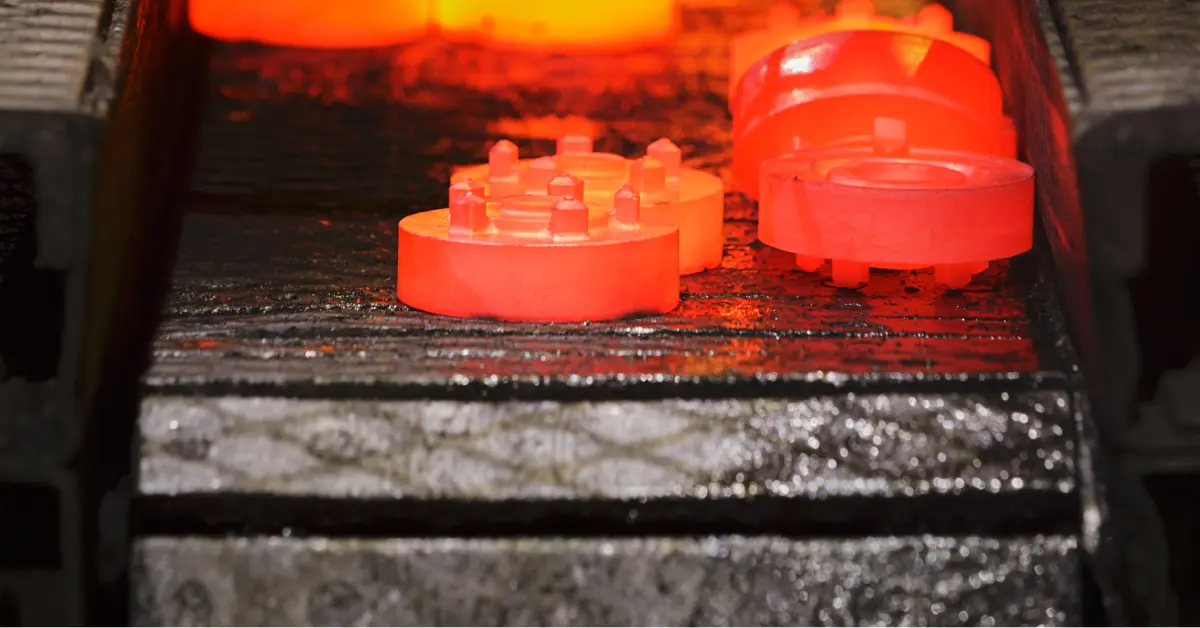
close die forging in process

Closed die forging is the backbone of high-stress component manufacturing. Unlike simple machining or casting, this process forces metal into complex die cavities, creating a continuous grain flow that resists fatigue and cyclic loads. From the critical role of ‘flash’ to the precision of hydraulic presses, discover why engineers trust closed die forging for the world’s most demanding industrial applications.

Close Die Forging Explained Read More »

Casting Material

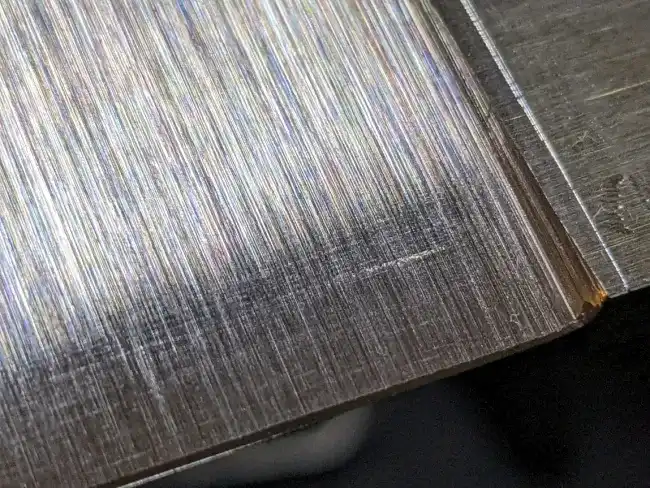
casting process of jewelry

Want to create your own glittering jewelry, modern home decor, or adorable miniatures? The secret lies in the art of casting. This comprehensive 2026 guide breaks down everything a beginner needs to know—from comparing different materials like resin and plaster to a foolproof step-by-step home setup. Dive in and turn your liquid ideas into solid masterpieces!

Casting Material Read More »

What is Rolling Forging

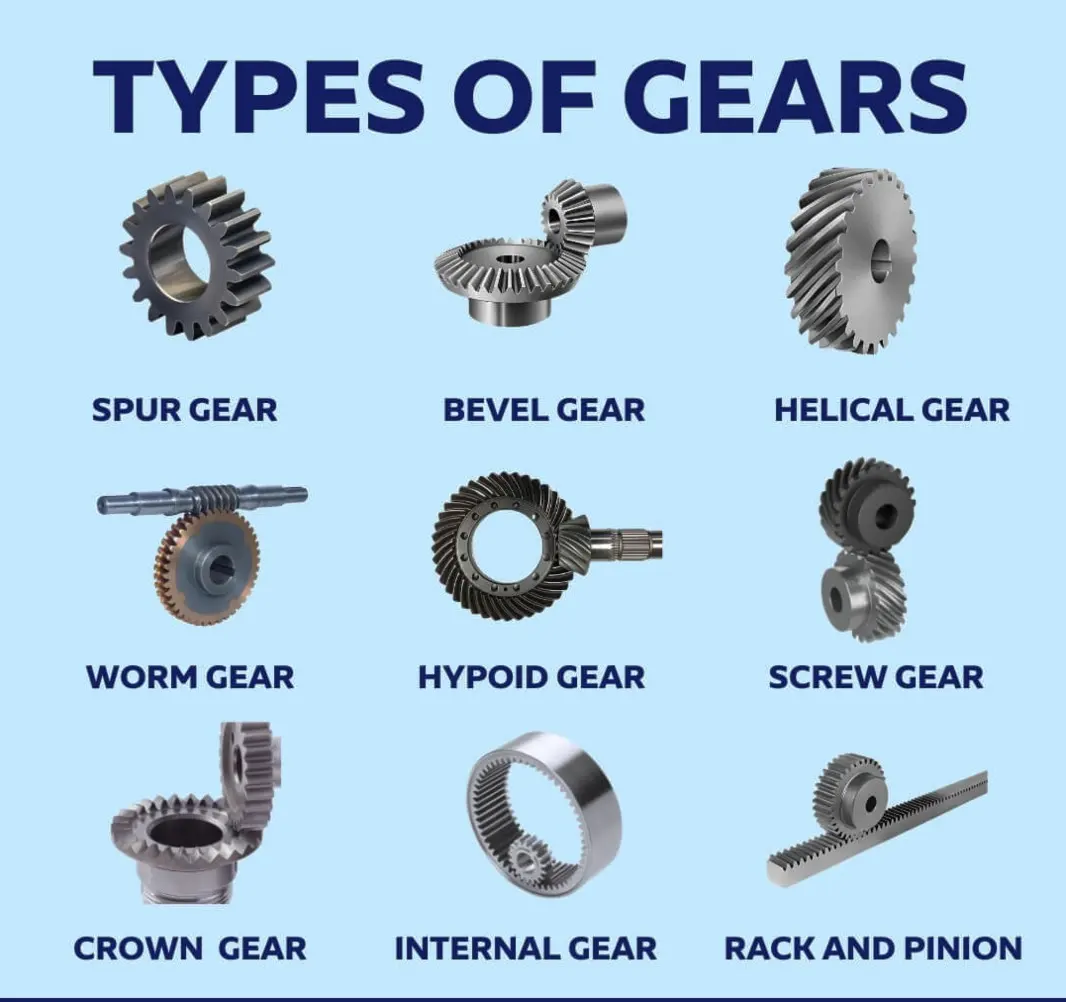
rolling forging shaft

As manufacturing evolves toward sustainability and precision, rolling forging has emerged as the most effective metal process of 2026. By combining rapid production speeds with reduced material waste and enhanced structural integrity, this method is revolutionizing how we create high-performance shafts, gears, and axles. Read on to master the step-by-step process and its strategic advantages.

What is Rolling Forging Read More »

Forging vs Billet

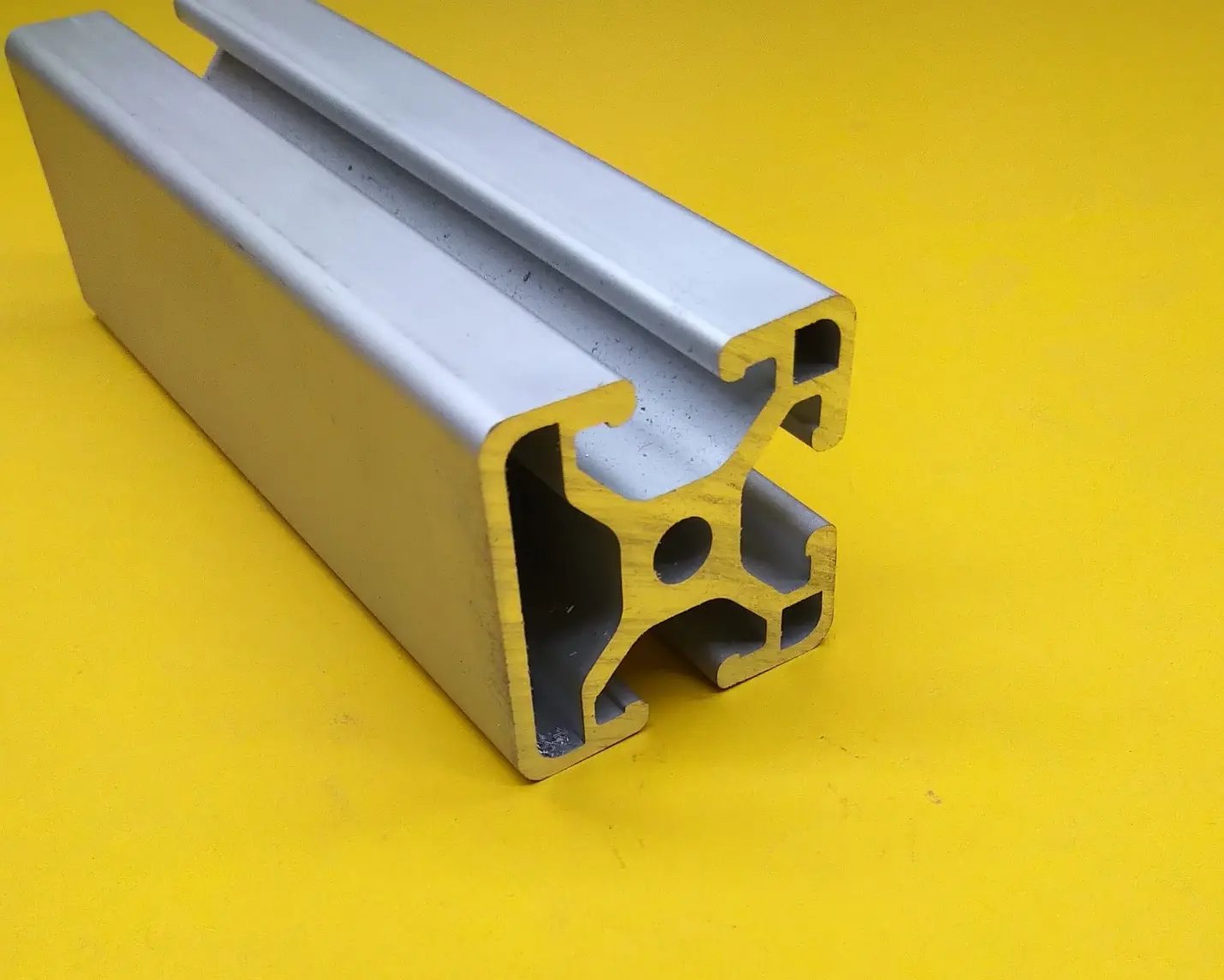
forging vs billet

Choosing between forging and billet in 2026 involves more than just comparing strength; it’s about balancing grain structure integrity with design flexibility and long-term ROI. From high-stress aerospace components to precision custom automotive parts, we break down the performance, cost, and durability metrics you need to optimize your production strategy.

Forging vs Billet Read More »

Scroll to Top