sales@hdcmfg.com
+86 150 5221 8226
+86 150 5221 8226

HDCMFG

Cores in Casting

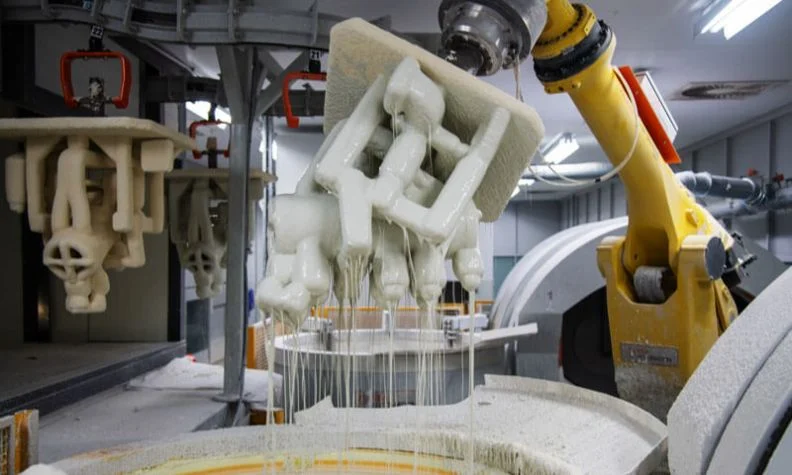
turbine housing wax pattern with ceramic cores

In casting, cores are internal forms that are fitted into a mold to form hollow areas on metal parts during the casting process. When the molten metal is poured into the mold, the core blocks out some areas so that internal cavities, holes or complex passages are formed. Once the metal has solidified, the core […]

Cores in Casting Read More »

Die Casting vs Sand Casting

die casting vs sand casting

When you begin to investigate metal manufacturing, you soon come across two typical processes: die casting and sand casting. Initially, they may seem to be the same. After all, the two are similar in the sense that they both involve pouring molten metal into a mold. But when you begin to study more closely, the

Die Casting vs Sand Casting Read More »

Gravity Die Casting

gravity die casting process

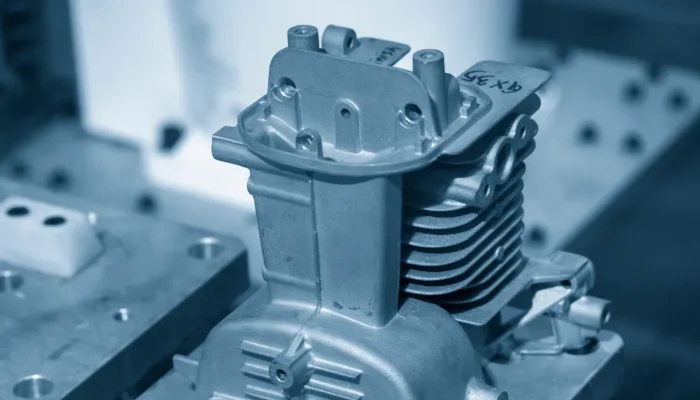
Gravity die casting is a metal casting method in which the molten metal is directed to fill a reusable metal mold, using the force of gravity alone and no external pressure. The process yields powerful, precise and finely finished metal components and this is the reason why automotive, aerospace, and machinery industries are using it

Gravity Die Casting Read More »

Heat Treatment of Steel

heat treatment tempering

Heat treatment of steel is one of the most important decisions behind the final performance of a part. It affects hardness, strength, toughness, wear resistance, dimensional stability, machinability, and fatigue behavior. For a buyer, that means the steel grade alone is never the full story. Two parts made from the same steel can perform very

Heat Treatment of Steel Read More »

Heat Treatment of Aluminum

t4 temper vs t6 temper

Heat treatment of aluminum is often treated as a material note on the drawing, but for buyers it is really a performance decision. It affects strength, hardness, ductility, dimensional stability, corrosion behavior, and machinability. Two parts made from the same aluminum alloy can behave very differently if one is delivered in an annealed or as-fabricated

Heat Treatment of Aluminum Read More »

Casting Porosity

casting defects porosity

Porosity is one of the most common reasons a casting that looks acceptable at first becomes expensive later. It may show up as a cosmetic defect, but more often it becomes a machining problem, a leak problem, a fatigue problem, or a quality-acceptance problem. That is why buyers should not treat casting porosity as a foundry-only

Casting Porosity Read More »

Scroll to Top