sales@hdcmfg.com
+86 150 5221 8226
+86 150 5221 8226

HDCMFG

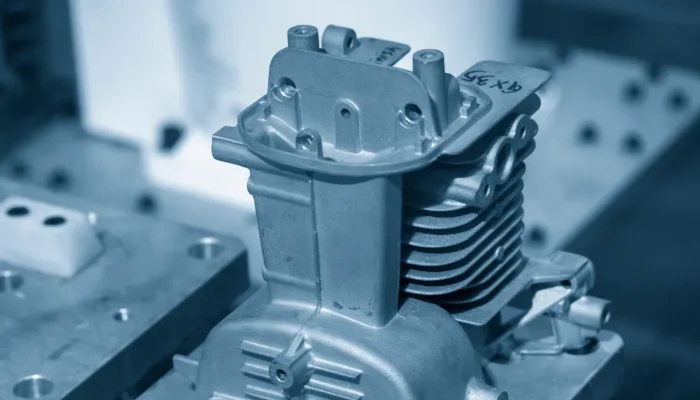
Schwerkraft-Druckguss

gravity die casting process

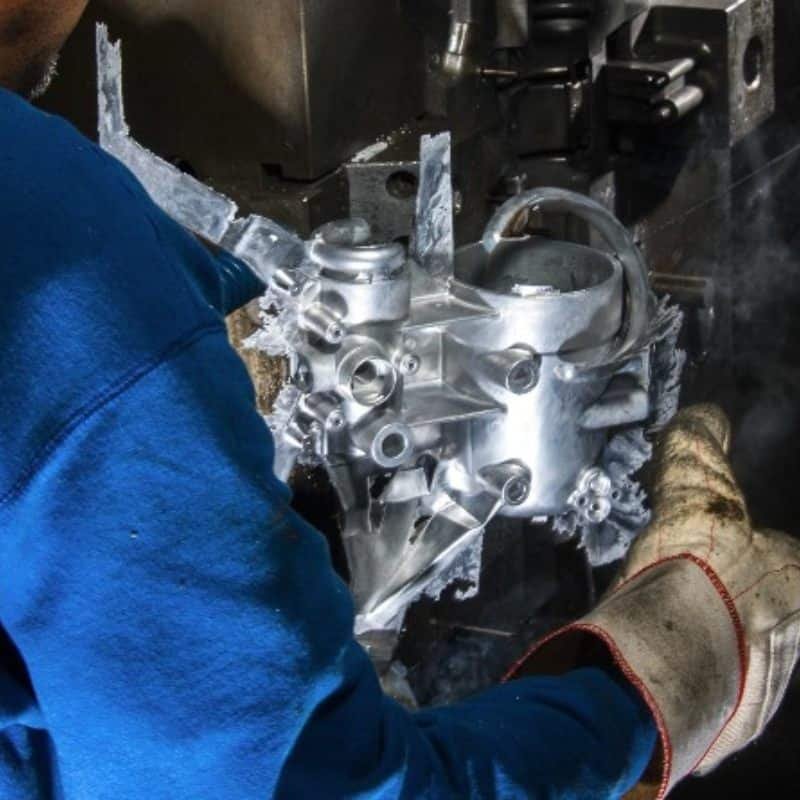
Gravity die casting is a metal casting method in which the molten metal is directed to fill a reusable metal mold, using the force of gravity alone and no external pressure. The process yields powerful, precise and finely finished metal components and this is the reason why automotive, aerospace, and machinery industries are using it […]

Schwerkraft-Druckguss Weiterlesen "

Heat Treatment of Steel

Wärmebehandlung Anlassen

Heat treatment of steel is one of the most important decisions behind the final performance of a part. It affects hardness, strength, toughness, wear resistance, dimensional stability, machinability, and fatigue behavior. For a buyer, that means the steel grade alone is never the full story. Two parts made from the same steel can perform very

Heat Treatment of Steel Weiterlesen "

Heat Treatment of Aluminum

t4 temper vs t6 temper

Heat treatment of aluminum is often treated as a material note on the drawing, but for buyers it is really a performance decision. It affects strength, hardness, ductility, dimensional stability, corrosion behavior, and machinability. Two parts made from the same aluminum alloy can behave very differently if one is delivered in an annealed or as-fabricated

Heat Treatment of Aluminum Weiterlesen "

Gussporosität

Gussfehler Porosität

Porosity is one of the most common reasons a casting that looks acceptable at first becomes expensive later. It may show up as a cosmetic defect, but more often it becomes a machining problem, a leak problem, a fatigue problem, or a quality-acceptance problem. That is why buyers should not treat casting porosity as a foundry-only

Gussporosität Weiterlesen "

Kaltes Schließen im Guss

Gussfehler beim Kaltverschluss

A cold shut is one of those casting defects that can look minor on the surface and still become a serious commercial problem later. It often appears as a seam-like line, a rounded crack-like mark, or a weak interface where two metal fronts met but did not fully fuse. In service, that line can behave

Kaltes Schließen im Guss Weiterlesen "

Gießwachs

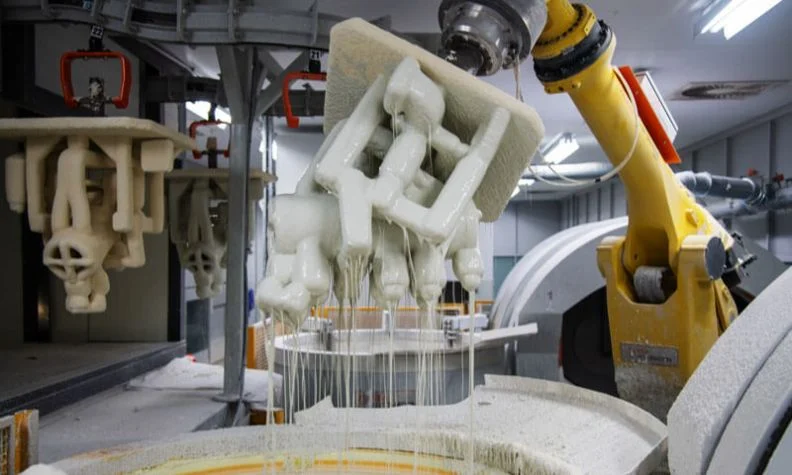
Wachsmodell eines Turbinengehäuses mit Keramikkernen

In the world of high-precision manufacturing—from complex UAV components to intricate medical implants—success begins long before the first drop of molten metal is poured. It starts with the wax. In the Investment Casting (or Lost-Wax) process, the wax pattern serves as the “soul” of the final metal part. Every detail, texture, and dimension of the

Gießwachs Weiterlesen "

Nach oben scrollen