WE ALWAYS FOCUS ON QUALITY CONTROL ON CNC MACHINING PROCESS AND PRODUCT
CNC machines are designed to provide high precision parts with minimal tolerances. However in order for CNC machines to keep giving precise results they need to undergo certain quality control inspections. Quality control and inspection run side by side with the CNC machining processes. As a basic difference, Quality Assurance is setting up the processes and procedures for effective measures, including the documentation requirements. Whereas, Quality Control is the implementation of those measures. HDC being an ISO 9001 certified company carries out its quality control functions in house. Here is how we carry out our quality programs.

What makes up HDC’s Quality Control Program?
· Machine Accuracy and Calibration
First and foremost is periodic checks of the CNC machines for producing high accuracy results. As such, CNC machine and tools accuracy tests are performed from time to time to see whether the machine is performing as intended or not. The major areas that undergo quality inspection are the axis, spindle, brackets, etc. In case an error is found in any of the major areas of the CNC machines, the issue is resolved immediately. This includes the correction of spindle orientation, axis at zero line, movements of tools as per the given input. In case, there is a deviation, the final product will be affected. In order to keep our machines calibrated we use multiple tools like CMM (Coordinate Measuring Machine), micrometers, Air gauges, etc. We have a set period for inspection of each area of the CNC machine, once the time is there for inspection we inspect the part and take measure if necessary to keep it calibrated.
· Part or Product Quality Check
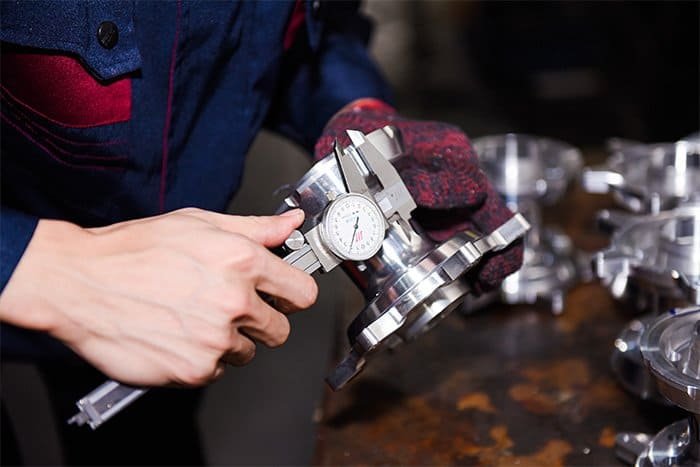
Next comes the Quality Control of the finished products. It means that the final part or product made from the CNC machine should be as per the required parameters. Also, it includes the finishing of the surface, dimensional tolerances, material strength, and material adherence to certain standards, product color, and other physical properties if required. At times, we also test the chemical properties of the products as they are required for any food or chemical sensitive industry.
· Processes and Procedures Control
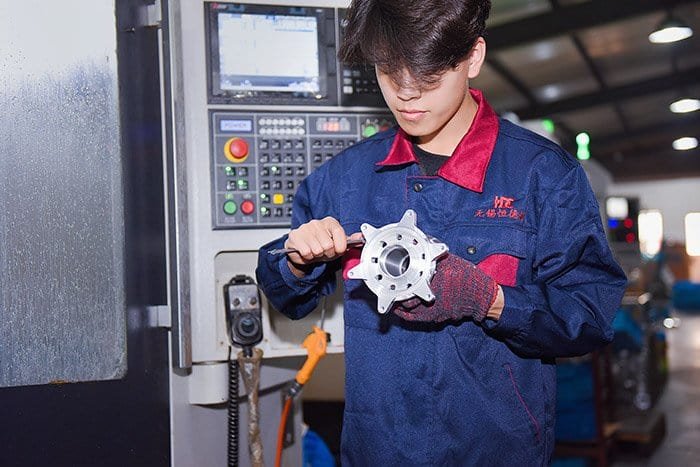 Quality inspection of the processes is extremely important in order to eradicate the process-related issues that can impact the final product. This includes all stages of CNC machining i.e. design finalization, feasibility stage, material procurement, prototyping, feedback, and batch production. It is important to cover all the phases of product development to have a high quality of final product.
How We Carry out Quality Control?
Customer-centric Approach
We believe that our client satisfaction is the key to a good quality control program. Therefore, we stay in close communication with our clients, listen carefully to the parameters and design requirements shared with us and perform as per their requirements. In case, we have a query related to the order, we communicate and clarify from our clients. This is our first step to ensure that we get the product right and as per the requirements of our clients.
Understanding the design
Our design team has the prime objective of acquiring the CAD design for all products. Prime focus of the design team is to understand the product and see the tolerances allowed for the product.
Finalizing the approach
Next step is to finalize the process. At this stage of quality control, our teams finalize the process to be adopted. Importance is given to the most cost-effective and technologically advanced process. It is followed by arrangement of any documents required for the process completion. Once it has been decided that which process is the best for the part, we start the machining process. Other aspects that we consider at this stage are the timelines of the project and the amount of time we have for the process. Consequently, we make slight changes according to the time we have on our hands and then finalize the approach.
Material Inspection
In order to maintain a good CNC machining quality control program, it is essential to account for the material and quality of material to be used. So, we always purchase the materials from big companies and apply material inspection before machining, we make sure it meets the requirements of our client. Also, we ensure that the material we use has the certification required by our client’s relevant industry or country. As such, we eradicate any material issues at a very early stage of the process. Moreover, if our client has some regulatory requirements to incorporate into the product, we can do it.
Inspecting the final product
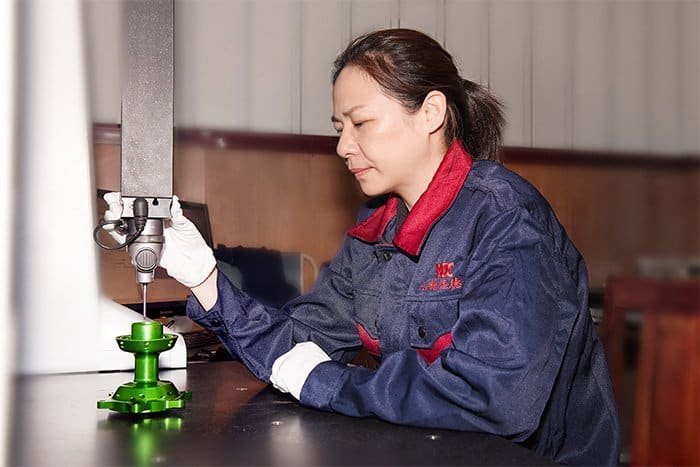
Once the part has been completed, we perform a thorough quality control check. This includes multiple tests like the dimension adherence test, chemical tests, surface finish test, strength test, tolerances test, and other tests required for the product. Also, we complete the inspection of documents and see if any additional documents are required by the client or their specific industry. If there are no issues, we ready the part for shipment.
Is Stainless Steel Magnetic
Some stainless steels are magnetic, while others show little or no attraction to an ordinary magnet. The difference is mainly controlled by the steel’s crystal structure, not simply by how much iron it contains. Ferritic, martensitic, duplex, and most precipitation-hardening stainless steels are magnetic. Austenitic grades such as 304 and 316 are usually described as
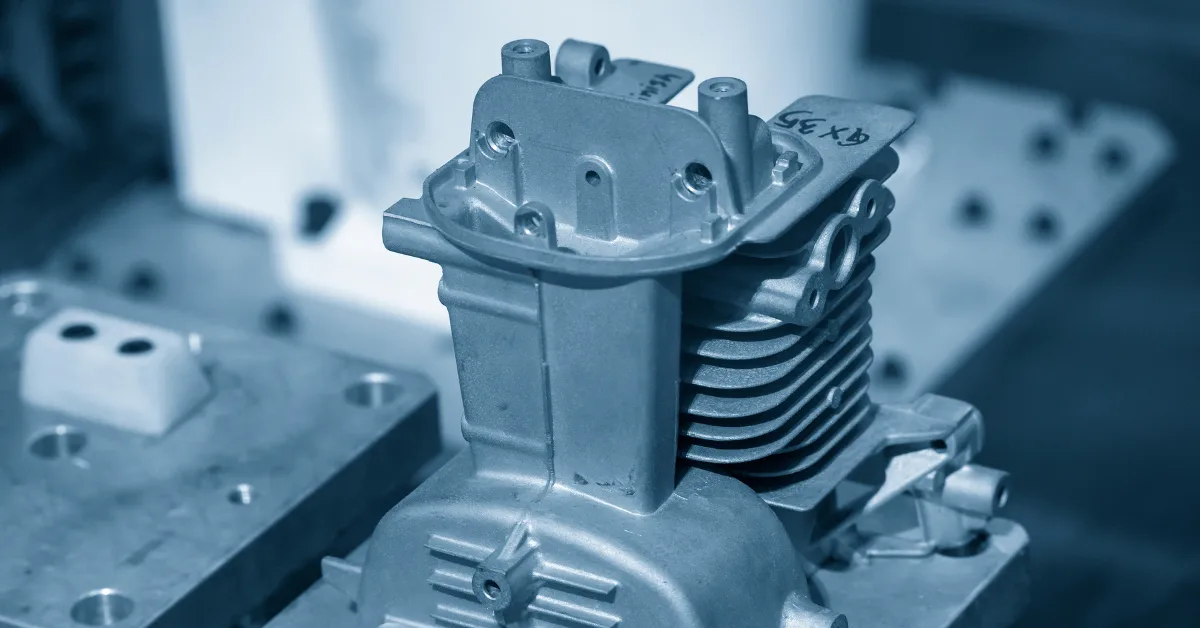
Zinc Die Casting
Zinc die casting is a high-pressure manufacturing process used to produce precise metal parts at high production rates. It is particularly valuable when a component needs thin walls, fine detail, a smooth surface, tight repeatability, or an electroplated finish. Zinc is heavier than aluminum, but its casting fluidity, fast cycle times, and long die life
Silica Sol vs Water Glass
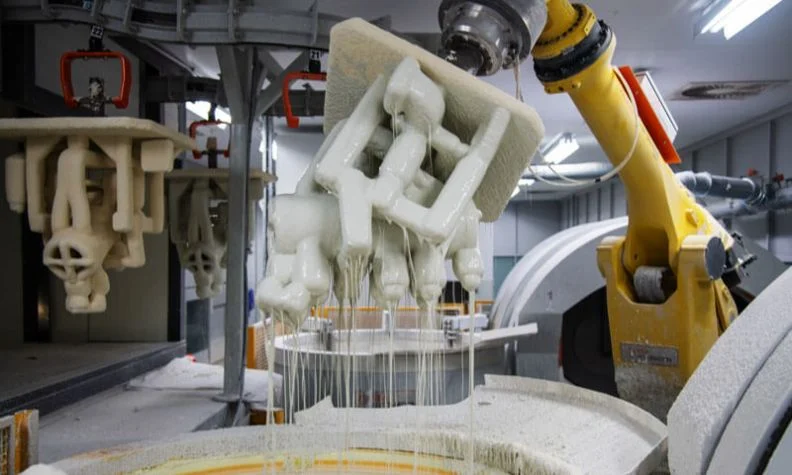
The silica sol vs water glass decision is mainly about the ceramic shell used in investment casting. Both materials bind refractory particles around a wax pattern, but they do not produce the same process economics or casting quality. Silica sol is usually selected when surface finish, dimensional control, fine detail, and reduced post-processing matter. Water glass
Copper Forging
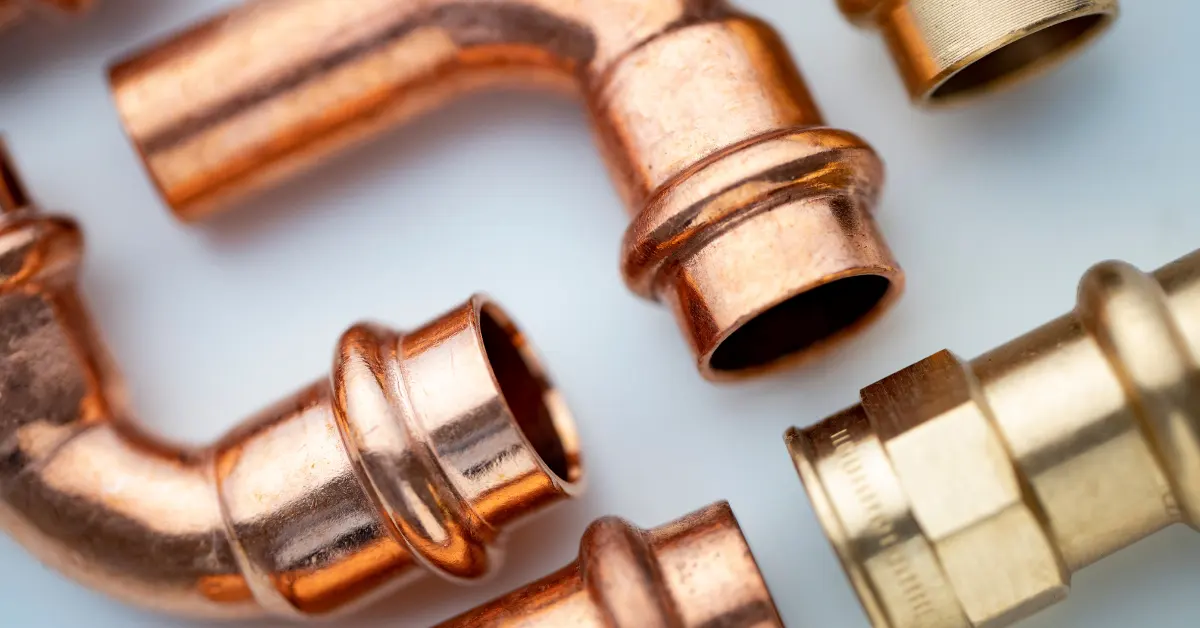
Copper forging is used when a part needs the properties of copper or copper alloys, but with better strength, density, and reliability than a simple cast or fully machined route may provide. It is common in electrical, plumbing, marine, industrial, and mechanical applications where conductivity, corrosion resistance, wear behavior, pressure integrity, or long service life
Casting Surface Finish
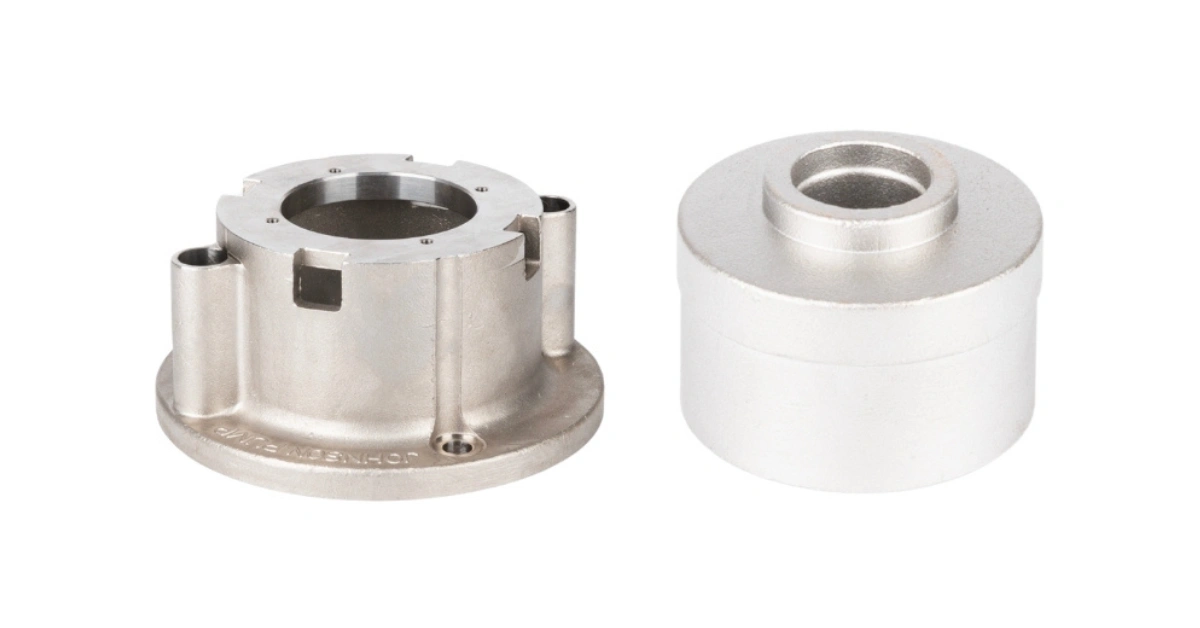
You can get everything else right and still end up with a part that fails. The right alloy. The right geometry. The right tolerances. But if you overlook surface finish, you inherit problems that show up later, at the worst possible stage of production or, worse, in the field. Surface finish affects how your casting
Die Casting Materials
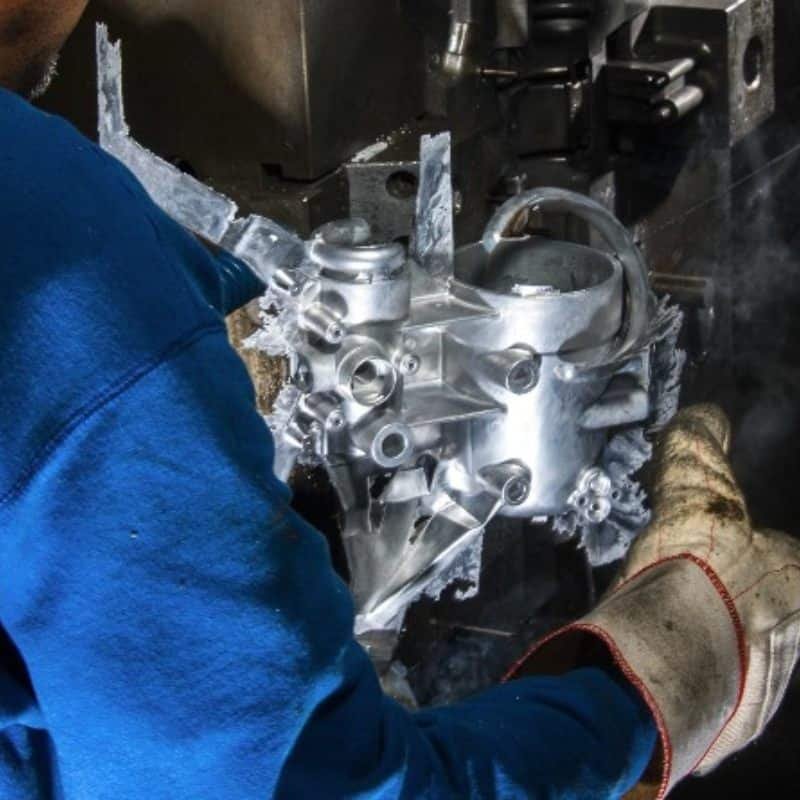
Material selection is one of the few die-casting decisions that changes almost everything else at once. It affects tool life, wall thickness capability, cycle time, part weight, corrosion behavior, plating options, machining effort, and whether the casting is being used for appearance, structure, wear, or thermal performance. That is why serious buyers do not start